
Used 1998 Commercial Trucks For Sale in New York
Browse used 1998 trucks for sale in New York, including road tractors, box trucks, and straight trucks with varied specs and applications.
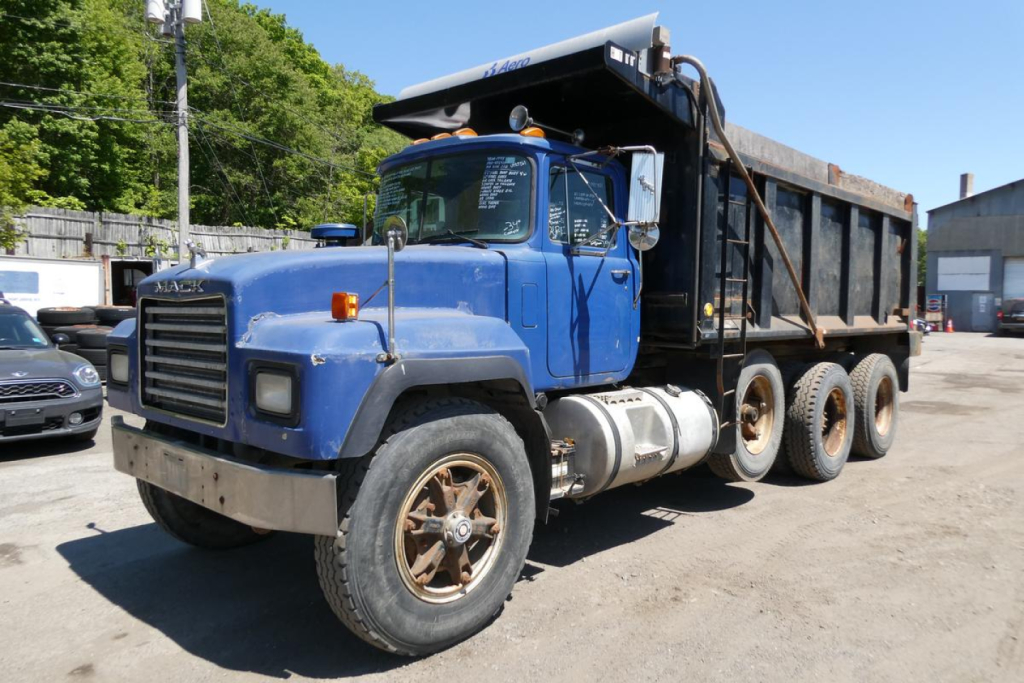
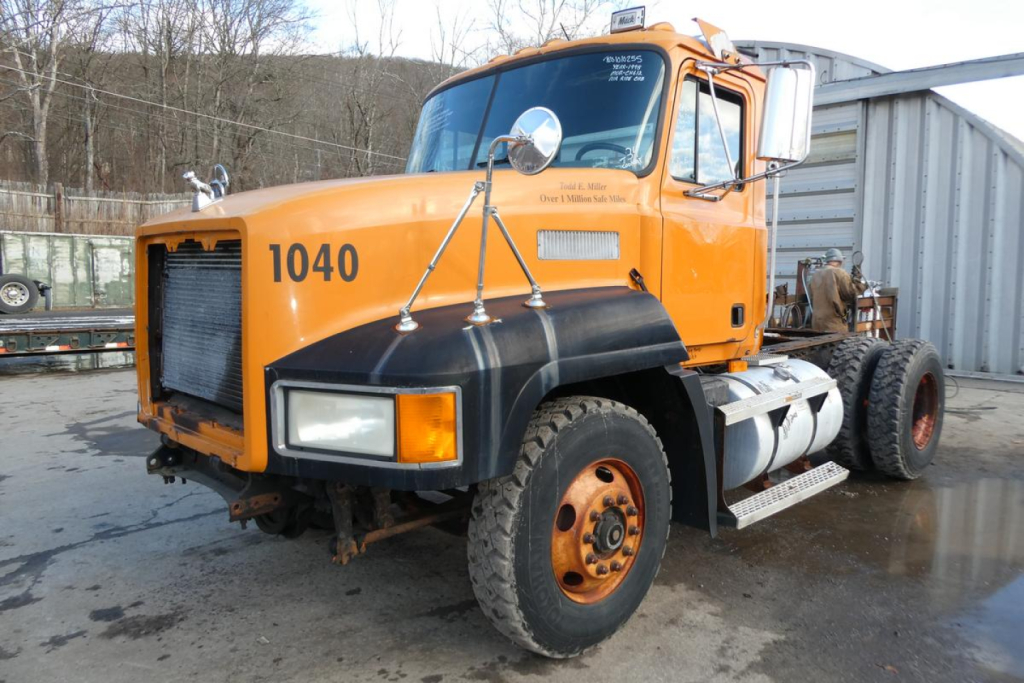
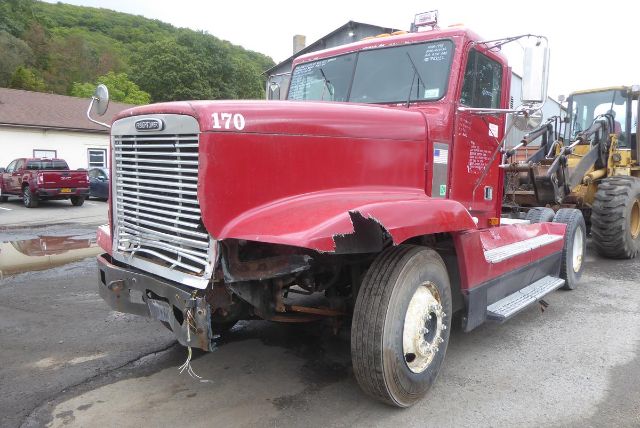
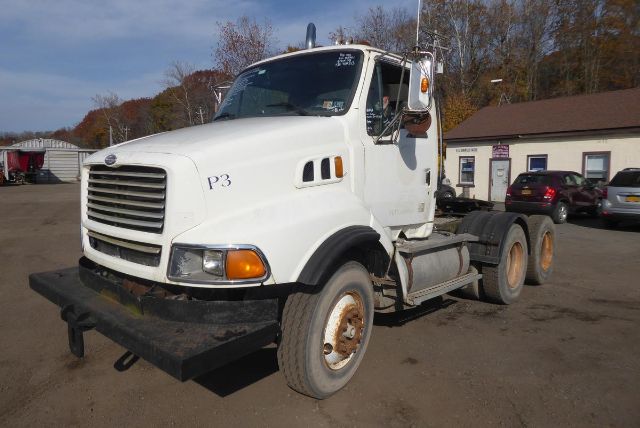
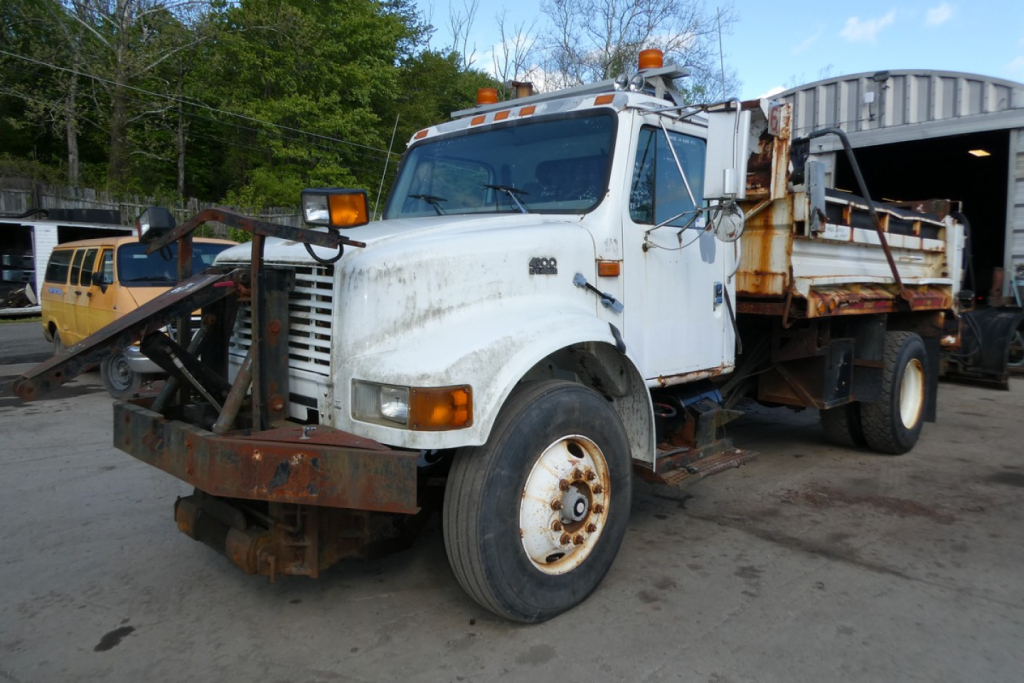
Have used 1998 commercial truck to sell? List it here to reach thousands of buyers.
Used 1998 Commercial Trucks in New York
Powertrain selection matters more on older used trucks because emissions complexity is generally lower than on later-model equipment, but age-related wear becomes the main risk. Many 1998 trucks were built with mechanical or early electronic diesel engines from makers such as Caterpillar, Cummins, Detroit Diesel, International, and Mack, paired with manual transmissions, older Allison automatics, or vocational gearing. Buyers should pay close attention to horsepower, torque rating, rear axle ratio, axle configuration, suspension type, brake system, and GVWR. In New York, cold-weather starting, frame condition, brake line condition, and corrosion around cab mounts, spring hangers, crossmembers, and electrical connections deserve a close inspection.
For local and regional work, wheelbase, cab-to-axle measurement, and overall length are key because they determine what body can be mounted and how the truck will maneuver in tighter urban areas. A 4x2 single-axle truck may suit delivery, service, or lighter vocational work, while a tandem-axle 6x4 tractor or straight truck is better for heavier payloads, trailer pulling, or rougher jobsite use. Buyers comparing older box trucks and straight trucks should also inspect the body separately from the chassis. Floor condition, roof leaks, door frame damage, liftgate operation, reefer hours if equipped, and signs of prior patchwork can change the real cost of ownership quickly.
A used 1998 truck is often purchased for a specific job rather than broad fleet standardization, so matching the spec to the workload is critical. Check title class, registered weight capability, tire size availability, parts support, and whether the truck has common serviceable components. If the truck will stay in New York, rust history and inspection readiness should be part of the buying process from day one. A well-kept 1998 truck can still be useful and economical in the right application, but the best buys are usually the ones with a clear service history, straightforward drivetrain, and chassis specs that fit the job without requiring major rework.
Frequently Asked Questions about Used 1998 Commercial Trucks in New York
What should I inspect first on a used 1998 truck?
Start with the frame, engine, transmission, brake system, suspension, and electrical condition. On a 1998 truck, corrosion, fluid leaks, wiring repairs, and deferred maintenance usually matter more than cosmetic appearance. Check for rust on frame rails, crossmembers, cab mounts, brake components, fuel tanks, and body supports, especially on trucks that have spent years in northern climates like New York. Then verify cold-start behavior, clutch or automatic transmission operation, steering play, and tire wear patterns to spot alignment or suspension issues.
Are 1998 trucks easier to maintain than newer trucks?
Many 1998 trucks are simpler than newer models because they were built before the more complex emissions systems found on later diesel equipment. That can make diagnosis and routine service more straightforward, especially on trucks with mechanical or early electronic engines. The tradeoff is age. Hoses, seals, air lines, wiring, and cab components may be at the point where replacement is expected, so maintenance can still be significant even if the systems are less complex.
What types of jobs are used 1998 trucks best suited for?
Used 1998 trucks are often best suited for lower-mileage or specialized roles where low acquisition cost matters more than late-model features. Common uses include farm hauling, landscaping, construction support, municipal work, local delivery, equipment transport, export, and backup fleet service. The right application depends on GVWR, axle setup, body type, and local operating requirements. For heavy daily commercial use, buyers usually need to be much stricter about maintenance records and component condition.
Does rust matter more than mileage on a 1998 truck in New York?
In many cases, yes. Mileage is still important, but rust can determine whether an older truck is practical to own at all. Severe corrosion can affect frame integrity, brake lines, suspension mounting points, cab structure, and electrical reliability. A higher-mile truck with a solid frame and documented upkeep may be a better buy than a lower-mile truck with extensive rust damage from years of winter road salt exposure.
How do I choose the right 1998 truck configuration?
Choose the configuration based on payload, trailer requirements, route type, and body needs. A single-axle 4x2 truck usually offers tighter turning and lower operating cost for local work, while a tandem-axle 6x4 setup is better for heavier loads and tougher terrain. For straight trucks, wheelbase and cab-to-axle dimensions must match the intended body length. For tractors, look closely at fifth wheel setup, axle ratings, suspension, and gearing so the truck fits the trailer and operating speed you expect.