
Used Bucket Trucks For Sale in New York
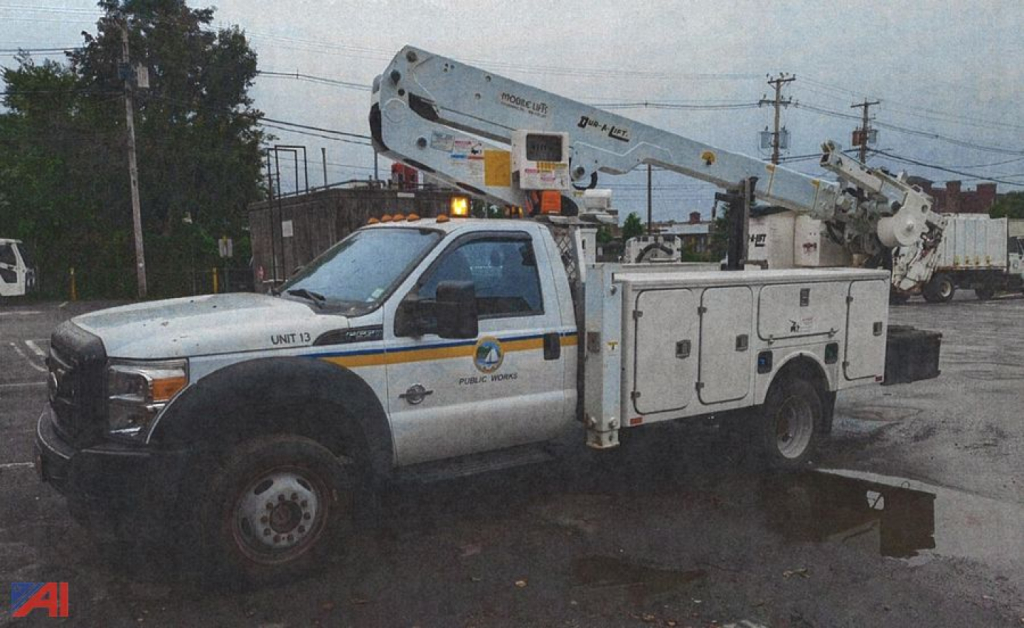
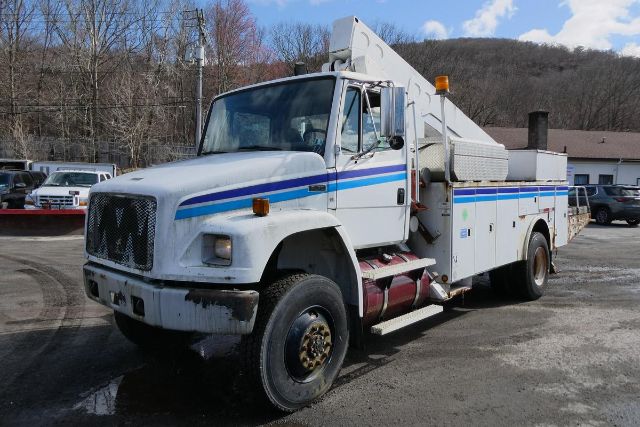
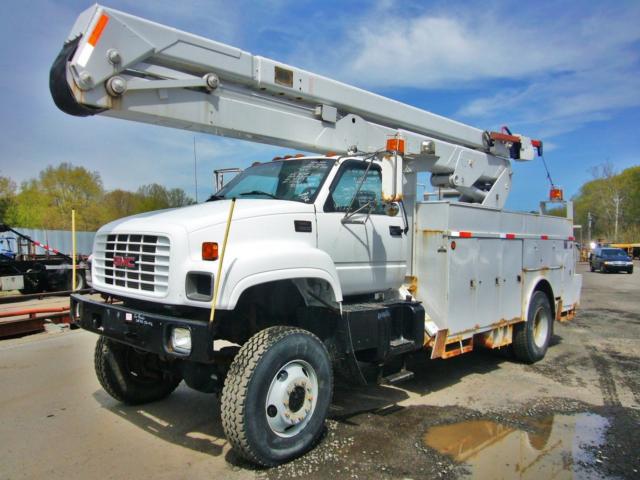
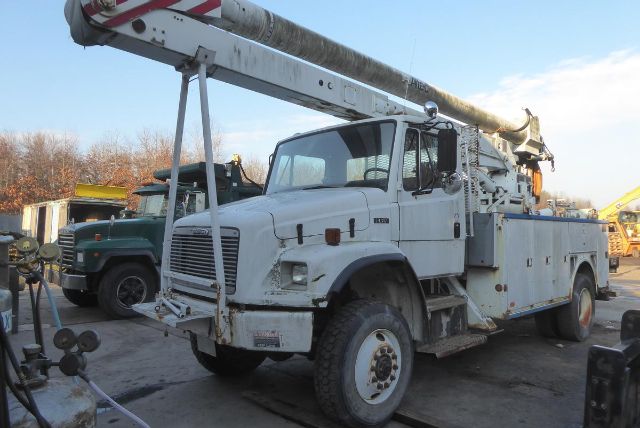
Used bucket trucks for sale in New York, including utility-body aerial trucks with common working heights, PTO hydraulics, and commercial chassis.
Have used bucket truck to sell? List it here to reach thousands of buyers.
Used Bucket Trucks in New York
A key buying point is the boom package itself, not just the truck under it. Many used bucket trucks in this class carry boom assemblies from Altec, MTI, Terex, Versalift, or similar manufacturers, often with platform heights around 50 to 55 feet and basket capacities in the 300 to 350 pound range. Some units also include a jib or rope winch on the boom tip for lifting transformers, hardware, or small materials. Buyers should confirm whether the boom is insulated or non-insulated, whether upper and lower controls both operate correctly, and whether the hydraulic system has leaks, drift, or slow functions. Current dielectric test records, boom inspection history, and any ANSI compliance documentation matter as much as engine and transmission condition on an aerial truck.
On the chassis side, used bucket trucks are typically spec'd with diesel engines in the 200 to 250 horsepower range, automatic or 6 to 7 speed manual transmissions, PTO-driven hydraulic pumps, spring suspension, and 33,000 to 36,000 pound GVWR ratings on larger units. Tire size, wheelbase, and overall height deserve close attention in New York because jobsite access can be tight and bridge clearance, street parking, and residential tree cover can all limit maneuverability. Utility body condition is another major value driver. Rust in compartment floors, outriggers, subframe mounts, and body crossmembers is common on northeastern trucks exposed to road salt. A clean-running powertrain does not offset major corrosion in the aerial structure or body supports.
The best used bucket truck for a buyer is usually the one that matches work type, not the one with the tallest reach. A lighter Class 5 truck may fit municipal maintenance or sign service routes better, while a heavier medium-duty 4x4 unit with air brakes, pintle hitch, and higher rear axle rating may suit line clearance or off-pavement utility work. Check hour meter readings alongside odometer miles because aerial equipment often spends long periods operating while stationary. It is also smart to review PTO engagement, outrigger performance, basket rotation, hydraulic response, boom bushings, and any repairs to the pedestal or turret area before making a decision.
Frequently Asked Questions about Used Bucket Trucks in New York
What should I inspect first on a used bucket truck?
Start with the boom and aerial device records before focusing on the cab and drivetrain. Confirm the platform height, bucket capacity, upper and lower control operation, outrigger function, hydraulic condition, and any current ANSI or dielectric testing documentation. After that, inspect the utility body, subframe, and outriggers for corrosion, cracks, or past repairs, especially on trucks that have worked in New York road salt conditions.
How important are engine hours on a used bucket truck?
Engine hours are extremely important because bucket trucks often idle or run the PTO for long periods without adding many road miles. A truck with moderate odometer miles can still have heavy wear if the engine and hydraulic system have spent thousands of hours operating stationary. Compare odometer, ECM miles, ECM hours, and service records together to get a more accurate picture of total use.
What working height do most used bucket trucks have?
Many used bucket trucks in the commercial market fall in the 35 to 60 foot range, with 50 to 55 foot units being especially common on medium-duty utility chassis. The right height depends on the work. Tree trimming, utility maintenance, streetlight service, and sign work all have different reach requirements, and taller booms usually add weight, complexity, and acquisition cost.
Is a 4x4 bucket truck worth paying more for?
A 4x4 bucket truck can be worth the premium if the truck regularly works on soft shoulders, unpaved rights-of-way, utility easements, or winter roads. For paved municipal, campus, or city sign service, a 4x2 chassis may be more cost-effective and simpler to maintain. The decision comes down to traction needs, body weight, and where the truck will spend most of its time.
Why does utility body rust matter so much on used bucket trucks?
Rust is more than a cosmetic issue on a bucket truck because the body, subframe, and outrigger structure support the aerial device and the truck's stability during operation. Rusted compartment floors, crossmembers, mounts, and body supports can turn into expensive structural repairs and may affect safe operation. In northern states, corrosion inspection should be part of every serious evaluation.