
Used Bucket Trucks For Sale
Shop used bucket trucks with utility bodies, insulated or non-insulated booms, and working heights for telecom, tree, sign, and electric service.

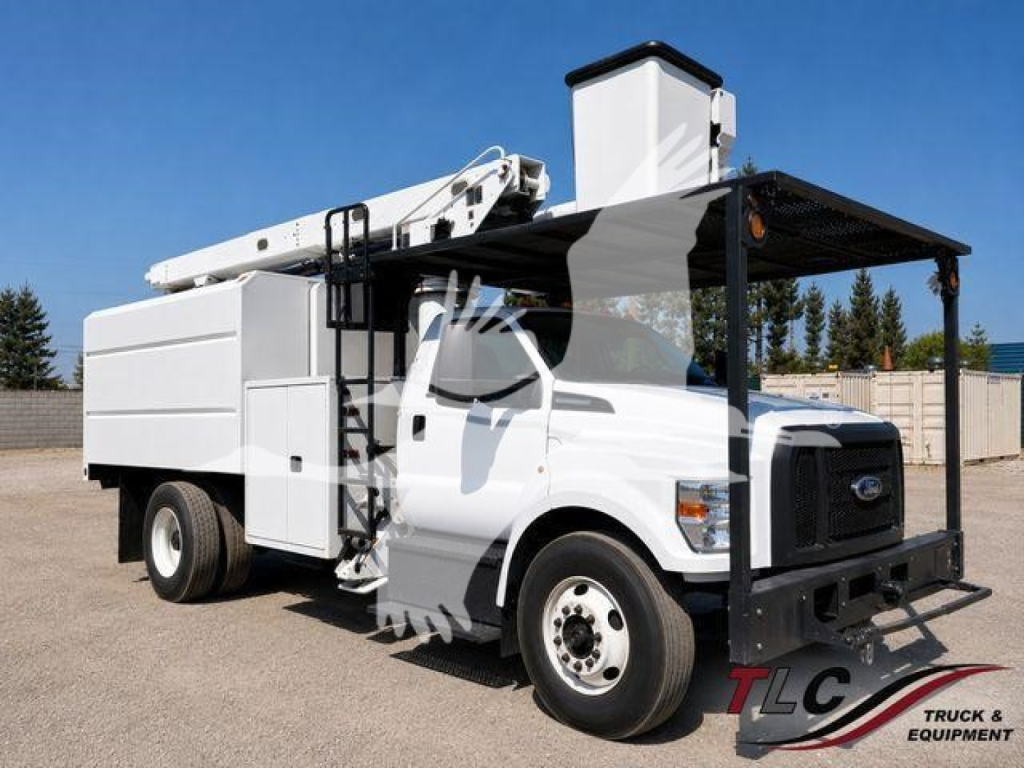
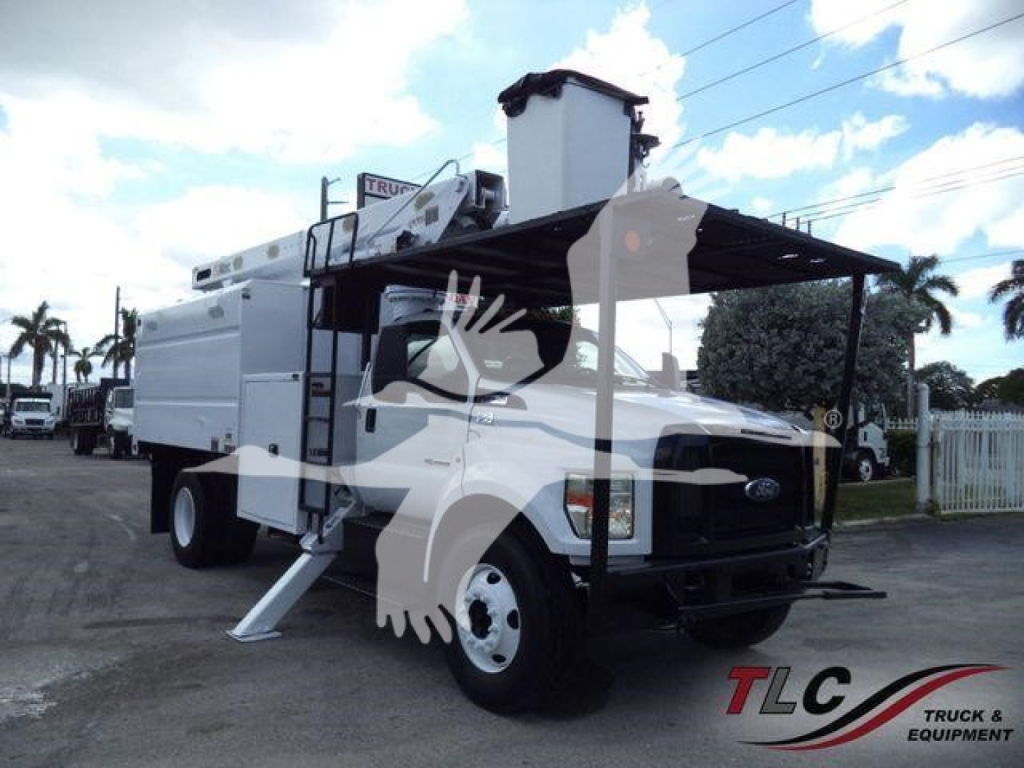
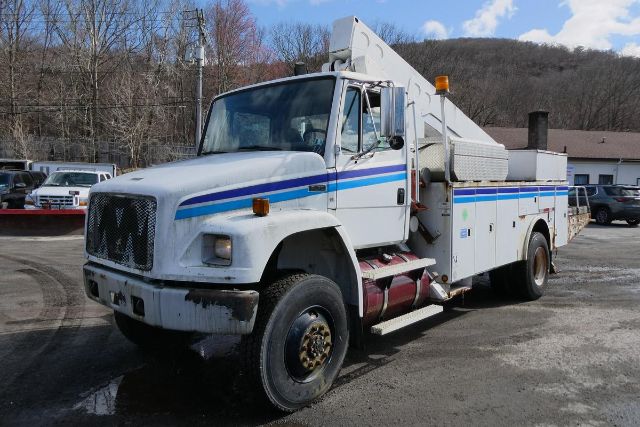
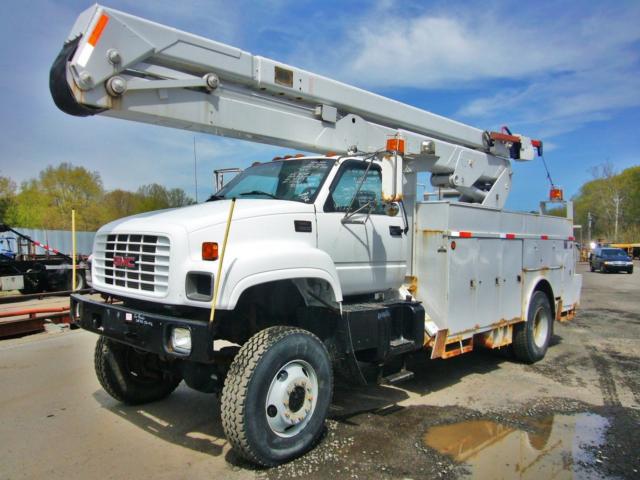
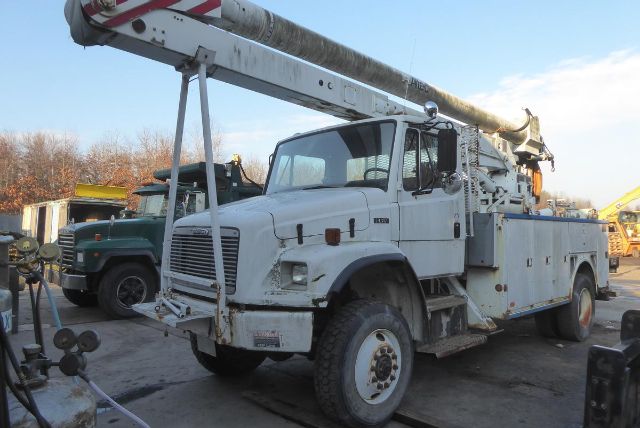
Selling a used bucket truck? List your used bucket truck for sale and reach thousands of commercial buyers.
Used Bucket Trucks
Chassis and weight class drive a big part of operating cost and jobsite flexibility. A Ford F-550 or similar 4x4 chassis can make sense for tighter streets, campuses, and lighter contractor work. An International 4300, 7400, or comparable medium-duty truck is more typical for utility fleets that need larger booms, more tool storage, and better stability. Buyers should compare GVWR, wheelbase, axle ratings, outrigger spread, and stowed travel height, especially if the truck will enter parking structures, tree-lined areas, or bridge approaches. Utility bodies commonly include multiple tool compartments, ladder racks, hose reels, pintle hitches, and PTO-driven hydraulic systems. If the truck includes a material handler, check winch capacity and whether the boom is rated for personnel only or for both lifting and positioning materials.
On a used bucket truck, the boom and hydraulic system matter as much as the cab and drivetrain. Look closely at boom manufacturer support, service records, dielectric test history on insulated units, hour meter readings for both chassis and PTO, and the condition of hoses, pins, bushings, turret rotation, controls, and outriggers. Platform capacity is often 300 to 600 pounds depending on the body and boom, and that number affects crew size, tools, and job scope. Many fleet units show low road miles but high idle and PTO hours, so engine hours can tell a more accurate story than odometer alone. Corrosion around the body, subframe, outriggers, and compartment floors is common on municipal and electric utility trucks, particularly in snowbelt regions.
A strong used bucket truck should fit the work, not just the reach chart. Electric utility crews may need insulated booms and stricter compliance documentation. Tree and vegetation management crews may prioritize articulation, chipper towing, and 4x4 access. Sign and lighting contractors often focus on compact footprint, smooth control response, and lower overall height. Before buying, verify annual aerial inspection records, ANSI compliance status, PTO operation, hydraulic leaks, lower and upper controls, emergency descent functions, and outrigger interlocks. The right used bucket truck can deliver years of service, but only if the aerial device, chassis, and body have been evaluated as one integrated system.
Frequently Asked Questions about Used Bucket Trucks
What should I check first on a used bucket truck?
Start with the aerial device inspection history, hydraulic system condition, and outrigger operation. A used bucket truck can have acceptable road miles and still need major boom work if the PTO hours are high or the lift has not been maintained properly. Review annual inspection records, dielectric test reports on insulated units, upper and lower control function, emergency lowering systems, and visible wear at pins, bushings, hoses, and turret components before focusing on cosmetic condition.
How do I choose the right working height for a bucket truck?
Choose working height based on actual task height, setback from the work area, and the need to reach up and over obstacles. A 40 to 45 foot class truck often fits street lighting, signs, and general contractor work, while 55 to 70 foot units are more common in utility and telecom applications. Working height alone does not tell the full story. Side reach, articulation, platform capacity, and outrigger footprint all affect how useful the truck will be on real jobsites.
What is the difference between an insulated and non-insulated bucket truck?
An insulated bucket truck is designed for certain energized line work and includes a boom configuration intended to reduce electrical conductivity when properly tested and used within rating limits. A non-insulated unit is not intended for that type of work and is more common in signs, lighting, municipal maintenance, and tree applications where electrical insulation is not the primary requirement. Buyers should confirm the insulation category, current dielectric testing, and employer safety requirements before putting an insulated truck into utility service.
Are low miles more important than boom hours on a used bucket truck?
Not always. Many bucket trucks spend long periods idling or operating the PTO while stationary, so low miles can be misleading. Engine hours, PTO hours, and the maintenance history of the boom and hydraulics often matter more than odometer reading alone. A truck with moderate miles and documented aerial service can be a better value than a low-mile unit with unknown boom history, neglected inspections, or extensive corrosion.
What chassis class is best for a used bucket truck?
The best chassis depends on reach, payload, terrain, and how much body equipment the job requires. Lighter Class 4-5 bucket trucks are easier to maneuver and may be available with 4x4, making them useful for contractors and municipal work. Medium-duty and heavy-duty chassis support taller booms, larger utility bodies, stronger outriggers, and higher platform capacities. Buyers should match chassis capacity to the installed aerial device so the truck remains stable, legal, and practical for daily use.