
Used Ford Bucket Trucks For Sale
Shop used Ford bucket trucks including F-450, F-550, F-750, and F800 models with utility bodies, insulated booms, and aerial lift options.
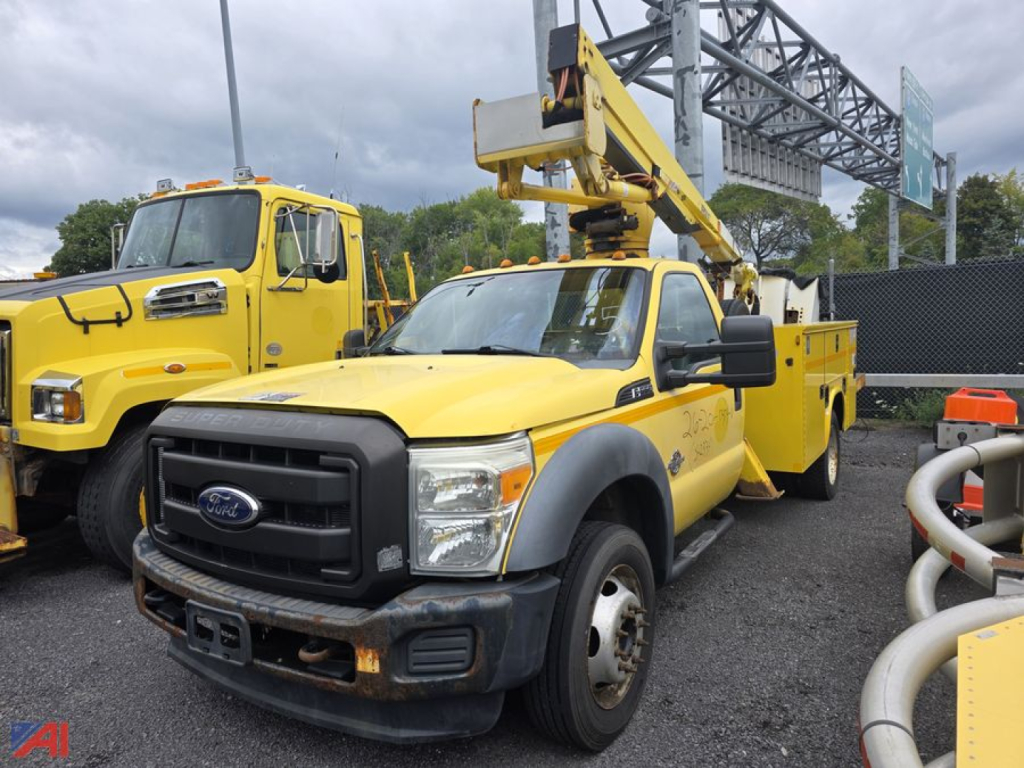
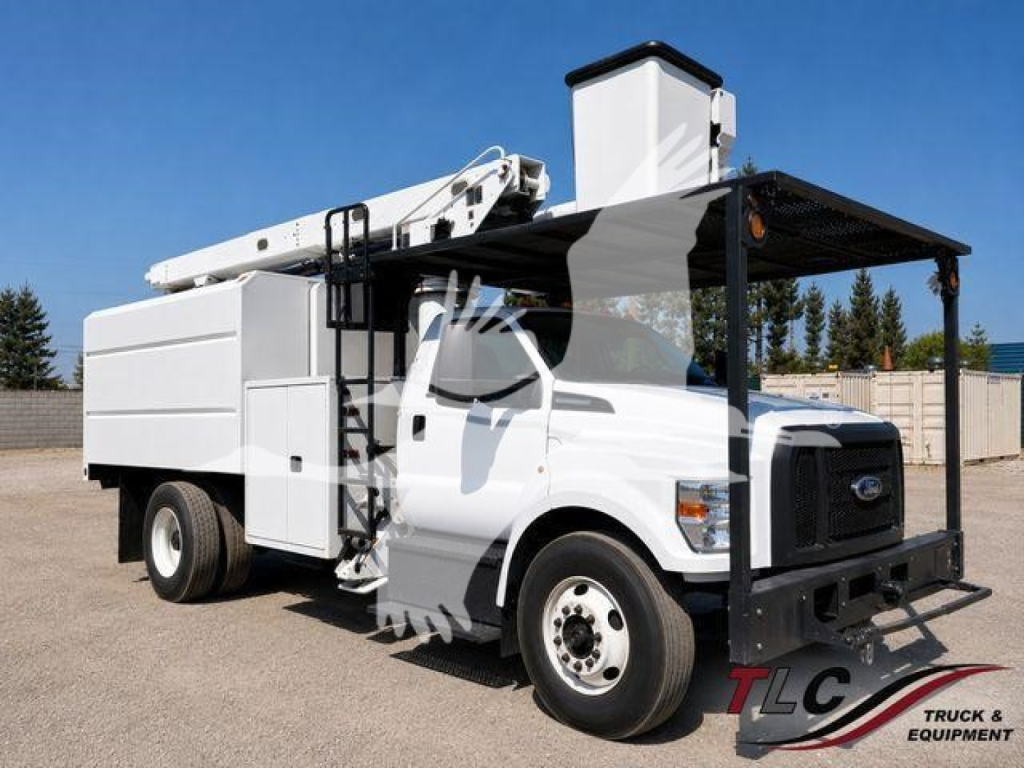
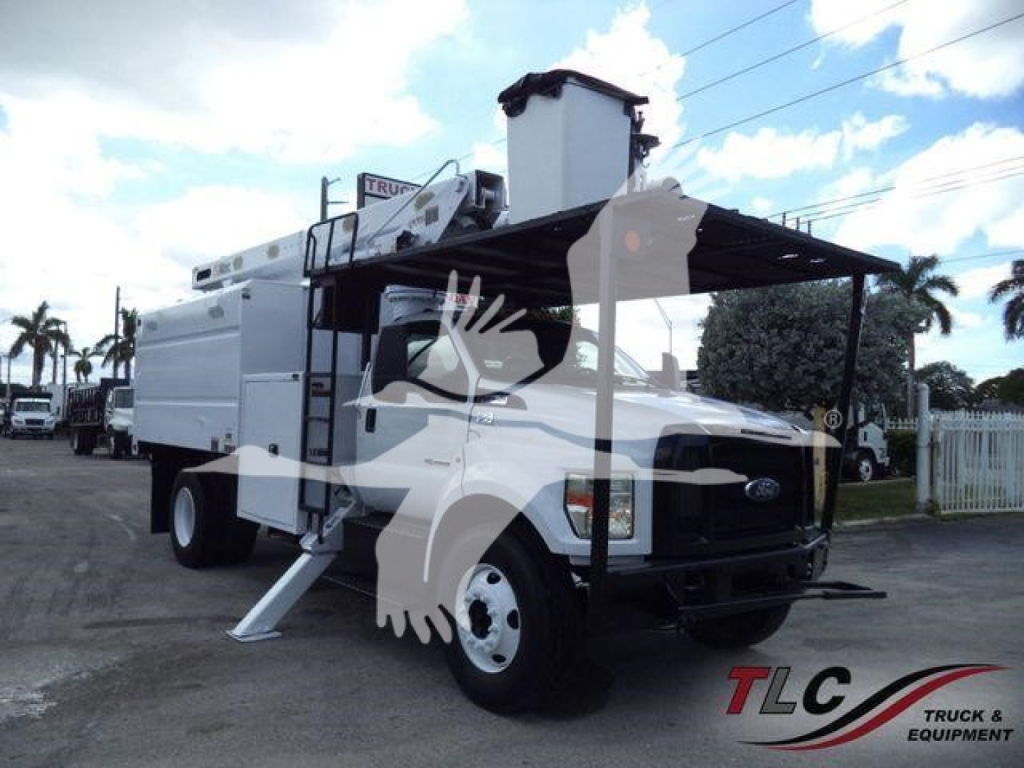
Looking for the easiest place to sell your used ford bucket truck? List it here to reach thousands of buyers.
Used Ford Bucket Trucks
One of the first things to compare is the aerial device itself, not just the truck. Working height, side reach, platform capacity, and insulation rating matter more than cab trim or mileage if the truck is being bought for utility work. Common boom brands on Ford bucket trucks include Altec, Versalift, Hi-Ranger, Armlift, and other utility upfit manufacturers. Buyers should confirm whether the unit has an insulated boom for energized line work, a material handler if lifting components is part of the job, and outriggers or torsion-style stabilization depending on the body design. A 37-foot to 52-foot working range is common on many used Ford units, with fiberglass inserts and dielectric testing often being key points on utility-owned trucks.
Chassis choice should match the route and payload. A Ford F-450 or F-550 bucket truck is often preferred for tighter streets, residential service calls, and jobs that need 4x4 capability, especially in snow, mud, or off-pavement rights-of-way. An F-750 or similar medium-duty Ford can make more sense when the truck carries a larger crew cab, more tools, heavier storage bodies, or a taller boom with greater platform capacity. Buyers should also check axle ratings, GVWR, body compartment condition, PTO and hydraulic operation, and whether the truck has a utility body with inverter outlets, lighting, pintle hitch, ladder rack, or scuff liners. On used units, rust in the body and outriggers, hydraulic leaks, dry-rotted hoses, and boom wear at pivot points deserve close attention.
Maintenance history is especially important on a used bucket truck because the aerial system and the chassis age differently. Utility fleet trucks are often serviced on schedule and stored indoors, but they may also have significant idle hours, PTO hours, and jobsite wear that do not show up in mileage alone. A serious buyer should review annual boom inspections, dielectric test records if applicable, hydraulic hose replacement history, and any documentation on structural repairs to the boom or body. On Ford diesel models, engine generation also matters. Older 6.0L and 6.4L trucks deserve careful review of service records, while later 6.7L-powered trucks are often sought after for broader parts support and stronger drivability in medium-duty use.
Frequently Asked Questions about Used Ford Bucket Trucks
What should I look at first on a used Ford bucket truck?
Start with the aerial device specifications and condition before focusing on mileage or cab features. Confirm working height, side reach, platform capacity, insulation type, and stabilization system. Then review annual inspections, dielectric testing if the truck was used around energized lines, hydraulic hose condition, PTO operation, and any signs of boom or body repairs. A clean chassis does not make up for a worn aerial lift.
Which Ford bucket truck models are most common in the used market?
Ford F-450 and F-550 bucket trucks are common for lighter utility and service applications, especially when 4x4 is needed. Ford F-650, F-750, and older F800 models are also common when the truck carries a larger boom, heavier utility body, or more onboard equipment. The right model depends on required working height, body weight, crew size, and where the truck will operate.
Are used Ford bucket trucks good for utility and telecom work?
Yes, many Ford bucket trucks are well suited for utility, telecom, municipal, and contractor use because Ford chassis are widely supported and commonly upfitted with reputable aerial devices. The key is matching the truck to the work. Insulated booms and current dielectric records are important for electrical work, while lighter non-insulated units may be sufficient for tree, sign, lighting, or communications applications depending on job requirements.
How important are boom hours compared to miles on a used bucket truck?
Boom hours and PTO hours can be just as important as odometer miles, and in many cases more important. A bucket truck may have modest road miles but extensive stationary use operating the hydraulic system every day. High boom use increases wear on hoses, cylinders, pins, bushings, and rotation components. Buyers should evaluate the aerial system as a separate asset with its own service life and maintenance history.
What are common problem areas on older used Ford bucket trucks?
Common problem areas include hydraulic leaks, cracked or dry-rotted hoses, rust in utility bodies and stabilizer areas, worn boom pivot points, damaged fiberglass components, and neglected annual testing records. On the chassis side, buyers should watch for engine-specific issues tied to certain Ford diesel generations, transmission condition, front suspension wear on 4x4 units, and corrosion in frame-mounted body hardware. A thorough inspection should cover both the truck and the aerial equipment.