
Ford Bucket Trucks For Sale
Shop Ford bucket trucks with common boom heights, chassis classes, and service body options for utility, telecom, lighting, and sign work.
Selling a ford bucket truck? List your ford bucket truck for sale and reach thousands of commercial buyers.
Ford Bucket Trucks
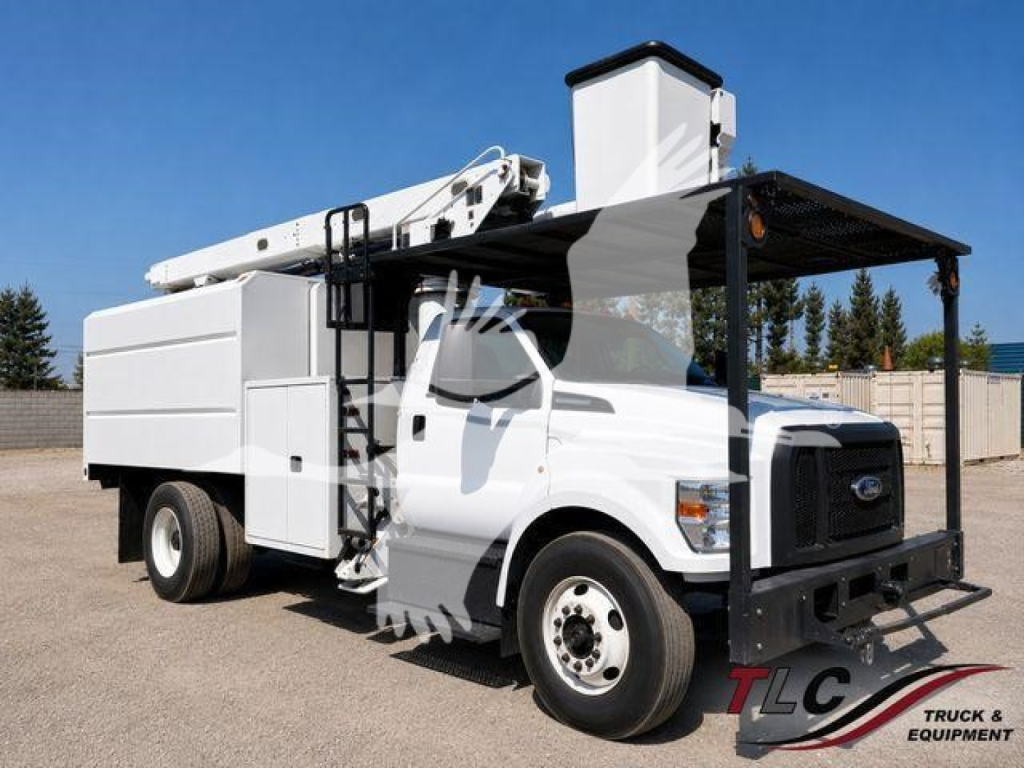
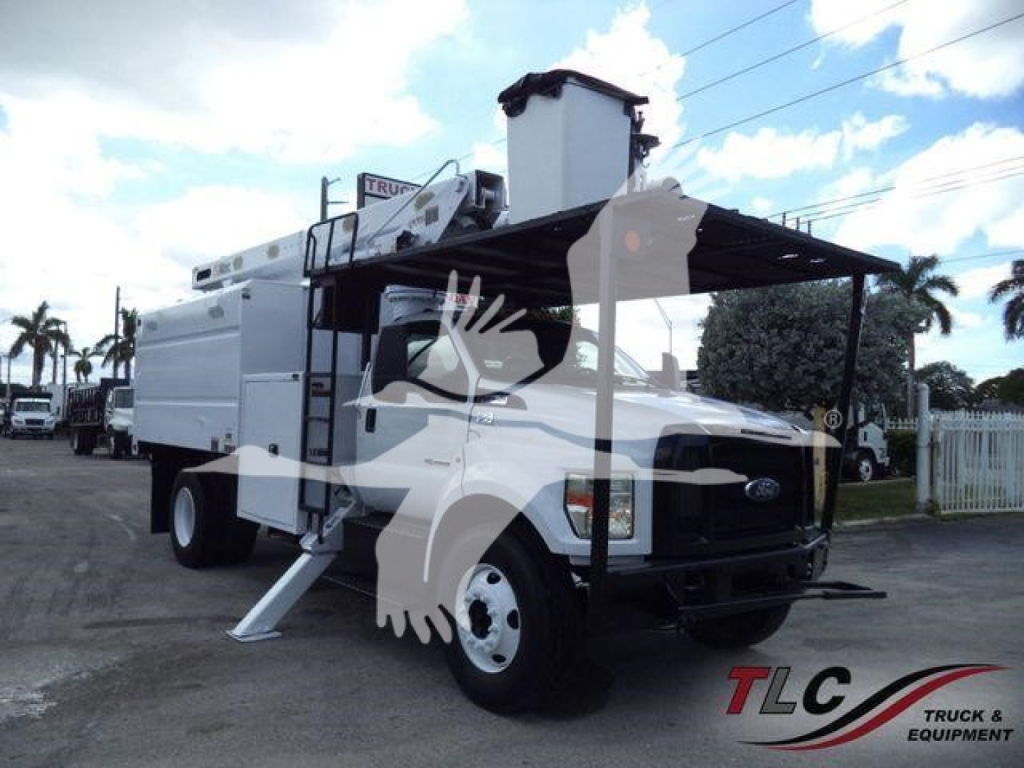
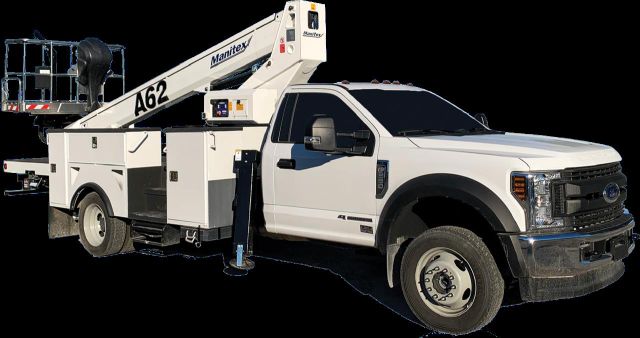
Boom configuration is the next major decision. Many Ford bucket trucks in this class use articulating or telescopic booms with working heights ranging from the upper 30-foot range into the 60-foot range, with platform capacities commonly around 350 to 700 pounds. Buyers should compare working height, horizontal outreach, basket capacity, turret rotation, basket rotation, and lower boom insulation if the truck will be used near energized lines. Utility-spec units may include fiberglass inserts, dielectric testing history, and insulated components, while general service units for lighting, tree, or sign applications may prioritize reach and setup speed over electrical insulation. Outriggers, torsion bar stabilizers, or X-pattern stabilizers also change how the truck performs on narrow streets, parking lots, and uneven shoulders.
Body layout has a direct impact on productivity. Many Ford bucket trucks are paired with service bodies, fiberglass utility bodies, or flatbeds depending on the trade. A service body with locking compartments, inverter power, ladder racks, and material storage fits electrical and telecom crews that need tools and parts on the truck. Flatbed-style configurations can make more sense for sign contractors or crews carrying poles, reels, or bulky materials. On used units, pay attention to compartment condition, subframe corrosion, PTO operation, hydraulic leaks, and the condition of the pedestal, boom pins, hoses, and controls. Maintenance records, annual inspections, and dielectric test documentation can be as important as engine and transmission history.
Ford Super Duty and medium-duty chassis are widely supported, which helps with parts access and service planning across mixed fleets. Diesel engines are common, though some older units may carry Ford gas engines, especially on lighter municipal or facility-maintenance trucks. Buyers should confirm GVWR, axle ratings, outrigger spread, CDL requirements, and jobsite clearance before comparing listings. A Ford bucket truck that looks similar on paper can be very different in real-world use depending on boom style, body package, insulation rating, and chassis class, so the best fit usually comes down to the height you actually need, the payload you carry every day, and the type of streets or right-of-way where the truck will be set up.
Frequently Asked Questions about Ford Bucket Trucks
What is the difference between a Ford F-550 bucket truck and a Ford F-750 bucket truck?
A Ford F-550 bucket truck is typically used for lighter-duty aerial work where maneuverability, lower GVWR, and in some cases non-CDL operation are important. It is common in municipal maintenance, street lighting, sign service, and telecom work. A Ford F-750 bucket truck is a heavier platform that better supports larger aerial devices, higher basket capacities, bigger service bodies, and more demanding duty cycles. The right choice depends on required boom height, platform rating, storage needs, and whether the truck will spend more time in urban streets or utility right-of-way.
What boom height is common on Ford bucket trucks?
Ford bucket trucks commonly appear with platform heights around 37 feet to more than 60 feet, depending on chassis class and aerial manufacturer. Lighter F-550 units are often seen with shorter to mid-range booms for lighting, sign, and service work, while heavier F-750 units can carry larger booms with greater reach and platform capacity. Buyers should compare working height and horizontal outreach together, because a taller boom does not always provide the side reach needed for the job.
Do Ford bucket trucks require a CDL?
Some do and some do not. Many Ford F-550 bucket trucks are configured below the 26,001-pound GVWR threshold, which can make them attractive for fleets trying to avoid CDL requirements, but body equipment, material load, and final upfit all affect legal classification. Ford F-750 bucket trucks are more likely to fall into CDL territory because of their higher GVWR and heavier equipment packages. Buyers should verify the door sticker GVWR, registered weight, and any state or local requirements before purchase.
What should I inspect on a used Ford bucket truck?
The aerial device should be inspected as closely as the chassis. Key items include boom operation, lower and upper controls, PTO engagement, hydraulic system condition, pedestal and turntable wear, basket condition, outriggers or stabilizers, and any evidence of structural repair. If the truck is insulated, dielectric test records and insulation condition are critical. On the chassis side, review engine hours if available, transmission behavior, brake condition, tire age, frame corrosion, and service body condition. Maintenance records and annual inspection history usually tell more than appearance alone.
Are Ford bucket trucks good for utility line work?
They can be, but only if the aerial device is properly specified for that application. Utility line work usually requires insulated boom sections, fiberglass inserts or bodies, dielectric testing documentation, and equipment designed for work near energized lines. Some Ford bucket trucks are built exactly for municipal electric and utility service, while others are intended for street lighting, sign installation, or general maintenance and are not equipped for primary electrical line work. The buyer should confirm insulation rating, testing history, and job-specific compliance before putting the truck into utility service.