
Used 2002 Commercial Trucks For Sale in New York
Used 2002 trucks in New York, including sleepers, day cabs, box and dump trucks. Compare payload, floor strength, corrosion risk and pre‑emissions powertrains.
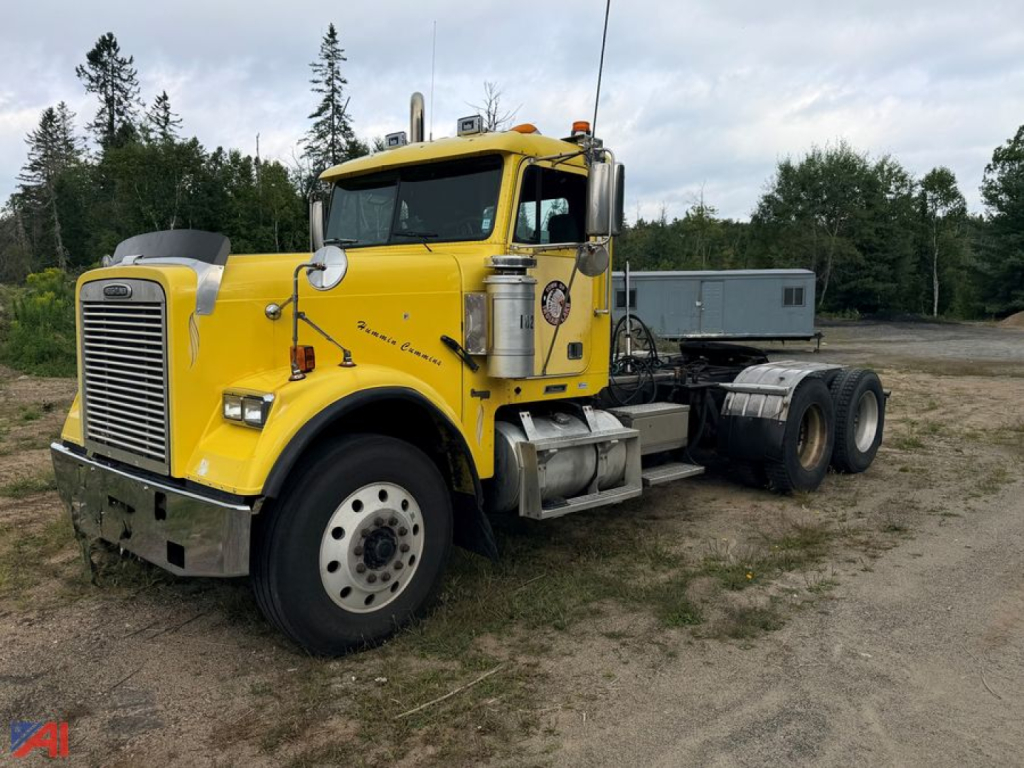
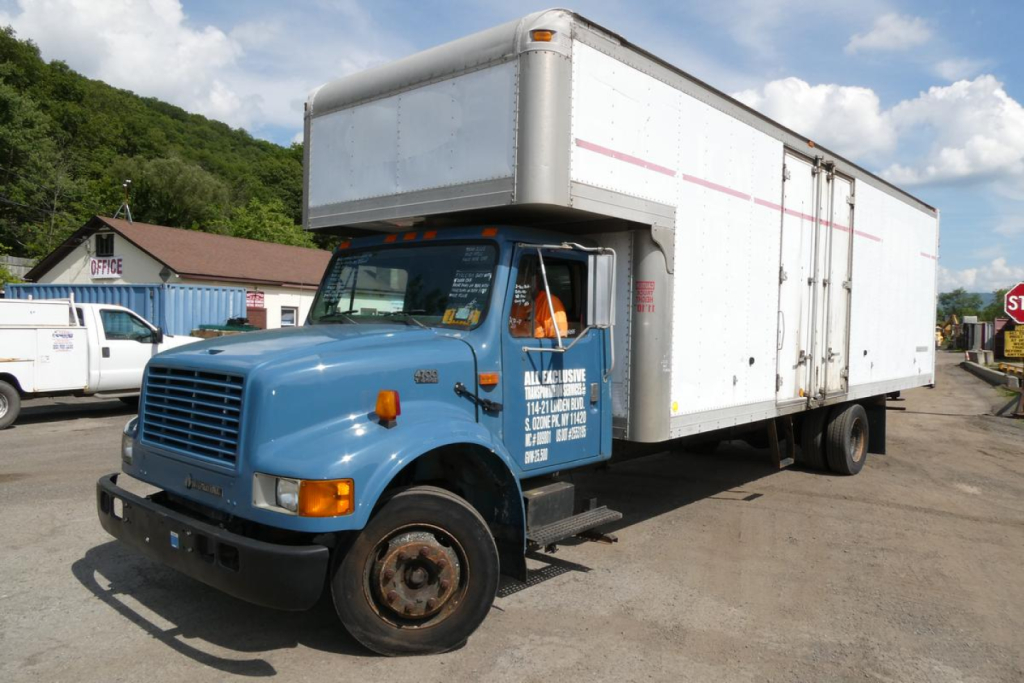
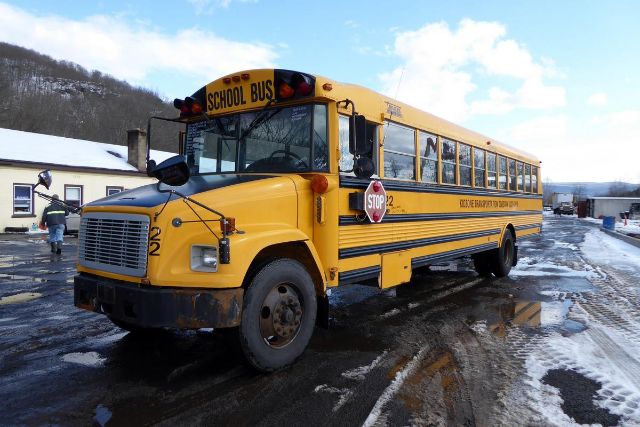
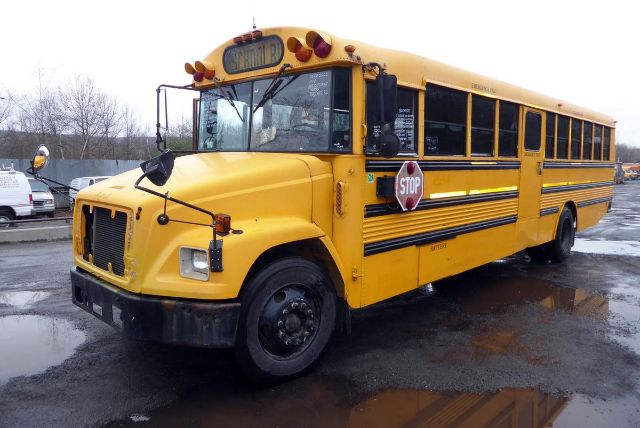
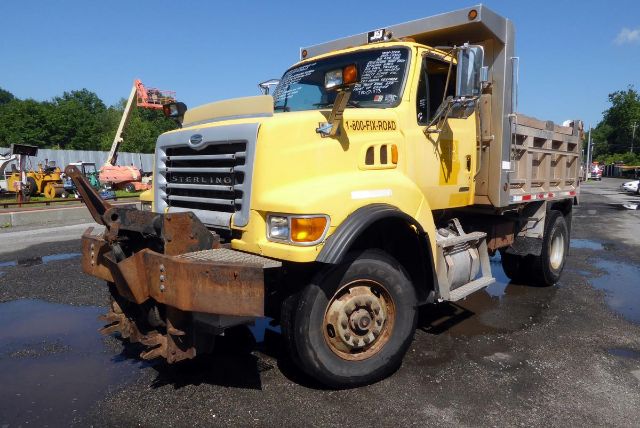
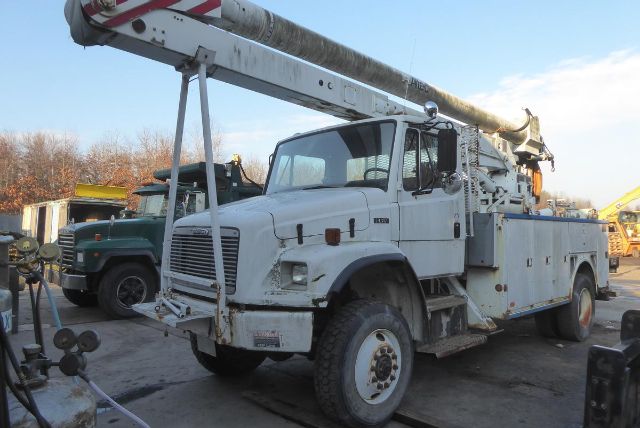
Have used 2002 commercial truck to sell? List it here to reach thousands of buyers.
Used 2002 Commercial Trucks in New York
Chassis integrity drives residual value and uptime. Inspect heat treated frame rails for scaling and pitting, pay attention to flanges around suspension hangers and steering gear mounts. Aluminum wheels and hubs can trim weight, but fastener interfaces need to be clean to prevent galvanic corrosion after years of salt exposure. Floor strength is critical on box and flatbed trucks, look for 1.25 inch laminated or oak floors with 12 inch crossmember spacing if you run forklifts, many forklift rated floors support 6,000 to 8,000 pound axle loads, confirm the rating on the body tag. Dump bodies often use 3⁄16 to 1⁄4 inch steel or AR400 in high wear zones, watch for thin spots near the tailgate and doghouse. Flatbeds with apitong or aluminum plank decks resist moisture well, but loose stake pockets and bent sills signal heavy point loading.
Thermal integrity matters if you are evaluating a reefer or insulated box. Older foam can absorb moisture, which lowers R value, so check wall and roof panels for delamination, door seals for compression set, and scuff liners for gaps that telegraph impact damage to the insulation pack. Pull a heat soak test, the box should hold setpoint with reasonable unit load and door cycles, and the reefer’s condenser and evaporator coils should be clean and leak free. On non reefer trucks, evaluate engine cooling systems under grade, verify steady coolant temps, stable fan cycling, and a tight charge air cooler to protect turbochargers and maintain fuel economy.
Tare weight and corrosion resistance decide payload and lifecycle costs. Pre aftertreatment 2002 platforms often weigh 400 to 1,000 pounds less than later DPF equipped models, spec choices can push that spread, aluminum wheels, single 150 gallon tanks and air ride suspensions all influence scale tickets. In New York, road salt accelerates corrosion, inspect cab mounts, crossmembers, fifth wheel plates on tractors, air tanks and brake chambers, and look for harness repairs near frame routing clips. A clean undercarriage, intact paint on frame rails, and stainless or composite plumbing indicate better long term durability. Confirm New York State inspection status, review ECM reports for idle percentage and overspeed, run a blow by test and oil analysis, and match GVWR, axle ratings and wheelbase to your payload and bridge needs before committing.
Frequently Asked Questions about Used 2002 Commercial Trucks in New York
Are 2002 diesel trucks considered pre emissions, and what does that mean for ownership in New York
Many 2002 model year trucks are pre aftertreatment, they do not use DPF or SCR. Some late build 2002 engines adopted cooled EGR to meet October 2002 EPA standards, so verify by engine tag and ECM. Pre aftertreatment trucks typically have lower tare weight, simpler maintenance and fewer sensors, but they rely on clean fuel, healthy injectors and strong cooling systems. New York does not require diesel emissions testing for heavy duty trucks in the same way as light duty, but safety and opacity rules apply, so keep the engine in good tune and ensure there are no visible smoke issues.
What floor specs should I look for on a 2002 box truck if I load with a forklift
Target a forklift rated floor, commonly 1.25 inch laminated hardwood over closely spaced crossmembers, 12 inches on center is typical for heavier service. Look for a body tag listing the forklift axle rating, many are 6,000 to 8,000 pounds. Check for crushed boards at the rear threshold, loose fasteners at the sills, worn scuff liners and daylight at seams. A straight rear sill and square door opening help prevent point loading that can split boards. If the truck uses aluminum I beam crossmembers, confirm there are steel wear plates at the dock transition.
How can I evaluate thermal integrity on a 2002 reefer or insulated body before buying
Inspect for delamination or water intrusion in wall and roof panels, look for stained seams and soft spots. Close the doors for a few minutes, then feel for warm air leaks at gaskets and around the floor drain area. Run the unit to confirm it pulls down to setpoint in a reasonable time, holds temperature with the doors shut, and cycles normally. Review the reefer hour meter, high standby to road hour ratios can indicate lots of short runs. Clean condenser fins, tight belts, and a leak free evaporator are good signs, and a thermal camera can quickly reveal cold bridges in older foam.
How does tare weight on a 2002 truck compare to newer models with aftertreatment
All else equal, many 2002 spec trucks weigh 400 to 1,000 pounds less than comparable late model units that carry DPF, DOC and SCR hardware, extra sensors and heavier mounting. Actual spread depends on wheelbase, sleeper size, fuel capacity, axle ratings, wheels and frame reinforcement. If payload is tight under New York bridge limits, consider aluminum wheels, smaller fuel tanks with optimized route refueling, and a lighter suspension, while still keeping the frame section modulus and axle ratings that your freight requires.
What corrosion issues are most common on New York 2002 trucks and how can I mitigate them
Expect frame rail scaling near suspension hangers, rust at cab mounts and steps, seized brake hardware, pitted aluminum around dissimilar metal fasteners, and harness corrosion at frame clips. Mitigation starts with a thorough wash, steam clean the frame, treat scale, then prime and topcoat. Replace rubber frame isolators and grommets, reroute or sleeve chafe points, and use dielectric grease on connectors. Stainless fasteners, zinc rich primers and regular underbody rinsing after storms extend life. Inspect air tanks and lines for external rust and internal moisture to protect valves and modulators.