
Used 2006 Commercial Trucks For Sale in New York
Browse used 2006 trucks for sale in New York, including day cabs, cabovers, box trucks, reefer trucks, and vocational work trucks.
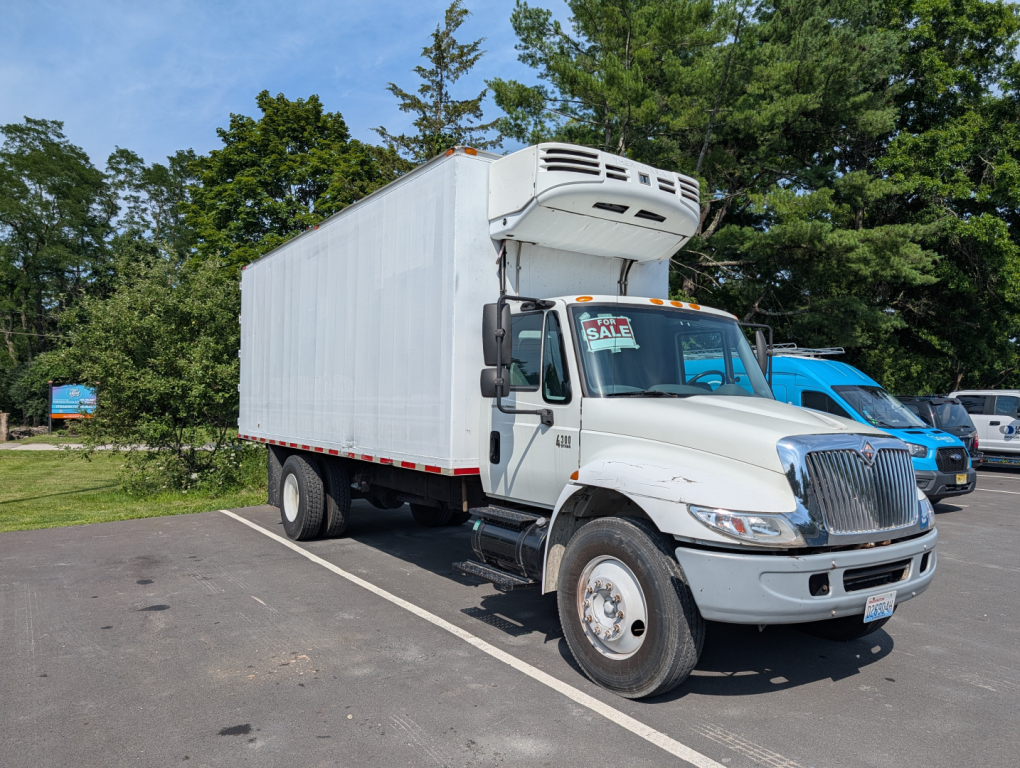
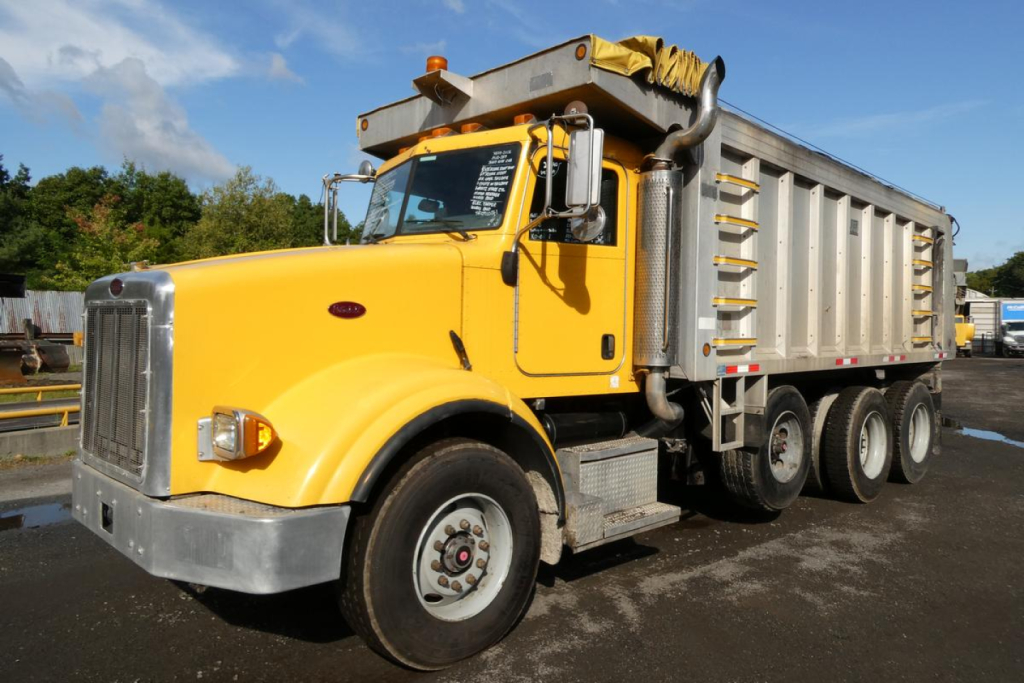
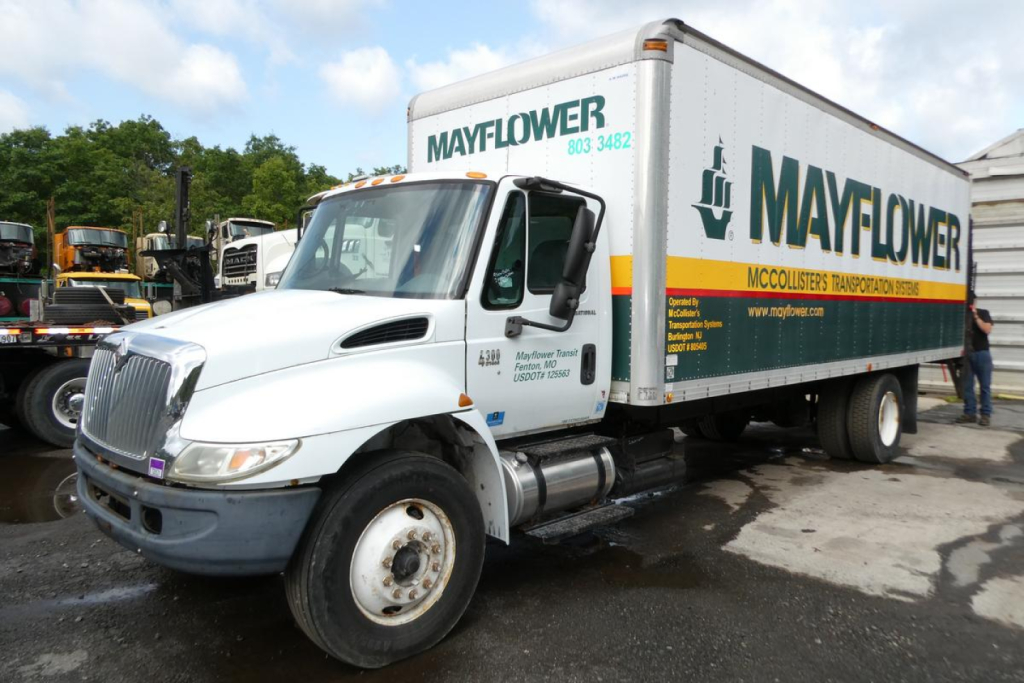
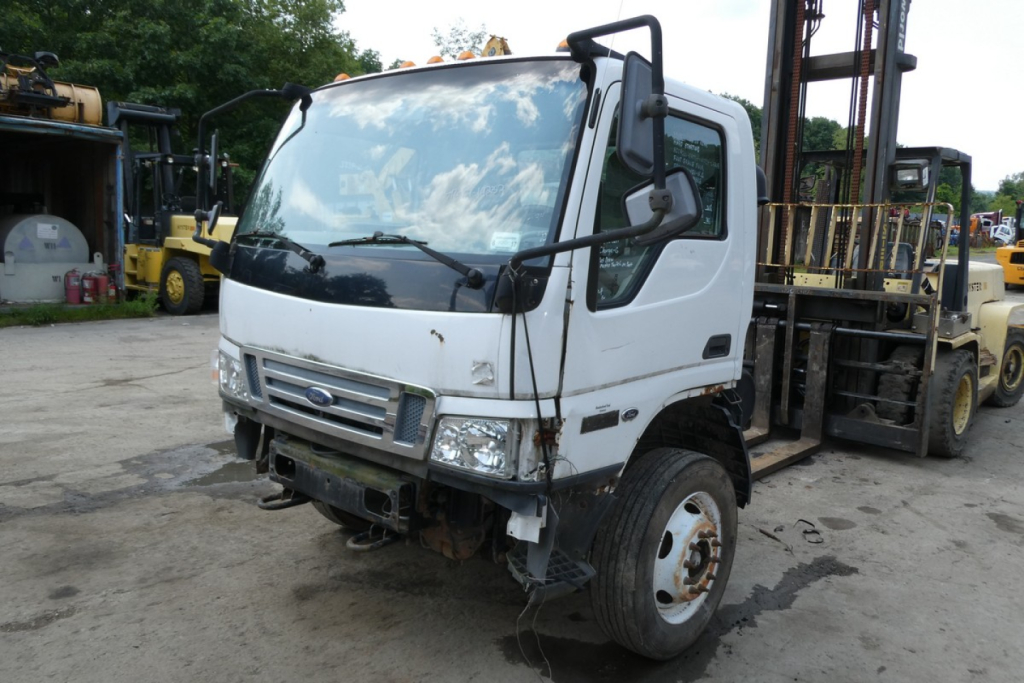
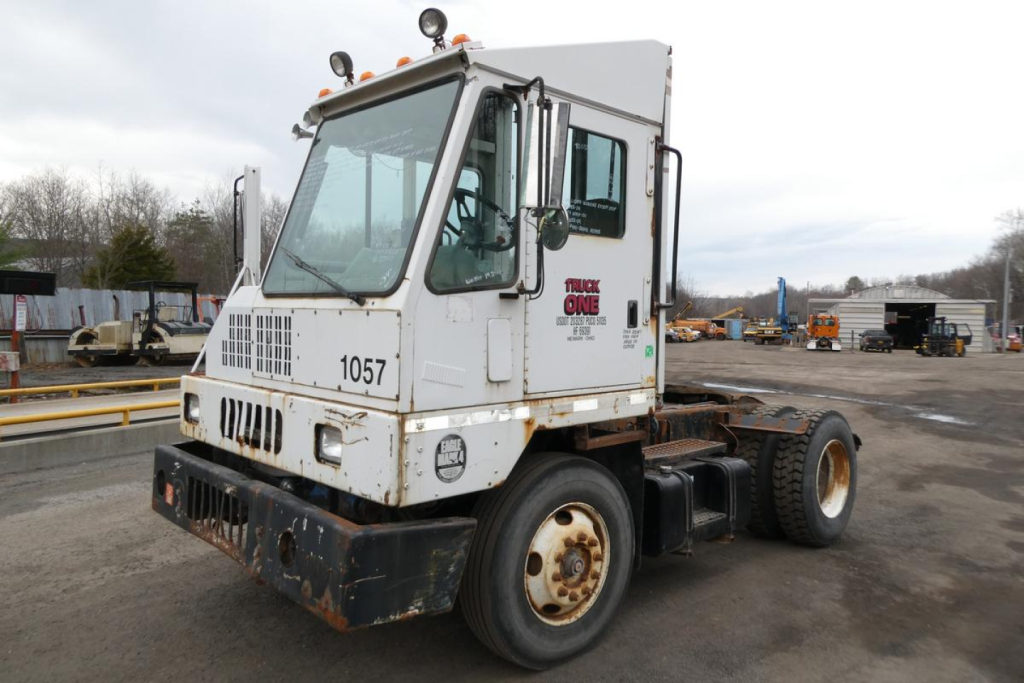
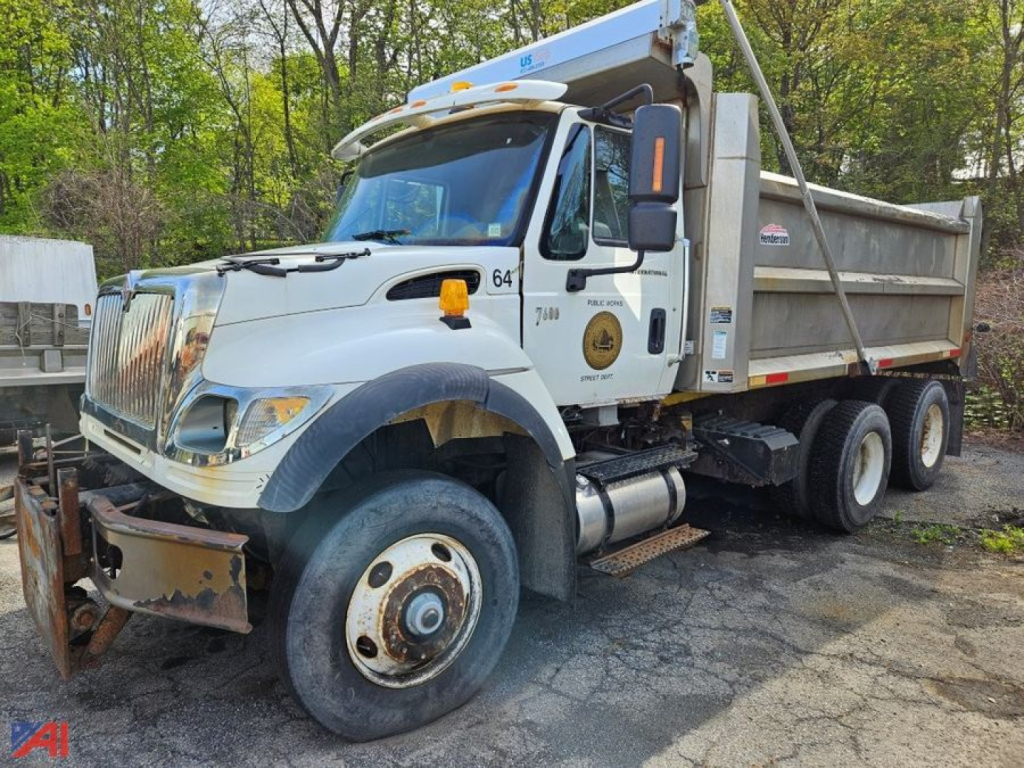
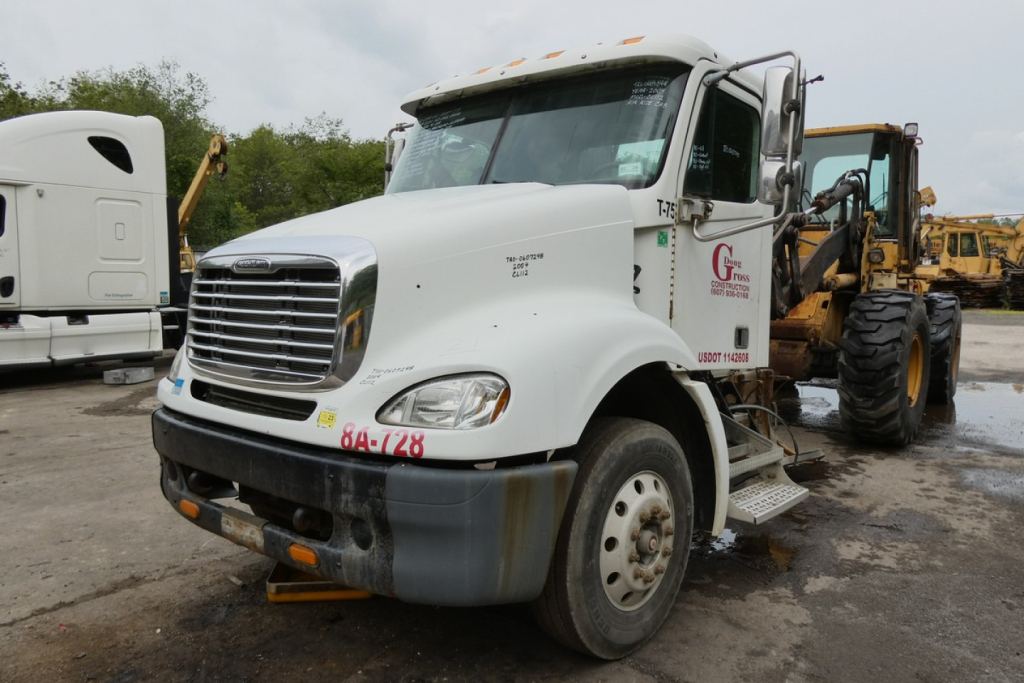
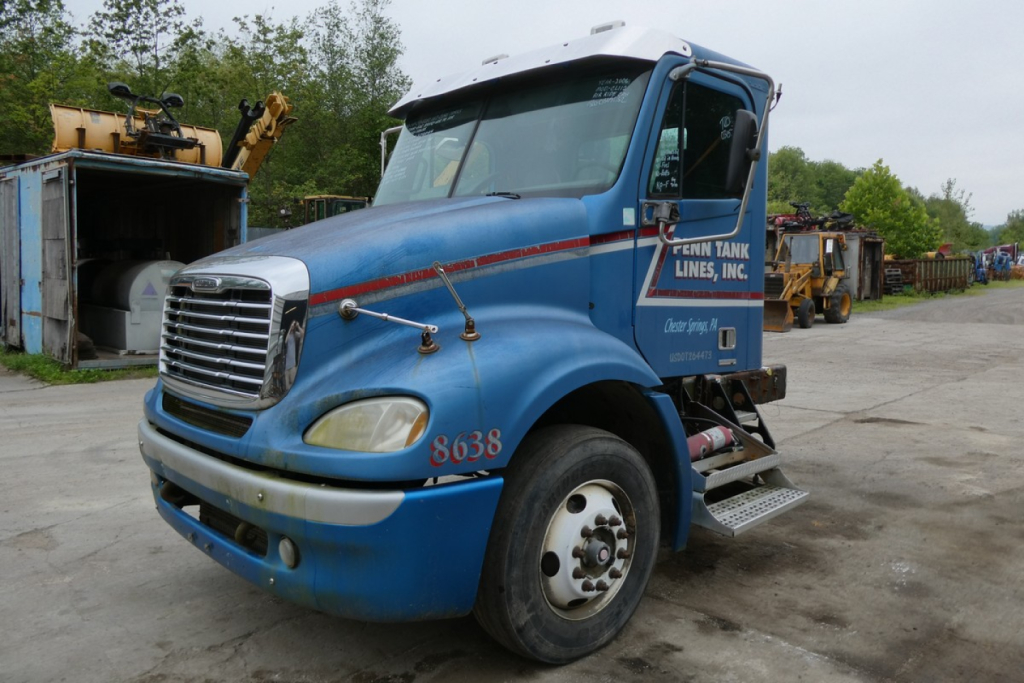
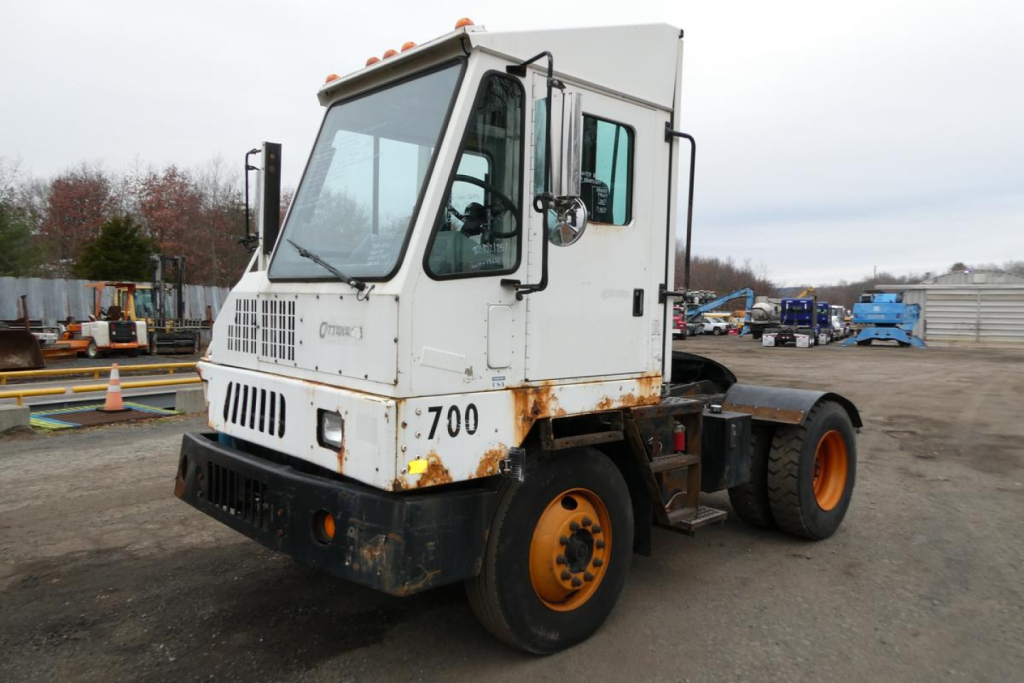
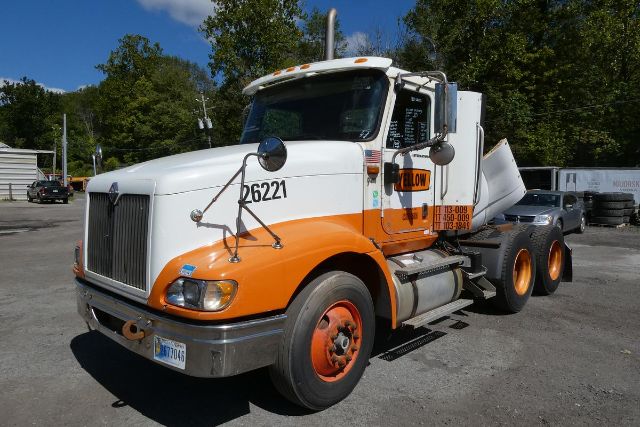
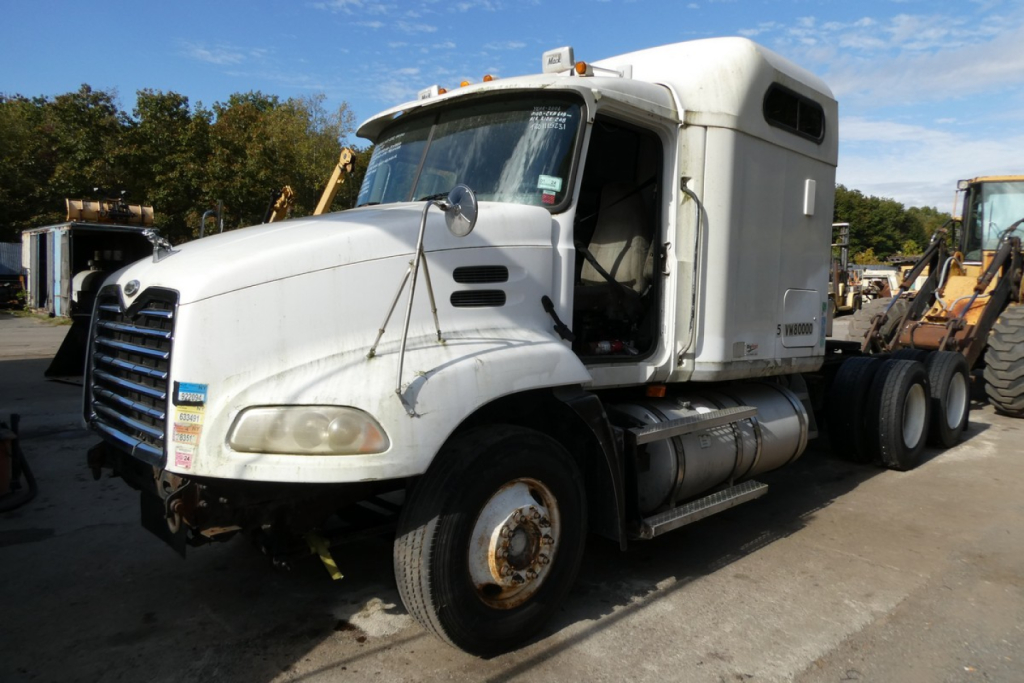
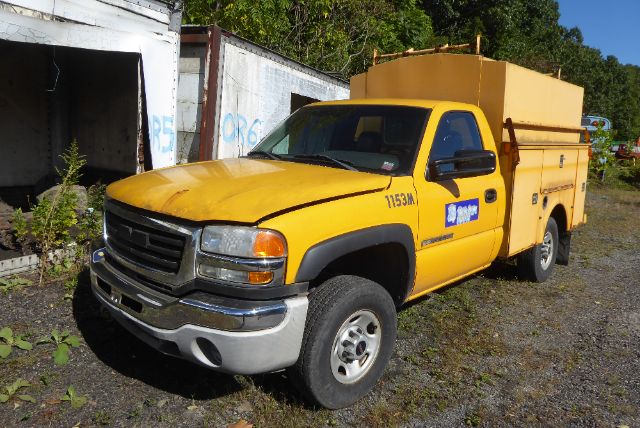

Selling a used 2006 commercial truck? List your used 2006 commercial truck for sale and reach thousands of commercial buyers.
Used 2006 Commercial Trucks in New York
The first buying decision is usually truck type. A 2006 conventional day cab is often chosen for local and regional freight, container drayage, equipment moves, and dump or vocational conversions. Buyers typically compare axle configuration, wheelbase, rear ratio, suspension type, and PTO provisions. Tandem-axle day cabs with 40,000 lb rears, 10-speed transmissions, and 12,000 lb front axles are common in heavy local service, while single-axle tractors and straight trucks are better suited to lighter payloads and tighter urban work. In New York, maneuverability matters. Cabovers and shorter wheelbase trucks are easier to place in city loading zones, older industrial sites, and dense Northeast streets where turning radius can be more important than maximum body length.
Condition and maintenance history are usually more important than mileage alone on a used 2006 truck. Buyers should look closely at engine family, transmission model, brake type, suspension wear, frame condition, and cab corrosion, especially on Northeast trucks exposed to road salt. On tractors, check the fifth wheel type, frame drill pattern, and cab-to-axle measurement if a body or equipment swap is planned. On straight trucks, pay attention to body length, door configuration, liftgate capacity, reefer hours if equipped, floor condition, and signs of previous overloading. Tire size, wheel type, and axle ratings also affect operating cost and legal payload. A well-kept older truck with documented service, solid crossmembers, and a clean driveline can be a better value than a newer truck with deferred maintenance.
New York buyers also need to think about registration class, bridge laws, route restrictions, and the availability of parts and service support for older platforms. Common engines and transmissions from Cummins, Volvo, Eaton Fuller, Meritor, Hino, and similar major suppliers are generally easier to support than uncommon specs. If the truck will run local delivery, reefer routes, tree work, or municipal duty, it makes sense to buy around the exact application instead of shopping by year alone. The right used 2006 truck is usually the one with the correct axle rating, wheelbase, body setup, and maintenance profile for the work you expect it to do every day.
Frequently Asked Questions about Used 2006 Commercial Trucks in New York
What should I inspect first on a used 2006 truck?
Start with the frame, engine, transmission, and axle ratings. On a 2006 truck, visible rust, crossmember damage, fluid leaks, blow-by, suspension wear, and brake condition tell you more than cosmetics. If it is a straight truck, inspect the body, floor, liftgate, doors, and mounting points. If it is a tractor, inspect the fifth wheel, frame rails, driveline, and any PTO equipment. Service records and evidence of consistent maintenance are major value indicators on trucks of this age.
Is a 2006 truck still a good choice for local or regional work?
A 2006 truck can still be a cost-effective choice for local and regional service if the spec matches the job and the truck has been maintained properly. Many buyers use this model year for short-haul freight, box truck delivery, refrigerated routes, municipal work, and vocational applications where lower acquisition cost matters more than the latest cab features. The truck's uptime history, parts support, and overall mechanical condition are more important than the year by itself.
What specs matter most when comparing used 2006 trucks in New York?
Wheelbase, axle configuration, GVWR, rear axle ratio, transmission type, and body dimensions are the main comparison points. In New York, shorter wheelbase trucks and cabovers often have an advantage in tight city service, while tandem tractors and heavier straight trucks are better for construction, equipment hauling, or higher payload work. Buyers should also compare corrosion exposure, brake type, tire size, and whether the truck's dimensions and registration class fit the intended routes and load profile.
Are parts still available for most 2006 trucks?
Parts availability is generally good for 2006 trucks built with major drivetrain and chassis components from widely supported manufacturers. Engines from Cummins, Volvo, and Hino, along with Eaton Fuller, Meritor, and other common suppliers, are usually easier to service than low-production or highly specialized configurations. The body and auxiliary equipment can be harder to source than the base truck, so reefer units, liftgates, PTO systems, and vocational attachments should be evaluated separately.
How do I choose between a 2006 day cab, cabover, or straight truck?
Choose based on route pattern, payload, and loading environment. A 2006 day cab tractor is best when you need to pull different trailers or work in fleet tractor service. A cabover is useful for dense urban delivery because of its tight turning radius and short overall length. A straight truck with van, reefer, or vocational body is the better fit when the cargo or equipment setup stays dedicated to one application. Matching the truck layout to the daily work cycle usually saves more money than chasing extra horsepower or cosmetic upgrades.