
Used 2006 Conventional Daycab Trucks For Sale in New York
Browse used 2006 conventional daycab trucks for sale in New York, including spec insights on engines, wheelbase, axles, transmissions, and duty cycle.
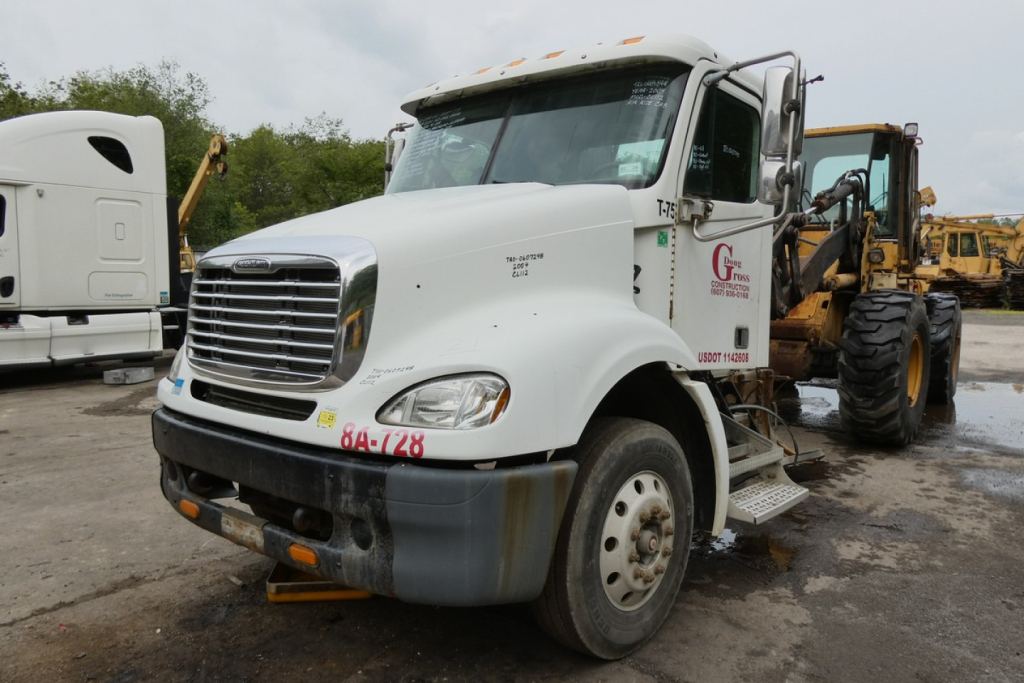
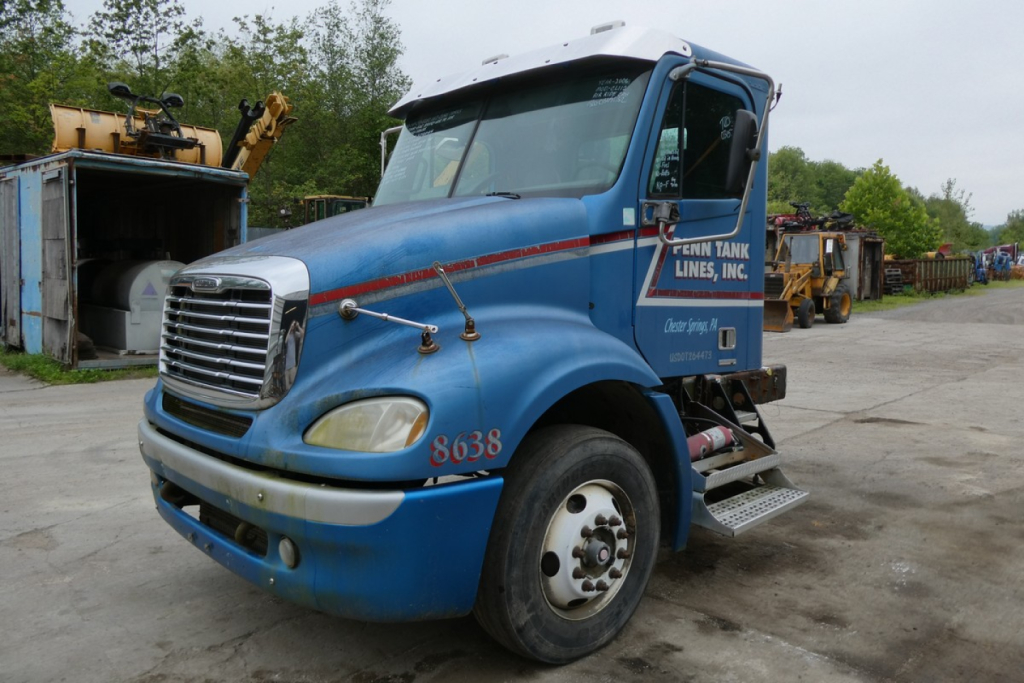
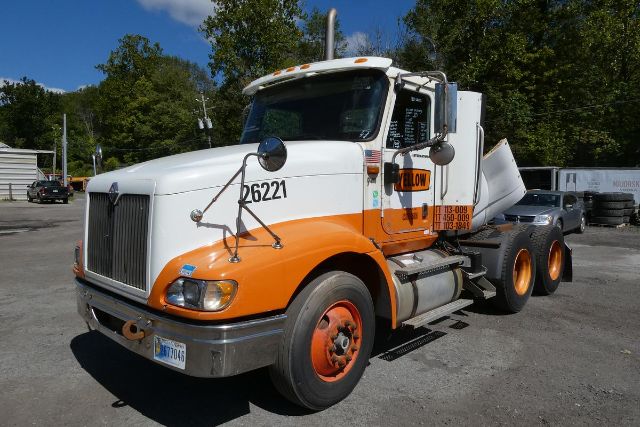
Selling a used 2006 conventional daycab truck? List your used 2006 conventional daycab truck for sale and reach thousands of commercial buyers.
Used 2006 Conventional Daycab Trucks in New York
Wheelbase, rear axle rating, and fifth wheel setup should be matched to the work before focusing on brand preference. A shorter wheelbase daycab, often in the 150 to 180 inch range, is easier to maneuver in tighter urban and terminal environments, while longer wheelbases can better support bridge law spacing, heavier front-mounted equipment, or specific trailer clearance needs. Most conventional daycabs in this class carry a 12,000 to 13,200 lb front axle and tandem rears rated around 23,000 to 40,000 lb, with air ride suspensions common on highway tractors and heavier vocational configurations using stronger rear capacities and lower gearing. Buyers should also verify whether the truck has a stationary or air-slide fifth wheel, single or double frame, PTO provisions, and a cab-to-axle dimension that fits the intended body or trailer application.
The transmission and ratio combination tells you a lot about how the truck was intended to work. In the 2006 market, manual 9-speed, 10-speed, 13-speed, and 18-speed transmissions are common, and they remain attractive to buyers who want straightforward serviceability and lower replacement cost. Rear ratios such as 3.55, 3.70, or 3.90 are typical on local and heavier-pull applications, while faster ratios can favor fuel economy on regional highway use. Engine brake performance, power divider function, suspension condition, and brake type all deserve close attention on a used daycab, particularly if the truck has seen stop-and-go service. A high-mileage 2006 daycab can still be a solid earner if maintenance history, ECM data, frame condition, clutch or transmission health, and emissions configuration line up with the job.
For New York buyers, corrosion, idle hours, and prior fleet service history often deserve as much scrutiny as odometer miles. Salt exposure can affect frame rails, crossmembers, brake and air system components, battery boxes, and cab mounts, so a thorough undercarriage inspection is important. It also pays to confirm tire size, wheel type, fairing height, and overall tractor weight if the truck will be used in weight-sensitive operations. The best used 2006 conventional daycab trucks are usually the ones with the clearest application match: enough axle and suspension for the load, the right wheelbase for the route, and a drivetrain spec that supports your fuel, maintenance, and driver requirements.
Frequently Asked Questions about Used 2006 Conventional Daycab Trucks in New York
What is a conventional daycab truck used for?
A conventional daycab truck is a highway-style tractor with a hood and no sleeper compartment, built for local, regional, and vocational work that does not require overnight lodging in the truck. Common applications include container drayage, regional van and flatbed hauling, dump and equipment trailer pulling, terminal switching, and dedicated route work where maneuverability and lower curb weight matter more than sleeper space.
Why do buyers still look for used 2006 daycab trucks?
Many buyers target 2006 trucks because they are typically from the pre-2010 emissions era, and in many cases they avoid the added complexity of later DEF systems. That can mean a lower purchase price, a simpler service profile, and easier fit for fleets that maintain their own equipment. The tradeoff is age, mileage, and potential wear, so condition, engine platform, and maintenance records are more important than model year alone.
What specs matter most on a used conventional daycab?
The most important specs are wheelbase, front and rear axle ratings, suspension type, transmission, rear axle ratio, and fifth wheel configuration. Those determine how the truck will maneuver, what trailers it can handle, how it pulls under load, and how well it fits a specific route or duty cycle. Buyers should also review engine hours, brake type, PTO capability, cab-to-axle measurement, and frame setup because those details affect both application fit and long-term operating cost.
Is a shorter or longer wheelbase better on a daycab truck?
Neither is universally better. A shorter wheelbase is usually preferred for city work, tighter docks, and port operations because it turns easier and is simpler to position. A longer wheelbase may be the better choice for heavier trailer work, bridge law spacing, specialized equipment mounting, or applications that need more frame length behind the cab. The correct answer depends on trailer type, route restrictions, and weight distribution requirements.
What should I inspect on a used 2006 daycab in New York?
In New York, buyers should pay close attention to corrosion on the frame, crossmembers, brake components, air tanks, suspension mounts, and wiring due to winter road treatment and moisture exposure. It is also smart to compare odometer miles to ECM miles and engine hours, inspect for air and oil leaks, verify engine brake operation, check clutch or transmission performance, and confirm the truck's emissions and registration suitability for the intended operating area. A clean undercarriage and a service history often tell more about a used daycab than the badge on the hood.