
Used 2006 Conventional Daycab Trucks For Sale
Shop used 2006 conventional daycab trucks. Compare wheelbase, axle ratings, engine, transmission, and 5th wheel setup for regional hauling.
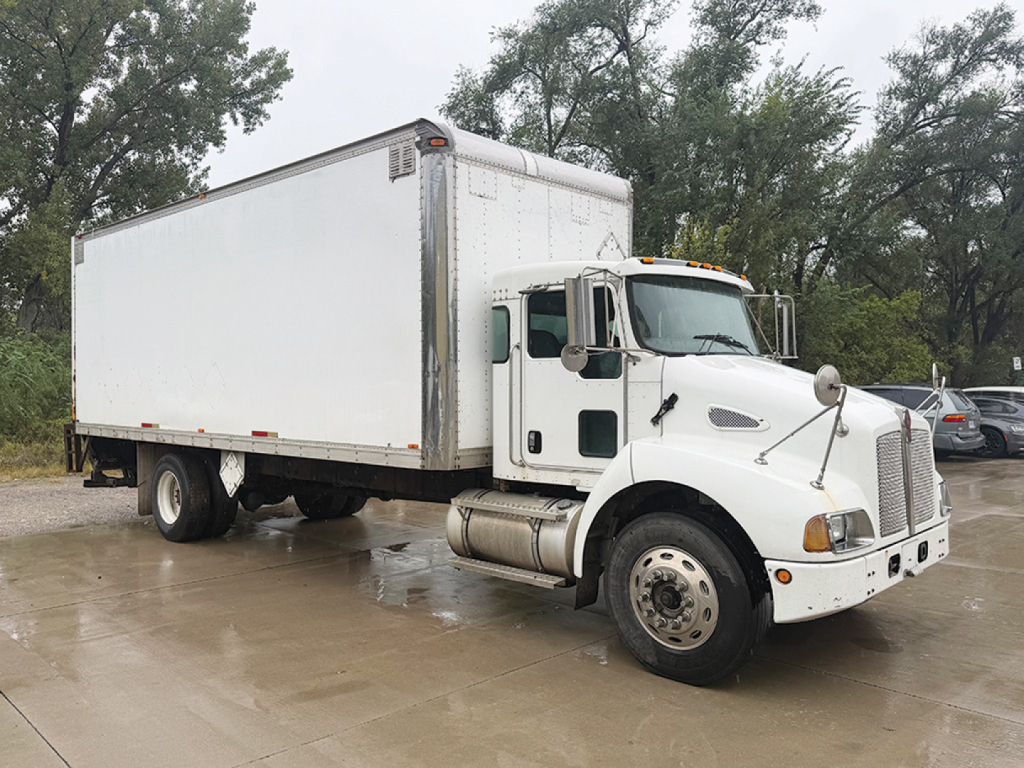
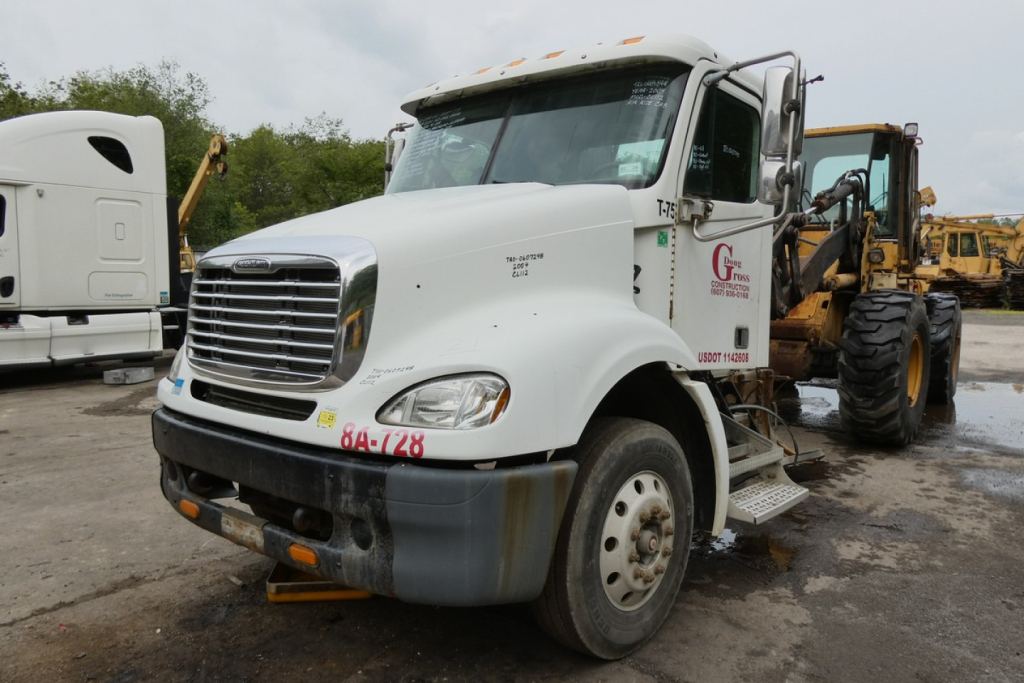
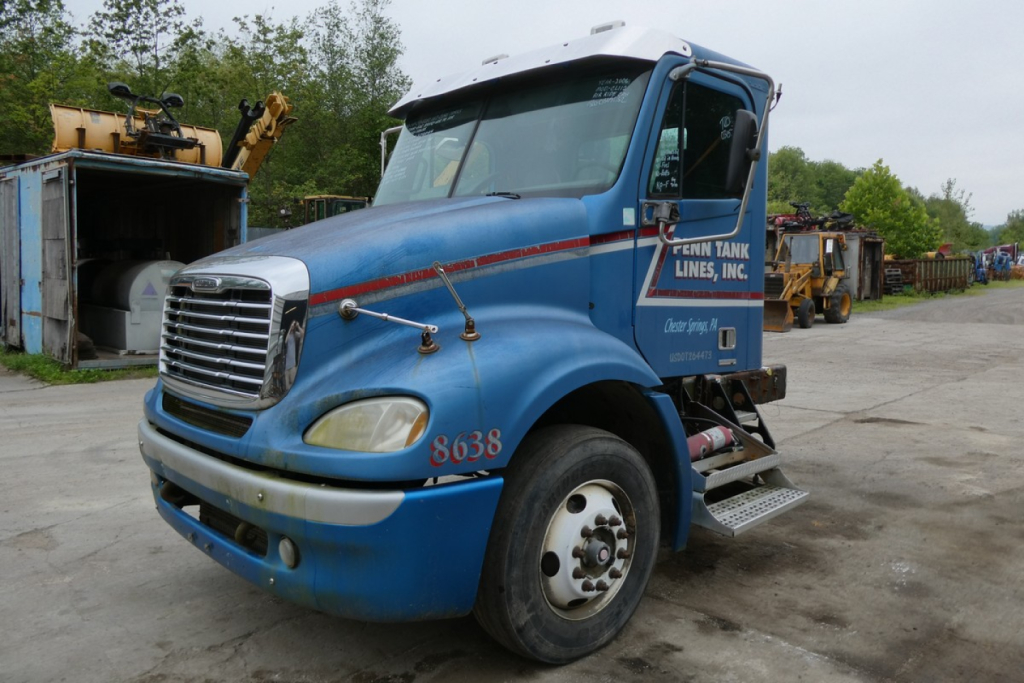
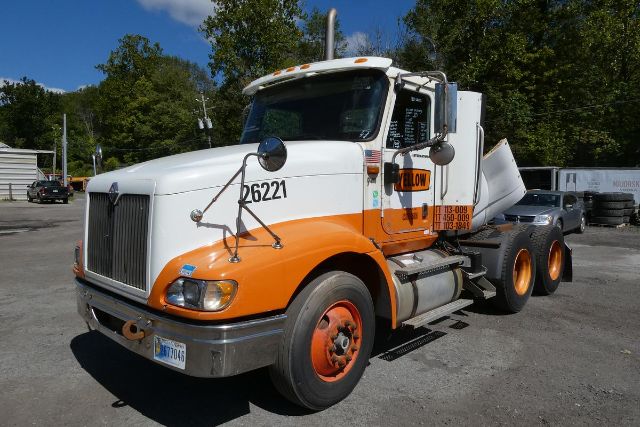
Selling a used 2006 conventional daycab truck? List your used 2006 conventional daycab truck for sale and reach thousands of commercial buyers.
Used 2006 Conventional Daycab Trucks
The first buying decision is usually drivetrain and axle spec. Many 2006 daycabs were ordered with 10-speed manual transmissions, though automated manuals and full automatics can appear depending on application. Rear axle ratings often range from lighter single-axle setups for regional van and flatbed work up to tandem 40,000 lb rears for heavier trailer service. Wheelbase, cab-to-axle, and kingpin setting matter more on a daycab than many buyers expect because they directly affect trailer swing clearance, bridge law compliance, and turning radius. A shorter wheelbase works well in urban and yard-intensive service, while a longer wheelbase can improve ride quality and allow larger fuel capacity.
Engine spec is another key point on a used 2006 conventional daycab. This model year sits in an important emissions window, so buyers often pay close attention to engine family, maintenance history, and any emissions-related updates or deletions allowed by law in their jurisdiction. Common horsepower ratings in this class often fall in the 350 to 500 hp range, with torque selected to match route profile and gross combination weight. Check for engine brake performance, transmission clutch condition if manual, differential ratio, and suspension type such as air ride versus spring ride. Brake type, tire size, frame configuration, and 5th wheel style also affect how easily the truck can be matched to the trailers already in your operation.
On a used unit, cab condition and operating hours matter almost as much as mileage. A 2006 daycab that spent its life on short regional routes may show more clutch, suspension, and interior wear than a higher-mile truck used on steady highway runs. Look closely at the frame rails for corrosion or modifications, inspect the air system and steering components, and confirm that the wheelbase and 5th wheel travel suit your trailer mix. Buyers comparing used 2006 conventional daycab trucks should focus on application fit first, then service records, driveline spec, and signs of prior fleet maintenance, because the right spec will usually perform better and hold value longer than a truck bought only on price.
Frequently Asked Questions about Used 2006 Conventional Daycab Trucks
What is a conventional daycab truck used for?
A conventional daycab truck is built for tractor work that does not require a sleeper berth. It is commonly used for regional hauling, local delivery, drayage, tanker work, dump trailer service, flatbed routes, and dedicated lane operations. The shorter cab and typically shorter wheelbase make it easier to maneuver in tight yards, city streets, plants, and distribution centers.
Why do some buyers look specifically for a 2006 conventional daycab?
Many buyers target 2006 trucks because they often represent an earlier emissions-era spec with less aftertreatment complexity than newer models. That can be attractive for operations focused on lower acquisition cost, mechanical familiarity, and easier in-house maintenance. The tradeoff is age, so maintenance records, engine condition, and previous application are critical when evaluating any used 2006 truck.
What specs matter most when comparing used 2006 daycabs?
The most important specs are engine make and horsepower, transmission type, rear axle rating, axle ratio, wheelbase, suspension, brake configuration, and 5th wheel setup. Buyers should also confirm whether the truck is single-axle or tandem-axle, how it is geared for highway or local work, and whether the frame and kingpin settings match the trailers being pulled. These factors have a direct effect on payload, maneuverability, fuel economy, and driver acceptance.
Is a shorter wheelbase better on a daycab truck?
A shorter wheelbase is usually better for tight turning, dock access, port work, and city routes, but it is not automatically the best choice for every job. A longer wheelbase can improve ride quality, stability, and fuel tank capacity, and it may better fit certain trailer dimensions or bridge law requirements. The right wheelbase depends on trailer length, kingpin location, axle spread, and the type of terminals or job sites the truck will enter.
What should I inspect first on a used 2006 conventional daycab truck?
Start with the engine, transmission, rear ends, frame rails, and air system because those components drive repair cost and uptime. Then inspect steering wear, suspension bushings, brake condition, tire wear patterns, and signs of frame modifications or corrosion. Inside the cab, check switchgear, gauges, HVAC performance, seat condition, and odometer or engine hour consistency against service records.