
Used Chevrolet Commercial Trucks For Sale in New York
Used Chevrolet trucks for sale in New York, with expert guidance on payload, floor strength, thermal integrity, tare weight, and corrosion resistance.
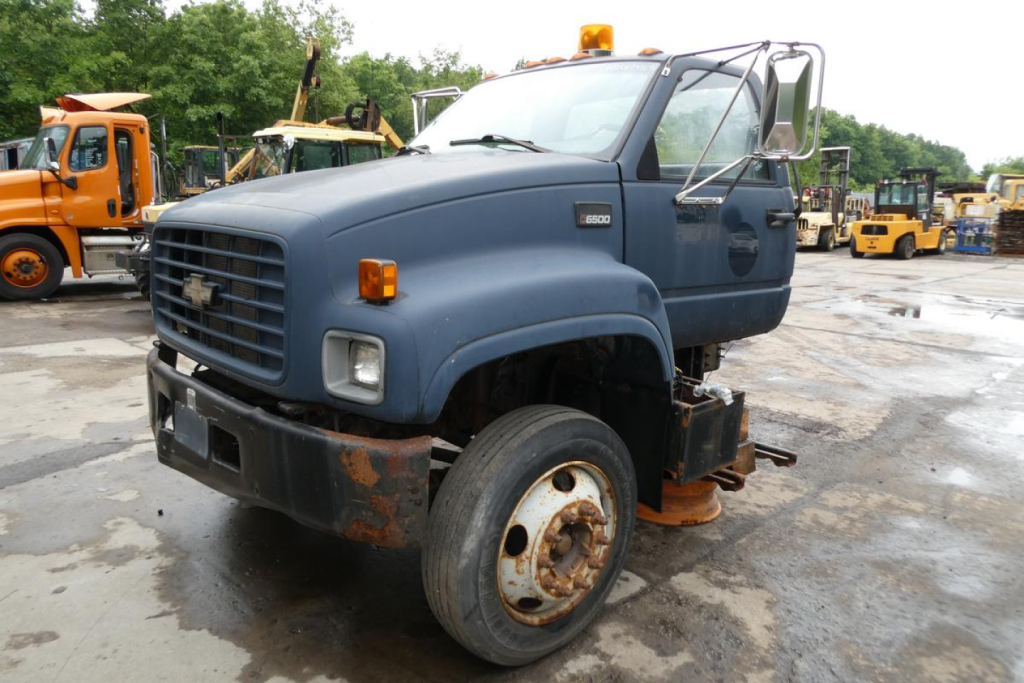
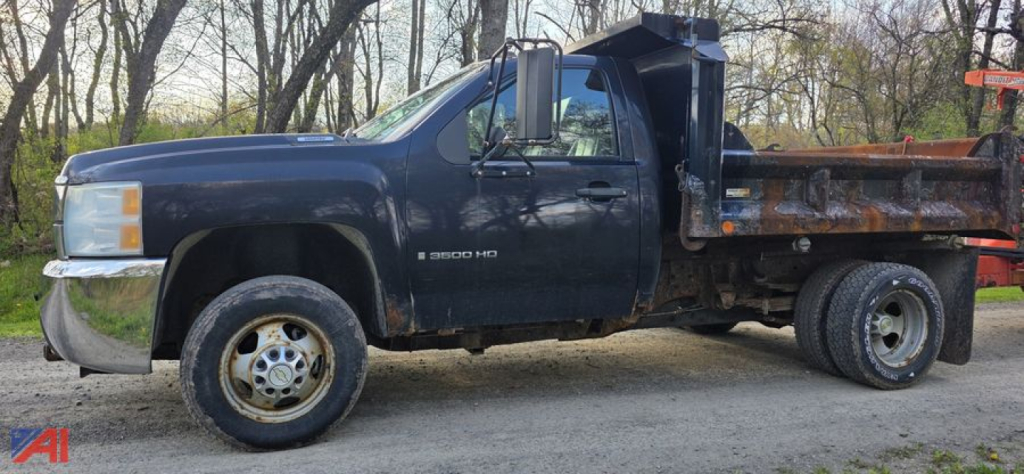
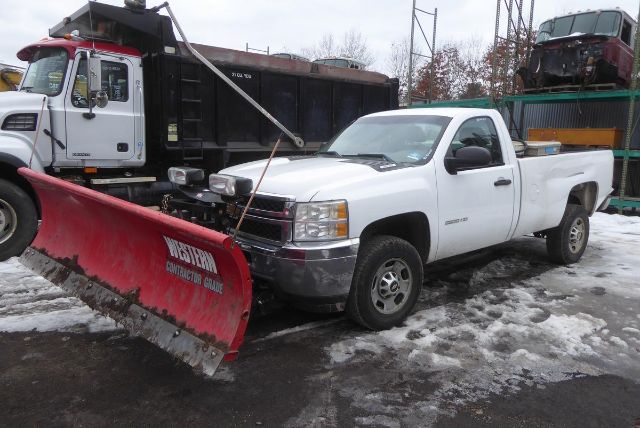
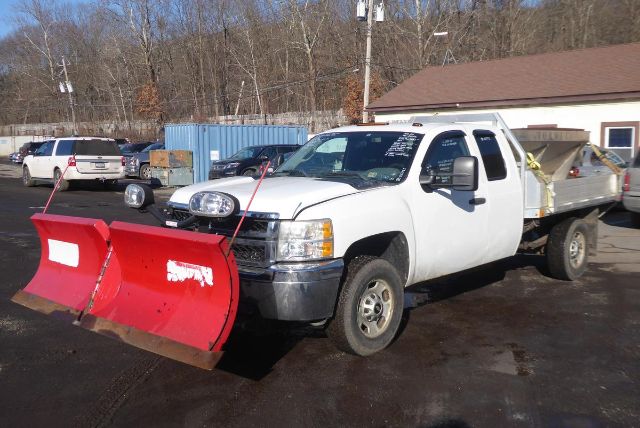
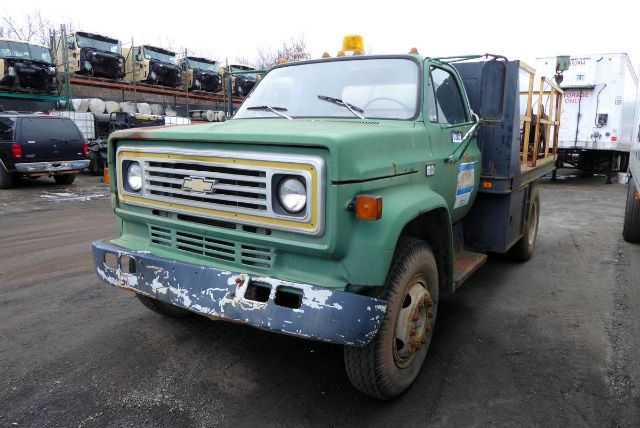

Selling a used chevrolet commercial truck? List your used chevrolet commercial truck for sale and reach thousands of commercial buyers.
Used Chevrolet Commercial Trucks in New York
Floor strength separates a good truck from a costly rebuild. Pickup beds use high strength steel with roll formed floors, add a spray in liner or a steel plate if you frequently load with a skid steer or pallet jack. Dry van and box bodies on Chevrolet cab and chassis typically use 1 to 1.5 inch laminated hardwood floors with forklift ratings, look for crossmember spacing of 12 inches for heavy pallet work, aluminum or steel threshold plates, 12 to 16 inch scuff liners, and intact logistic posts or e track for load securement. Flatbeds and stake bodies benefit from closer crossmember spacing and hardwood or composite decking, aluminum decks save weight but dent more easily, steel decks resist point loads but add tare. Dumps need stout hoists and tight hinge points, inspect floor thinning at the center and tailgate seals.
Thermal integrity matters if the truck runs temperature controlled freight or sensitive cargo in New York seasons. Reefer bodies with foam in place polyurethane insulation, thermal breaks at door frames, and T or duct floors maintain even airflow. Check door seals, rear sill alignment, drain paths, and reefer unit hours, a tight box with good seals will cycle less and burn less fuel. For insulated dry vans or heated bodies, verify panel continuity, corner caps, and roof seams, look for moisture intrusion, delamination, or ice trails that signal air leaks. Bulkheads, strip curtains, and side door frames should be square and undamaged to preserve setpoint stability.
Tare weight influences payload, braking margin, and compliance. A 4x4 HD pickup can add 300 to 400 pounds, crew cabs add roughly 200 to 300, diesel powertrains add 300 to 500, aluminum wheels and bodies can remove 100 to 900 depending on configuration. Choosing an aluminum sheet and post box or a composite floor can free capacity for a liftgate or pallet jack, while steel bodies trade weight for durability. Corrosion resistance is critical in New York road salt, look for E coat or wax coated frames, galvanneal or powder coated service bodies, stainless fasteners, and sealed wire harnesses. Inspect frame rails around spring hangers, crossmembers, brake and fuel lines, DEF hardware, battery trays, and rear sills for scale or perforation. A clean undercarriage with documented wash and undercoating schedules, plus intact seam sealer and bed drain paths, will save you downtime and preserve residual value.
Frequently Asked Questions about Used Chevrolet Commercial Trucks in New York
What GVWR and payload ranges can I expect from used Chevrolet commercial trucks?
Silverado 1500 to 3500HD models typically span GVWRs from about 7,000 to around 14,000 pounds, with payloads that range from roughly 1,500 to over 7,000 pounds depending on cab, drivetrain, and bed. Medium duty 4500HD, 5500HD, and 6500HD cab and chassis commonly range from the mid 16,000s up to the mid 20,000s GVWR, payload varies widely with body type and wheelbase, but 8,000 to 12,000 pounds is common on properly spec’d units. Always verify door jamb labels, axle ratings, and completed body weight to calculate usable payload.
How do I evaluate floor strength on a used Chevy box truck or flatbed?
Start with the floor material and forklift rating, laminated hardwood in the 1 to 1.5 inch range with a 16,000 to 24,000 pound forklift rating is typical for heavy pallet work. Check crossmember spacing, 12 inch spacing is stronger than 16 inch, inspect scuff liners, threshold plates, and the rear sill for deflection or cracking. Look for delamination, cupping, screw pull through, and concentrated wear at pallet landing zones. On flatbeds, confirm deck thickness, steel or hardwood condition, stake pockets, rub rail integrity, and the absence of soft spots over outriggers.
What should I look for to confirm thermal integrity on a reefer body mounted to a Chevrolet chassis?
Inspect door seals, hinge alignment, and lock rods for tight closure, examine interior corners and roof seams for moisture or daylight. Foam in place insulation should be intact without bulging panels, T or duct floors should be straight with clear drain paths. Review reefer unit hours, maintenance records, and temperature recorder data if available, excessive run time can indicate air leaks or weak insulation. Check side door frames, bulkheads, and strip curtains, a square and well sealed box will pull down faster and consume less fuel in New York heat and cold.
How does tare weight vary across Chevrolet trucks and why does it matter in New York?
Tare weight rises with 4x4 drivetrains, crew cabs, diesel engines, steel bodies, liftgates, and auxiliary equipment like plow mounts. Reducing tare with aluminum bodies, aluminum wheels, or composite floors can recover hundreds of pounds of payload, which helps with bridge weight compliance and leaves more capacity for cargo or a larger fuel load. In New York, be mindful of registration class and highway use taxes at higher weights, a lighter but durable spec can lower operating cost without sacrificing performance.
What corrosion issues are common in New York and how can I mitigate them on a used Chevy truck?
Road salt and brine attack frame rails, spring hangers, brake and fuel lines, rear sills, battery trays, and wiring connectors. Upfit bodies can rust at door seams and under mounting points if isolators are missing. Look for E coat or wax coated frames, galvanneal or powder coated service bodies, stainless hardware, and intact seam sealer. Rinse the undercarriage regularly, apply a quality undercoating or oil based inhibitor, keep drain holes open, and repair chipped paint quickly to stop corrosion creep.