
Used Chevrolet Commercial Trucks For Sale
Compare used Chevrolet trucks, from Silverado 1500 to 6500HD chassis cabs. Evaluate frame strength, bed floors, payload, tare weight, and corrosion protection.
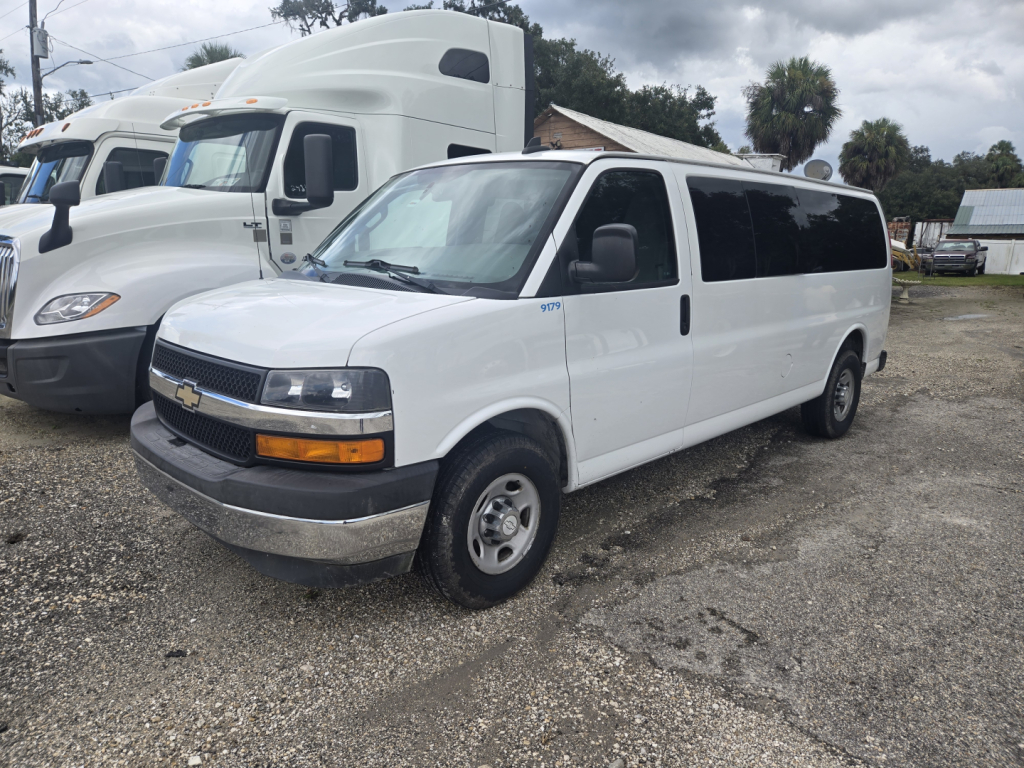

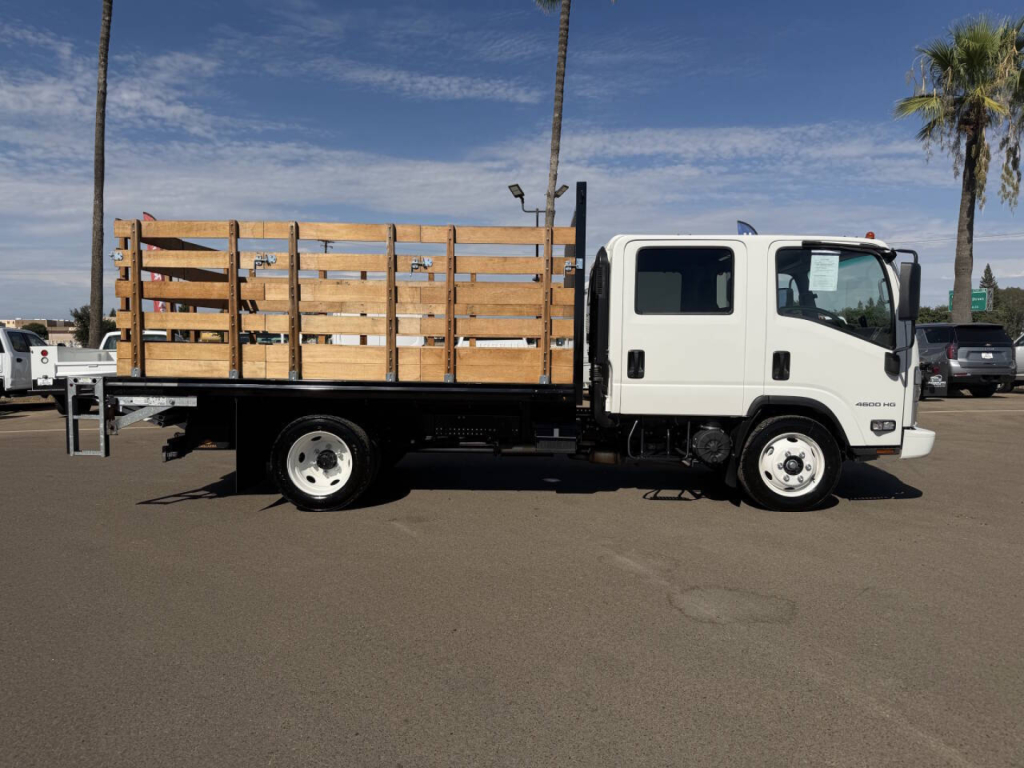

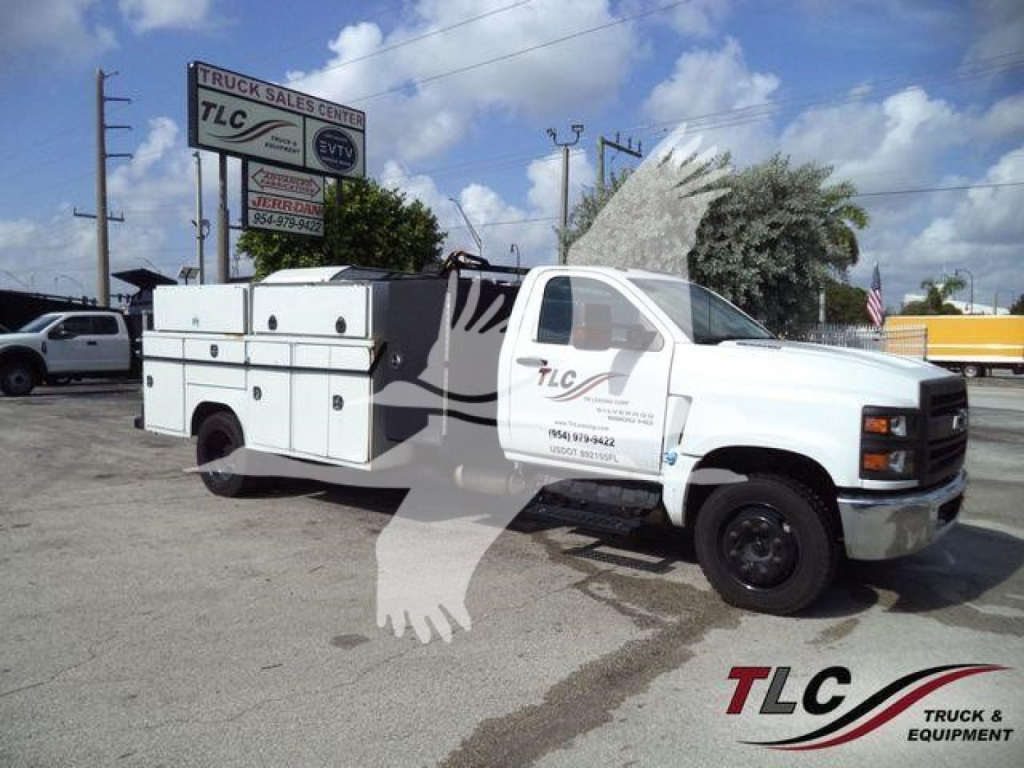
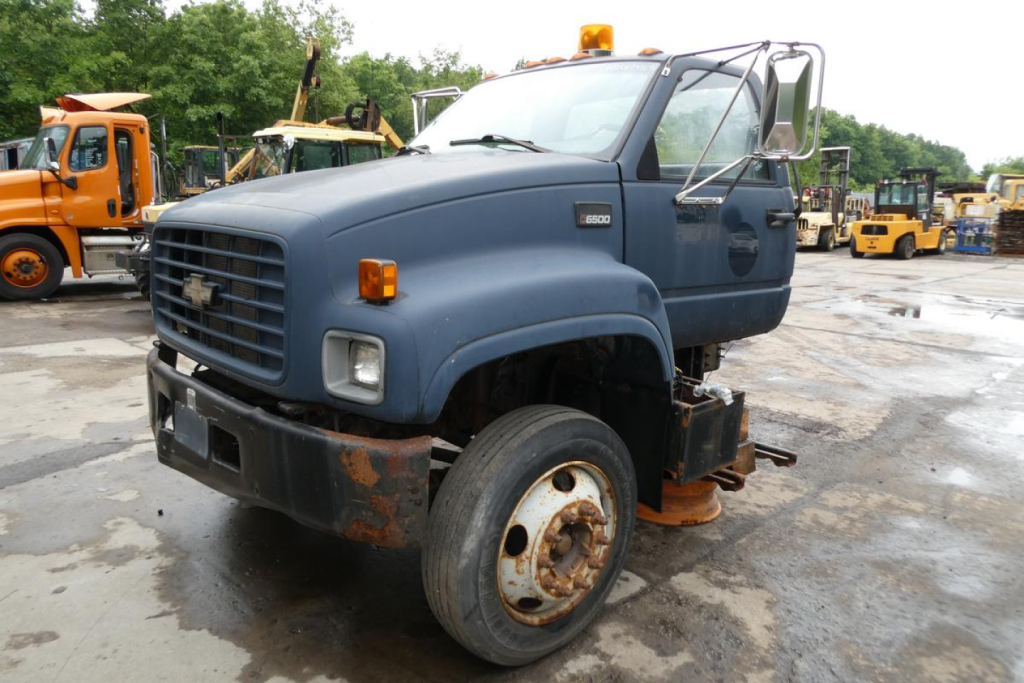
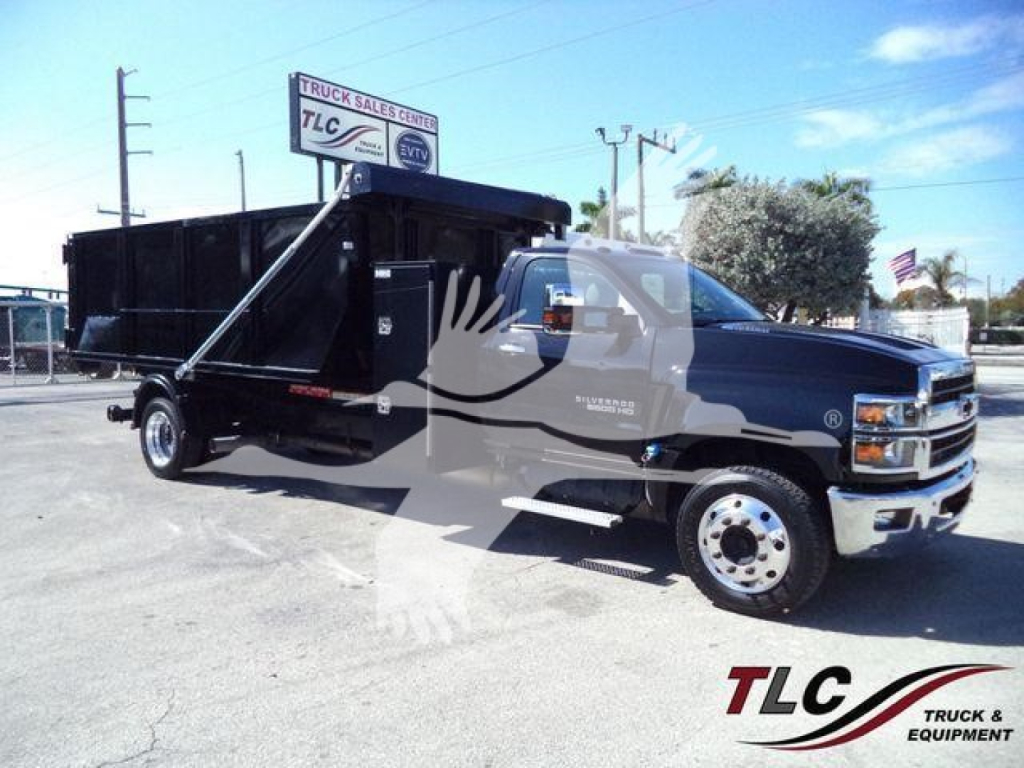
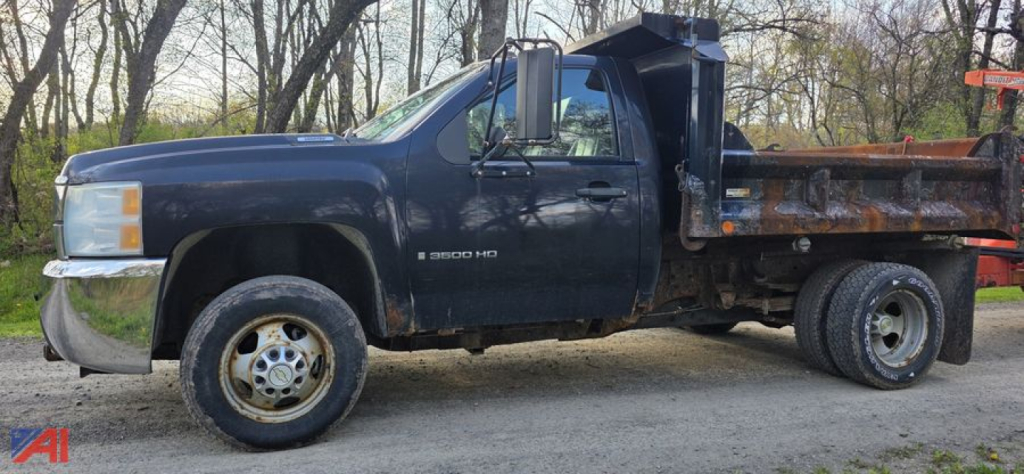
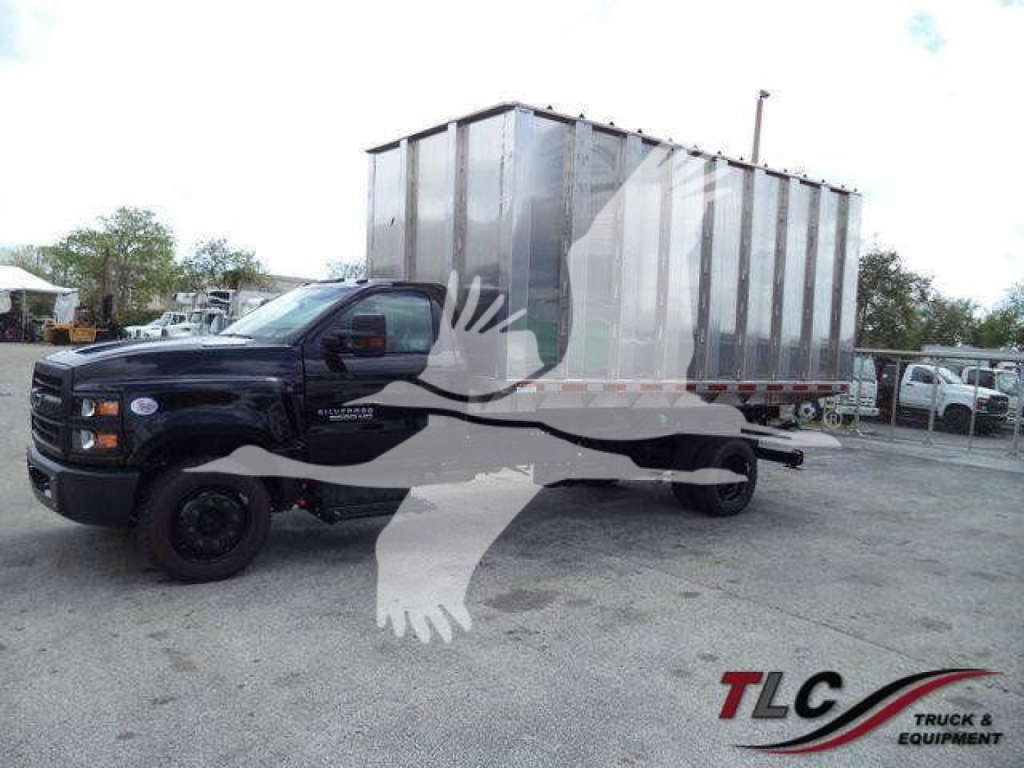
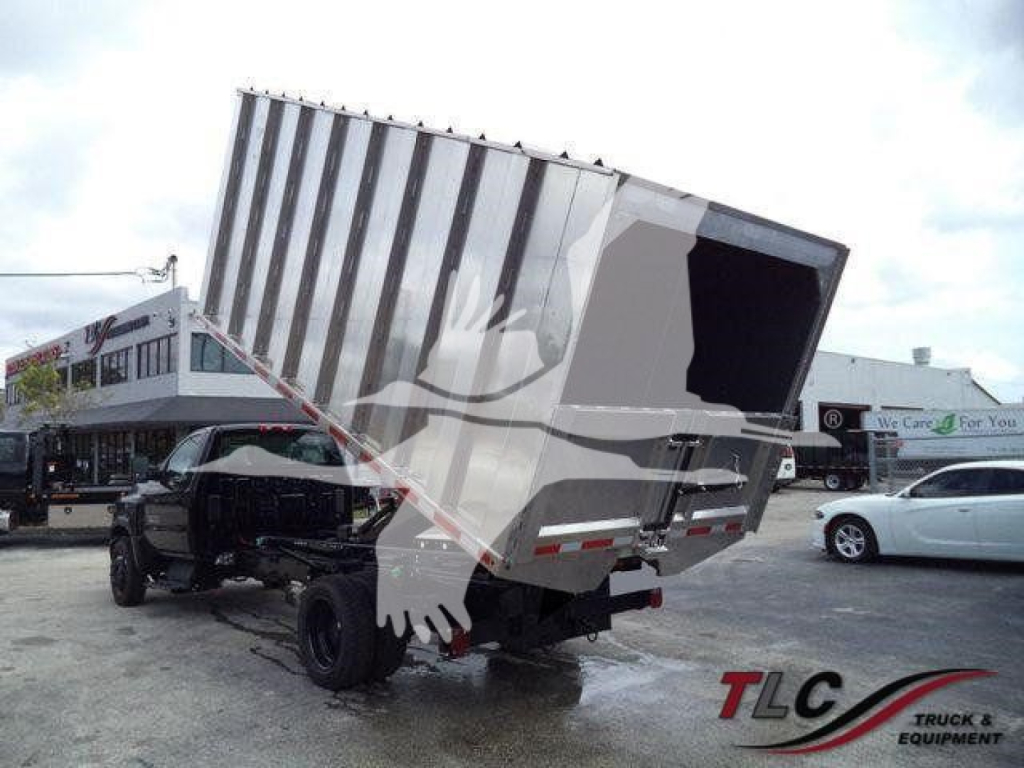
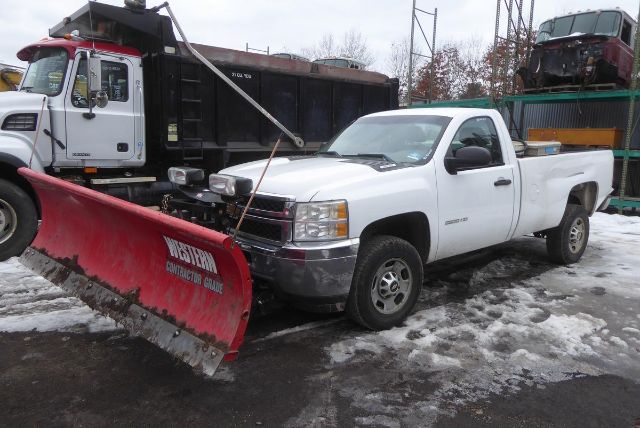
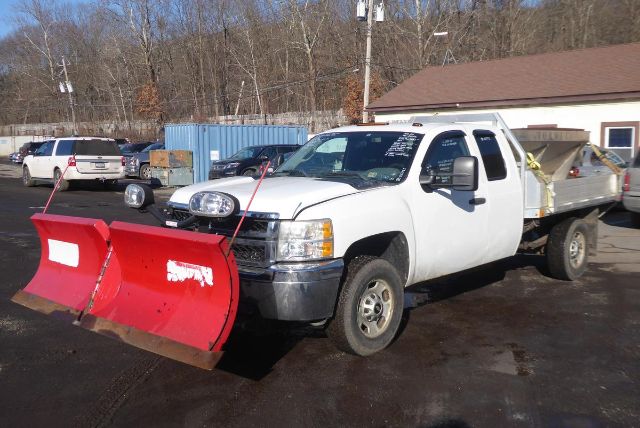

Selling a used chevrolet commercial truck? List your used chevrolet commercial truck for sale and reach thousands of commercial buyers.
Used Chevrolet Commercial Trucks
Floor strength dictates durability and forklift compatibility. Pickup beds use roll formed high strength steel floors that resist denting, a quality spray in liner or steel treadplate at the tailgate protects against point loads. On box bodies, stake and flatbeds, prioritize crossmember spacing at 12 inches or tighter, structural channel or I beam longitudinals, and hardwood or laminated oak decks with scuff liners along the lower walls. Aluminum plank or composite floors cut weight, steel diamond plate improves impact resistance, rear thresholds and sills should be straight with no cupping from pallet jacks. Verify tie down condition, E track integrity and, where applicable, a forklift floor rating from the body builder.
Thermal integrity matters for insulated and refrigerated bodies on Chevrolet chassis. Foam in place panels with continuous skins, thermal breaks at door frames and quality seals reduce heat gain and moisture intrusion, one piece roofs and intact vapor barriers help maintain setpoint with less compressor time. Dry freight bodies benefit from reflective roofs and undamaged scuff liners that reduce heat cycling on sensitive cargo. In the cab, strong HVAC output, sealed ducts and adequate alternator capacity support driver comfort and power hungry electronics in extreme climates.
Tare weight and corrosion resistance drive payload and lifecycle cost. Aluminum service bodies, aluminum wheels and composite or aluminum floors reduce empty weight, raising net payload and often improving fuel economy, the trade off is lower dent resistance and different repair procedures than steel. Chevrolet ladder frames carry e coat and wax inner frame protection in many model years, look for intact coatings, galvanized or stainless hardware, sealed electrical connectors and clean top of rail to avoid rust traps. For snowbelt units, confirm undercoating, drain paths and regular wash history. Match GVWR to peak loads with margin, confirm PTO provisions if required, and verify braking aids like exhaust brake and integrated trailer brake controller for control on grades.
Frequently Asked Questions about Used Chevrolet Commercial Trucks
Which used Chevrolet truck classes should I consider for my application?
Light duty needs are typically met by Silverado 1500, moderate towing and heavier upfits point to 2500HD or 3500HD, and vocational bodies like dumps, box vans and cranes fit best on 4500HD, 5500HD or 6500HD chassis cabs with straight frame rails. Choose based on required GVWR and GCWR, body length that matches cab to axle dimensions, and the axle ratio needed to meet grade and speed targets.
How do I evaluate bed or body floor strength on a used Chevy truck?
Inspect the deck material, crossmember spacing and wear points. Roll formed pickup beds resist dents, but look for ripples near the tailgate and stake pockets. On flatbeds and van bodies, prefer 12 inch or tighter crossmember spacing, structural channel or I beam rails, hardwood or laminated floors with intact scuff liners, and steel treadplate at rear thresholds. Check for forklift load ratings from the body manufacturer and look for deformation, loose fasteners or soft spots that indicate hidden rot or delamination.
Should I choose a Duramax diesel or a gasoline V8 in a used Chevrolet work truck?
The Duramax 6.6L with an Allison automatic offers high torque, integrated exhaust braking and strong towing at lower engine speeds, ideal for heavy trailers or high mileage duty cycles. The 6.6L gasoline V8 generally has lower purchase cost, simpler emissions hardware and good cold weather performance, which suits lighter loads, short routes and lower annual miles. Consider fuel cost, payload goals, idle time and PTO needs when selecting.
What are the key corrosion checks on a used Chevrolet truck from salt regions?
Examine frame rails inside and out for coating loss, scale or swelling near spring hangers and crossmembers, and look along the top of rail where debris traps moisture. Check cab mounts, rocker panels, brake and fuel lines, and electrical connectors for green corrosion or broken seals. On bodies, inspect rear sills, door frames, hinges and fasteners for rust bleed. Aluminum bodies should be checked for galvanic corrosion around steel fasteners. Intact e coat, undercoating and regular wash records are positive signs.
How does body material affect tare weight and payload on Chevrolet chassis cabs?
Aluminum service bodies, flatbeds and wheels can trim hundreds of pounds from tare weight, increasing net payload and improving acceleration and braking margins, the trade off is lower dent resistance and specialized repair techniques. Steel bodies maximize impact resistance and weldability but add weight. Composite floors reduce weight and resist rot, hardwood floors absorb shock well but require inspection at fasteners and sills. Choose materials that meet your payload target while balancing durability and repair cost.