
Used Chevrolet Service/Utility Trucks For Sale
Browse used Chevrolet service and utility trucks, including Silverado 2500HD and 3500 models with utility bodies, cranes, towing setups, and work-ready specs.
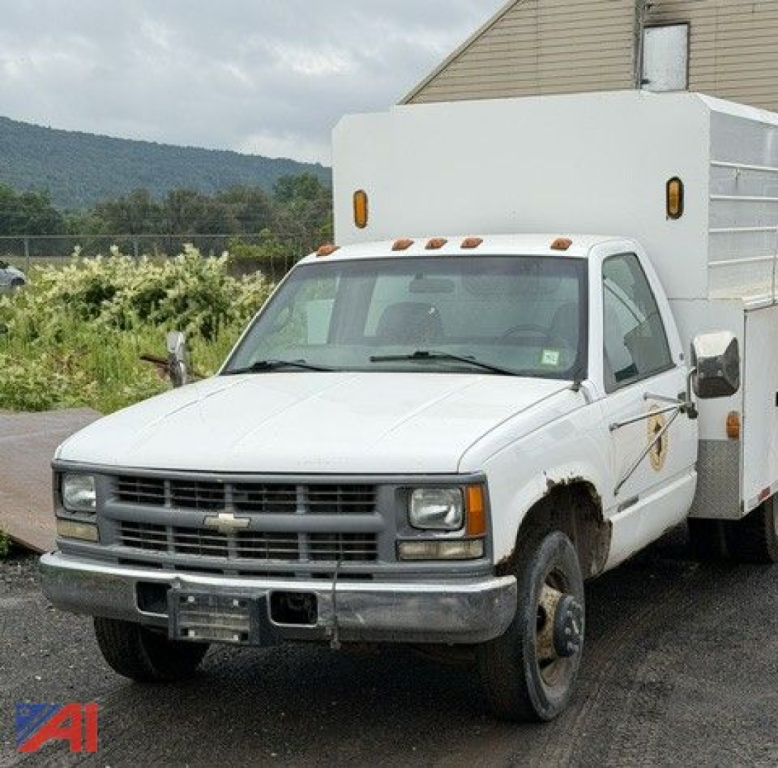
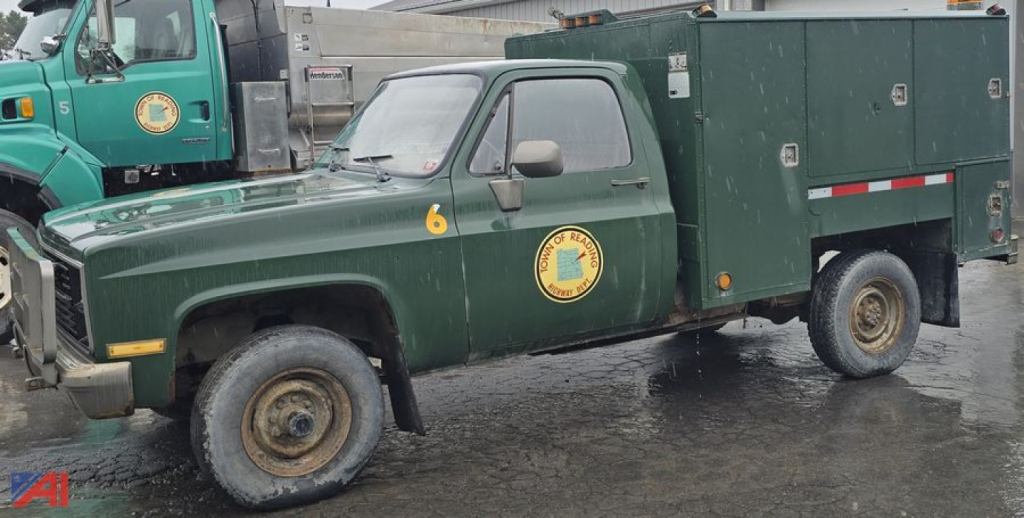
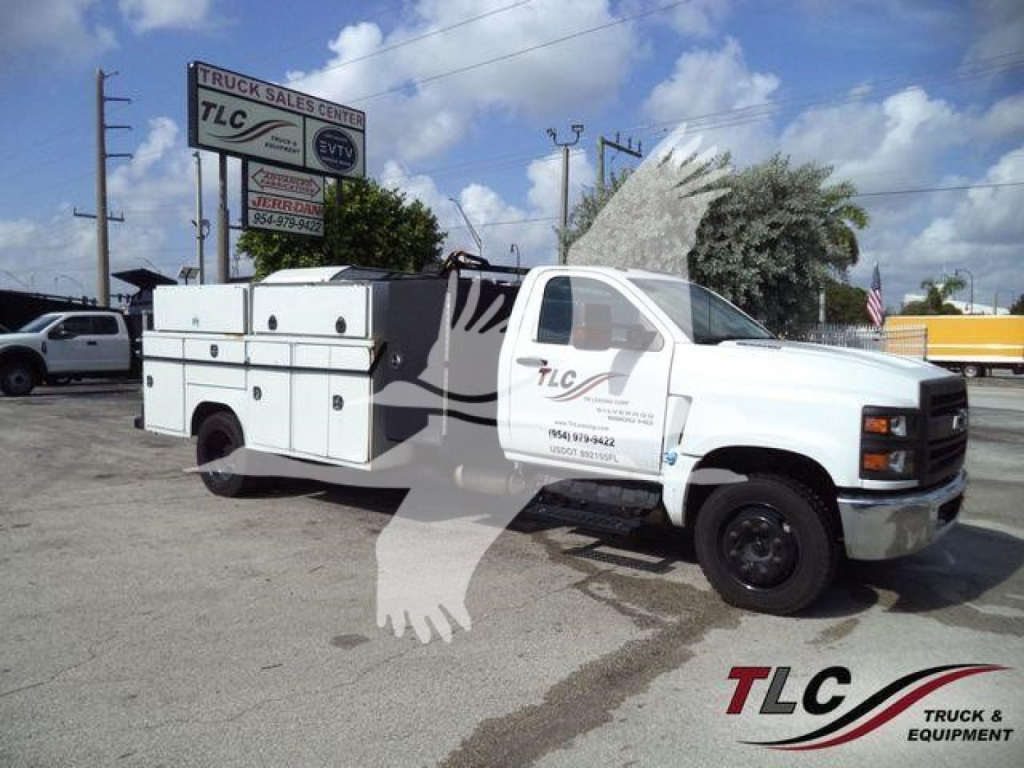
Have used chevrolet service/utility truck to sell? List it here to reach thousands of buyers.
Used Chevrolet Service/Utility Trucks
On Chevrolet units, gas and diesel powertrains both show up in the used market. Gas V8 trucks are often favored for lighter service routes, lower acquisition cost, and simpler maintenance, while diesel-equipped 3500 models make more sense when the truck carries a heavier body, a crane, or tows regularly. Regular cab service trucks maximize body length and compartment space, while crew cabs trade some body real estate for passenger capacity. Many used Chevrolet utility trucks include tow-haul mode, integrated trailer brake controllers, receiver hitches, ladder racks, strobes, and bed- or bumper-mounted cranes. If a crane is installed, pay close attention to crane rating, PTO or electric power source, stabilizer condition, and the remaining usable payload after the crane and body are factored in.
The utility body matters as much as the truck underneath it. Check compartment depth, shelving, drawer setups, locking hardware, and whether the bed floor is suited for pallets, welders, or compressors. On used service trucks, common wear points include rust around compartment doors, hinges, latches, and wheel arches, plus corrosion on the body subframe and outriggers if fitted. Fleet-maintained Chevrolet service trucks can be a strong value, but buyers should still inspect idle hours, engine hours if available, transmission operation, front suspension wear, brake condition, and signs of electrical add-on work for lights, inverters, chargers, and auxiliary equipment. A clean service body with organized storage often saves more downtime than a lower purchase price on a poorly upfitted truck.
For many buyers, the right used Chevrolet utility truck is the one that matches the service route without overbuying chassis capacity. A 2500HD can be a practical choice for lighter-duty field work and urban driving, while a 3500 or 3500HD is better suited for heavier service bodies, cranes, and sustained towing. GVWR, rear axle rating, wheelbase, drivetrain, and body dimensions should all be verified against the actual job requirement. When the truck is going straight to work, details like working A/C, power accessories, backup lighting, trailer package equipment, and secure compartment storage are not small extras. They directly affect driver efficiency and uptime.
Frequently Asked Questions about Used Chevrolet Service/Utility Trucks
What is the difference between a Chevrolet service truck and a Chevrolet utility truck?
In most truck listings, the terms service truck and utility truck are used interchangeably. Both usually describe a Chevrolet pickup or chassis-cab fitted with a compartmented work body designed to carry tools, parts, and equipment. Some buyers use service truck more often when the body includes a crane, compressor, welder, or field repair setup, while utility truck can refer more broadly to enclosed side compartments and contractor storage. The actual body design, payload capacity, and installed equipment are more important than the label.
Is a Chevrolet Silverado 2500HD enough for a utility body, or should I step up to a 3500?
A Chevrolet Silverado 2500HD can work well for lighter service applications, especially when the truck carries hand tools, small parts inventory, and limited auxiliary equipment. A 3500 or 3500HD is usually the better choice when the body is heavier, a crane is installed, or the truck tows equipment trailers on a regular basis. The right answer comes down to actual payload, rear axle rating, and how much permanent equipment is mounted to the body. Buyers should compare the truck's GVWR and axle ratings to the loaded working weight, not just the empty curb weight.
What should I inspect first on a used Chevrolet service or utility truck?
Start with the utility body and the truck frame because body corrosion and structural rust can be expensive to correct. Inspect compartment floors, door bottoms, hinges, latches, wheel openings, and any crane mounts or outrigger structure. Then check engine performance, transmission shifting, brake condition, steering play, suspension wear, and any electrical systems added for work lights, inverters, chargers, or warning strobes. If the truck has a crane, verify its operation, rating plate, controls, and signs of stress cracking around the mount area.
Are used fleet Chevrolet utility trucks a good buy?
They often are, especially when they come from government, municipal, or contractor fleets that followed scheduled maintenance. Fleet trucks may show cosmetic wear such as dents, scratches, upholstery staining, or utility body rust, but many have consistent service records and predictable use patterns. Buyers still need to inspect them carefully because idle time, PTO use, repeated short-trip operation, and heavy accessory loads can affect long-term reliability even when mileage is moderate.
What features add the most value on a used Chevrolet utility truck?
The most valuable features depend on the work, but buyers consistently look for a well-built utility body, secure locking compartments, ladder rack provisions, trailer towing equipment, integrated brake controller, and a cab configuration that fits the crew size. A properly installed crane can add major utility if its rating matches the job. Good lighting, organized shelving, clean electrical accessory installation, and a rust-free body usually matter more in daily operation than cosmetic appearance alone.