
Chevrolet Service/Utility Trucks For Sale
Browse Chevrolet service and utility trucks with service bodies, 2500HD and 3500HD chassis, gas or diesel power, and work-ready fleet specs.
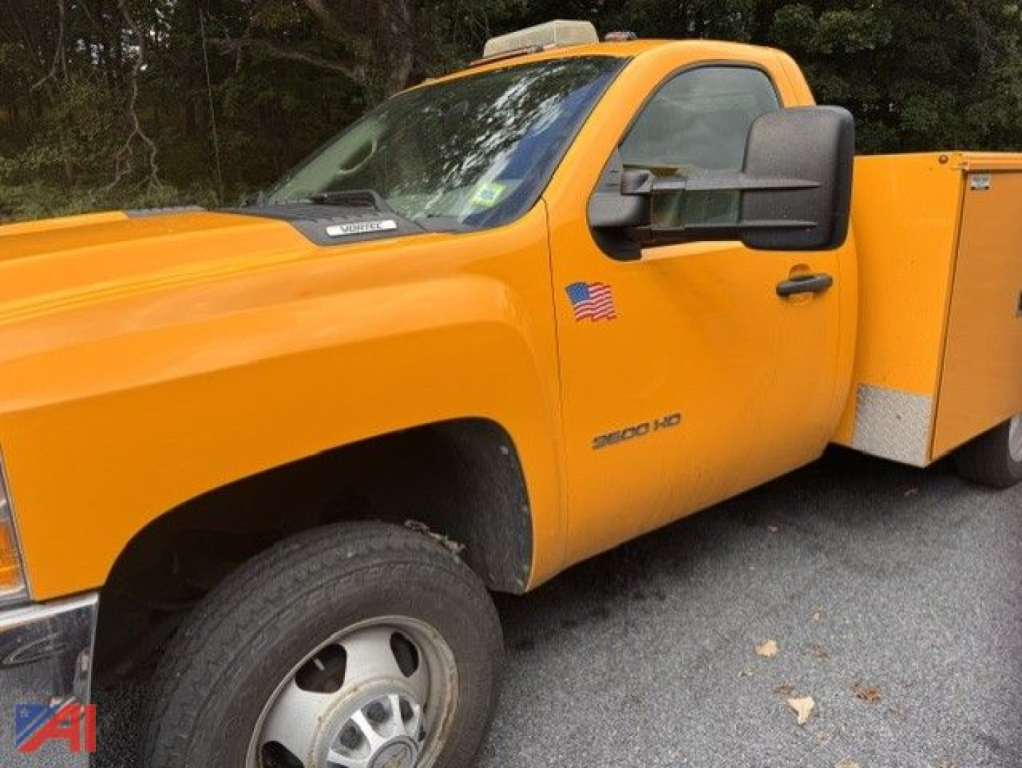
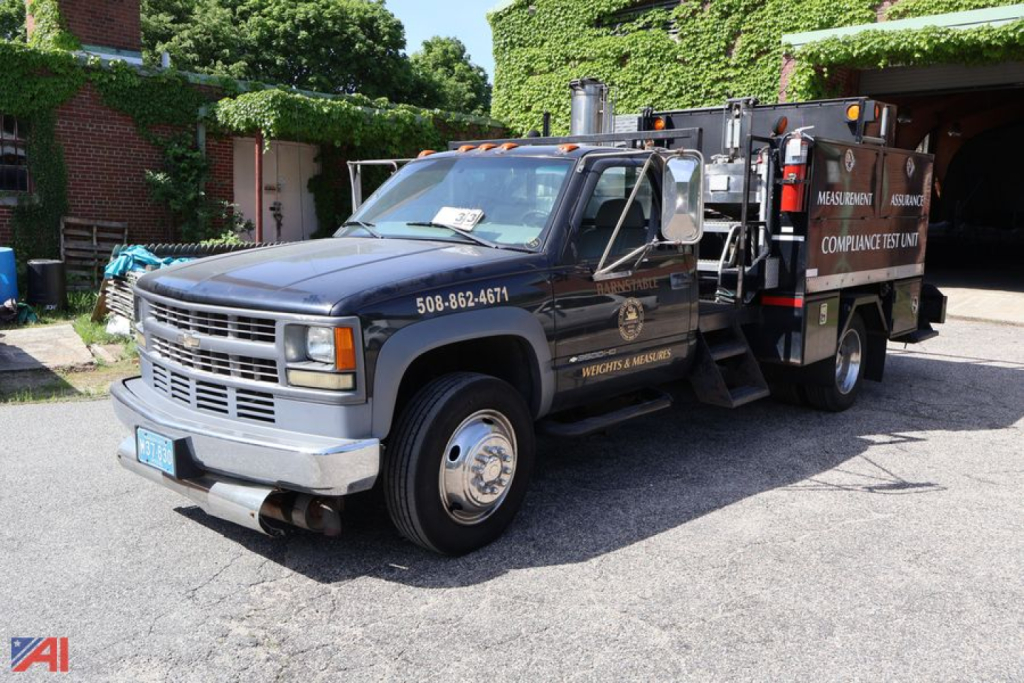
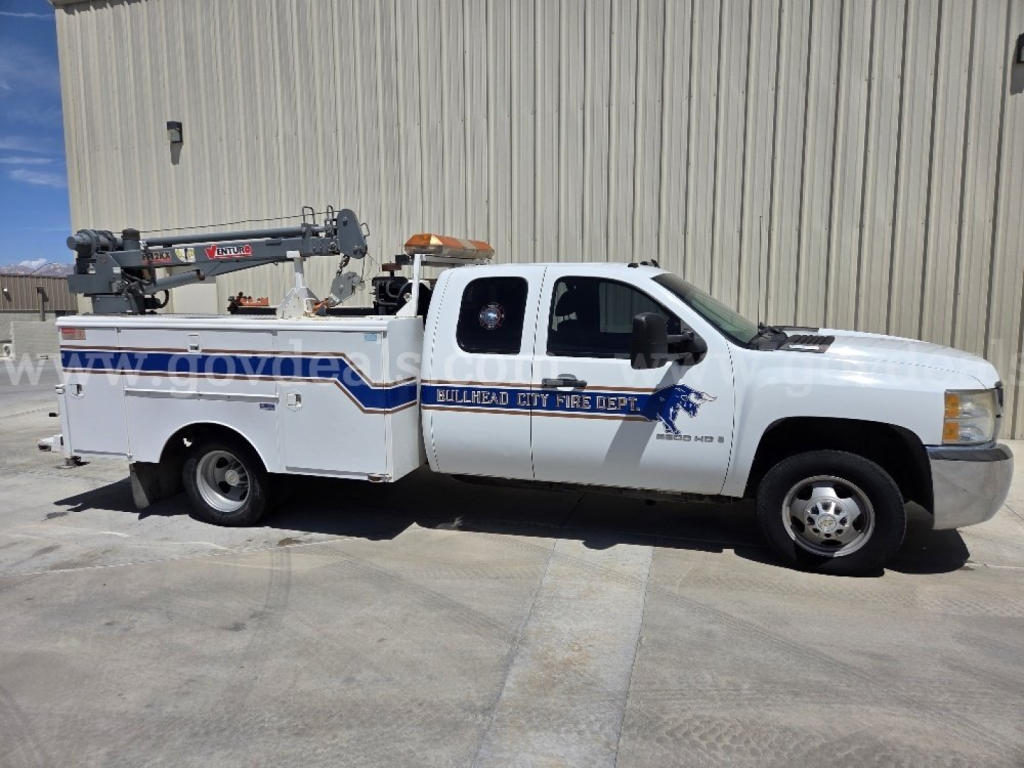
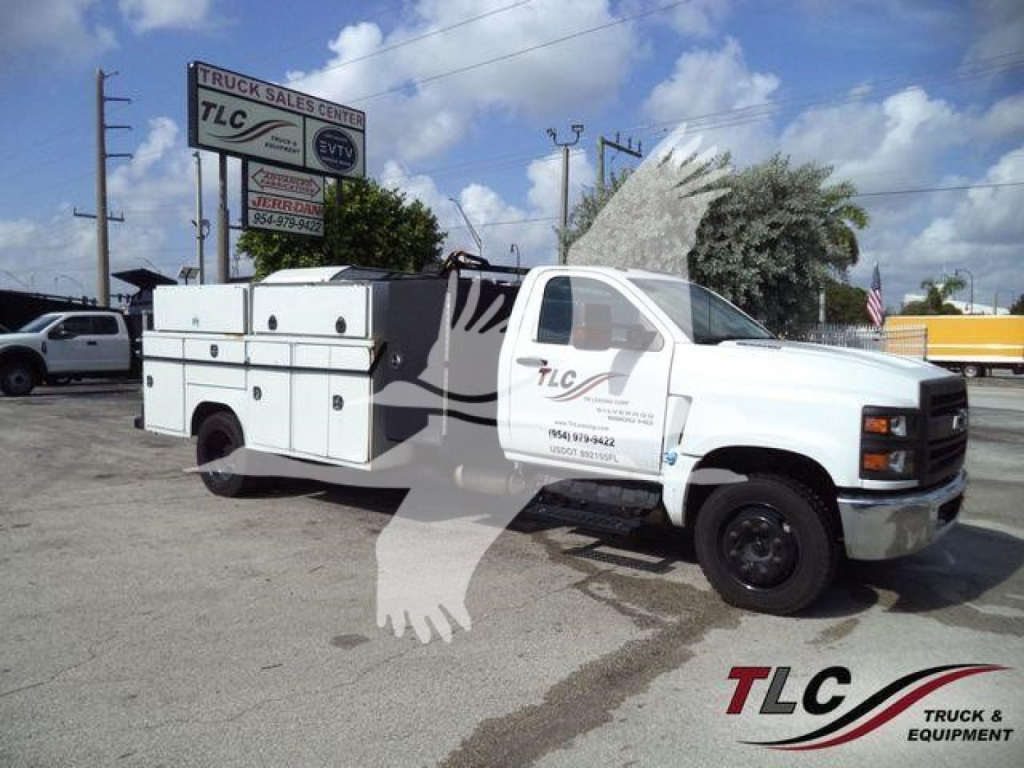
Have chevrolet service/utility truck to sell? List it here to reach thousands of buyers.
Chevrolet Service/Utility Trucks
The first decision is usually payload and upfit weight. A 2500HD can work well for lighter field service applications, but a 3500HD is often the better fit when the truck has a crane, heavy drawer systems, fluid tanks, generators, or a fully loaded utility body. Chevrolet gas V8 trucks, especially the 6.0L in older Silverado HD models, are widely used in this segment because they are simple, familiar to fleet technicians, and well suited to stop-and-go duty. Diesel-equipped trucks can make sense for heavier towing and higher mileage routes, but they add cost and emissions-system complexity that some local service fleets prefer to avoid. Four-wheel drive is a major consideration for utility contractors, pipeline work, rural service routes, and snow-region operations.
Body configuration matters as much as the cab and chassis. Buyers should pay close attention to compartment layout, shelf and drawer setup, locking systems, crane mounting, bumper configuration, and trailer towing equipment. Common work-truck features in this class include integrated brake controllers, tow-haul mode, receiver hitches, ladder racks, inverter systems, and power take-off compatible setups depending on the upfit. If the truck has a service crane, check crane capacity, boom reach, outriggers, and the condition of the pedestal and bed reinforcement. Utility bodies live hard lives, so rust in compartment floors, latch wear, door sag, and corrosion around the rear step bumper are important inspection points, especially on older northern trucks.
For many buyers, Chevrolet utility trucks hit a practical middle ground between a standard pickup and a larger cab and chassis service truck. They are easy to source parts for, familiar to most drivers, and capable of supporting a wide range of trades from electrical and telecom work to plumbing, HVAC, mechanical service, and public works. The best unit depends less on model year and more on how the truck was spec'd and maintained. Service records, engine hours if auxiliary equipment is installed, body condition, tire wear, suspension stance, and signs of overloading will tell you more than the badge alone. A well-matched Chevrolet service truck should carry the right tools, protect them from weather and theft, and stay maneuverable enough to earn its keep every day.
Frequently Asked Questions about Chevrolet Service/Utility Trucks
What is the difference between a Chevrolet 2500HD and 3500HD service truck?
The main differences are payload capacity, rear axle rating, suspension capacity, and how much upfit weight the truck can handle. A Silverado 2500HD service truck is often suitable for lighter tool packages and general field service work. A Silverado 3500HD is usually the stronger choice for heavier service bodies, cranes, compressors, welders, fuel transfer setups, or consistent towing. If the truck will carry a fully loaded utility body every day, the 3500HD generally gives you more margin and better long-term durability.
Are gas or diesel Chevrolet utility trucks better for service work?
It depends on the duty cycle. Gas Chevrolet service trucks are popular for local and regional work because they are simpler to maintain, often cost less upfront, and perform well in stop-and-go applications. Diesel trucks are better suited to heavier towing, higher annual mileage, and jobs where torque under load is a priority. For many service fleets, the decision comes down to whether the truck spends more time idling and running short routes or pulling weight over distance.
What should I inspect first on a used Chevrolet service body truck?
Start with the service body itself. Check compartment doors, hinges, latches, locks, shelving mounts, floor corrosion, and the rear bumper area for rust or structural wear. Then inspect the chassis for spring sag, frame condition, brake wear, tire condition, and signs that the truck has been consistently overloaded. If the truck has a crane or other powered equipment, inspect mounting points, hydraulic components, electrical controls, and any certification or maintenance documentation tied to that equipment.
Is 4x4 important on a Chevrolet utility truck?
For paved urban service routes, two-wheel drive may be enough and can reduce complexity. For construction sites, rural roads, utility easements, winter weather, and off-pavement work, 4x4 is a major advantage. It improves traction when the truck is carrying a heavy service body and helps reduce downtime when technicians need to reach difficult locations. Buyers in northern or mixed-terrain markets often place a premium on 4x4 utility trucks for that reason.
What trades commonly use Chevrolet service and utility trucks?
Chevrolet service trucks are used across electrical, HVAC, plumbing, telecom, municipal maintenance, equipment repair, general contracting, and public utility work. The utility body allows organized storage for hand tools, fittings, test equipment, and replacement parts while keeping everything secure and accessible at the jobsite. Trucks with cranes are especially useful for handling pumps, generators, motors, transformers, and other heavy field-repair components.