
Used Dump Trucks For Sale in New York
Browse used dump trucks for sale in New York, including light, medium, and heavy-duty models for plowing, hauling aggregate, debris, and municipal work.
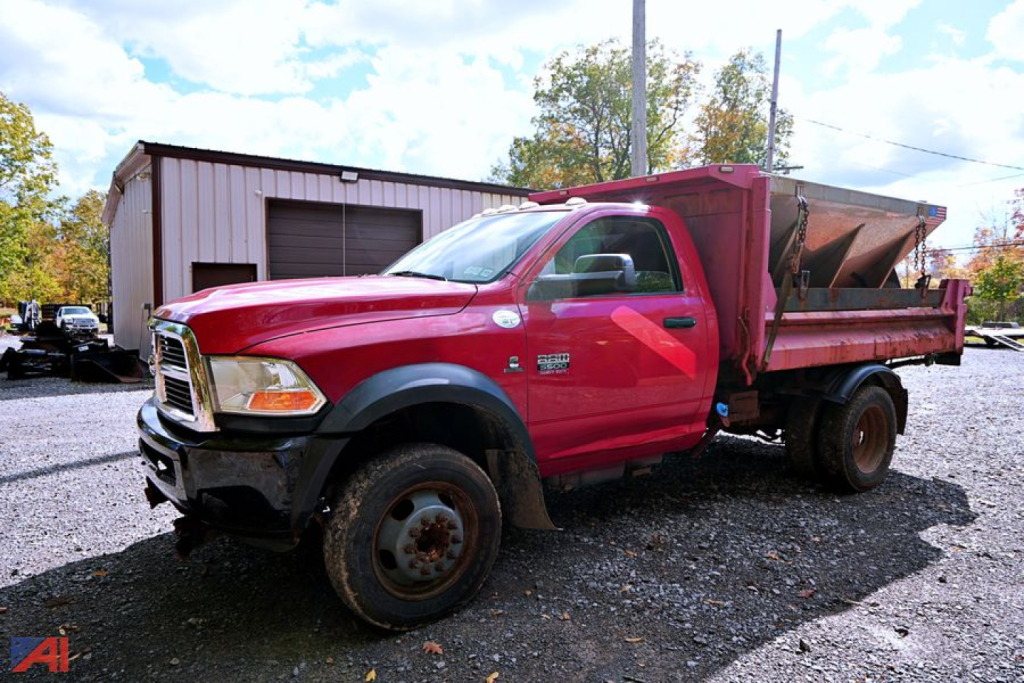
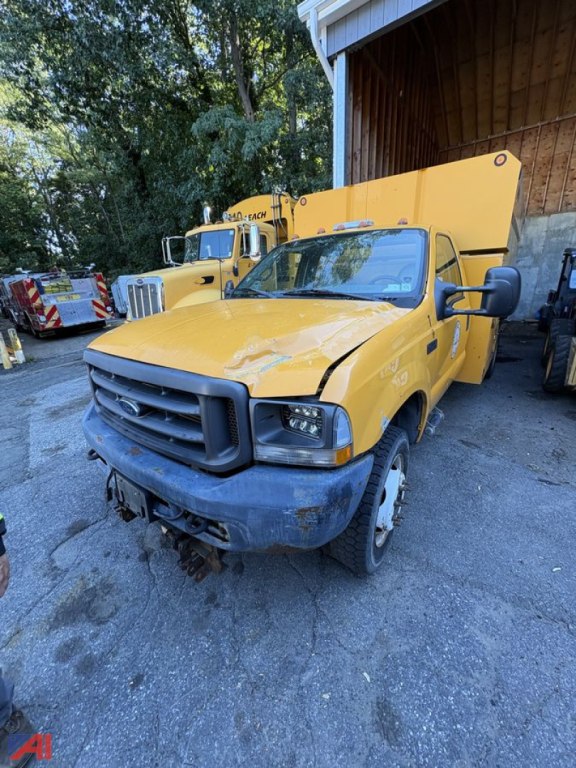
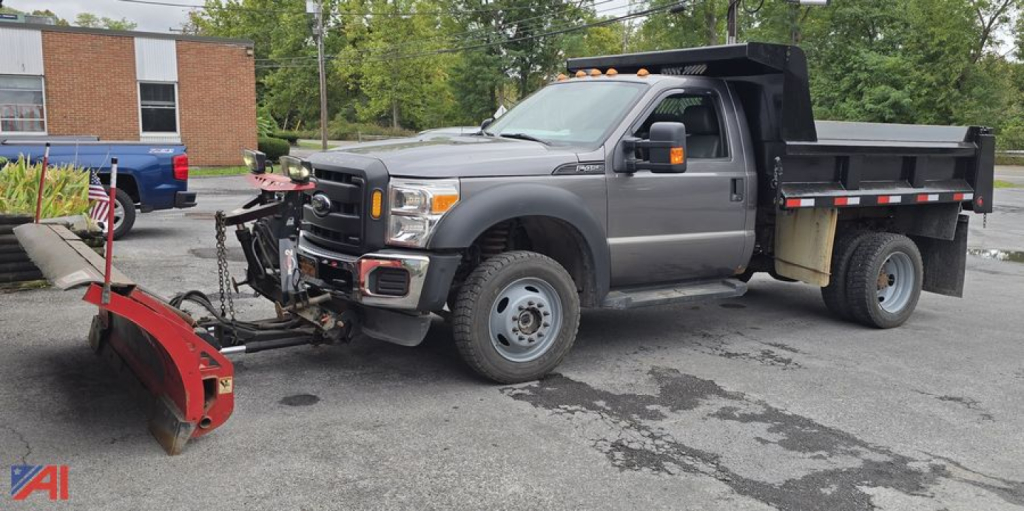
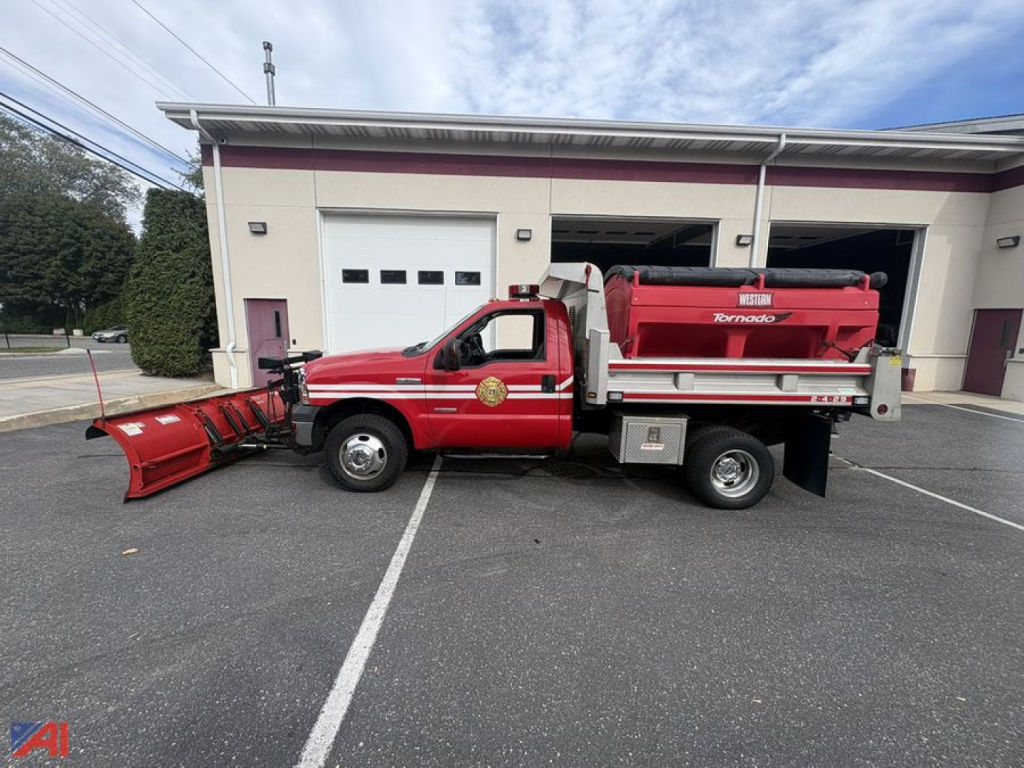
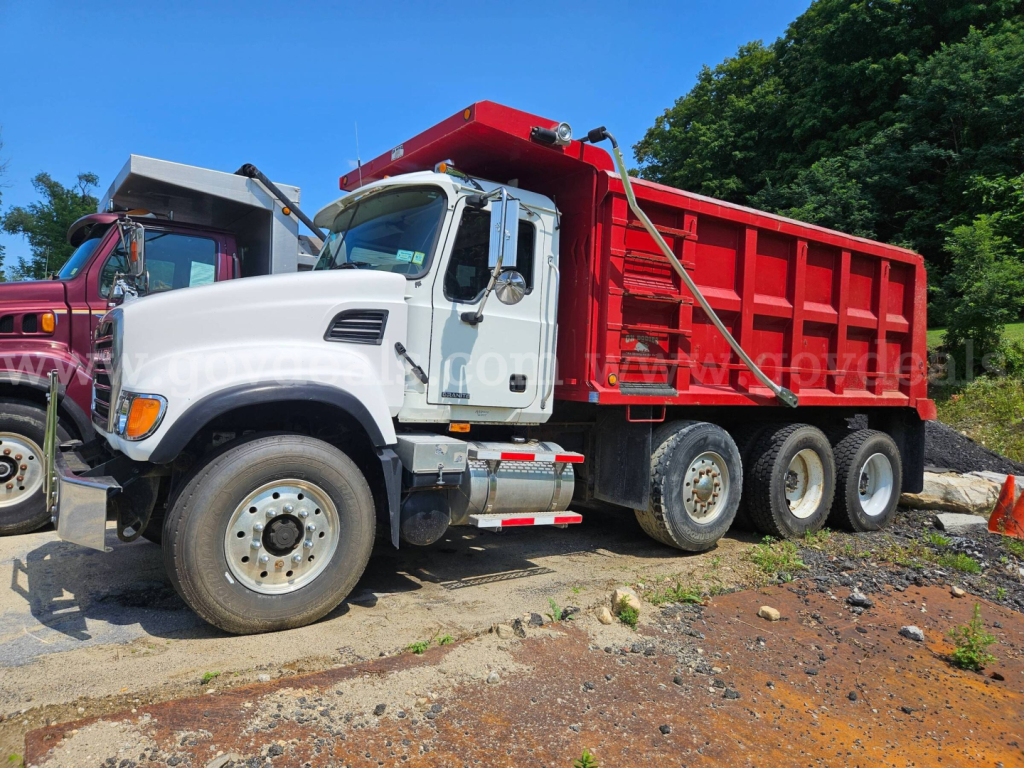
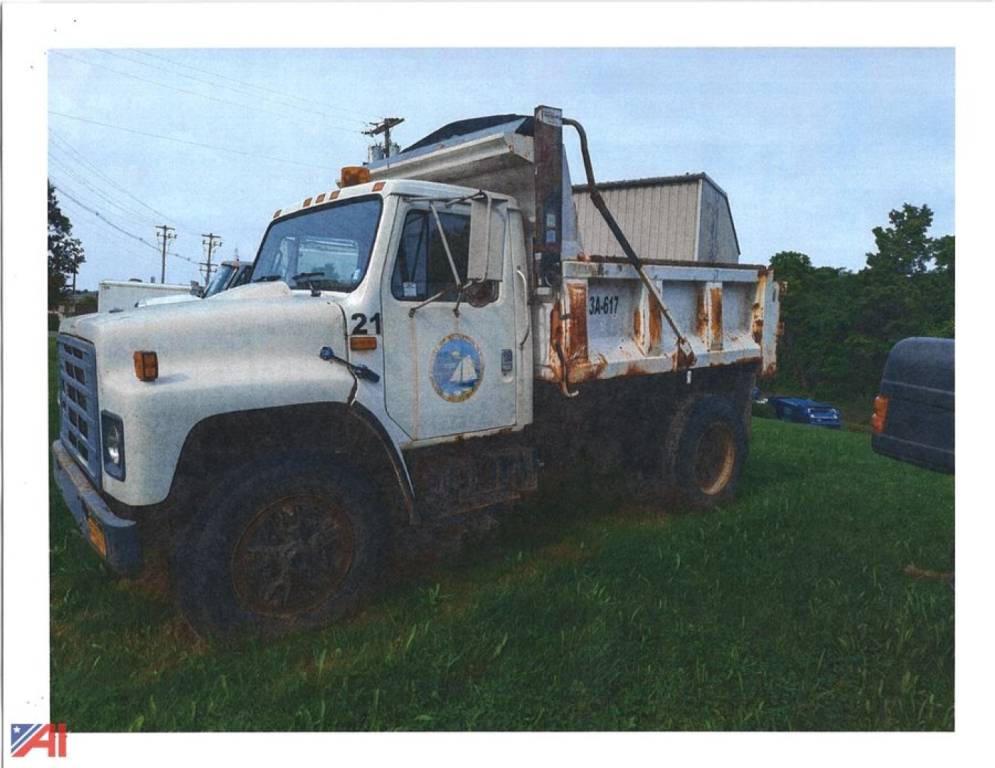
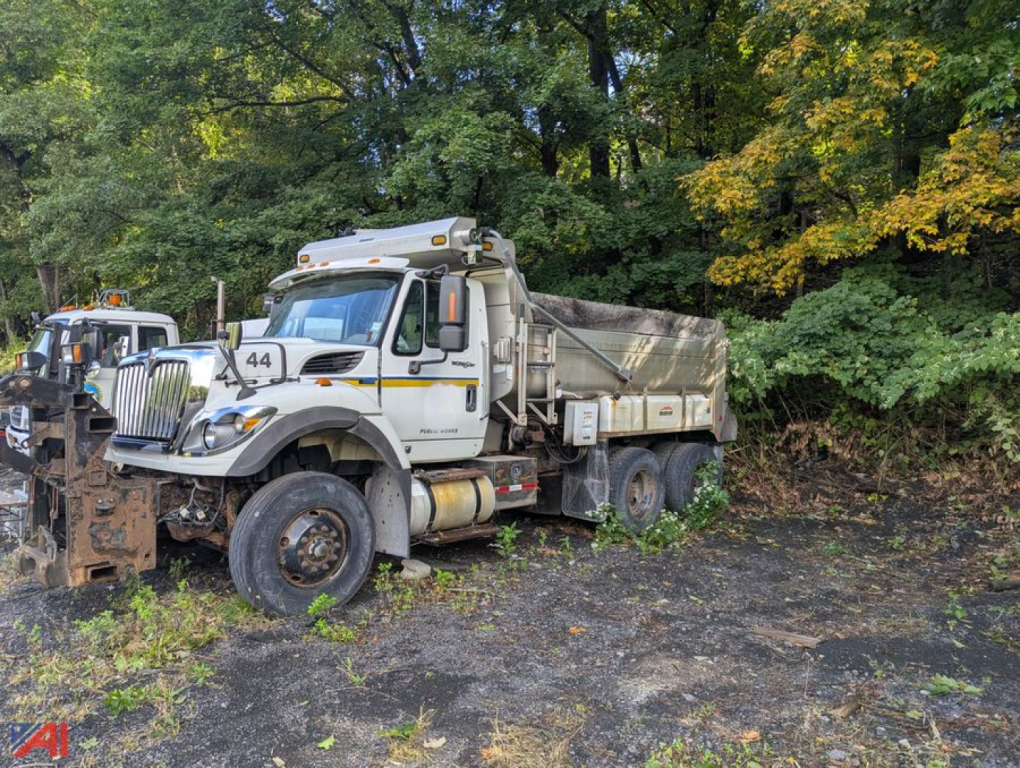
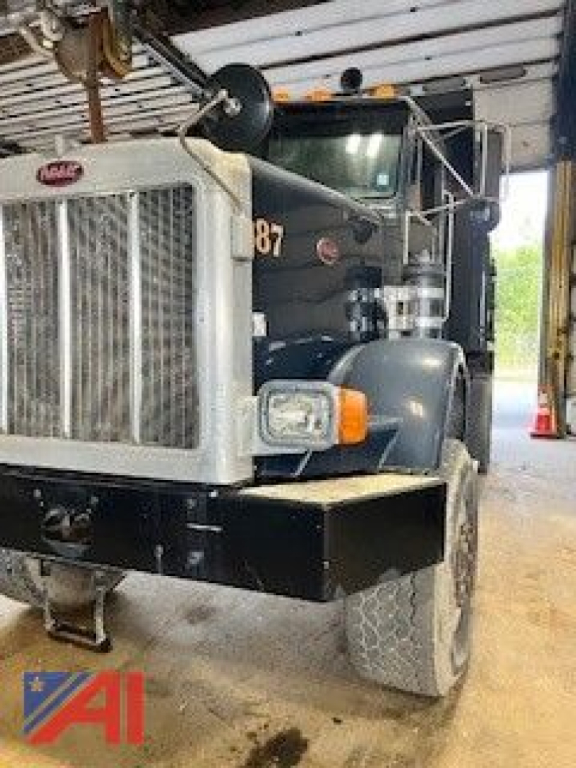
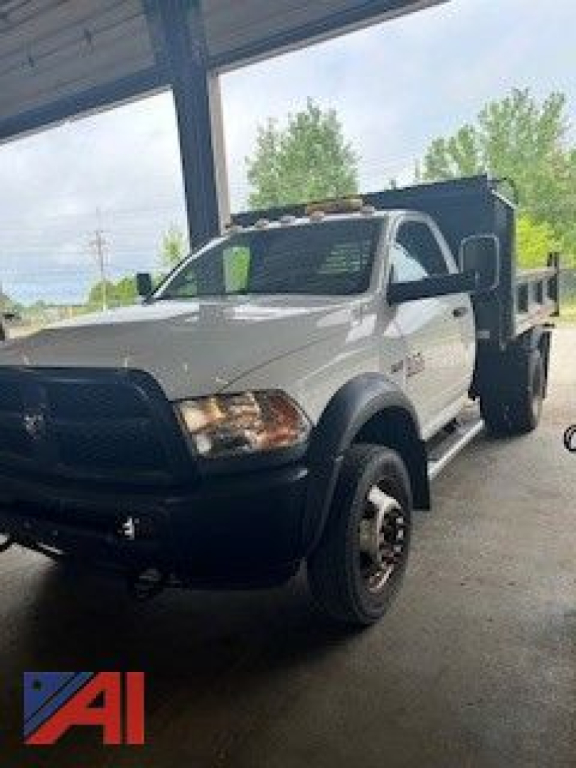
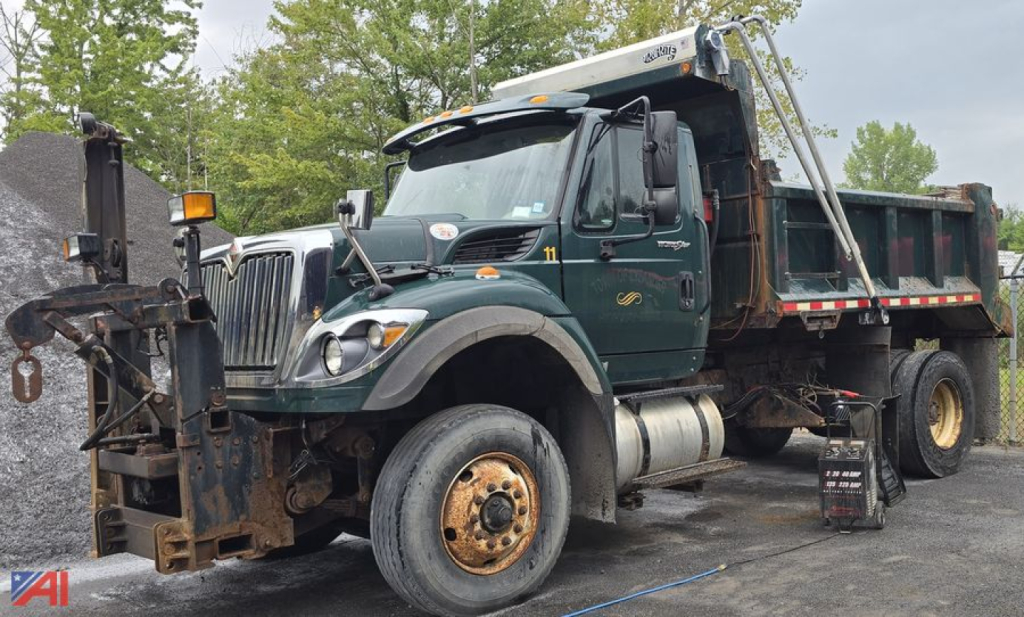
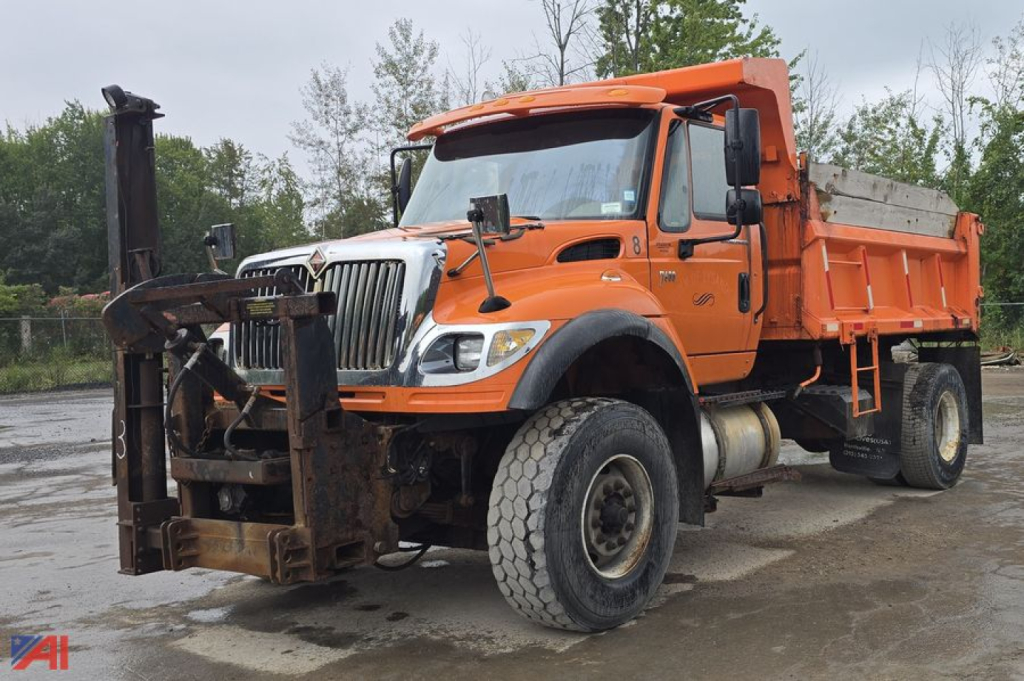
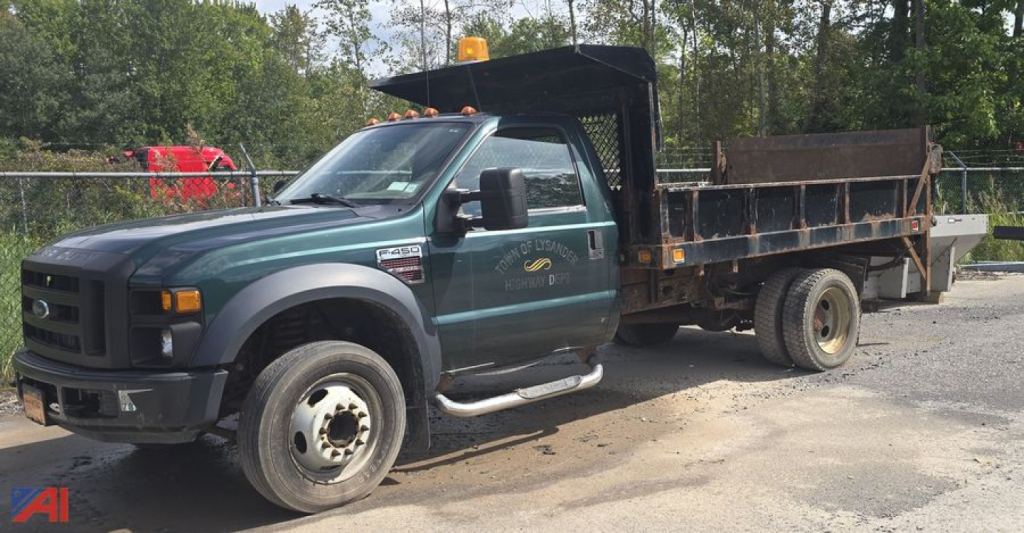
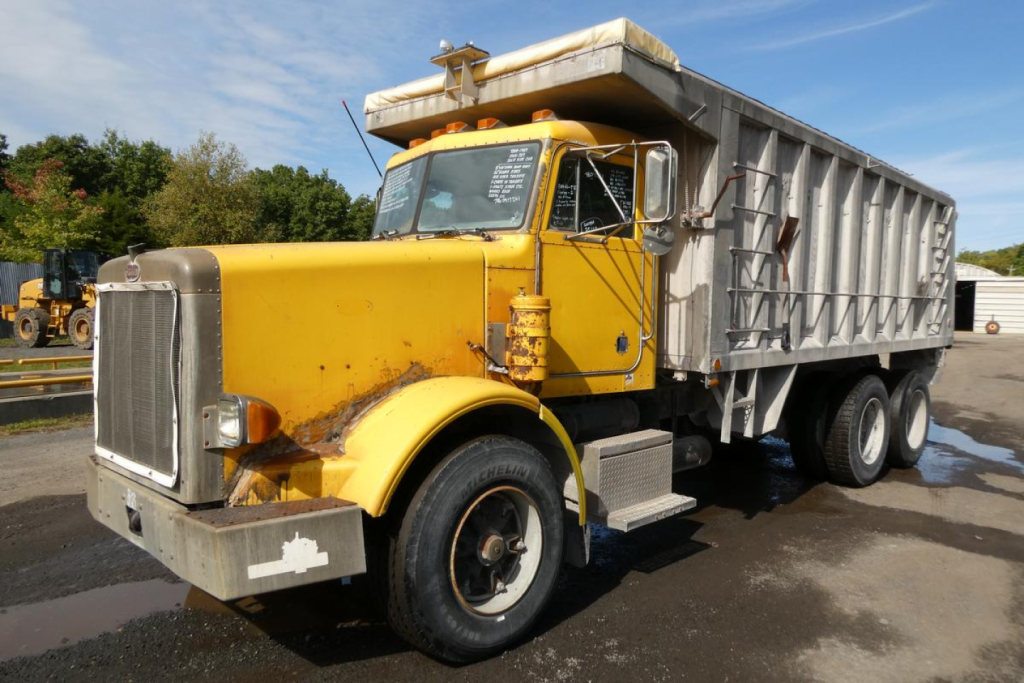
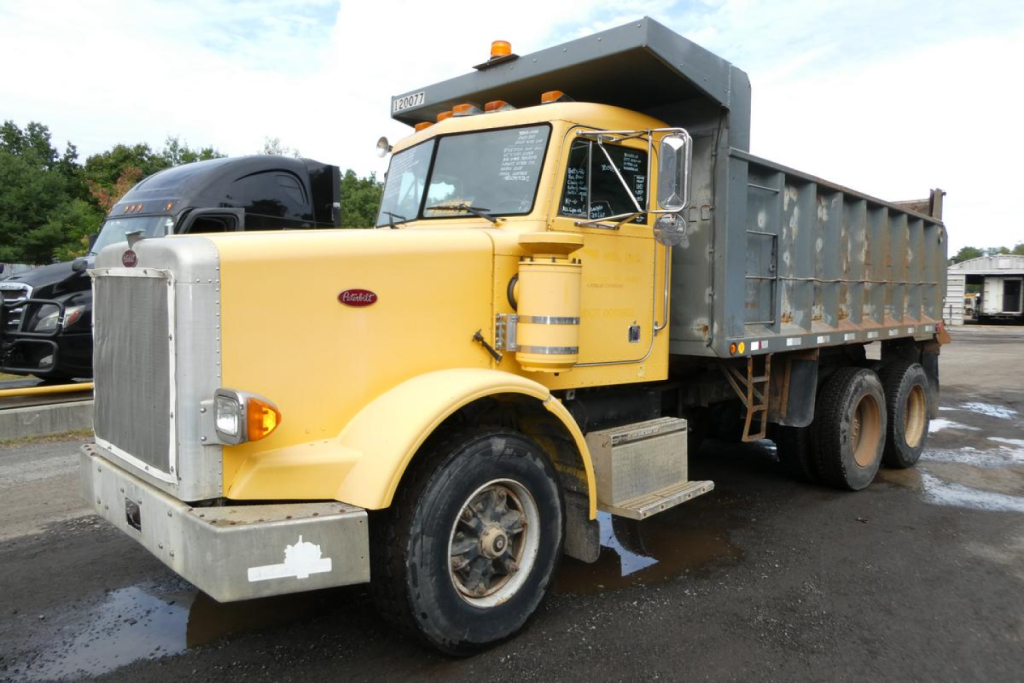
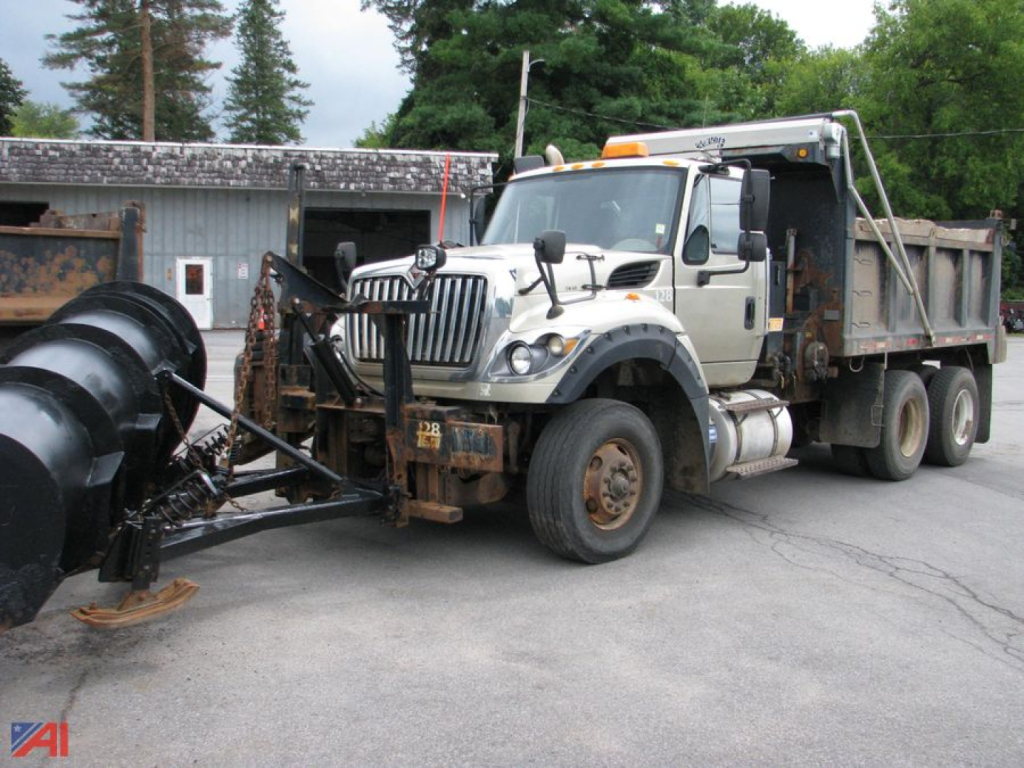
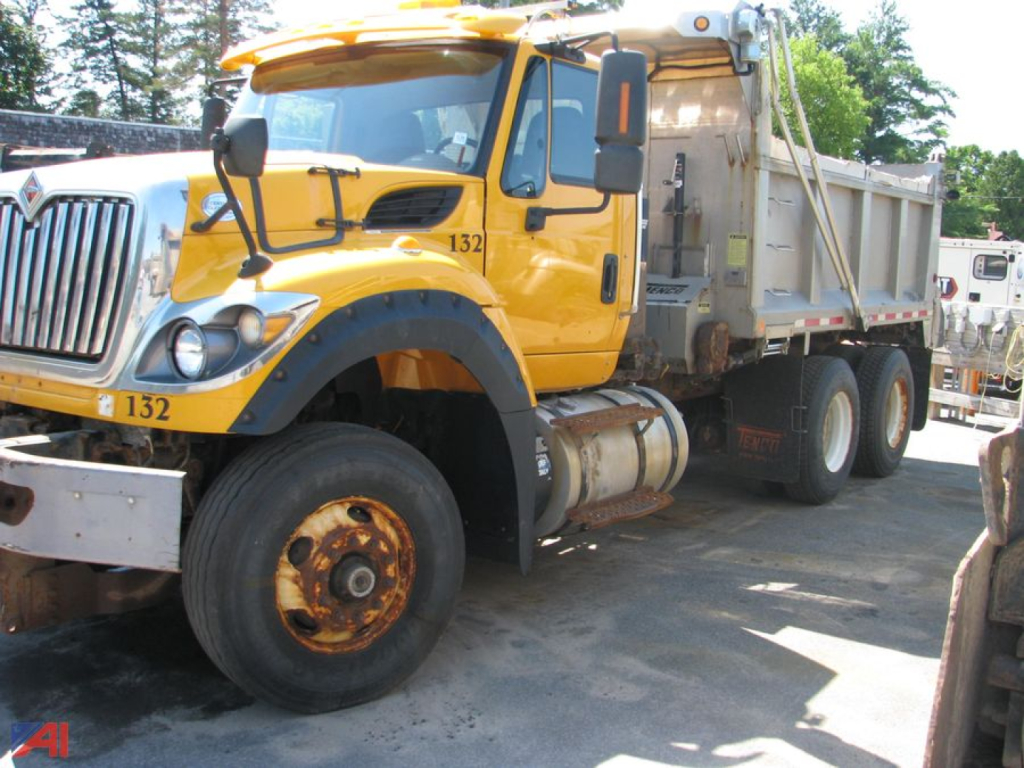
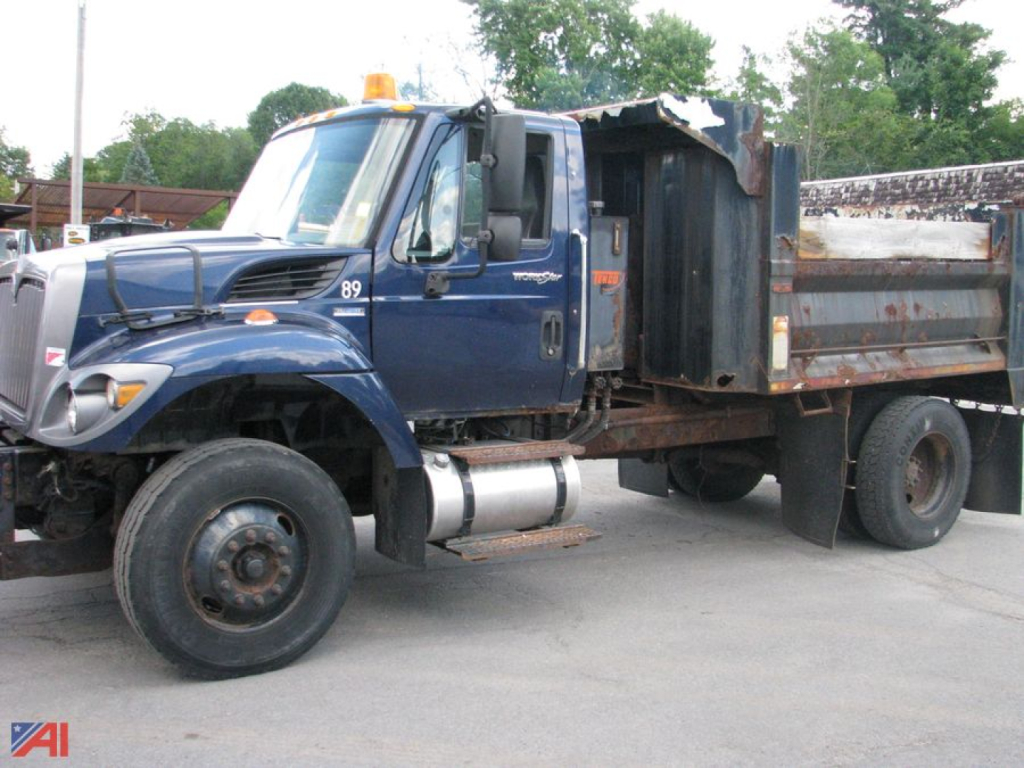
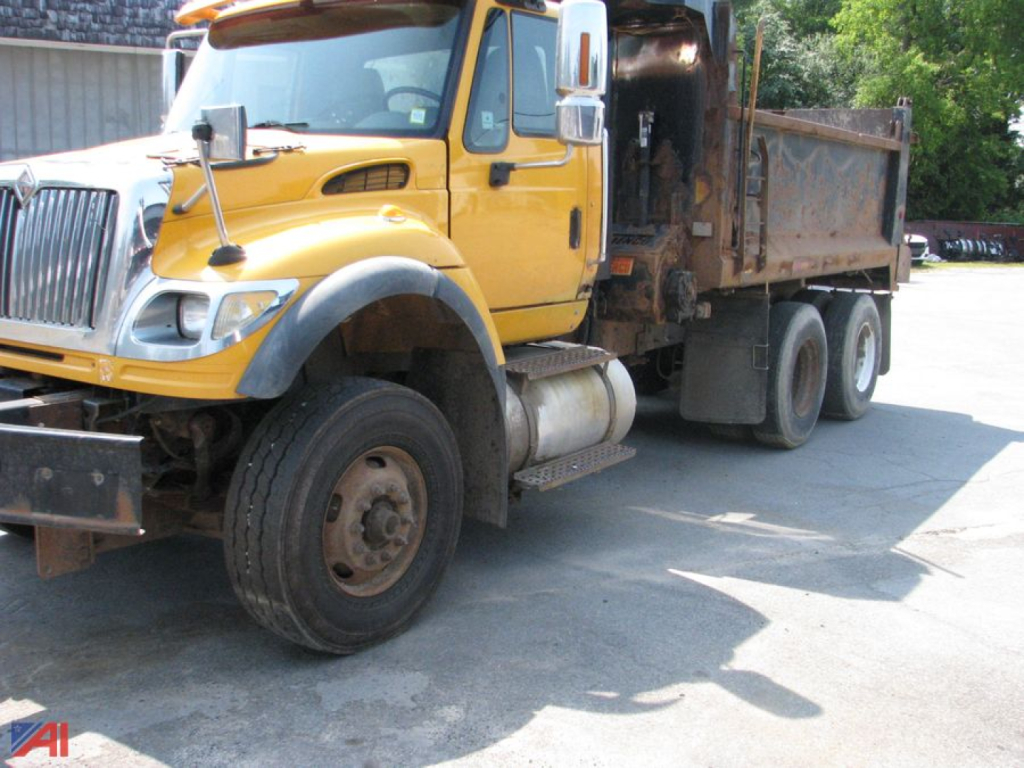
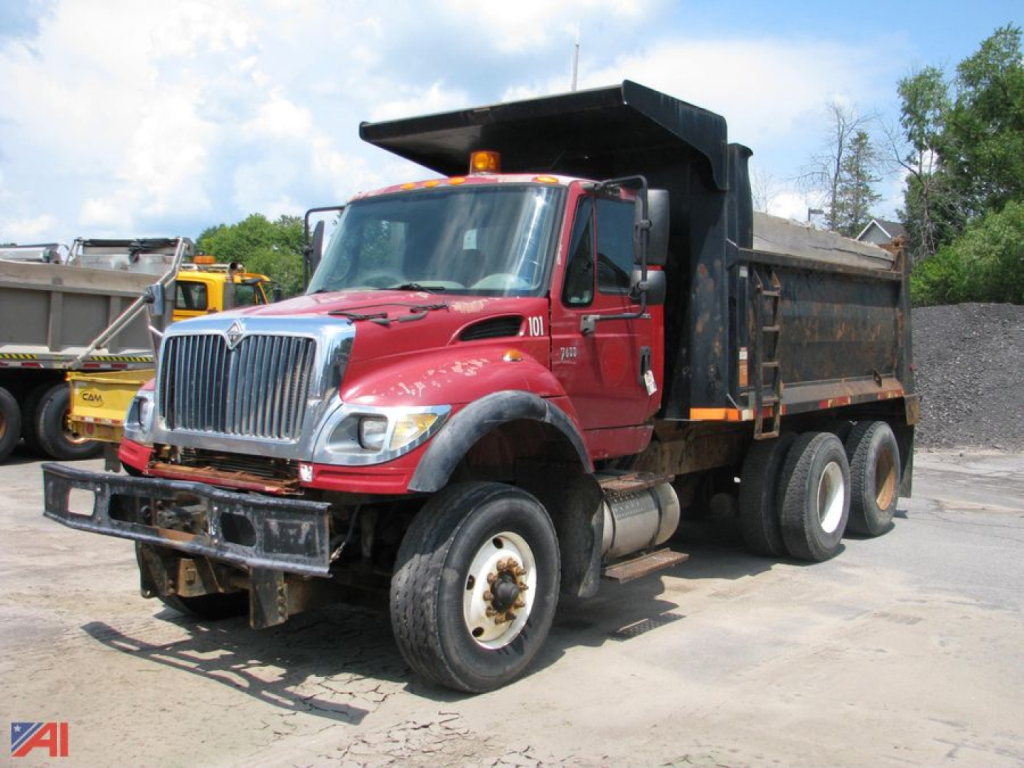
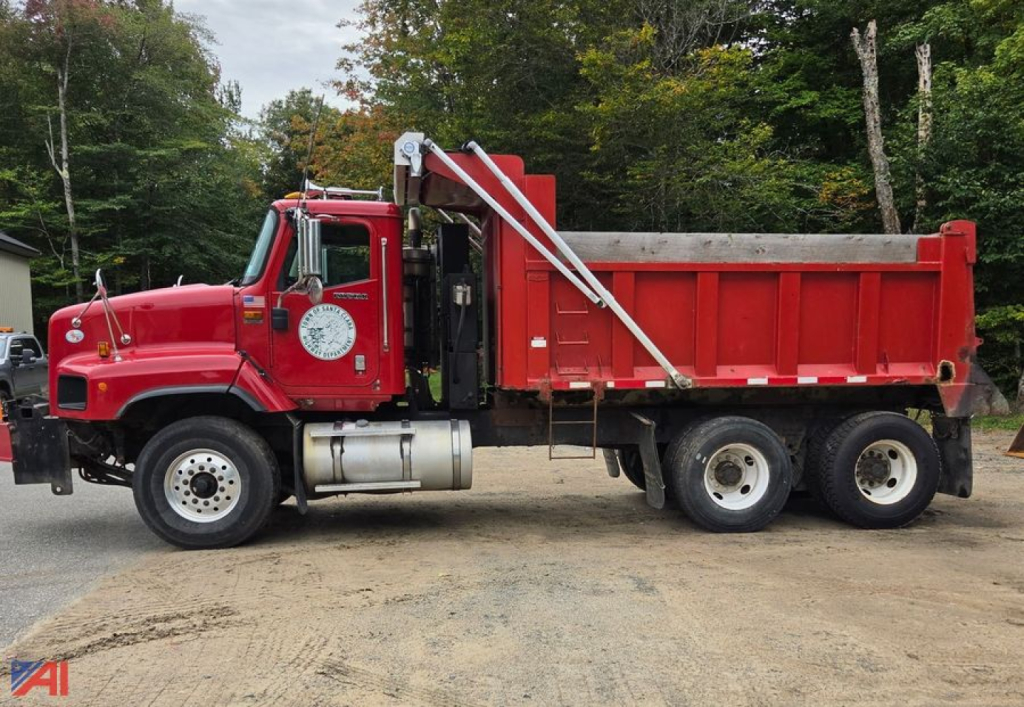
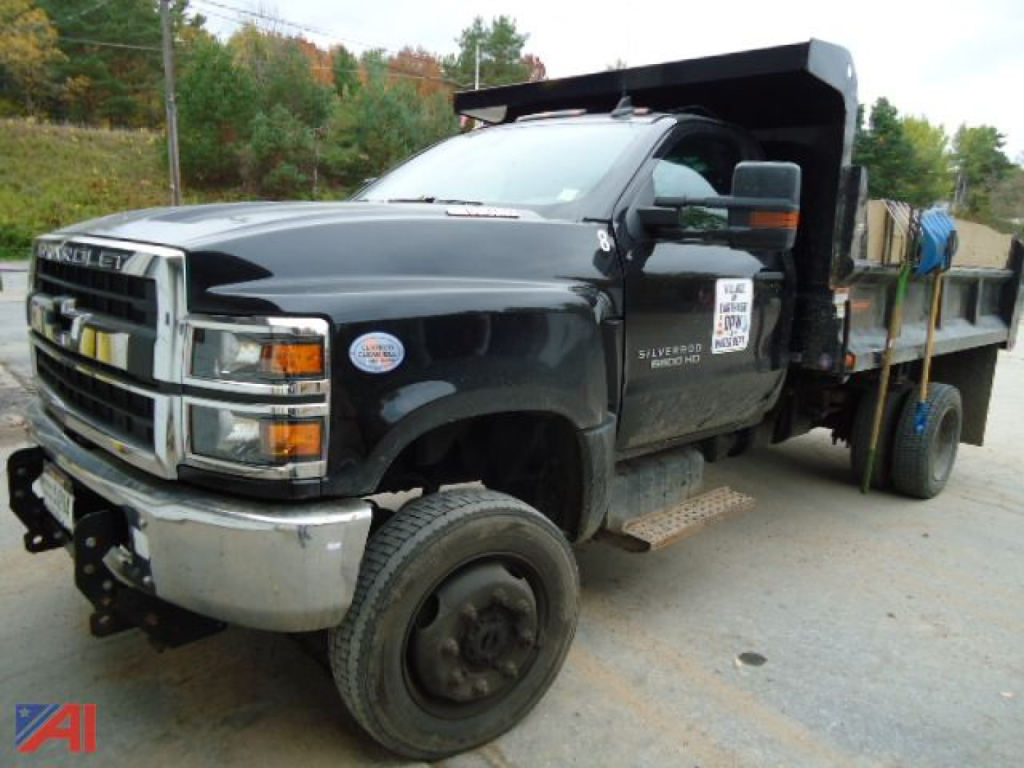
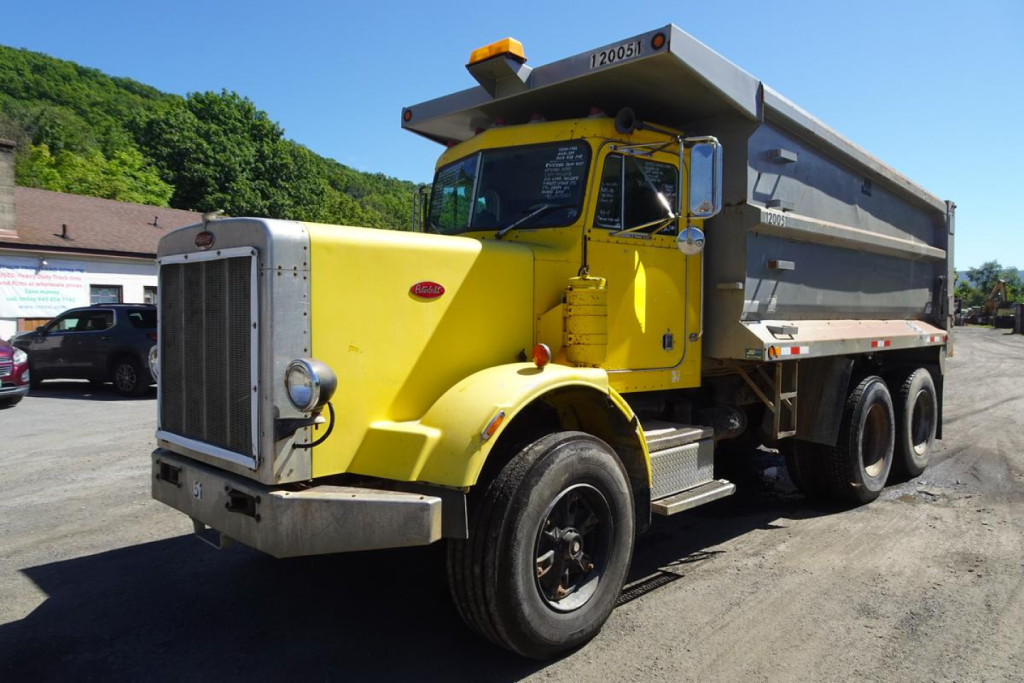
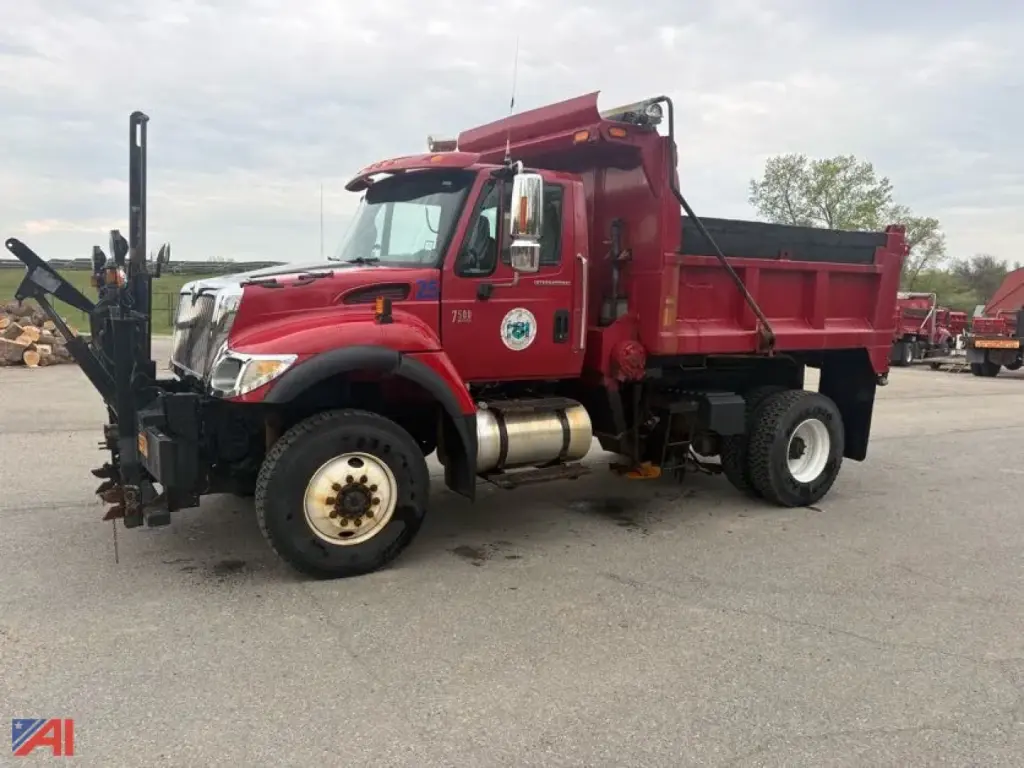
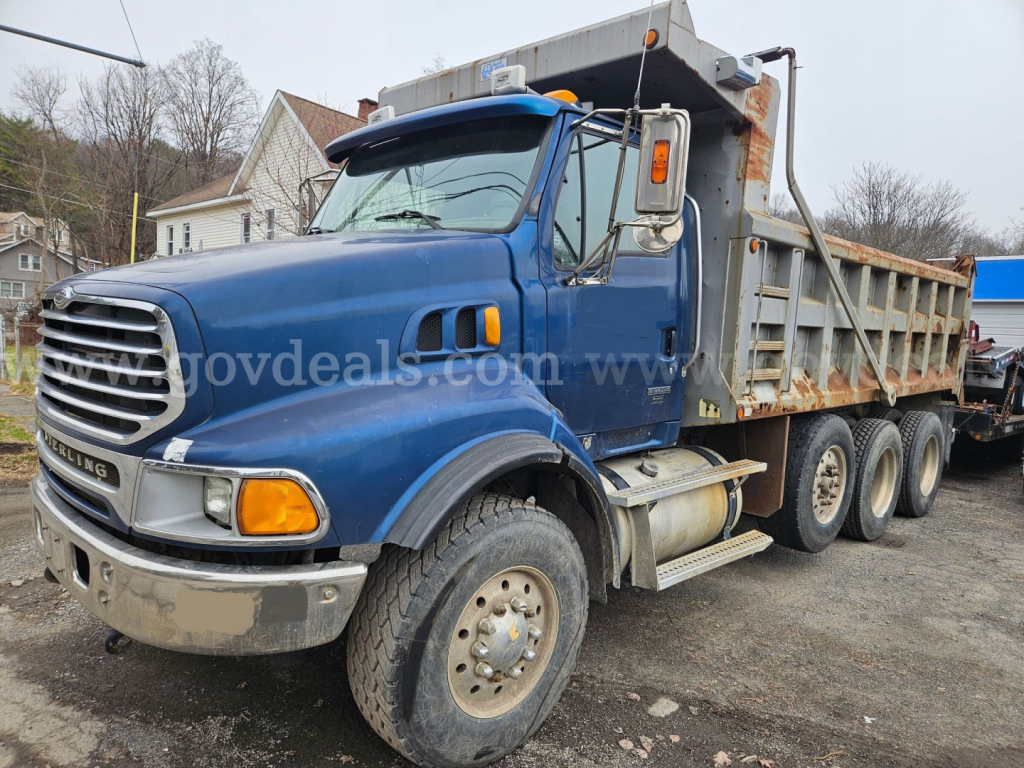
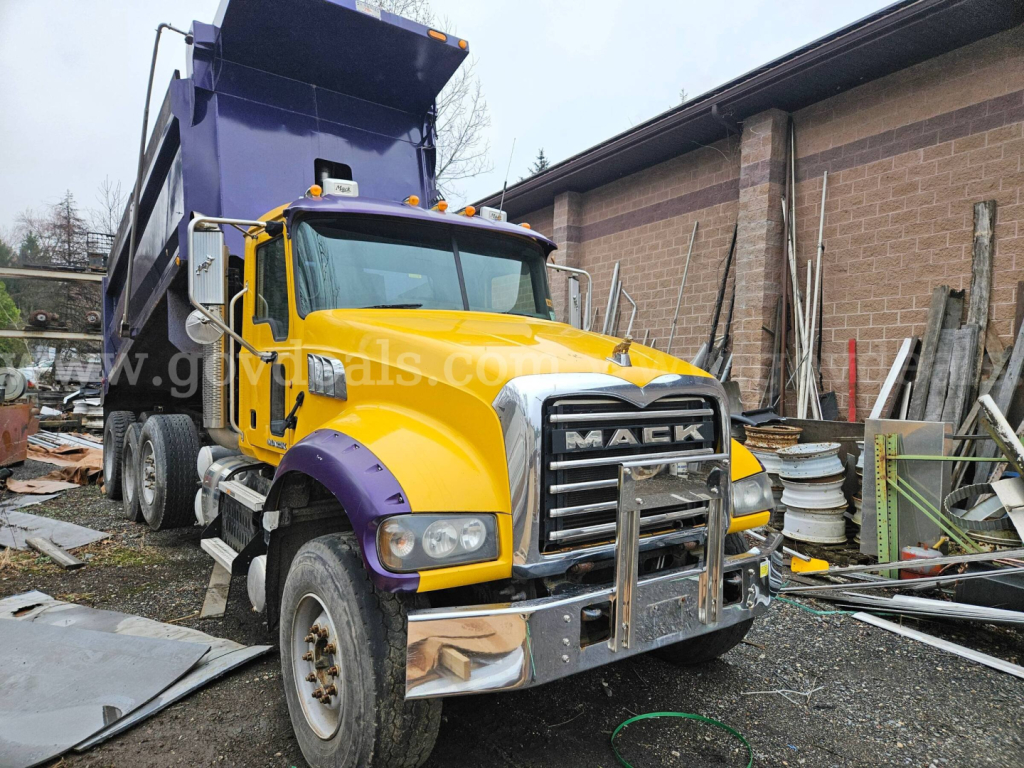
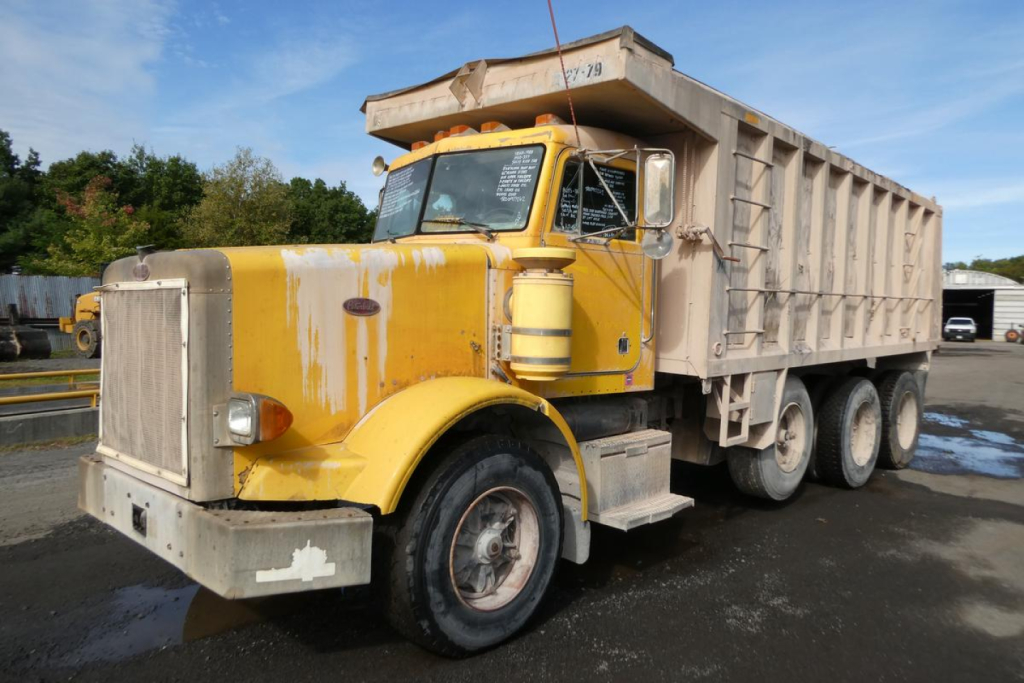
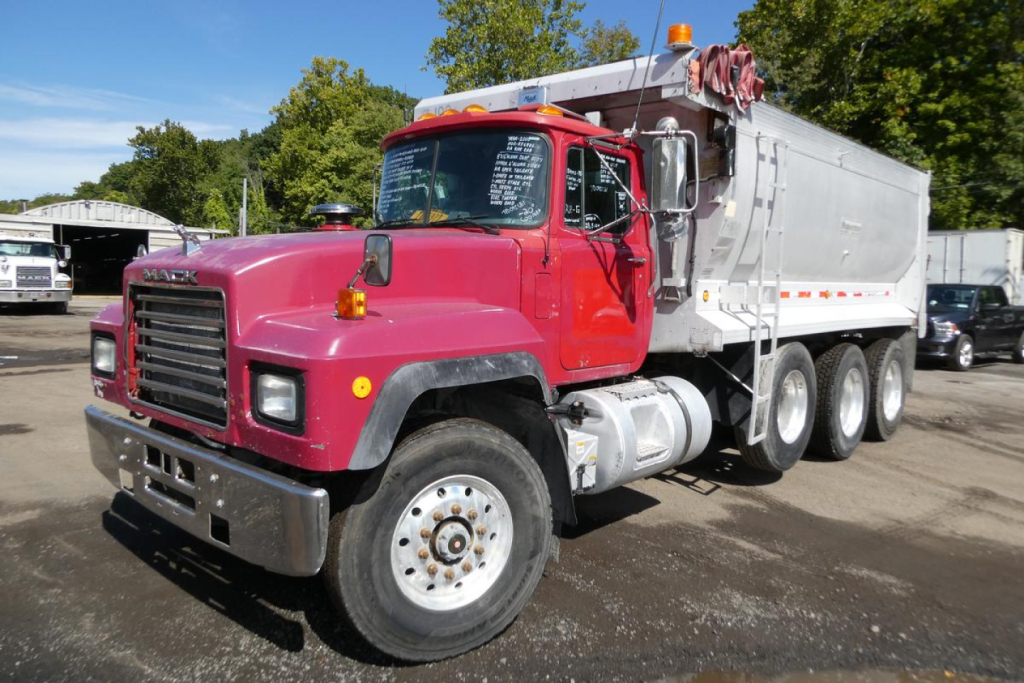
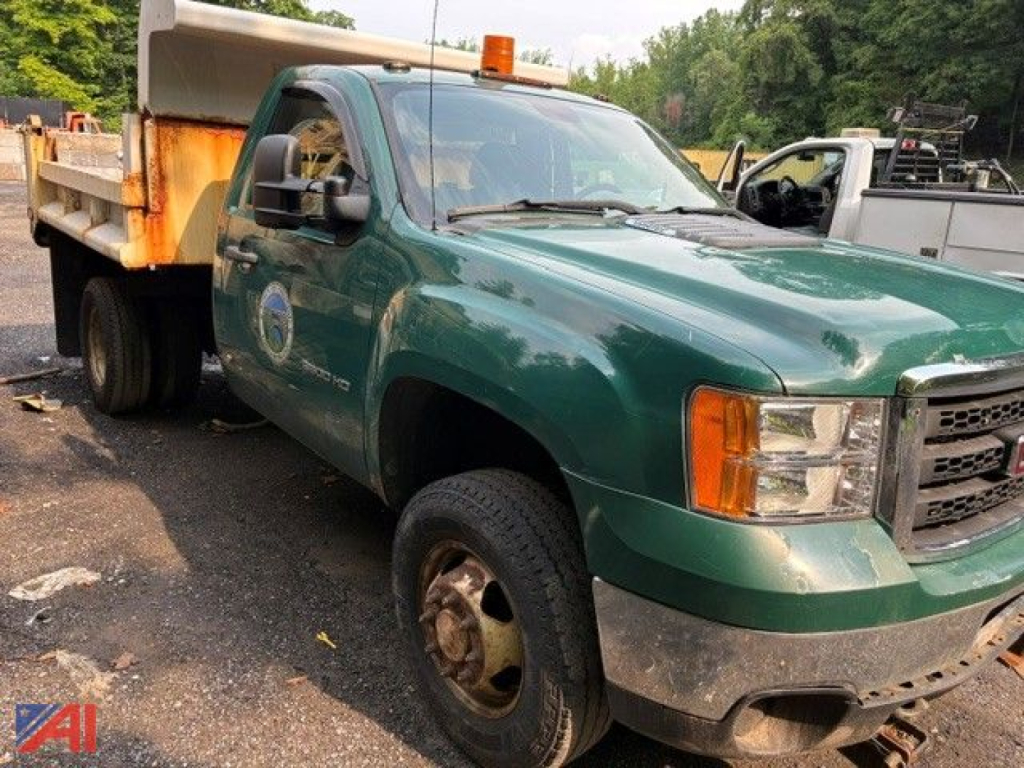
Showing 1 to 28 of 52 results
Selling a used dump truck? List your used dump truck for sale and reach thousands of commercial buyers.
Used Dump Trucks in New York
Body construction matters as much as the chassis. Steel dump bodies are common for abrasive material and hard use, while aluminum bodies help reduce empty weight and increase payload on weight-sensitive routes. Common body lengths in this segment run around 8 to 10 feet on smaller trucks and can extend longer on larger chassis. Buyers should check side height, tailgate style, chute setup, floor condition, and hoist design. Scissor hoists and telescopic cylinders are both common, and each should be inspected for seepage, uneven lift, and hinge wear. In New York, many used dump trucks also carry front plow hydraulics, sanders, central hydraulics, or wetline setups, which can add real value for highway departments, contractors, and snow contractors.
Chassis specs should match the terrain, payload, and duty cycle. Key items include GVWR, axle ratings, suspension type, frame design, wheelbase, cab-to-axle measurement, brake type, and rear axle ratio. Spring suspension is common on vocational dumps because it is simple and durable under shifting loads. Air brakes are preferred on larger trucks, while lighter models may use hydraulic brakes. Buyers comparing used dump trucks should pay close attention to PTO operation, front-engine hydraulic pumps, transmission type, and low-speed drivability under load. Manual transmissions remain common in older vocational trucks, though automatic setups are popular for plow and municipal work where constant shifting slows the route.
Condition is everything on a used dump truck, especially in a Northeast market. Corrosion around the cab corners, frame rails, crossmembers, body mounts, hoist subframe, tailgate pivots, and underbody should be checked carefully due to road salt exposure. It is also smart to inspect floor patches, cylinder pins, tarp hardware, electrical repairs, and evidence of hard plow use at the front frame horns and hydraulic connections. Engine hours can matter as much as odometer miles on municipal and seasonal units that idle for long periods. A strong used dump truck should have a dump body that raises smoothly, hydraulics that hold pressure, a frame that has not been compromised by rust, and a chassis spec that fits the actual payload instead of just the price point.
Frequently Asked Questions about Used Dump Trucks in New York
What size used dump truck makes the most sense for New York work?
The right size depends on where the truck will operate and what it will carry. A one-ton dump truck is easier to maneuver in tight neighborhoods, small commercial sites, and winter plow routes, but payload is limited. A medium-duty single-axle dump truck is usually the better fit for gravel, topsoil, asphalt, debris, and municipal road work because it offers stronger hoists, higher axle ratings, and better durability under repeated loading.
Is a steel or aluminum dump body better on a used truck?
Steel bodies are generally better for demolition material, rock, and abrasive loads because they resist impact damage and hard use. Aluminum bodies reduce tare weight and can improve legal payload, which matters when hauling lighter bulk materials or operating in weight-sensitive applications. On a used truck, overall condition matters more than material alone, so buyers should inspect the floor, sidewalls, tailgate, hinges, and hoist mounting points for cracking, corrosion, and poor repairs.
What should I inspect first on a used dump truck?
Start with the frame, hoist, and body. Check frame rails, crossmembers, spring hangers, body mounts, and the hoist subframe for rust, cracks, and signs of previous welding. Then cycle the dump body fully and confirm the PTO engages correctly, the cylinder lifts evenly, and the body does not drift down excessively. After that, review brake condition, steering play, front axle wear, hydraulic hoses, and any plow or sander hydraulics if the truck has municipal or snow equipment.
Are engine hours important on a used dump truck?
Yes. Engine hours are very important, especially on municipal and snow service trucks that may spend long periods idling while running hydraulics, plows, or spreaders. A truck with modest miles can still have significant engine wear if it spent years in stop-and-go duty or winter operations. Buyers should compare miles, hours, service history, and overall chassis wear together rather than relying on odometer reading alone.
What drivetrain and transmission setups are common on used dump trucks?
Used dump trucks commonly come with manual transmissions in older vocational chassis and automatics in lighter-duty or municipal applications. Many units use PTO-driven hydraulics, either from the transmission or from a front-engine hydraulic pump for constant-run operation. Rear axle ratios are often lower than highway trucks to improve startability and control under load, which is useful for jobsite work, plowing, and short-haul routes but may reduce road speed.