
Used 2014 Dump Trucks For Sale in New York

Have used 2014 dump truck to sell? List it here to reach thousands of buyers.
Used 2014 Dump Trucks in New York
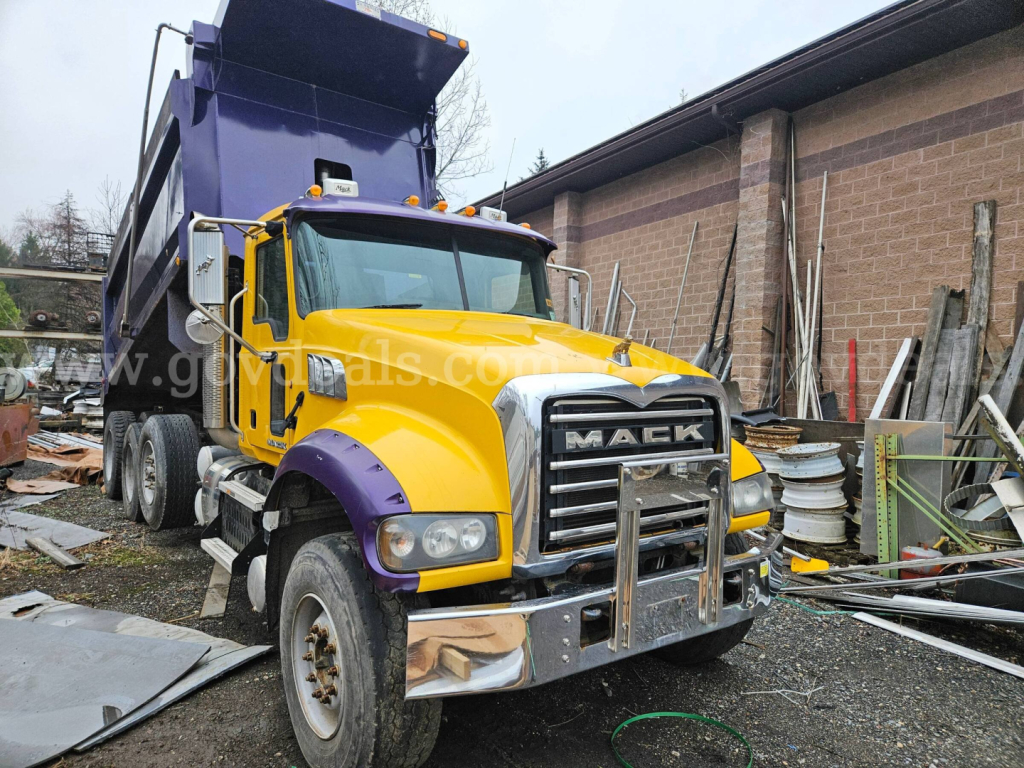
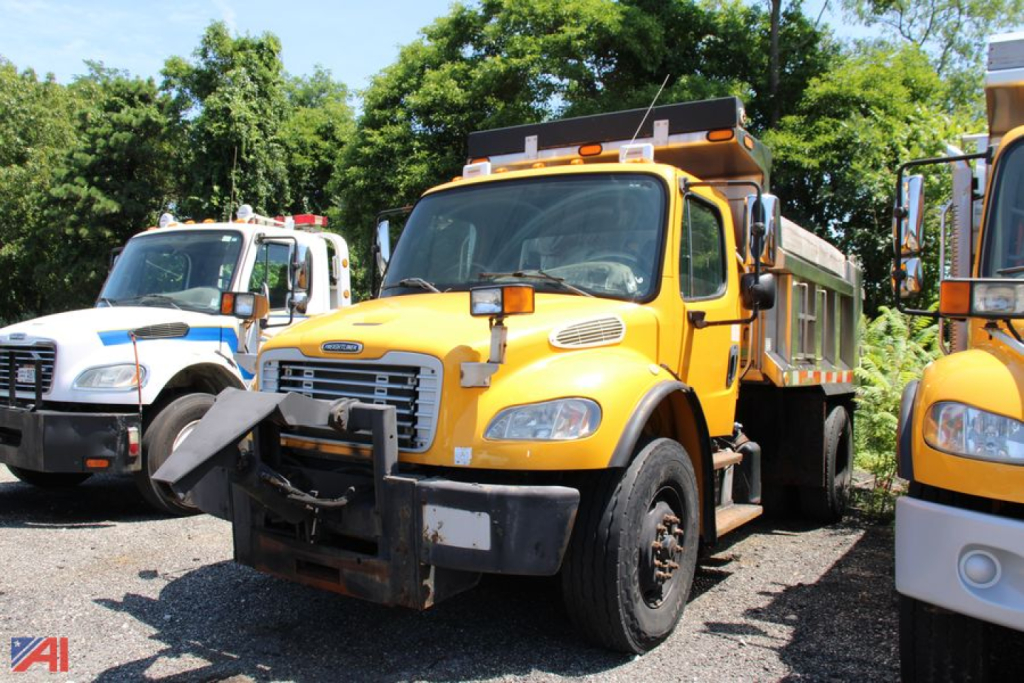
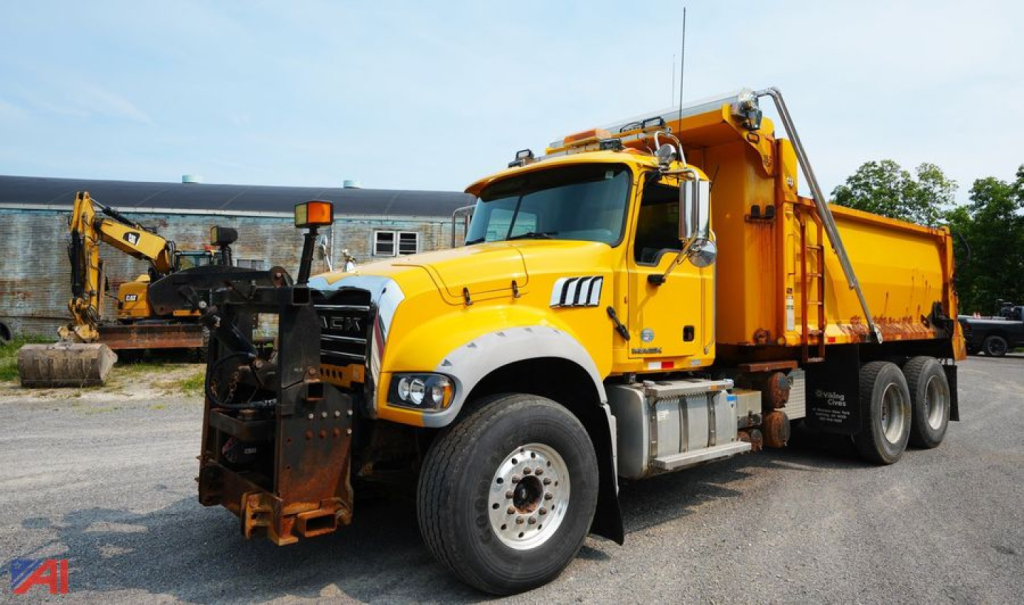
The first buying decision is usually truck class and axle configuration. Medium-duty single-axle dump trucks, including models like the Freightliner M2 106, fit landscapers, municipalities, and material delivery where maneuverability matters more than payload. Tandem-axle dumps are the standard for heavier aggregate, asphalt, demolition, and snow operations, and they commonly bring higher GVWR, heavier suspensions, and larger body capacities. Common specs in this category include diesel engines in the mid-range horsepower bands, Allison automatic or Fuller manual transmissions, steel dump bodies around 10 to 16 feet, underbody or telescopic hoists, locking rear differentials, and lift axles on higher-capacity setups. Buyers comparing listings should look at wheelbase, cab-to-axle, front axle rating, rears, suspension type, gear ratio, and whether the hydraulics run only the dump body or also support plows, spreaders, or other seasonal attachments.
Body condition and hydraulic condition usually tell the real story on a used dump truck. Check the floor for thin spots, patch plates, bowing, and impact damage from loaders. Inspect hinge points, tailgate pins, tarp systems, and cylinder mounts, then confirm the hoist raises smoothly under load and holds without drifting. On trucks that worked through New York winters, corrosion can hide in the body sills, spring hangers, brake backing plates, wiring, and inside the cab under rubber flooring. A municipal truck may show lower miles but higher idle hours and more seasonal attachment wear, while a contractor-owned truck may have more road miles but less exposure to salt. Neither is automatically better. The key is matching prior use to your application and verifying maintenance on brakes, steering, suspension, tires, and emissions components.
For buyers sorting through used 2014 dump trucks for sale, the best value usually comes from a truck whose spec matches the work without being overloaded with unused equipment. A short-wheelbase single-axle unit can outperform a larger truck on tight streets, residential deliveries, and year-round property maintenance. A tandem with a heavy steel body, double frame, and lift axle makes more sense for quarry runs, excavation, and asphalt crews. In New York, registration class, bridge-law considerations, seasonal road restrictions, and CDL requirements can affect real operating cost as much as the purchase price. Focus on payload, turning radius, body size, corrosion level, and PTO-hydraulic functionality first. Cosmetics matter far less than frame integrity, legal axle capacity, and a dump system that works every day.
Frequently Asked Questions about Used 2014 Dump Trucks in New York
What should I inspect first on a used 2014 dump truck in New York?
Start with corrosion, frame condition, and hydraulic operation. New York trucks often see snow and road salt, so rust on the frame rails, crossmembers, dump body, tailgate, hoist mounts, brake components, and wiring can be more important than paint or interior wear. After that, confirm the PTO engages properly, the hoist lifts smoothly, the cylinder does not leak excessively, and the body and tailgate are structurally sound.
Is a single-axle or tandem-axle 2014 dump truck better for my work?
A single-axle dump truck is usually better for tighter jobsites, local material delivery, landscaping, and municipal work where maneuverability matters. A tandem-axle dump truck is the better choice for heavier payloads, aggregate, demolition, paving, and excavation. The right choice comes down to legal axle weight, body capacity, turning radius, and the type of roads and jobsites the truck will see every day.
Are 2014 dump trucks affected by emissions system concerns?
Yes. Most 2014 diesel dump trucks use modern emissions equipment, including DEF and aftertreatment systems. Buyers should review service records for the DPF, DEF system, sensors, EGR components, and any prior derate or regeneration issues. A truck with documented emissions maintenance is usually a safer buy than one with no records, especially if it spent long periods idling in municipal or snow-plow service.
What body and hoist specs matter most on a used dump truck?
Body length, side height, material type, and hoist design all affect how the truck performs. Steel bodies are common for aggregate, demolition, and asphalt because they hold up well under impact. Buyers should also look at floor thickness, sidewall wear, tailgate design, tarp condition, and whether the truck uses an underbody hoist or telescopic cylinder. The most important point is that the body and hoist match the material being hauled and the duty cycle expected.
Why do some used dump trucks have low miles but still show heavy wear?
Low mileage does not always mean low use on a dump truck. Municipal and snow-service trucks can accumulate long idle hours, repeated PTO use, cold-weather starts, and corrosion exposure while covering relatively few road miles. Contractor trucks may show the opposite pattern with higher miles but steadier highway use. That is why hours, maintenance records, body condition, and undercarriage inspection are just as important as the odometer.