
Used 1999 Commercial Trucks For Sale in New York
Shop used 1999 trucks for sale in New York. Compare specs, body types, engines, axles, and applications for local or vocational work.
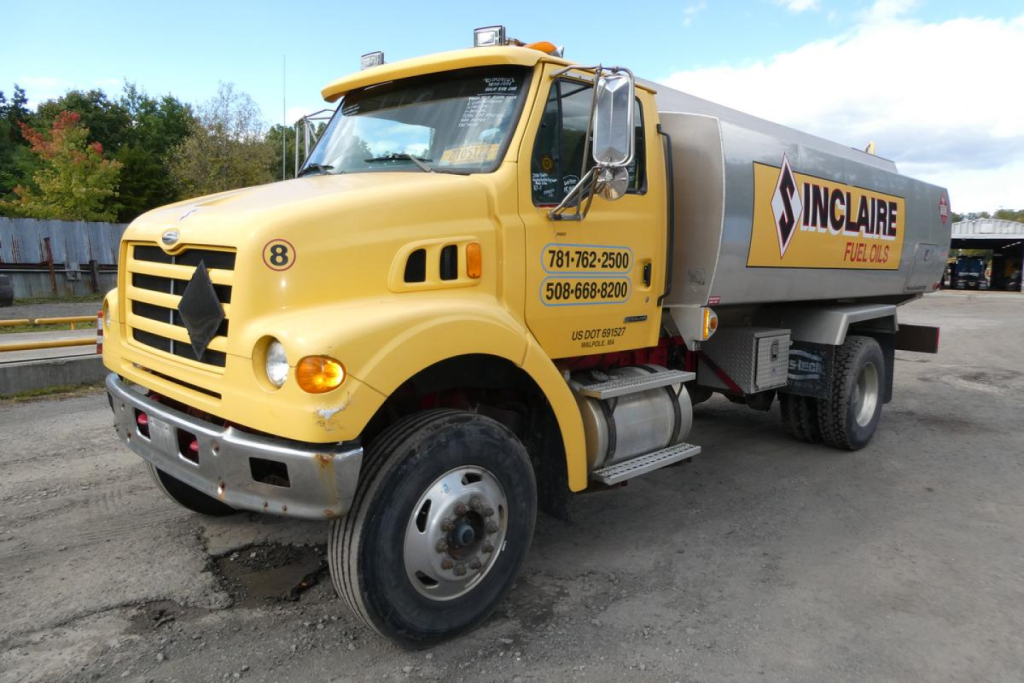
1999 Sterling L7500
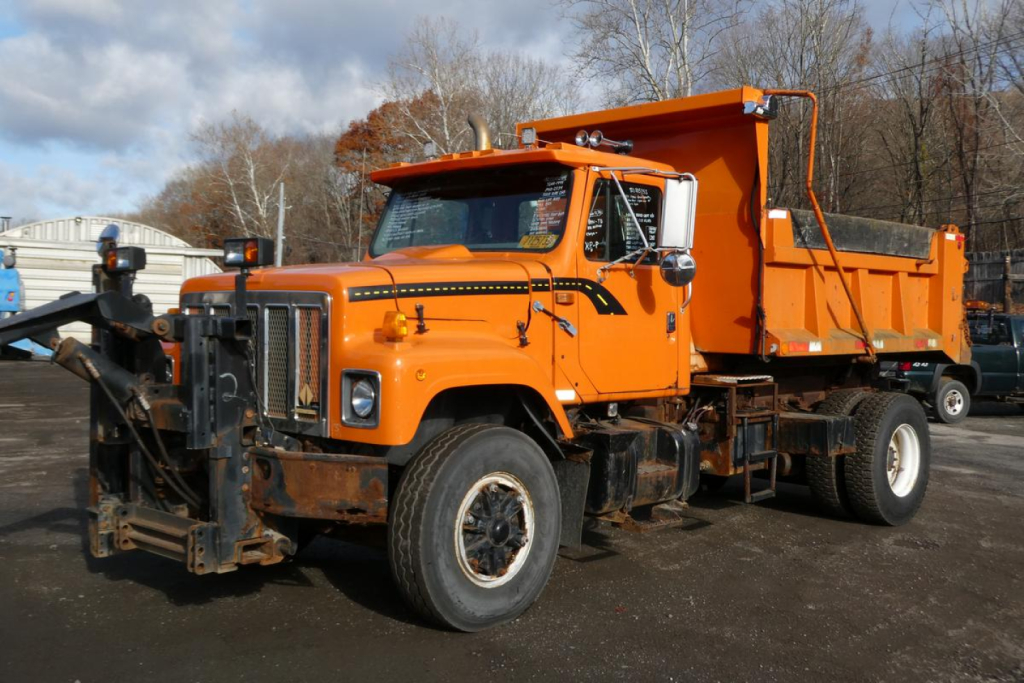
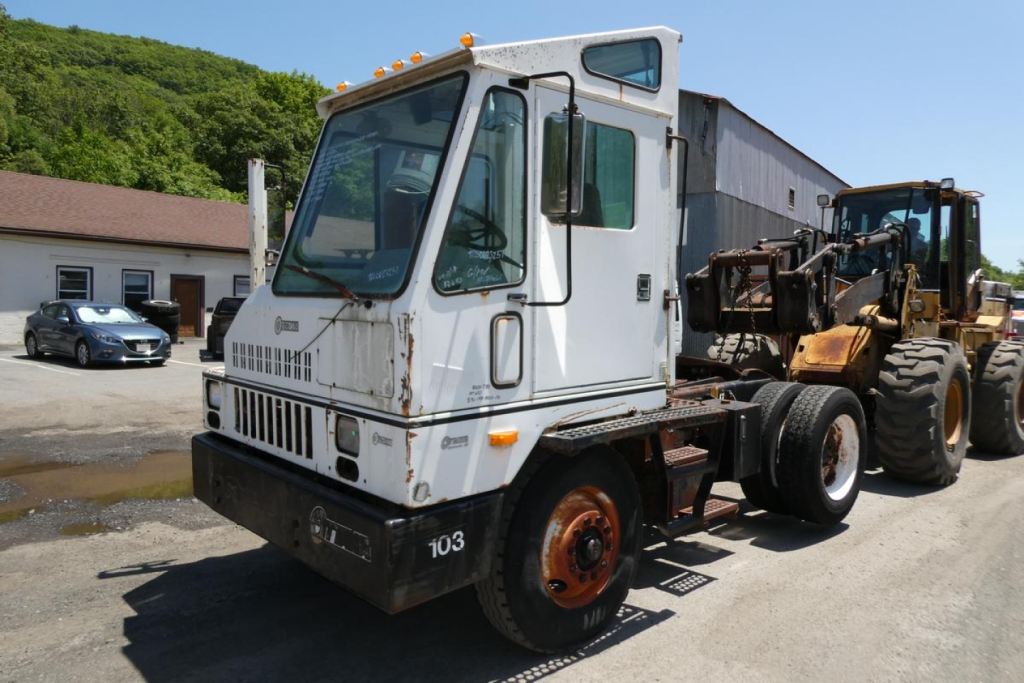
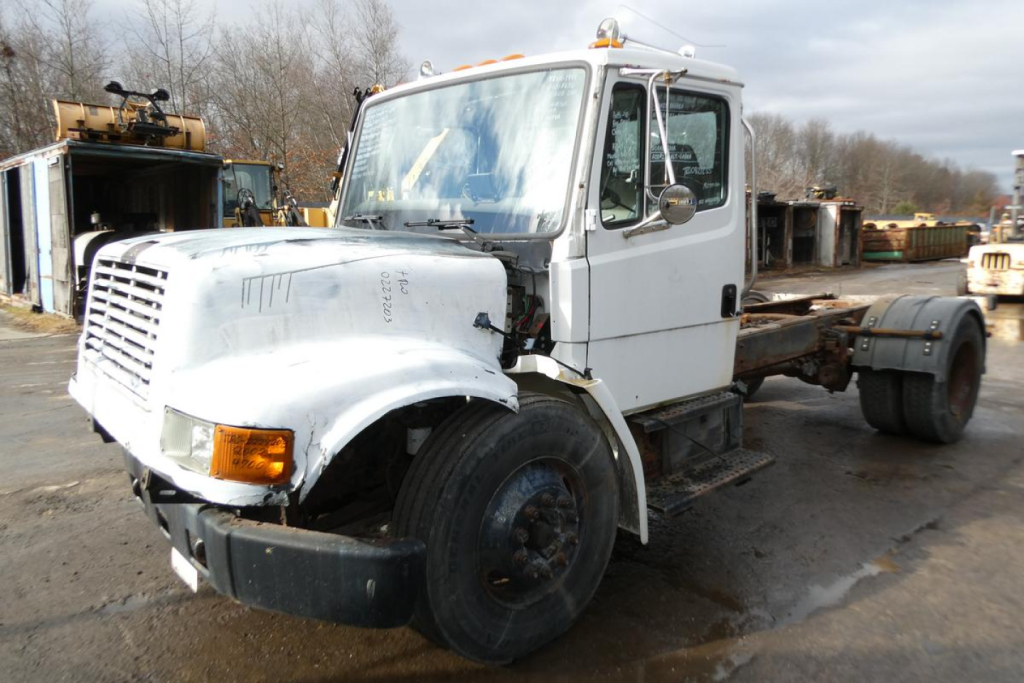
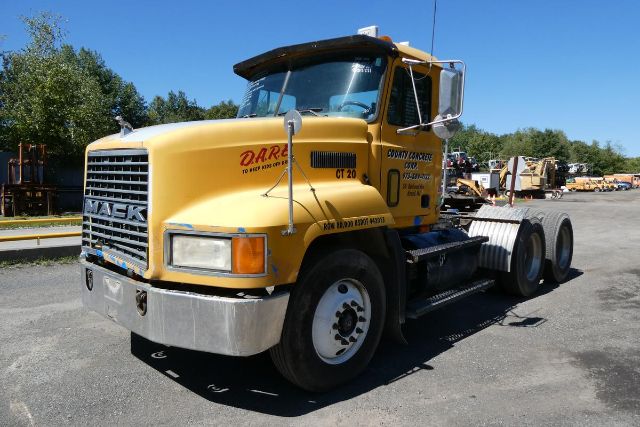
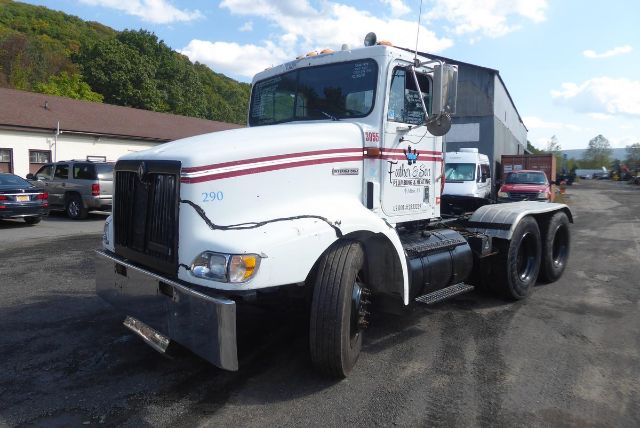
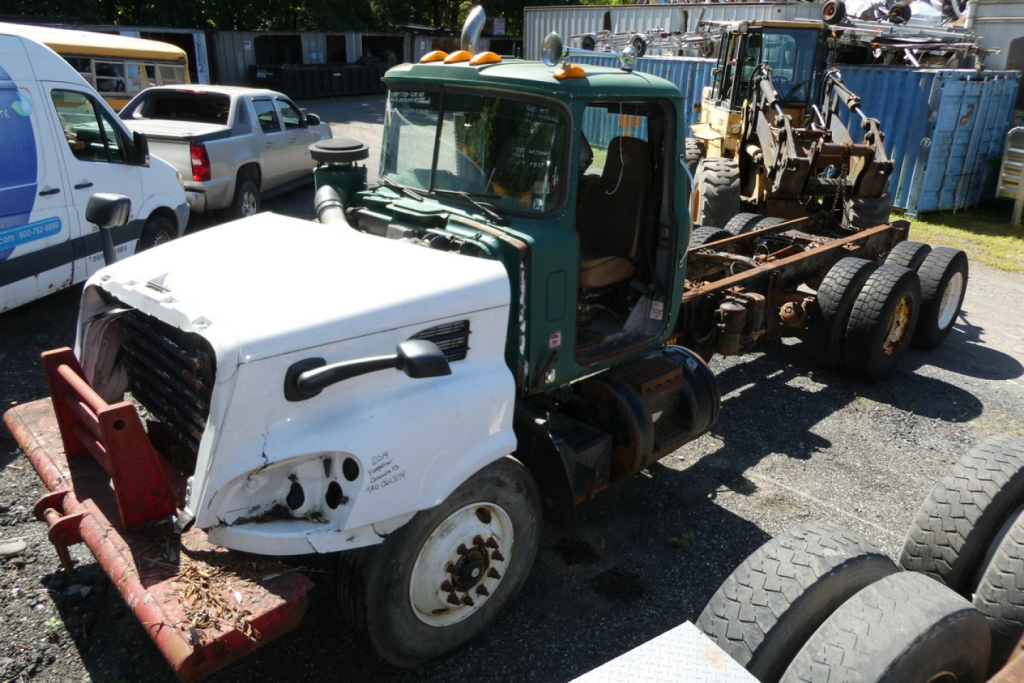
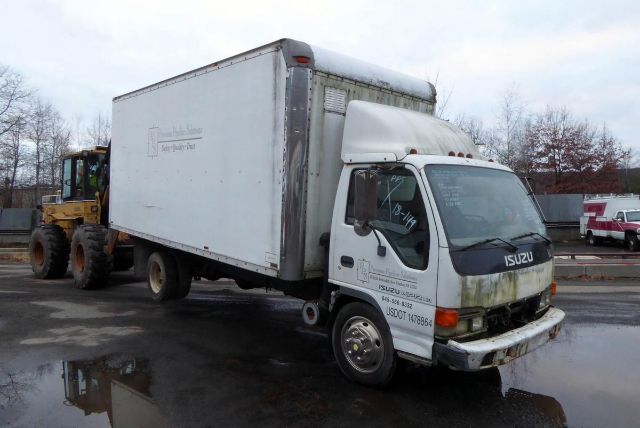
Selling a used 1999 commercial truck? List your used 1999 commercial truck for sale and reach thousands of commercial buyers.
Used 1999 Commercial Trucks in New York
Powertrain choices on 1999 model trucks often reflect the pre-emissions simplicity many buyers want. Mechanical and early electronic diesel engines from that era are still valued for easier diagnostics and fewer aftertreatment components. Depending on the truck class, common engines may include Cat, Cummins, Detroit Diesel, Mack, International, or Mercedes-Benz, paired with manual transmissions such as 8-speed, 9-speed, 10-speed, 13-speed, or Fuller and Eaton combinations. On vocational trucks, rear axle ratings, suspension type, PTO setup, and frame spec matter as much as horsepower. Double-frame construction, camelback or walking beam suspension, locking differentials, and hydraulic provisions can be more important than cab amenities if the truck is headed into construction, waste, or municipal work.
Body style and axle configuration should match the job. Single-axle 4x2 trucks are common for local delivery, lighter dump work, and short urban routes where maneuverability matters. Tandem 6x4 trucks are more common for heavier hauling, hooklift and roll-off work, paving support, and tri-axle conversions where legal payload is a priority. For road tractors, look at wheelbase, fifth wheel type, front axle rating, rear ratio, and suspension setup to see how the truck was originally ordered. A short wheelbase day cab works well around New York yards, ports, and city streets, while a longer tandem tractor may be better suited for regional freight or heavier trailer specs. Tire size, wheel type, brake system, and any wet kit or PTO equipment should also be matched to the intended use.
For a 1999 truck, inspection discipline is everything. Buyers should check engine blow-by, cold-start behavior, transmission synchronizers, clutch wear, driveline vibration, steering play, brake drum or rotor condition, and signs of frame repairs or stress cracks. Review axle ratings, GVWR, wheelbase, and body or equipment compatibility before comparing price. In New York, registration class, bridge law considerations, and local operating requirements can affect what looks like a good deal on paper. The best used 1999 trucks are usually the ones with clear maintenance history, a straightforward spec, and a remaining service life that matches a specific workload rather than trying to be a do-everything truck.
Frequently Asked Questions about Used 1999 Commercial Trucks in New York
What should I check first on a used 1999 truck in New York?
Start with rust and structural condition. On a 1999 truck in New York, frame corrosion, crossmember damage, spring hanger wear, cab mount deterioration, and rusted brake or fuel lines can be more costly than many engine repairs. After that, inspect engine condition, transmission operation, axle ratings, suspension wear, and any PTO or hydraulic equipment if the truck is vocational.
Are 1999 trucks still desirable because they are pre-emissions?
Yes, many buyers specifically look for 1999 trucks because they predate modern emissions systems such as DPF and SCR. That can mean a simpler engine package with fewer sensors and aftertreatment components to maintain. The tradeoff is age-related wear, possible parts availability issues on some models, and the need for a more careful mechanical inspection before purchase.
Which 1999 truck configuration is best for local work?
That depends on the application, but many local operators prefer single-axle day cabs or medium-duty chassis for delivery, municipal, and short-haul jobs because they are easier to maneuver and usually less expensive to maintain. For heavier local hauling, construction support, or waste applications, a tandem-axle 6x4 truck is often the better fit because of higher axle capacity, stronger frame options, and better traction.
How important are axle ratings and wheelbase on a 1999 truck?
Axle ratings and wheelbase are critical because they determine legal payload, body compatibility, and how the truck handles its intended job. A dump, roll-off, or tractor spec that looks similar at a glance can perform very differently based on front axle rating, rear axle capacity, frame strength, and wheelbase. Buyers should match these numbers to trailer size, body length, turning radius needs, and local weight requirements.
Is mileage the best way to judge a used 1999 truck?
No. Mileage matters, but on a 1999 truck condition and maintenance history matter more. Engine hours, idle time, prior application, service records, signs of overhaul work, and overall chassis condition usually tell you more than the odometer alone. A higher-mile truck with documented maintenance and a solid frame can be a better buy than a lower-mile truck with corrosion, neglect, or hard vocational use.