
Used 2010 Commercial Trucks For Sale in New York
Browse used 2010 trucks for sale in New York, including day cabs, cab and chassis, and vocational trucks with diesel powertrain options.
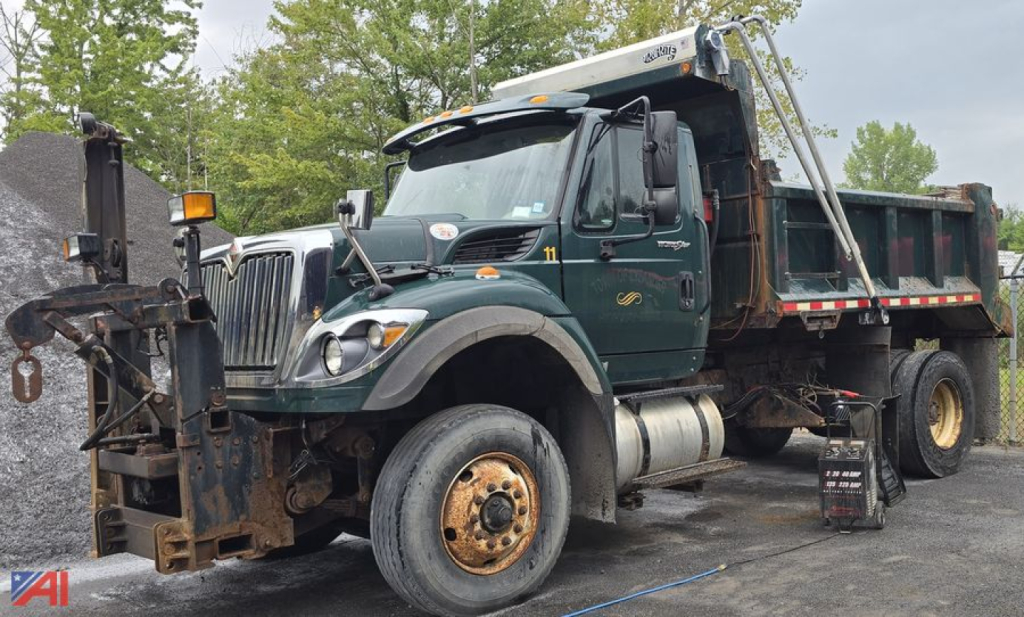
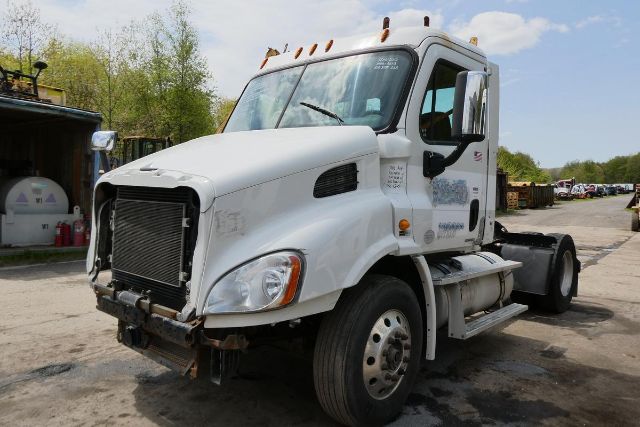
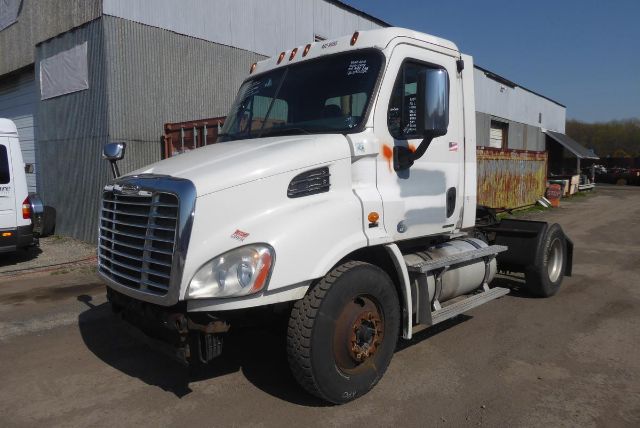
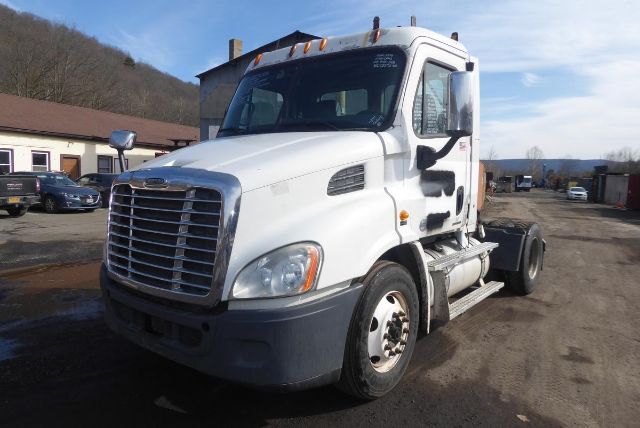
Selling a used 2010 commercial truck? List your used 2010 commercial truck for sale and reach thousands of commercial buyers.
Used 2010 Commercial Trucks in New York
For 2010 model year trucks, emissions equipment deserves a careful review because this was a major transition period for diesel engines. Many 2010 trucks use SCR with DEF, along with EGR and diesel particulate systems, so service history matters. Look closely at fault codes, DPF service records, injector performance, regen history, and any signs of repeated derate issues. Common engine families in this era include Detroit, Cummins, Volvo, Paccar, MaxxForce, and International platforms, paired with 10-speed and 13-speed manuals, Allison automatics, or early automated manual transmissions. Rear axle ratios, wheelbase, and axle configuration should match the job, especially if the truck will stay in stop-and-go city work or pull at highway speeds.
A used 2010 truck can still be a practical value if the specs line up with the route and payload. Day cabs from this period are often found as 4x2 or 6x4 conventionals with air ride suspension, 11R22.5 rubber, 12,000-lb front axles, and rear axle ratings ranging from single-axle local haul setups to full tandem road specs. Cab and chassis trucks need extra attention on cab-to-axle measurement, frame height, PTO compatibility, and whether the rails have been drilled, stretched, or reinforced. In New York, overall length, bridge law considerations, and maneuverability in boroughs, older industrial zones, and tight loading docks can matter as much as horsepower.
The best 2010 used trucks are the ones with a clear maintenance story and a configuration that fits the work without expensive rework. Check engine hours against odometer miles, inspect suspension wear points, verify brake type, look at tire wear for alignment clues, and confirm that any body or fifth wheel setup matches your intended application. For buyers comparing multiple listings, the strongest value usually comes from a truck with a sound frame, documented emissions repairs, correct axle ratio, and a drivetrain combination that your shop already knows how to support.
Frequently Asked Questions about Used 2010 Commercial Trucks in New York
What should I inspect first on a used 2010 truck?
Start with the engine, emissions system, frame, and transmission. On a 2010 truck, fault code history and emissions service records are especially important because this model year commonly includes SCR, DPF, and EGR components that can be expensive to repair. After that, inspect frame rails for rust, flaking, cracks, and past modifications, then verify clutch or transmission operation, suspension wear, brake condition, and steer axle tire wear. A truck with average cosmetics but strong maintenance documentation is usually a better buy than a cleaner truck with no service history.
Are 2010 diesel trucks reliable enough for daily commercial use?
They can be, but reliability depends far more on maintenance history and application than on age alone. A properly maintained 2010 truck with documented engine, aftertreatment, and chassis service can still handle local, regional, or vocational work well. The biggest risk is deferred maintenance on emissions components, cooling systems, injectors, and wiring. Buyers should compare engine hours, mileage, idle time, and repair history to understand whether the truck was used in heavy stop-and-go service, highway work, or seasonal vocational duty.
What is the most important spec to match when buying a used 2010 truck in New York?
The most important spec is the truck's intended application, because that determines axle configuration, wheelbase, cab-to-axle, rear ratio, suspension, and transmission choice. A single-axle day cab for local trailer spotting is a very different truck from a tandem-axle tractor or a cab and chassis meant for a box or dump body. In New York, buyers also need to think about tight urban turns, bridge and weight restrictions, and corrosion from winter road treatment. The right layout can save major money in fuel, tire wear, and upfit costs.
Do 2010 trucks usually have DEF systems?
Many 2010 heavy-duty trucks do have DEF because 2010 was the start of a major emissions change for Class 8 diesel engines. That means buyers should confirm whether the truck uses SCR, review DEF and DPF maintenance records, and check for active or stored emissions faults. Not every truck in the broader market will be spec'd the same way, especially across weight classes and body types, so the engine family and VIN-specific emissions configuration should always be verified before purchase.
Is a used 2010 cab and chassis a good platform for a new body installation?
It can be, provided the frame dimensions and mechanical condition are right. Buyers should verify cab-to-axle, cab-to-end, axle ratings, frame height, PTO provisions, and whether the rails are clean enough for the intended upfit. Previous body mounting holes, corrosion around brackets, and any frame alterations should be inspected closely. A 2010 cab and chassis can be a cost-effective foundation for a box, flatbed, dump, utility, or rollback body if the chassis measurements match the build and the powertrain does not need major immediate work.