
Used 2010 Conventional Daycab Trucks For Sale in New York
Browse used 2010 conventional daycab trucks for sale in New York. Compare wheelbase, axle ratings, engines, transmissions, and specs.
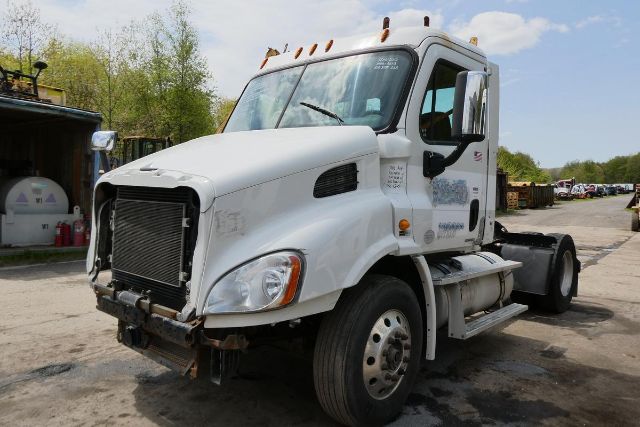
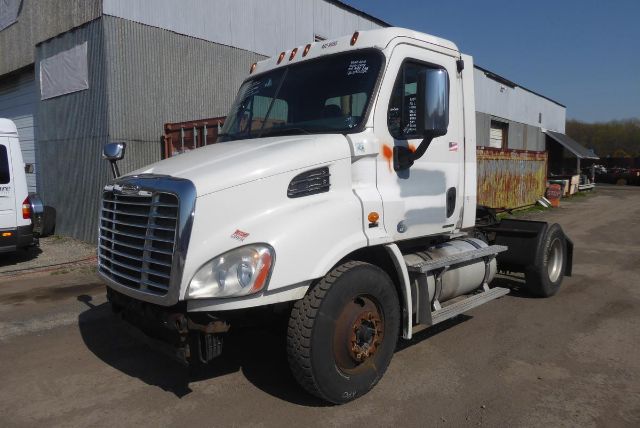
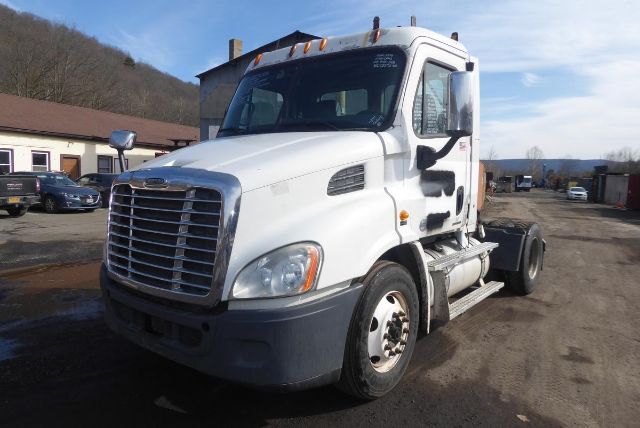
Selling a used 2010 conventional daycab truck? List your used 2010 conventional daycab truck for sale and reach thousands of commercial buyers.
Used 2010 Conventional Daycab Trucks in New York
The first specs to compare are wheelbase, rear axle rating, suspension type, and fifth wheel arrangement. Many daycabs in this class fall into 154-inch to 180-inch wheelbases, with single-axle and tandem-axle versions both common. A lighter single-axle truck with a 23,000 lb rear and 32,000 lb GVW can be a good fit for local route work and weight-sensitive operations. Tandem daycabs with 40,000 lb rears, power divider, and 52,000 lb GVW are better suited for heavier regional freight, lowboy pulls, or jobs where traction and payload support matter more than curb weight. Air slide fifth wheels add flexibility for kingpin settings and axle balance, while a stationary fifth wheel can be fine for dedicated trailer setups.
Powertrain choices on used 2010-era conventional daycab trucks often include engines such as the Cummins N14 on older units and electronic Detroit, Volvo, or similar engines on newer-spec trucks around that period, usually paired with 10-speed manual or 12-speed automated manual transmissions. Buyers should pay close attention to horsepower, torque rating, rear-end ratio, and emissions equipment. Trucks from this era may be pre-DEF, early DEF, or built around changing emissions standards, so maintenance history is important. In city and regional service, engine hours can matter as much as odometer miles because long idle time, PTO use, and traffic congestion all affect wear. Brake spec is another real-world decision point. Drum brakes remain common and simple to service, while air disc brakes can improve stopping feel and reduce maintenance on certain duty cycles.
Cab condition and frame layout matter more on a daycab than many buyers expect. Check cab-to-axle and cab-to-end dimensions if you plan to run wet kits, hydraulic tanks, headache racks, or frame-mounted equipment. Single-frame setups are common, but vocational conversions may need room for PTO hardware, wetline components, or specialty bodies. Look closely at suspension design, tire size, wheel type, and signs of rust or corrosion, especially for trucks that have spent time in northeastern winter conditions. For New York operators, a well-matched conventional daycab is less about cosmetic features and more about legal weight distribution, reliable cold-weather starting, easy service access, and the ability to handle dense traffic without giving up highway stability.
Frequently Asked Questions about Used 2010 Conventional Daycab Trucks in New York
What is a conventional daycab truck used for?
A conventional daycab truck is a road tractor without a sleeper compartment, designed primarily for local and regional hauling. Common uses include container drayage, dry van, reefer, tanker, flatbed, dump transfer, and lowboy work depending on axle ratings, wheelbase, and PTO or wet kit configuration. The shorter cab layout improves maneuverability and reduces empty weight compared with a sleeper tractor, which makes it a strong choice for urban freight and multi-stop operations.
What specs matter most when buying a used 2010 daycab in New York?
Wheelbase, axle ratings, rear-end ratio, transmission type, and fifth wheel setup are the key specs to review first. In New York service, buyers should also pay close attention to turning radius, bridge-law implications, frame condition, suspension wear, and corrosion from road salt exposure. Engine hours are important because local and port-related work often produces high idle time even when total miles look moderate.
Is a single-axle or tandem-axle daycab better?
A single-axle daycab is generally better for lighter local work, tighter routes, and lower operating weight, while a tandem-axle daycab is better for heavier freight, improved traction, and higher GVW applications. The right choice depends on trailer type, expected payload, and operating territory. Tandem trucks are more versatile for mixed work, but single-axle units can offer lower tire, maintenance, and fuel costs in the right application.
Should I choose a manual or automated transmission in a used conventional daycab?
A manual transmission can offer lower acquisition cost and familiar serviceability, especially in fleets with experienced drivers and in-house maintenance. An automated manual can reduce driver fatigue in stop-and-go traffic and help standardize shifting behavior across multiple operators. The better option depends on your route profile, driver pool, and maintenance support. In dense city service, automated manuals often improve drivability, while manuals remain popular in vocational and owner-operator applications.
How do I evaluate engine condition on a used 2010 daycab truck?
Start with total miles, ECM miles if available, engine hours, cold-start behavior, blow-by, fault codes, and service records. On daycabs that have worked urban or port routes, hours can tell more than odometer readings because idling and low-speed operation increase engine wear without adding many miles. Buyers should also verify emissions system status, transmission operation, axle noise, brake condition, and any evidence of injector, turbo, EGR, DPF, or DEF-related repairs where applicable.