
Used 2010 Freightliner Conventional Daycab Trucks For Sale in New York
Shop used 2010 Freightliner conventional daycab trucks for regional haul, local delivery, port work, and vocational tractor applications.
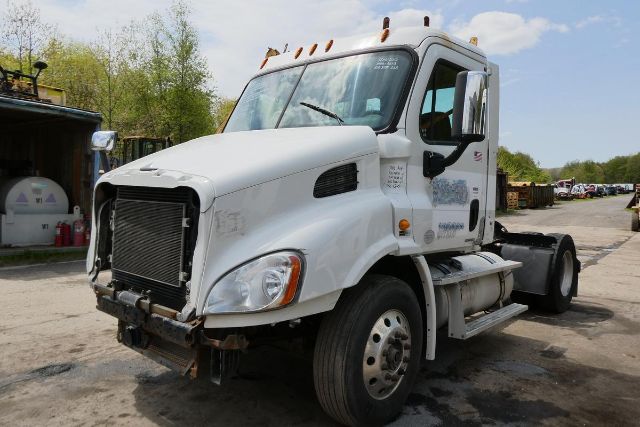
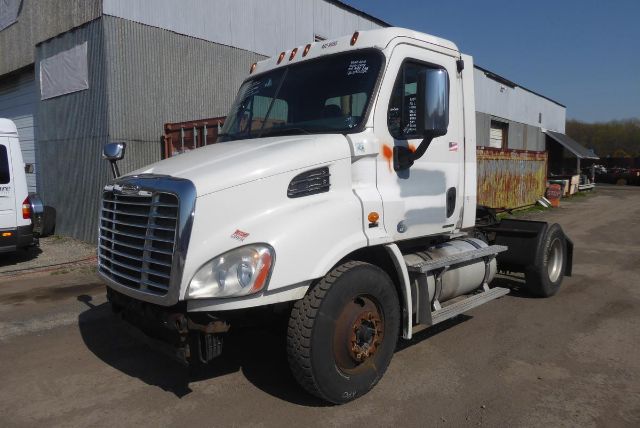
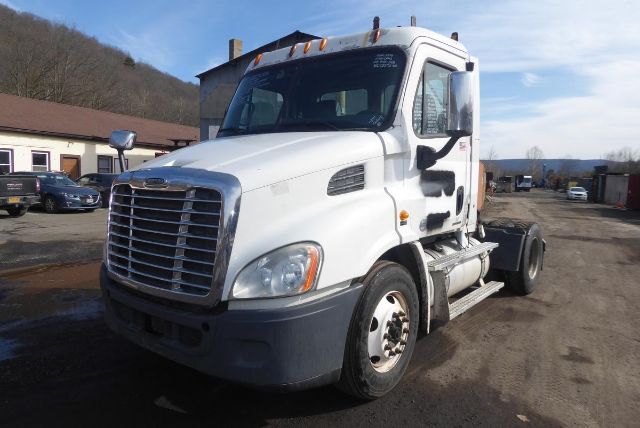
Selling a used 2010 freightliner conventional daycab truck? List your used 2010 freightliner conventional daycab truck for sale and reach thousands of commercial buyers.
Used 2010 Freightliner Conventional Daycab Trucks in New York
For a 2010 Freightliner daycab, the main buying decision starts with drivetrain and emissions equipment. Common engine choices in this class include Detroit power, often in the DD13 range, paired with manual or automated transmissions. Rear axle ratings, suspension type, and axle ratio have a direct effect on performance and operating cost. A truck with a 2.64 or 2.67 ratio generally favors fuel economy and higher road speed in lighter regional service, while a 3.08 or 3.42 ratio is better suited to heavier loads, frequent starts, and mixed terrain. Buyers should also confirm whether the truck has a 4x2 or 6x4 setup, power divider, air ride suspension, and a sliding or fixed 5th wheel, since those details determine how well the tractor matches van, reefer, flatbed, tanker, container, or converter dolly work.
Cab and chassis dimensions matter more on a daycab than many buyers expect. Wheelbase, cab-to-axle, and cab-to-end dimensions affect trailer swing clearance, bridge law flexibility, and how easily the truck can be repurposed for a wet kit, headache rack, frame-mounted equipment, or a pintle application. Freightliner conventional daycabs are also known for parts availability and broad service support, which is important on older used units. Pay close attention to front axle rating, rear suspension capacity, brake type, tire size, and frame specification, especially if the truck will be used for heavier regional freight or vocational pulling. In New York, buyers often prioritize corrosion condition, frame integrity, and suspension wear because of winter road treatment and stop-and-go duty cycles.
Condition is the separator in this age group. On a used 2010 Freightliner conventional daycab, the best value usually comes from matching the truck's current mechanical condition to the intended job. A fleet-ready unit should be checked for engine hours versus odometer, aftertreatment history, clutch or automated transmission calibration, brake wear, kingpin and 5th wheel condition, steer axle tire pattern, and signs of frame or cab rust. If the truck is being considered for rebuild, parts use, or export, confirm completeness of the powertrain, interior, wiring, and emissions components before comparing price alone. A well-spec'd daycab can be a durable, efficient tractor, but the right purchase comes down to axle ratings, gearing, wheelbase, and maintenance history lining up with the work.
Frequently Asked Questions about Used 2010 Freightliner Conventional Daycab Trucks in New York
What is a conventional daycab truck used for?
A conventional daycab truck is typically used for local and regional hauling where the driver returns home daily and does not need a sleeper. Common applications include dry van, reefer, flatbed, drayage, tanker, LTL, and terminal work. The shorter cab and chassis layout also makes a daycab easier to maneuver in city traffic, distribution centers, and crowded yards.
What should I check first on a used 2010 Freightliner daycab?
Start with the engine, transmission, axle ratings, and emissions system, because those items determine both operating cost and job suitability. Review engine hours if available, look for aftertreatment repairs, inspect the frame for corrosion, and check whether the wheelbase and 5th wheel setup fit the trailers you plan to pull. Brake condition, suspension wear, and tire wear patterns also tell you a lot about how the truck has been maintained.
Which axle ratio is best for a Freightliner daycab?
The best axle ratio depends on the work. Lower numerical ratios such as 2.64 or 2.67 are usually chosen for fuel-efficient highway and lighter regional service. Ratios like 3.08 or 3.42 are more common when the truck handles heavier loads, more stop-and-go operation, or routes with grades. The ratio should be evaluated together with transmission type, horsepower, and expected gross combination weight.
Are 2010 Freightliner conventional daycabs good for regional hauling?
Yes, a 2010 Freightliner conventional daycab can be a strong regional tractor when it has the right spec and maintenance history. Freightliner daycabs are widely used in regional fleets because they are generally straightforward to service, have broad parts support, and can be configured for different trailer types. The key is making sure the suspension, wheelbase, gearing, and engine output match the lanes and load weights.
Why do wheelbase and cab-to-axle matter on a daycab?
Wheelbase and cab-to-axle measurements affect turning radius, weight distribution, trailer clearance, and upfit flexibility. A shorter wheelbase is often preferred for urban and yard work, while a longer setup may be better for ride quality, heavier components, or certain trailer combinations. These dimensions also matter if you plan to add frame-mounted equipment, use a sliding 5th wheel, or meet specific bridge and axle spacing requirements.