
Used 2010 Conventional Daycab Trucks For Sale
Shop used 2010 conventional daycab trucks. Compare wheelbase, axle ratios, engines, transmissions, GVWR, and fifth wheel setup.
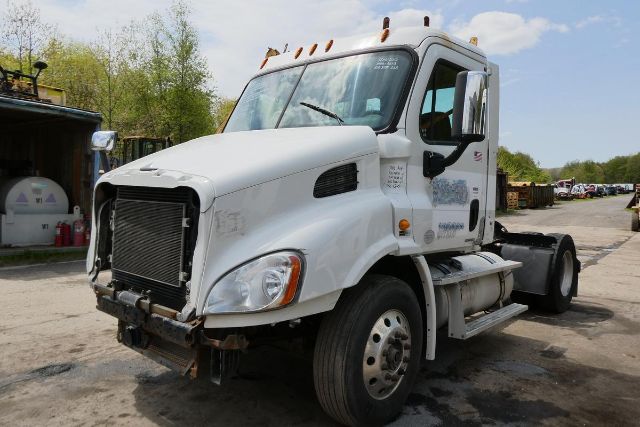
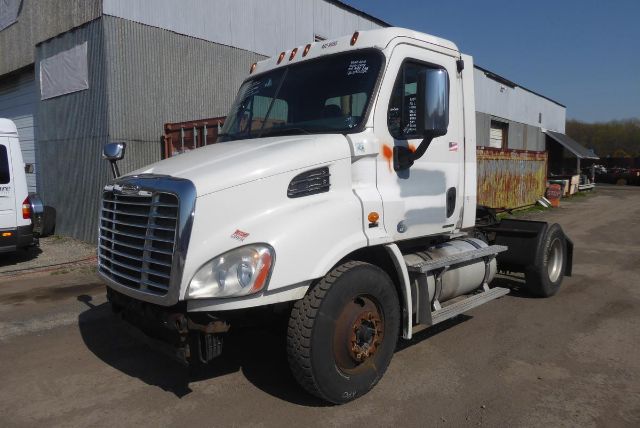
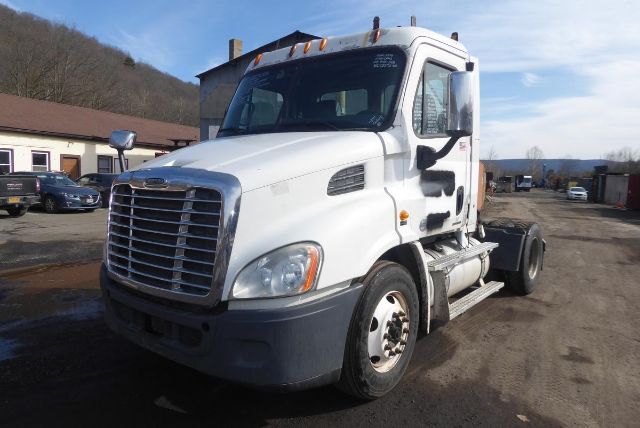
Selling a used 2010 conventional daycab truck? List your used 2010 conventional daycab truck for sale and reach thousands of commercial buyers.
Used 2010 Conventional Daycab Trucks
Most 2010 conventional daycab trucks in the market use tandem axles with front axles around 12,000 pounds and rears commonly rated at 34,000 to 40,000 pounds, though lighter single-axle setups also exist. Wheelbases often fall in the 160-inch to 180-inch range, which is a practical spread for balancing turning radius with ride quality and trailer clearance. Common engines for this year include Detroit, Cummins, Caterpillar on some pre-emissions carryover applications, and OEM-specific platforms depending on make. Horsepower often lands between 350 and 450 hp for regional work, paired with 10-speed manuals, automated manuals, or fuller direct and overdrive transmissions. Rear axle ratios like 3.36, 3.42, 3.55, and 3.73 are worth close attention because they directly affect launch performance, cruise rpm, and fuel economy.
Because 2010 sits in an important emissions era, buyers should pay close attention to aftertreatment configuration, service history, and fault activity. Many 2010 trucks fall into the first wave of SCR and DEF-equipped heavy-duty specs, so it is smart to verify DPF condition, DEF system maintenance, EGR performance, engine hours, and ECM mileage against the odometer. A clean used daycab with documented injector, turbo, one-box, or DPF service can be a better value than a lower-priced truck with deferred emissions repairs. Cab condition also matters more than many buyers expect on a daycab because drivers are climbing in and out all day. Look for seat wear, HVAC performance, steering play, suspension bushing condition, brake type, and frame integrity around the fifth wheel mounting area.
The best 2010 conventional daycab is the one whose spec matches the route and trailer. A shorter wheelbase with an air slide fifth wheel suits mixed trailer fleets and city work. A heavier rear axle, air ride suspension, and higher GVWR make more sense for bulk, tanker, or severe regional service. Buyers running dedicated highway lanes may prefer an aerodynamic hood, lower axle ratio, and automated transmission for fuel savings and driver acceptance. Buyers working construction support or farm lanes may lean toward simpler drivetrains, steel wheels, and manual transmissions for ease of service. On any used 2010 day cab, the most important evaluation points are emissions health, drivetrain spec, prior application, and maintenance records rather than just miles alone.
Frequently Asked Questions about Used 2010 Conventional Daycab Trucks
What is a conventional daycab truck used for?
A conventional daycab truck is used for local and regional hauling where the driver returns home daily and does not need a sleeper. Common applications include dry van, reefer, tanker, flatbed, intermodal, dedicated route service, and short-haul bulk work. The daycab layout reduces overall length and weight, which improves maneuverability and can increase payload efficiency compared with a sleeper tractor.
What should I check first on a used 2010 daycab truck?
Start with the emissions system, engine hours, ECM mileage, and maintenance records. A 2010 model often falls into an early SCR and DEF emissions period, so DPF service history, fault codes, EGR condition, and DEF system repairs are important. After that, confirm axle ratings, wheelbase, transmission model, rear axle ratio, suspension type, and fifth wheel setup so the truck matches the trailers and routes it will actually pull.
Is a 2010 conventional daycab good for regional freight?
Yes, a properly spec'd 2010 conventional daycab can still be a solid regional freight tractor. Many were built with 350 to 450 horsepower engines, tandem rear axles, and wheelbases that work well for short and medium-length lanes. The truck is best suited for operations that value maneuverability, lower acquisition cost, and simpler day-to-day driver use, provided the drivetrain and emissions components have been maintained correctly.
What wheelbase is common on a conventional daycab?
Many conventional daycab trucks are found in the 160-inch to 180-inch wheelbase range, although exact dimensions depend on axle configuration and application. A shorter wheelbase generally helps in tight yards, city streets, and intermodal work. A longer wheelbase can improve ride quality, frame space, and trailer clearance for certain body or equipment setups.
How important is axle ratio on a used daycab tractor?
Axle ratio is one of the most important specs because it affects startability, road speed, engine rpm, and fuel economy. Ratios such as 3.73 or 3.55 usually favor heavier starts and lower-speed regional service, while 3.36 or 3.08 may better suit highway-oriented operations. The right ratio depends on terrain, trailer weight, tire size, transmission gearing, and the speed the truck will run most often.