
Used 1997 Commercial Trucks For Sale in New York
Shop used 1997 trucks in New York; pre‑emissions power, strong floors, solid thermal integrity, low tare strategies, and corrosion checks that matter.
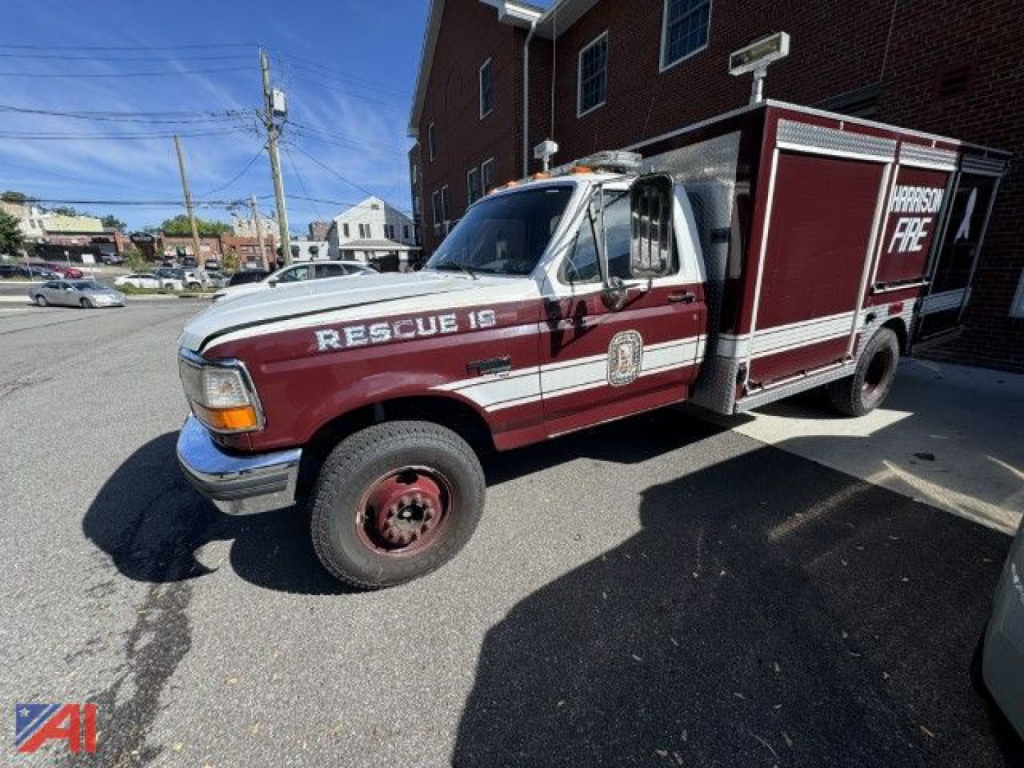
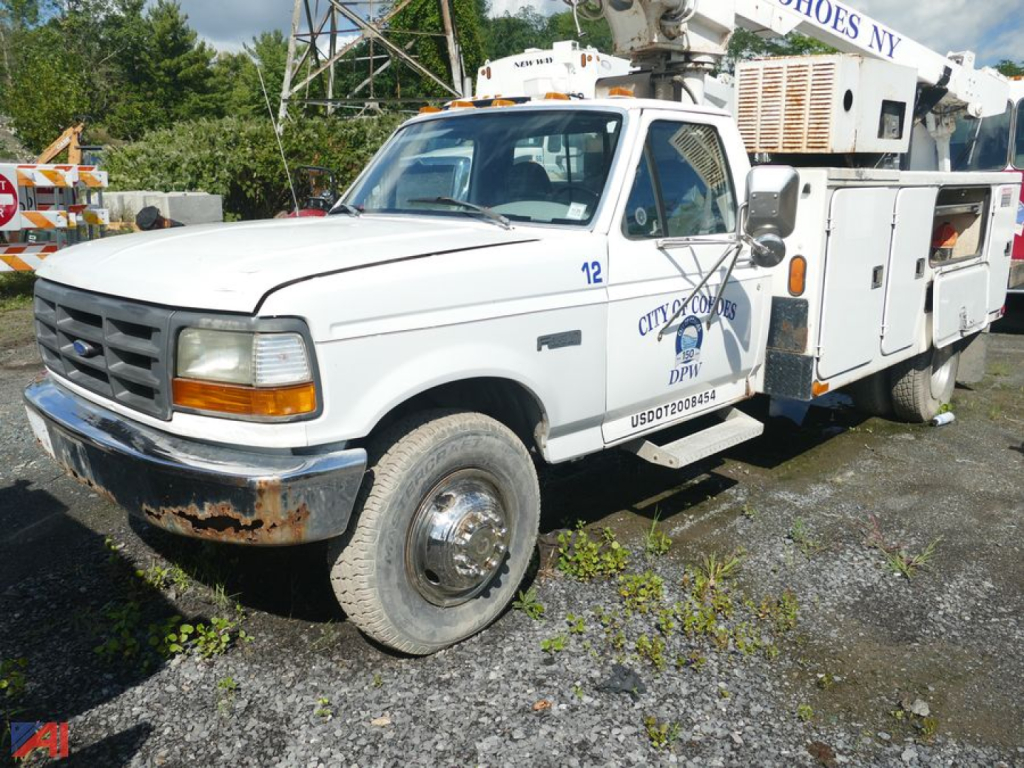
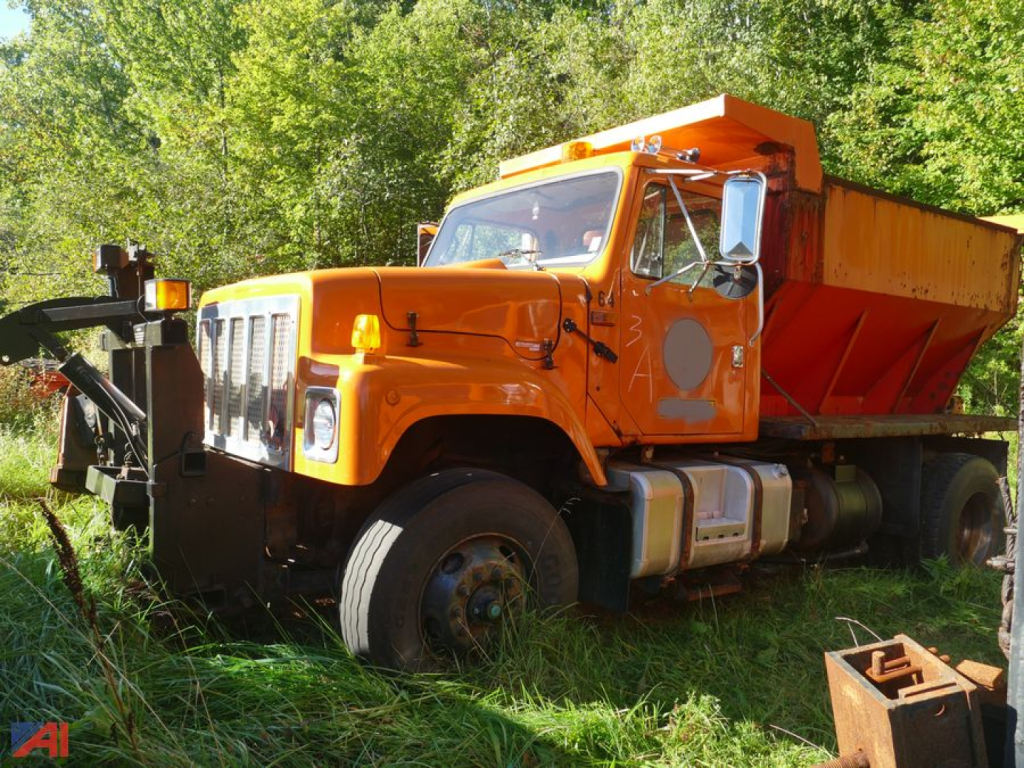
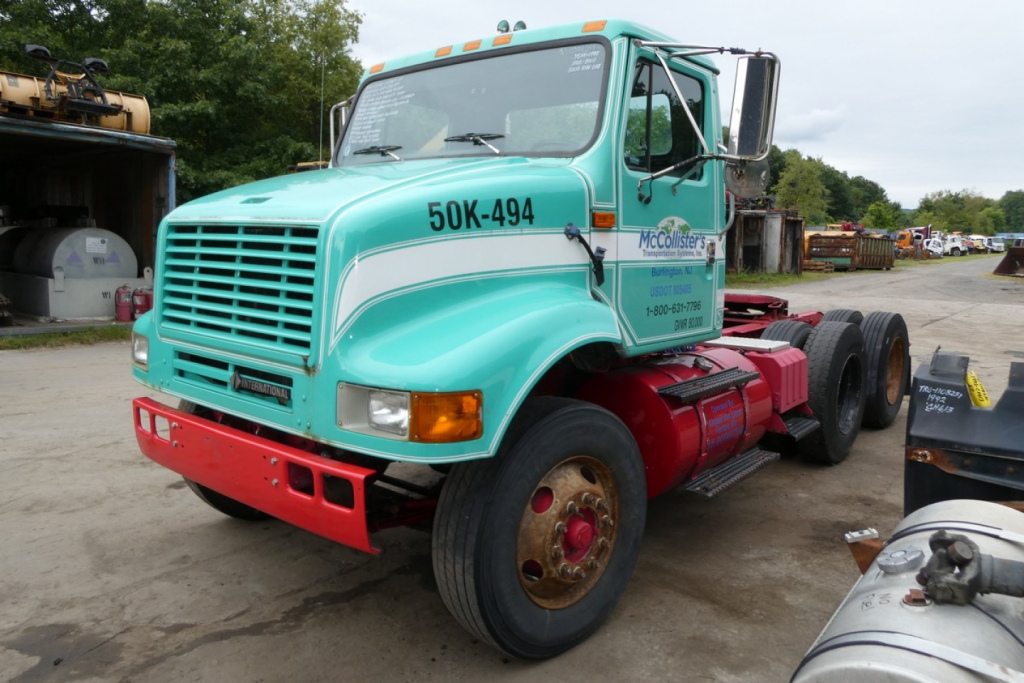
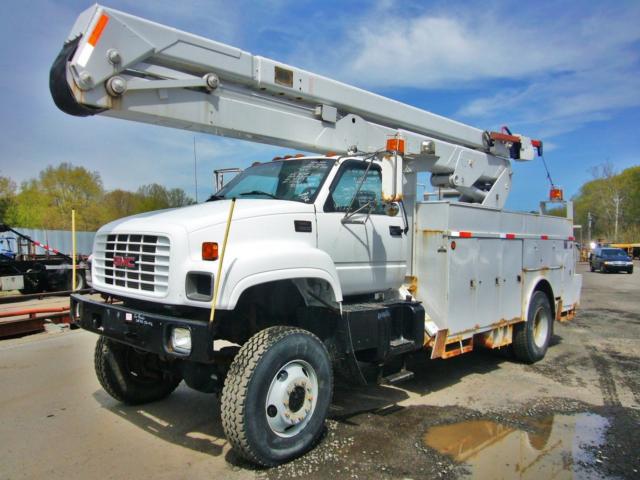
Looking for the easiest place to sell your used 1997 commercial truck? List it here to reach thousands of buyers.
Used 1997 Commercial Trucks in New York
Floor strength is critical on straight trucks and dumps. Box trucks from this era commonly use hardwood or laminated plank floors over steel crossmembers; tighter crossmember spacing, for example 12 inch centers, improves forklift point load capacity. Aluminum thresholds, dock plates, and scuff liners protect high impact zones; look for intact fasteners, no soft spots, and limited deflection under wheel load. Dump bodies rely on floor material and structure, typically AR steel at 3/16 to 1/4 inch, boxed longsills, and sound hoist geometry; check for bowing, patch plates at the doghouse, and hinge wear. For chassis that carry specialized bodies, verify body mount integrity and subframe alignment to maintain floor stiffness under dynamic loads.
Thermal integrity matters on reefer straight trucks. Insulation in 1997 bodies is generally polyurethane foam panel construction; consistent k value depends on dry foam, tight seams, and undamaged vapor barriers. Inspect for water intrusion, delamination, crushed sidewalls, worn T rails, and door seals that still hold compression. A smooth, ribbed, or ducted floor influences air circulation and freeze protection at the floor line. Refrigeration units from the period, such as Thermo King SB series or Carrier Supra, should be evaluated by hour count, maintenance records, and pull‑down performance; verify the evaporator and condenser are clean, fans are quiet, and the controller maintains setpoint without excessive cycling.
Tare weight and corrosion resistance drive lifetime cost. Aluminum bodies, aluminum wheels, and air suspensions can trim hundreds of pounds compared to steel bodies, steel wheels, and multi‑leaf springs; liftgates, PTOs, and heavy bumpers add significant weight, which reduces payload on 26,000 GVWR and CDL class units alike. New York road salt accelerates corrosion; inspect frame flanges and webs for scaling, crossmember ends for cracking, cab mounts, radiator support saddles, battery boxes, and brake lines. Aluminum cabs and tanks resist rust, but pay attention to galvanic corrosion at dissimilar metal joints and wiring harness connectors. Verify hub‑piloted wheel hardware condition, check for early ABS components that still function, and confirm that undercoating, cavity wax, or recent repairs were applied correctly to slow future corrosion.
This category page covers used 1997 trucks for sale in New York, including day cabs, sleepers, box trucks, and dump trucks, with an emphasis on structural soundness, insulating performance where applicable, practical tare weight, and long term durability in corrosive environments.
Frequently Asked Questions about Used 1997 Commercial Trucks in New York
Which engines and transmissions are most common on 1997 trucks and why do they matter?
Detroit Diesel Series 60 12.7, Cummins N14, and Caterpillar 3406E or C12 dominate this model year, paired mainly with Eaton Fuller 9, 10, or 13 speed manuals, and Allison automatics on vocational builds. These combinations are valued for mechanical simplicity, strong torque curves, and exceptional parts availability. The result is predictable service intervals, straightforward diagnostics without complex aftertreatment, and flexible gearing for regional, long haul, or vocational duty.
How do I evaluate floor strength on a 1997 box truck or dump truck?
For box trucks, look at floor material, hardwood or laminated plank versus aluminum plate, crossmember spacing, ideally at or near 12 inch centers for heavy forklift use, and protection at high wear points such as thresholds and scuff liners. Walk the floor to feel for soft spots and watch deflection under pallet jack or forklift load. For dumps, verify floor thickness and material grade, AR or equivalent, inspect longsills and crossmembers for cracks, and check hoist pins, hinge pins, and body alignments to confirm the bed carries point loads without twisting the frame.
What indicates good thermal integrity on a 1997 reefer straight truck?
Stable box temperatures with short pull‑down times point to intact insulation and airflow. Inspect for dry, undelaminated foam panels, tight door seals, straight sidewalls, and clean evaporator and condenser coils. Look for even air return paths, undamaged T rails, and a floor that is not excessively worn or corroded. Review reefer unit hours and service records; a well maintained Thermo King SB series or Carrier Supra that holds setpoint without frequent cycling is a positive indicator.
How does tare weight differ across configurations from this era?
Aluminum bodies, aluminum wheels, and air ride typically weigh less than steel bodies, steel wheels, and spring suspensions. Single axle chassis with modest wheelbase and no liftgate can offer meaningful payload headroom, while tandem axles, heavy PTO gear, large liftgates, and steel dumps add considerable weight. Reducing tare increases payload and can improve fuel economy; balance the weight savings against durability needs, especially for severe vocational service.
What corrosion issues should I watch for on 1997 trucks in New York?
Salt exposure accelerates rust on frames, crossmember ends, spring hangers, brake lines, and cab mounts. Aluminum components resist rust but can suffer galvanic corrosion at steel interfaces and electrical grounds. Inspect frame flanges and webs for scale or bulging, tap suspected areas with a hammer to detect thinning, and check wiring harness connectors for green corrosion. Confirm that any undercoating or recent repairs were done on clean, prepped metal to avoid trapping moisture.