
Used 2009 Commercial Trucks For Sale in New York
Browse used 2009 trucks for sale in New York, including day cabs, vocational trucks, and work-ready chassis with varied specs and applications.
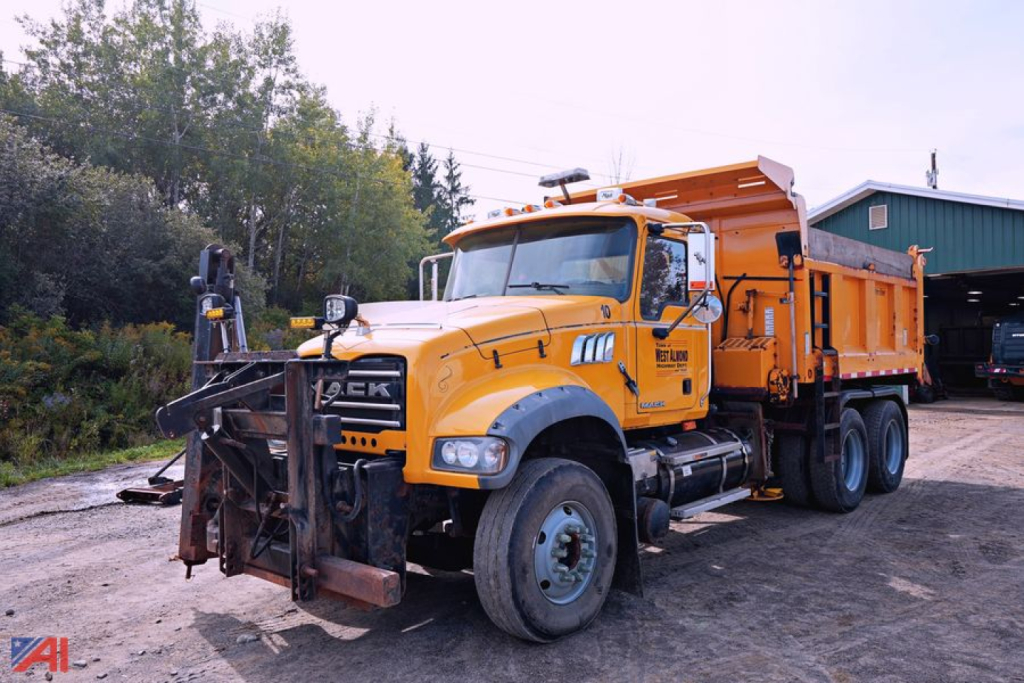
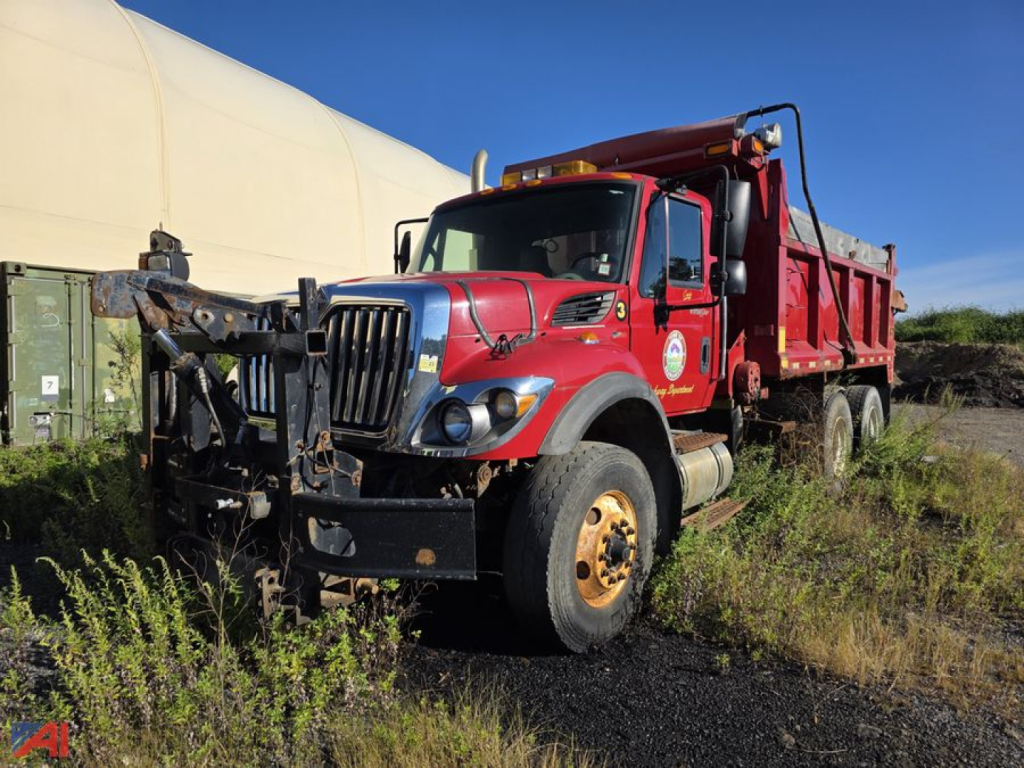
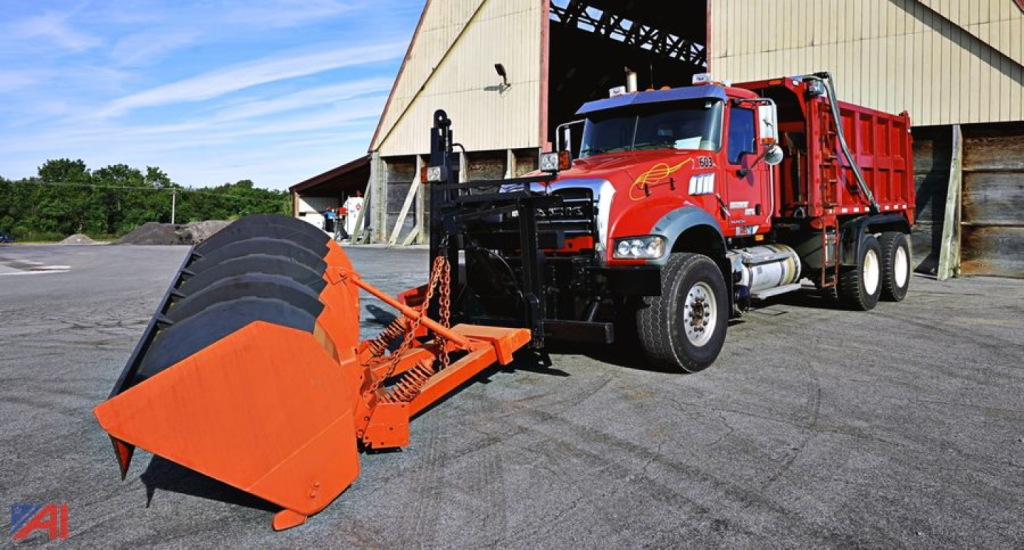
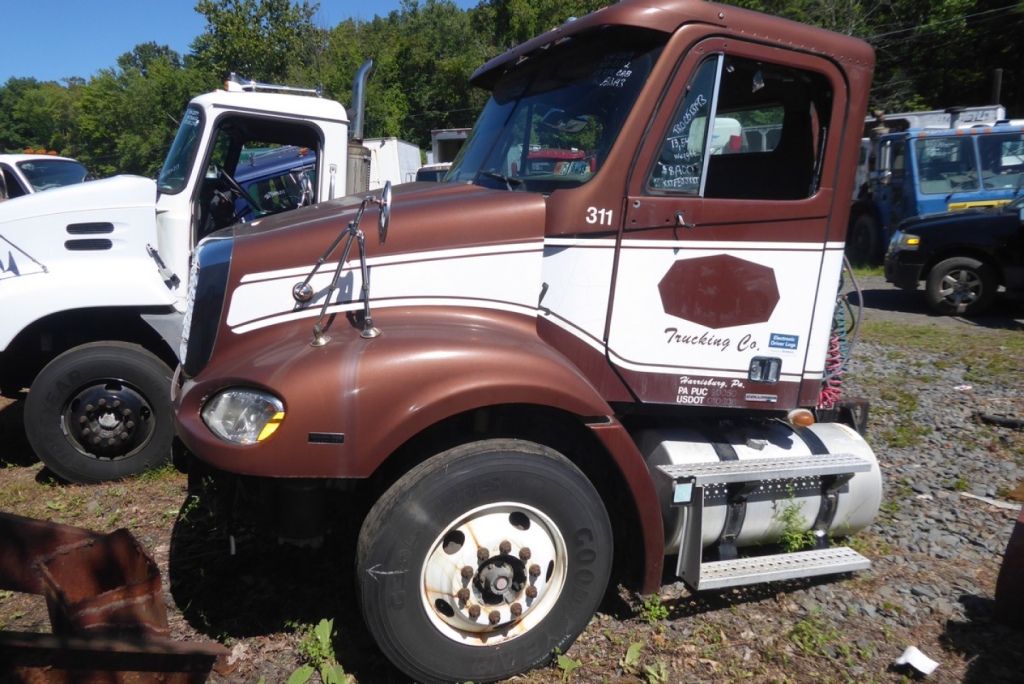
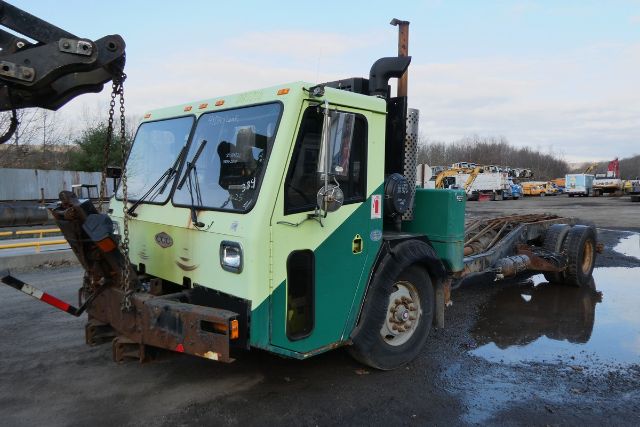
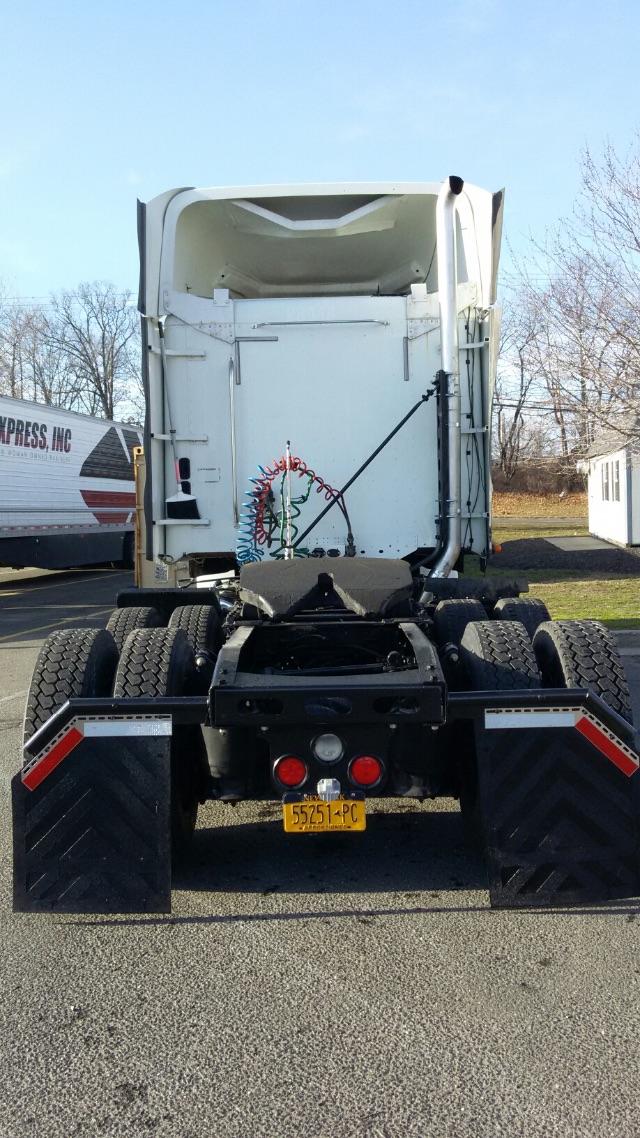

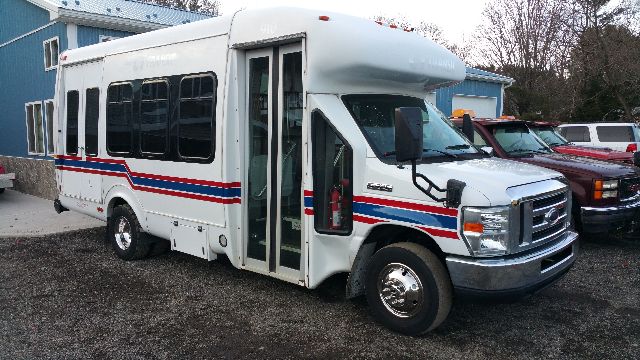

Selling a used 2009 commercial truck? List your used 2009 commercial truck for sale and reach thousands of commercial buyers.
Used 2009 Commercial Trucks in New York
The biggest buying decision is matching the chassis to the job. Day cab conventionals from this era are commonly spec'd as tandem-axle 6x4 tractors with 10-speed manuals or early automated transmissions, 12,000-pound front axles, and 40,000-pound rears. They are often set up for local and regional freight, port work, container drayage, or vocational pulling where wheelbase, fifth wheel position, and rear axle ratio matter more than sleeper amenities. On the vocational side, 2009 trucks may include utility bodies, digger derricks, dumps, service trucks, and other PTO-driven applications. In those cases, hydraulic setup, frame reinforcement, suspension type, and body condition are just as important as engine and transmission specs.
For New York buyers, rust and corrosion inspection should be near the top of the list. Road salt can affect cab mounts, battery boxes, crossmembers, spring hangers, brake components, wiring, and body hardware. Check the frame rails carefully for scaling, prior repairs, and signs of heavy corrosion around suspension and steering attachment points. If the truck is equipped with air brakes, inspect tanks, lines, chambers, and slack adjusters. If it is a vocational unit, verify PTO engagement, hydraulic pressure, boom or body function, and any signs of leakage or cylinder wear. Tire age, wheel seal condition, bushing wear, and brake life can quickly change the real cost of a lower-priced used truck.
Power ratings on 2009 trucks vary widely by application, but many fall in the 250 to 500 horsepower range, with common engines from Cummins, Detroit, Volvo, Paccar, International, and Caterpillar depending on original spec and market segment. Buyers should also review axle ratings, wheelbase, cab-to-axle, and gross vehicle weight rating to make sure the truck can legally and efficiently handle the intended body or trailer. A used 2009 truck is usually a value buy, but only if the specs line up with the work and the condition supports near-term uptime. The best candidates are the ones with clear application fit, straightforward serviceability, and no surprises in the engine, emissions, or chassis.
Frequently Asked Questions about Used 2009 Commercial Trucks in New York
What should I inspect first on a used 2009 truck in New York?
Start with frame and corrosion condition. New York road salt can do more damage than mileage alone, especially on crossmembers, cab mounts, brake hardware, wiring, and suspension attachment points. After that, inspect the engine for blow-by, coolant or oil contamination, fault codes, and maintenance history. On a road tractor, check fifth wheel wear, driveline condition, and axle ratios. On a vocational truck, test the PTO, hydraulics, and body functions under load if possible.
Are 2009 trucks a good choice for local and regional work?
Yes, many 2009 trucks are still well suited for local and regional operations if the chassis is matched to the job and the condition is right. Day cabs from this model year are commonly used for short-haul freight, container work, and vocational pulling. Older vocational trucks can also be a strong fit for utility, construction, and municipal use. The key is verifying that the truck's axle ratings, wheelbase, transmission, and suspension match the route profile and payload expectations.
Do 2009 trucks have emissions systems that require extra attention?
Yes. The 2009 model year falls within an emissions period that can include EGR-based systems and, depending on engine family and spec, more complex aftertreatment components than pre-emissions trucks. Buyers should confirm the exact engine model, check for warning lights or derate history, and review any recent emissions-related repairs. A truck with unresolved engine or aftertreatment issues can erase the initial savings of buying older equipment.
What specs matter most when comparing used 2009 trucks for sale?
Focus on application-first specs. For tractors, that usually means axle configuration, rear axle ratio, transmission type, wheelbase, fifth wheel setup, and GVWR. For straight and vocational trucks, pay close attention to cab-to-axle, body length, PTO provision, hydraulic setup, suspension capacity, and front axle rating. Engine horsepower matters, but gearing, frame layout, and usable payload often have a bigger effect on day-to-day performance and profitability.
Is mileage the best indicator of value on a used 2009 truck?
No. Mileage helps, but condition, maintenance history, and previous application are often more important on a 2009 truck. A higher-mile day cab with documented service and clean chassis condition can be a better buy than a lower-mile truck with rust, poor repairs, or unresolved engine problems. On vocational units, engine hours, PTO hours, hydraulic wear, and body condition can tell more of the story than odometer reading alone.