
Used Cab and Chassis Trucks For Sale in New York
Browse used cab and chassis trucks in New York with specs that matter, including GVWR, wheelbase, cab-to-axle, axle ratings, and frame setup.
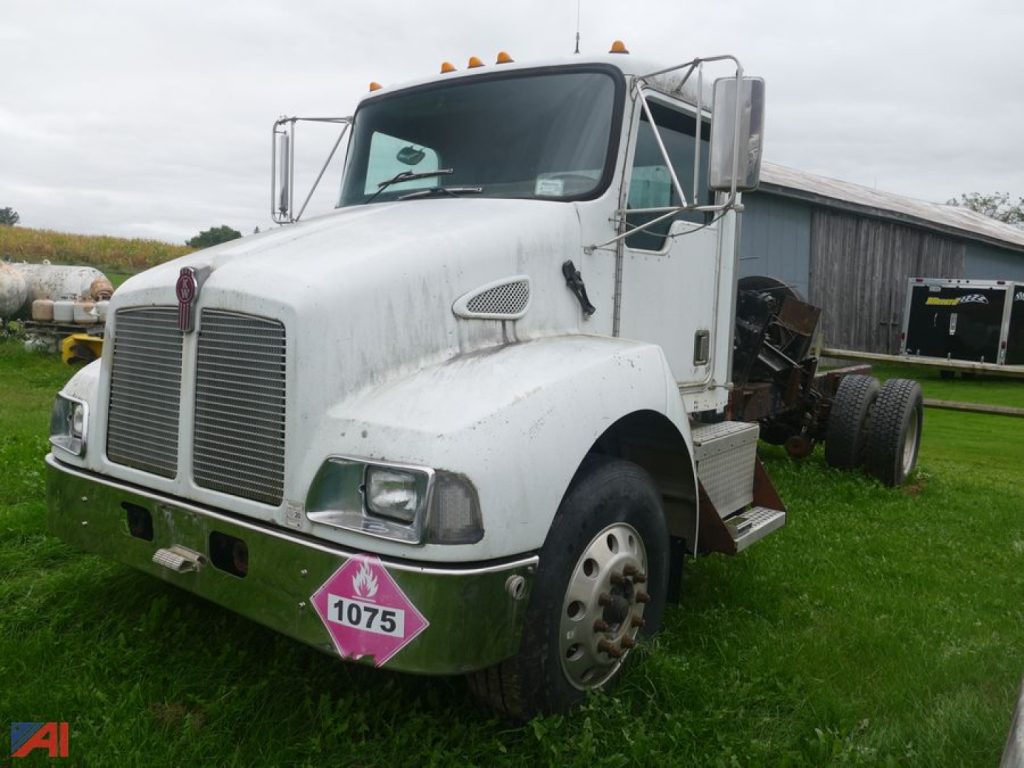
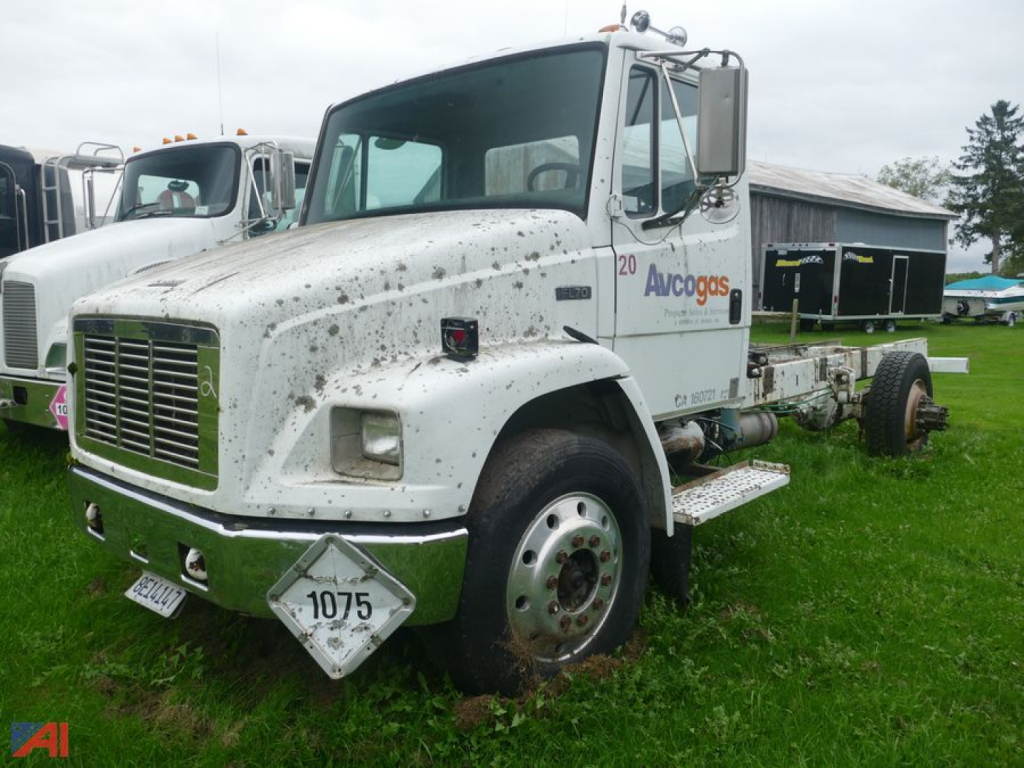
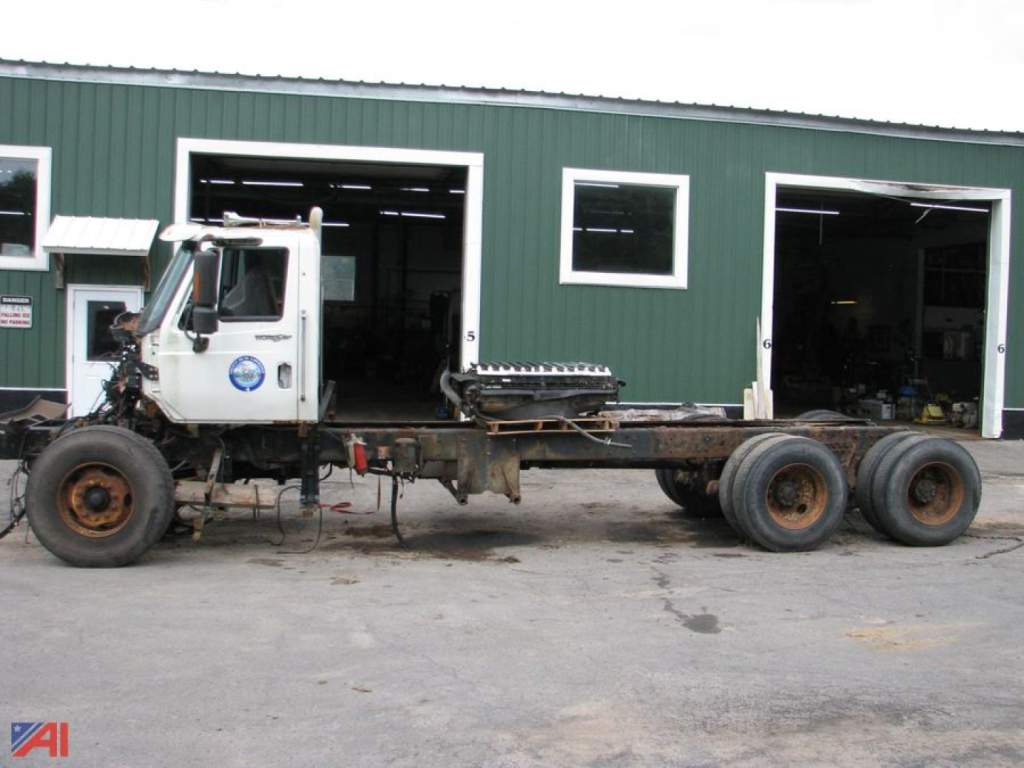
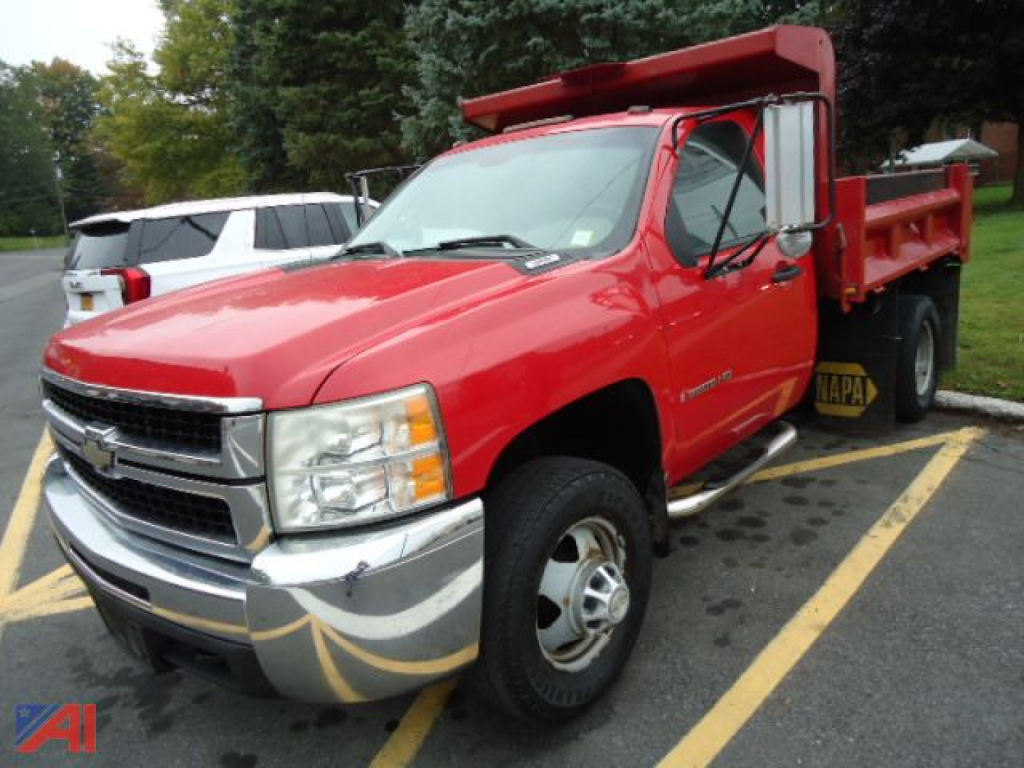
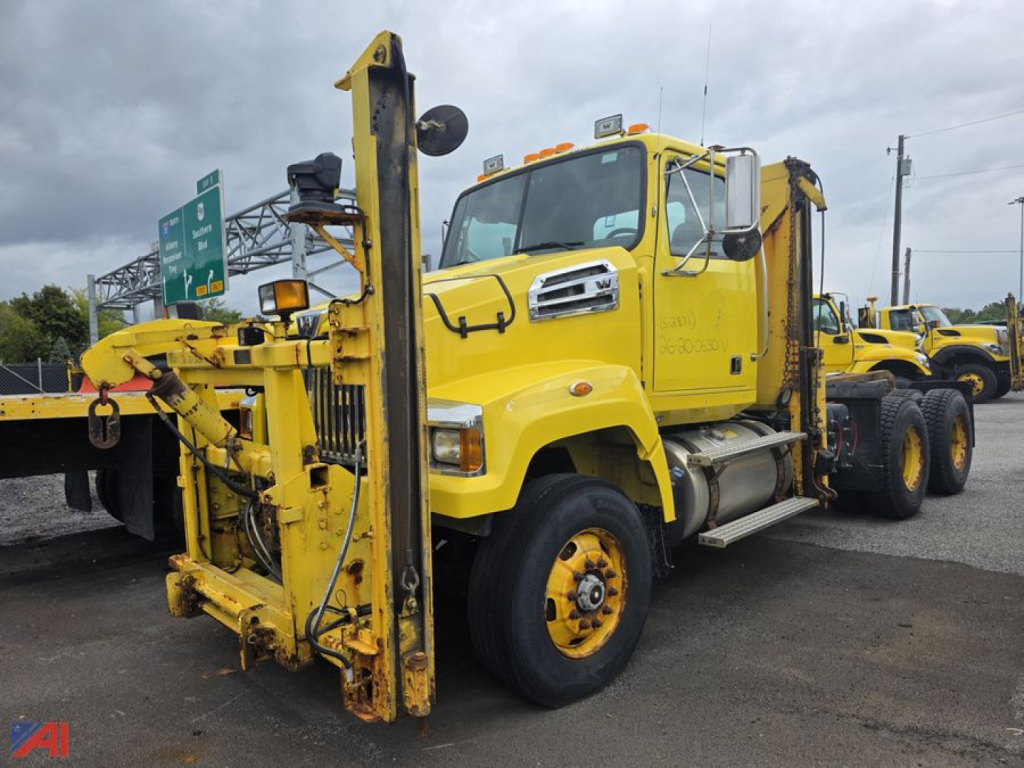
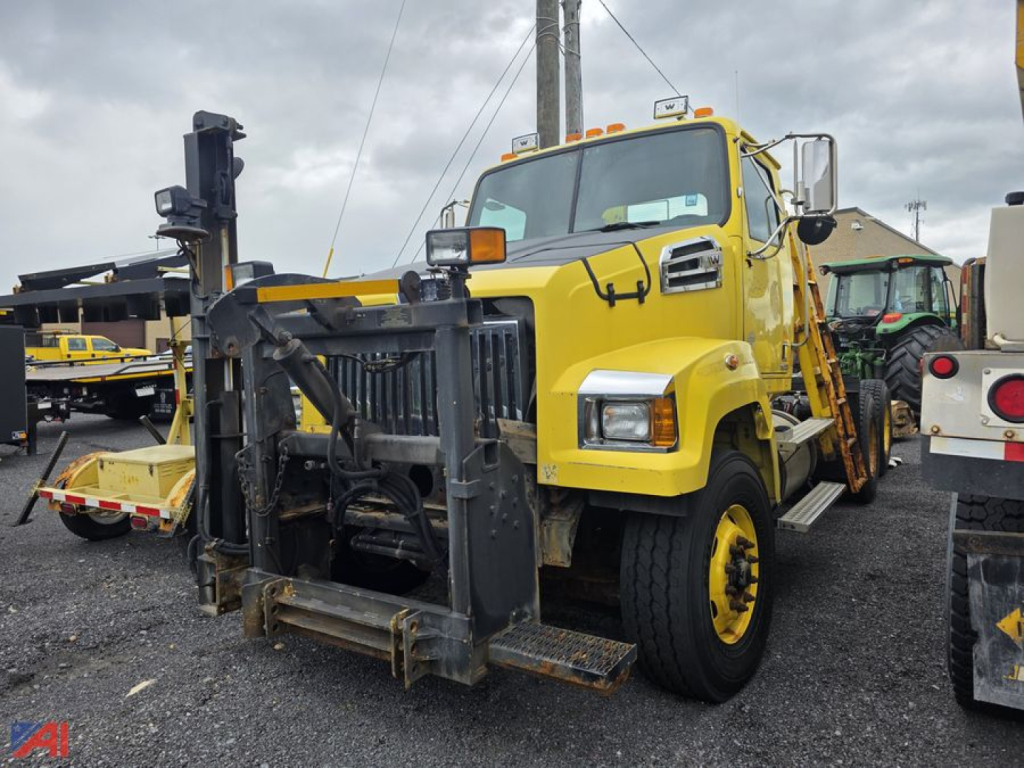
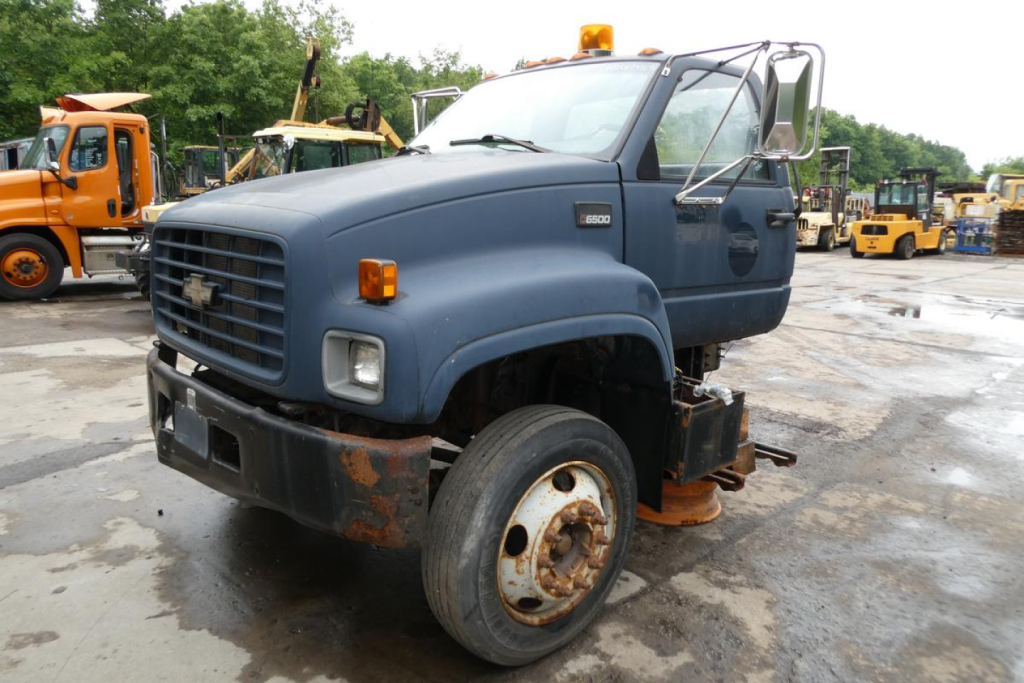
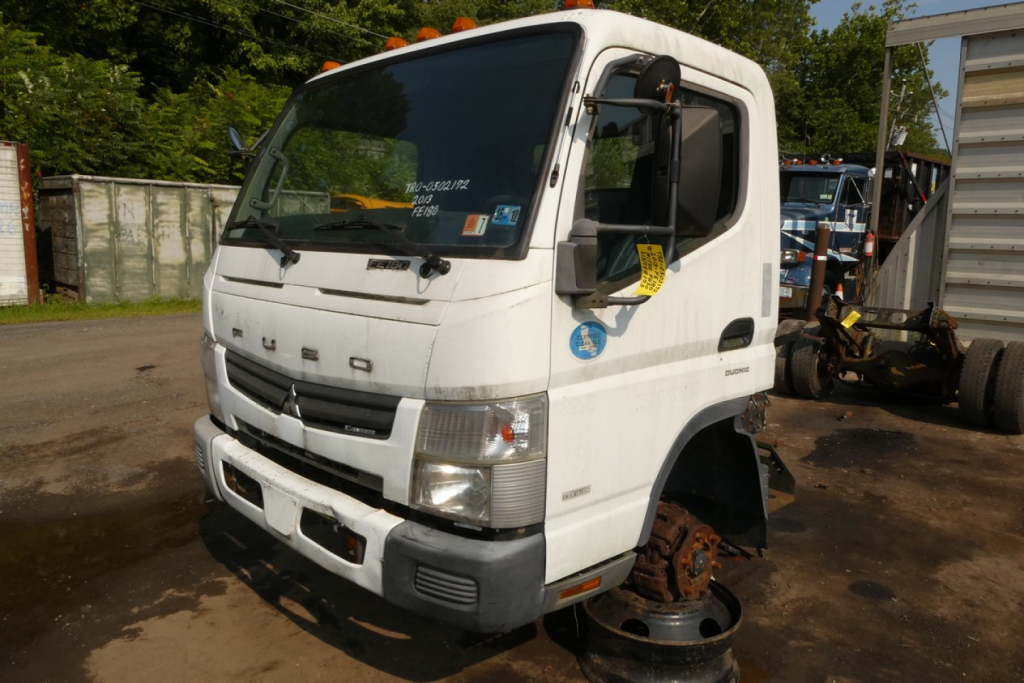
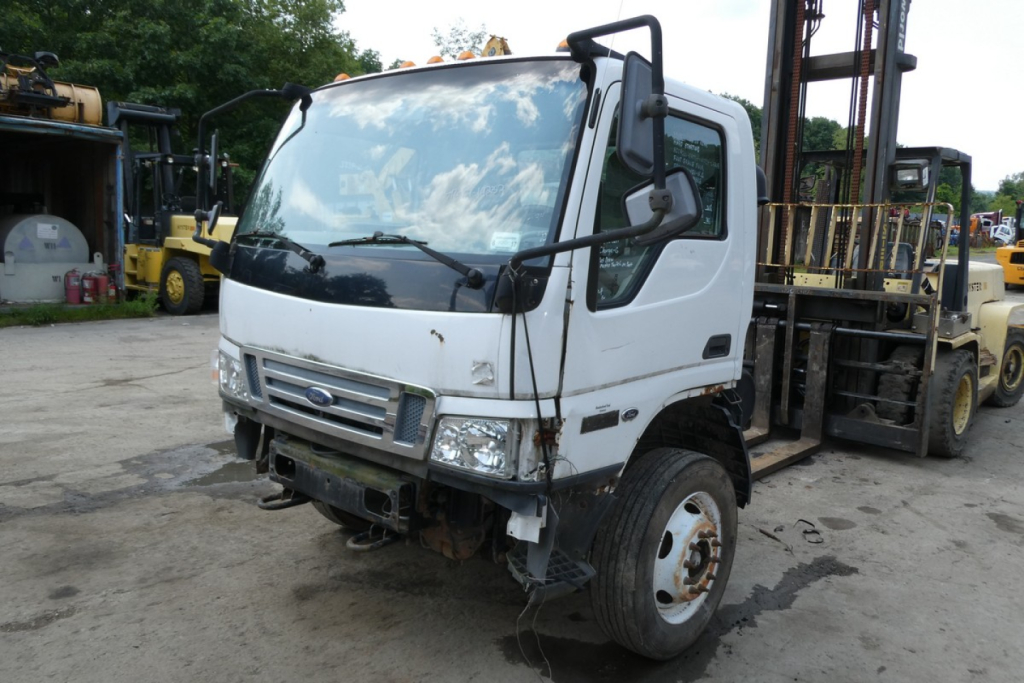
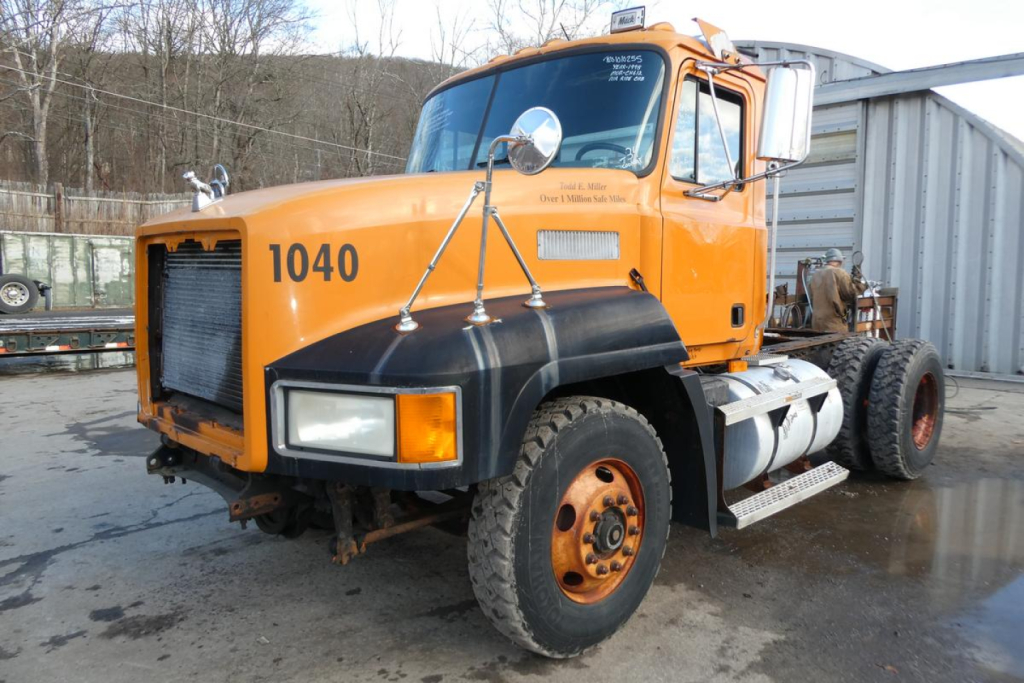
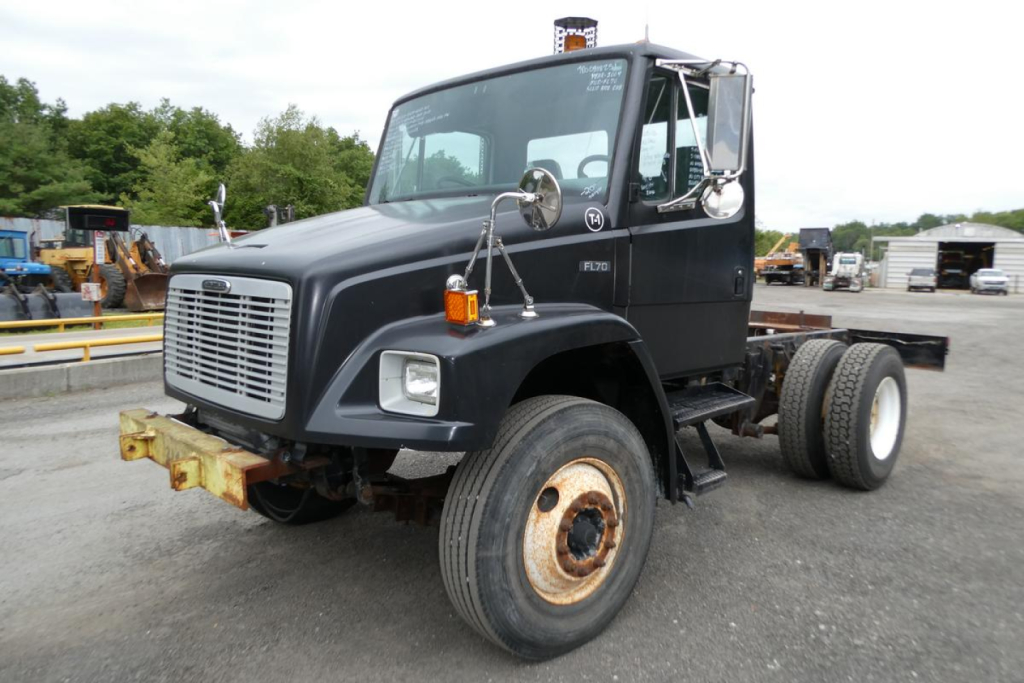
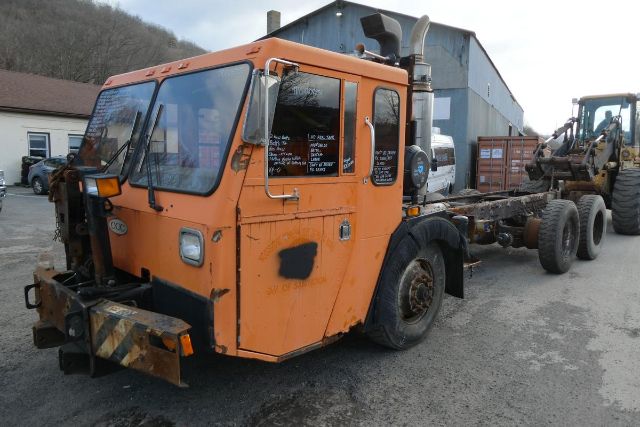
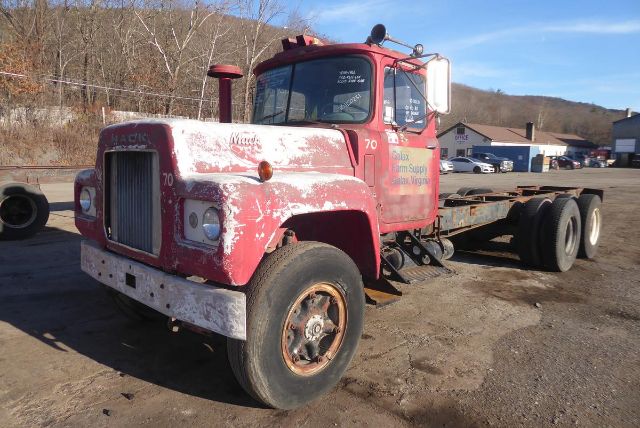
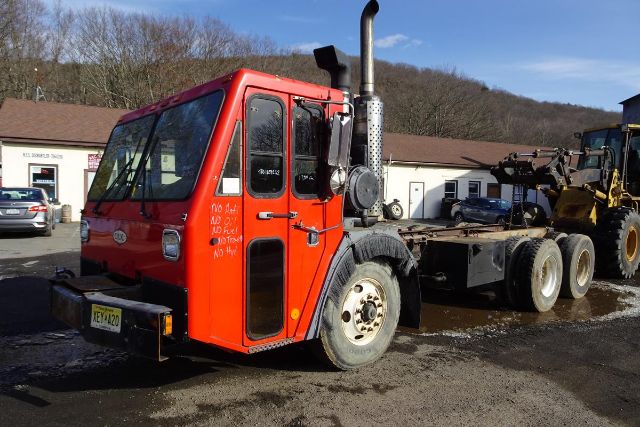
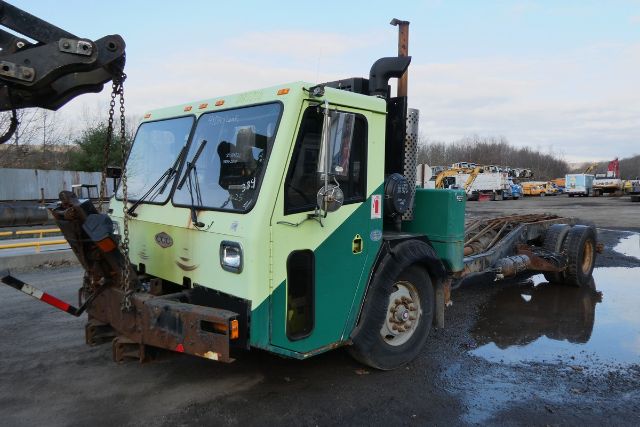
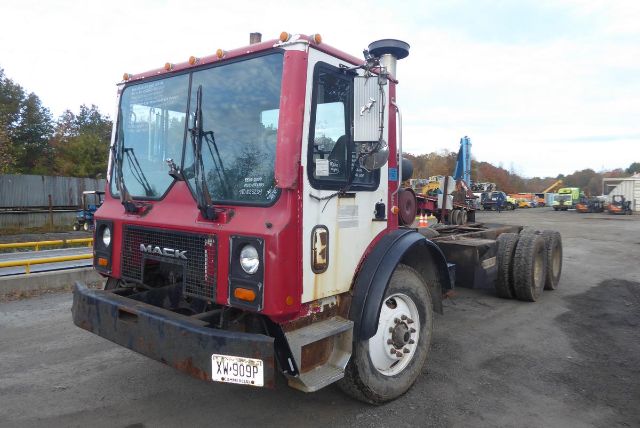
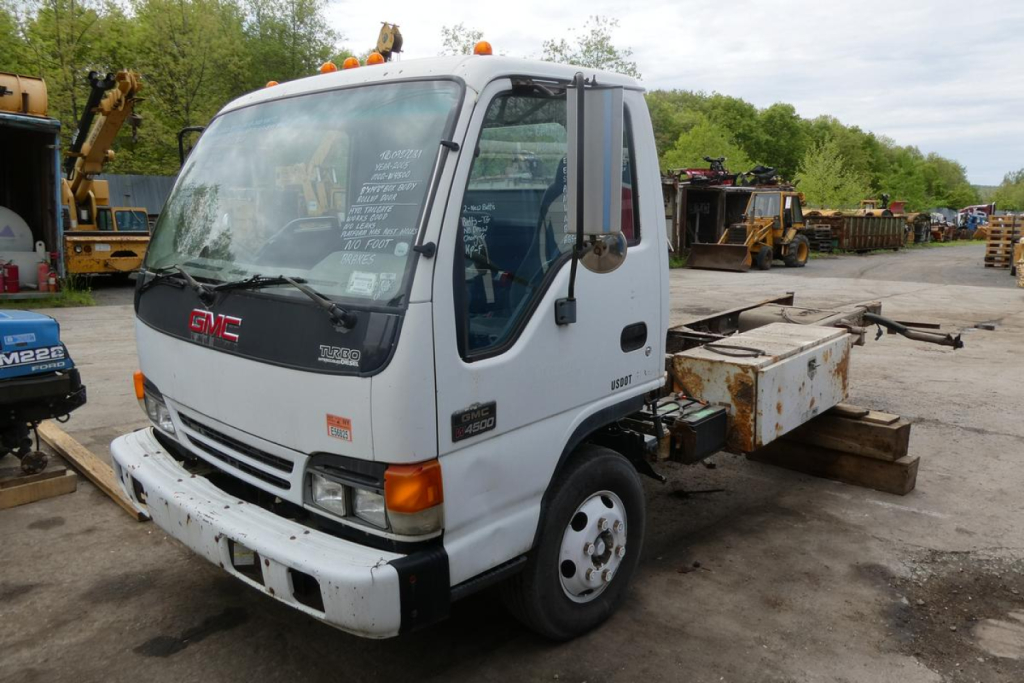
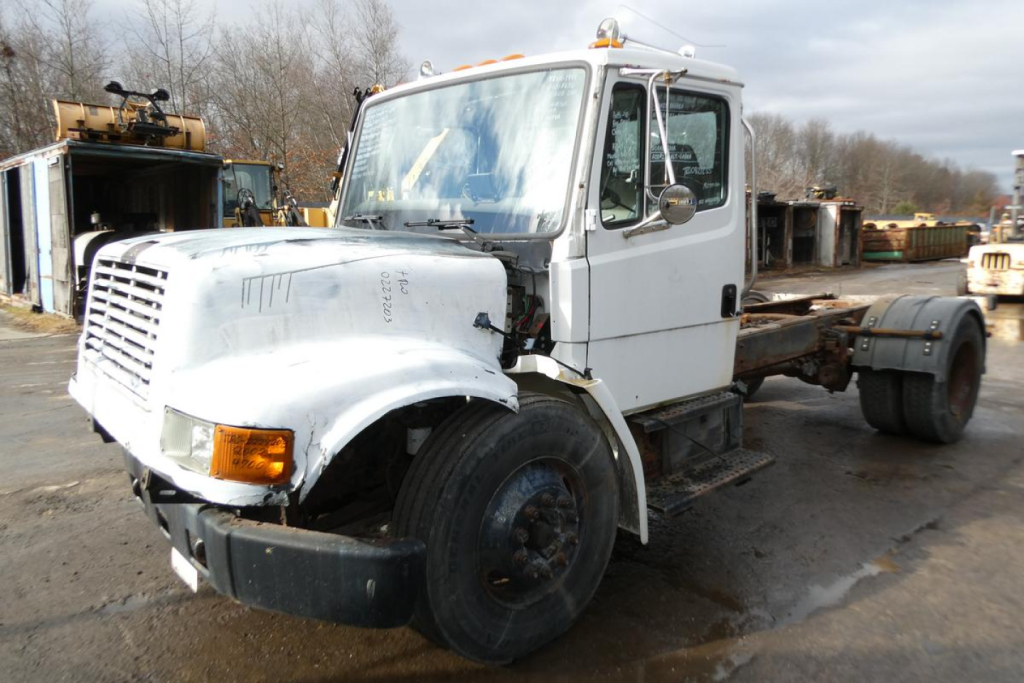
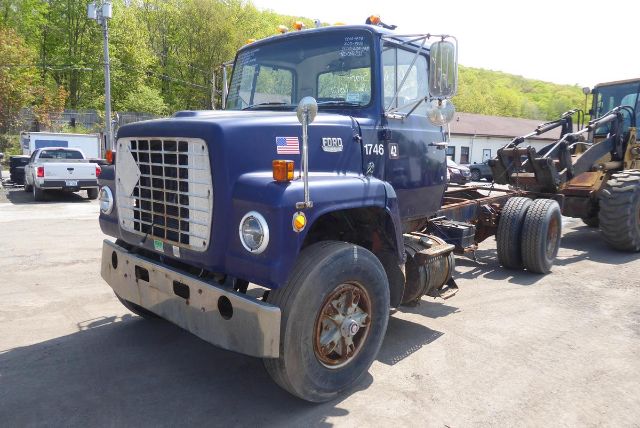
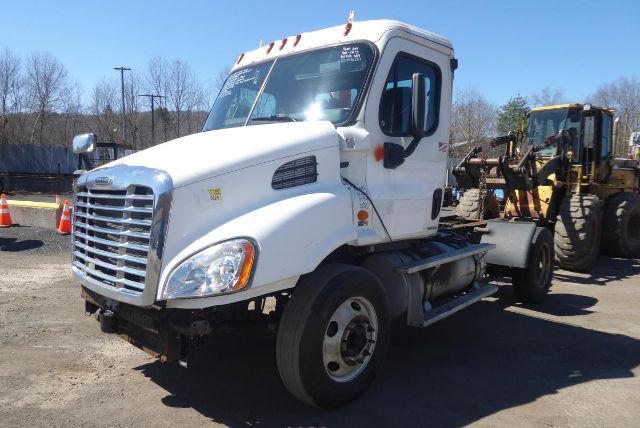
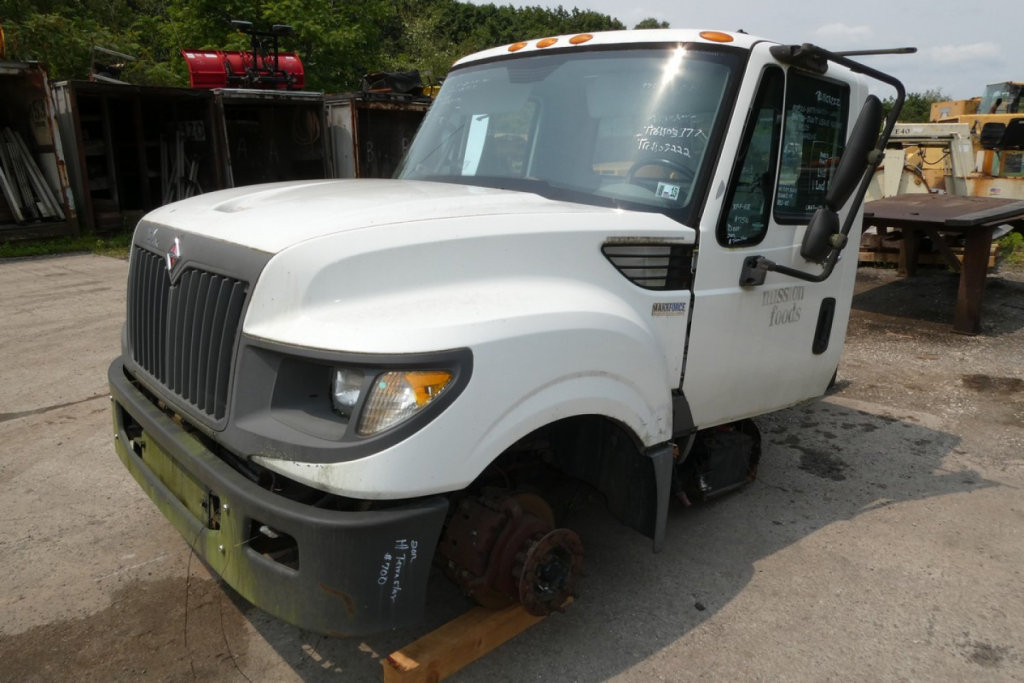
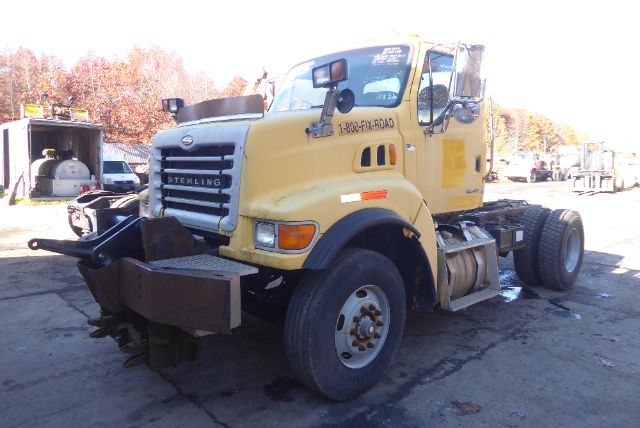
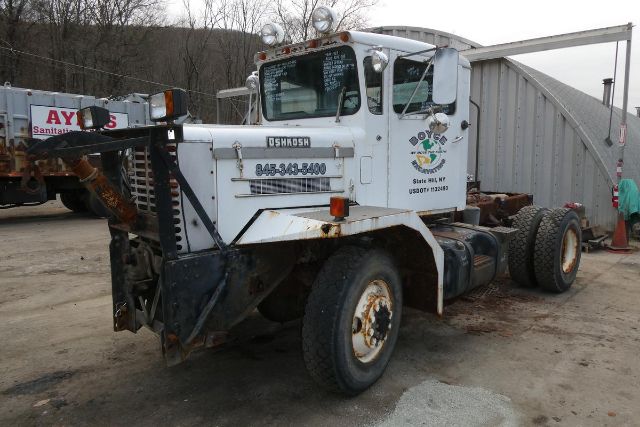
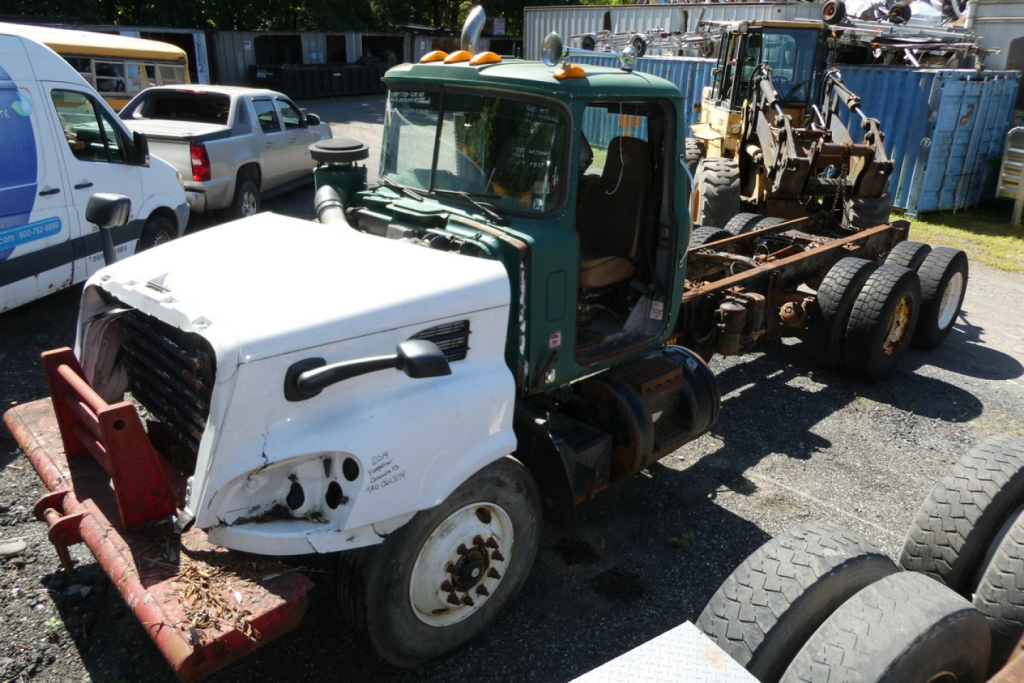
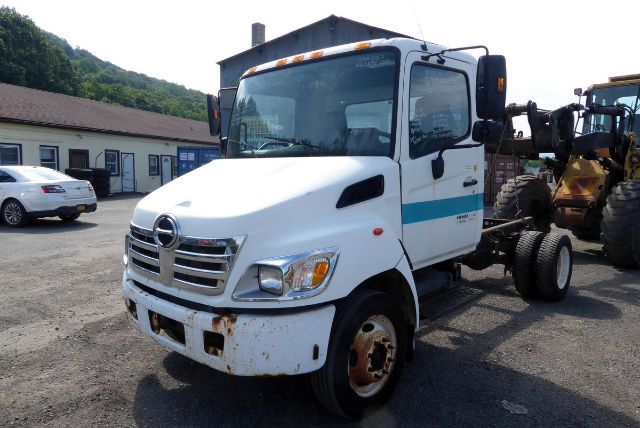
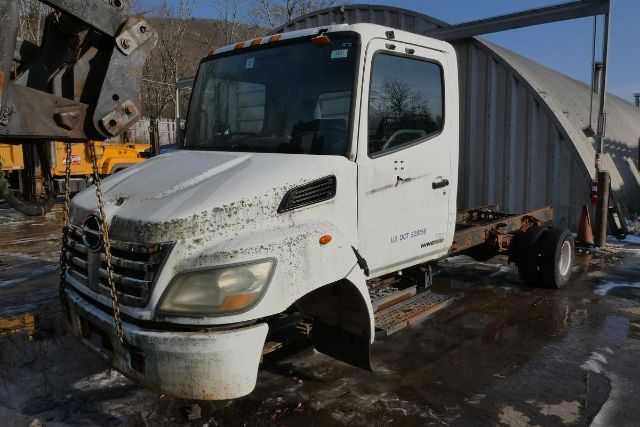
Selling a used cab and chassis truck? List your used cab and chassis truck for sale and reach thousands of commercial buyers.
Used Cab and Chassis Trucks in New York
A buyer should start with the intended body and payload, then match the chassis to that job. Medium-duty cab and chassis trucks often show up in Class 6 and Class 7 configurations, while heavier models can move into severe-duty vocational use with higher front axle capacities, tandem rears, heavier frame rails, and suspension packages designed for packers, cranes, or dump applications. Common specs include diesel engines from Cummins, Caterpillar, Mack, International, and others, paired with Allison automatics or manual transmissions depending on the application. Spring suspension is still common on older vocational trucks, while rubber block and air ride setups may appear on heavier specialty chassis. In used listings, GVWR can range widely from around 25,000 pounds up to 60,000 pounds or more, so axle and suspension ratings matter more than model name alone.
Frame condition is a major buying point on any used cab and chassis. Buyers should look closely at single-frame versus double-frame construction, corrosion around crossmembers, previous body mounting holes, PTO provisions, and any frame alterations behind the cab. In New York, rust exposure from road salt makes rail condition, brake lines, spring hangers, and cab mounts especially important. Cab-to-end and rear overhang dimensions also deserve attention if the truck previously carried a body that will be removed or replaced. If the truck has hydraulic equipment, verify PTO operation, pump condition, and transmission compatibility before planning an upfit. On older units, mechanical engines can appeal to buyers who want simplicity and easier field service, but parts support, emissions requirements, and overall drivetrain wear still need to be weighed against purchase price.
The best used cab and chassis truck is not just the cheapest platform. It is the one with the right wheelbase, usable frame, legal weight capacity, and drivetrain spec for the body you plan to install. A short cab-to-axle can limit body options, while an oversized axle ratio can slow road speed on regional routes. A heavy front axle may be necessary for snow and ice bodies, front pumps, or crane service. For municipal, construction, landscaping, towing, and utility work, this category gives buyers a flexible starting point, but success depends on measuring first and buying around the final application rather than the badge on the hood.
Frequently Asked Questions about Used Cab and Chassis Trucks in New York
What is the most important measurement on a used cab and chassis truck?
Cab-to-axle is usually the first number to verify because it determines what body length and type can be installed. Wheelbase, cab-to-end, and frame height are also critical because they affect body fit, driveline geometry, and axle loading. A truck can have the right engine and GVWR but still be a poor fit if the frame dimensions do not match the body or equipment you plan to mount.
How do I choose the right GVWR and axle ratings for a cab and chassis truck?
Start with the empty weight of the body and equipment you intend to install, then add the expected payload, fuel, tools, and operator weight. Compare that total to the truck's GVWR and also check front and rear axle ratings separately. Many buyers focus only on gross weight, but front axle capacity is often the limiting factor on trucks carrying plows, cranes, or heavy front-mounted equipment.
What should I inspect on a used cab and chassis in New York?
Frame rust, brake system condition, suspension mounts, cab mounts, and previous body installation damage should be near the top of the list. New York road salt can accelerate corrosion on frame rails, crossmembers, air tanks, steel fuel tanks, and wiring connections. It is also smart to check for drilled or torch-cut frame modifications, PTO operation, and any signs that the truck sat unused for long periods.
Are older mechanical-engine cab and chassis trucks still a good buy?
They can be, especially for buyers who value simpler diagnostics and lower electronic complexity. Older mechanical engines are often easier to service in-house, but age brings other concerns such as brake condition, cooling system wear, obsolete transmission parts, and cab rust. The decision usually comes down to application, parts support in your area, and whether the lower acquisition cost offsets reconditioning needs.
Can any cab and chassis truck be converted into a dump, flatbed, or utility truck?
Not every chassis is a good candidate for every body. The frame length, axle spacing, suspension rating, PTO setup, and rear axle capacity all have to match the intended use. A truck that works well for a flatbed may not have the frame strength or hydraulic provisions needed for a dump body, and a utility body installation may require different cab-to-axle dimensions than a rollback or service crane application.