
Used Mack Cab and Chassis Trucks For Sale in New York
Browse used Mack cab and chassis trucks in New York. Compare wheelbases, axle ratings, frame specs, PTO options, and vocational setups.
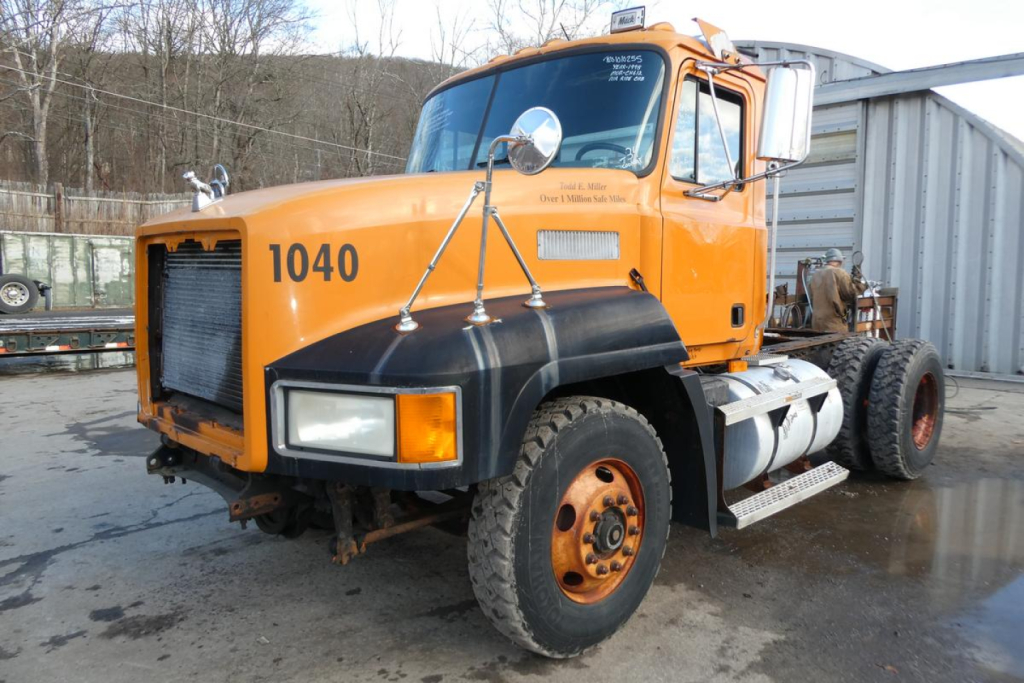
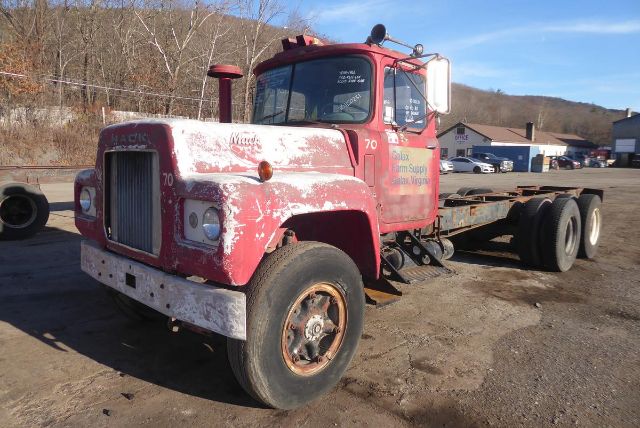
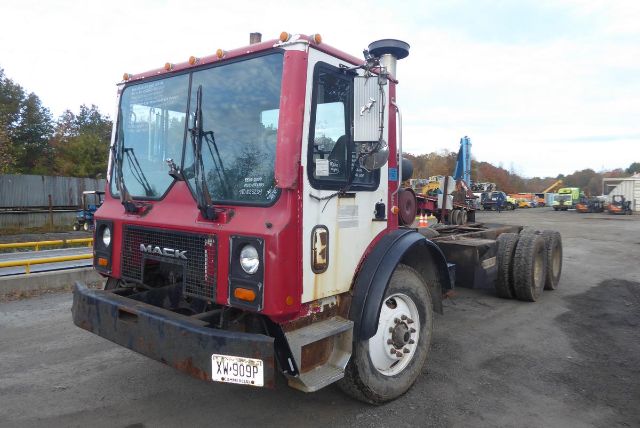
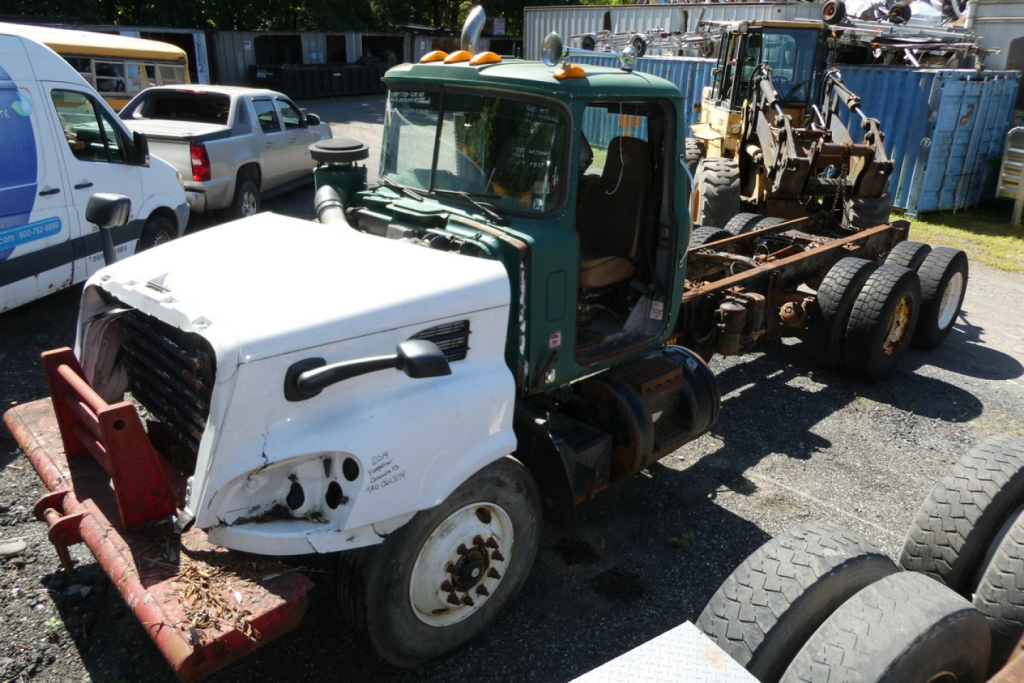
Selling a used mack cab and chassis truck? List your used mack cab and chassis truck for sale and reach thousands of commercial buyers.
Used Mack Cab and Chassis Trucks in New York
Common specs on used Mack cab and chassis trucks include GVWRs from around 35,000 pounds into the 64,000-pound range, with single-axle and tandem-axle layouts both widely seen. Mack Camelback suspensions remain popular on heavier vocational units because they are simple, rugged, and well suited for severe-service applications, while some lighter or more specialized chassis may carry spring or air-ride setups. Power can range from older mechanical Mack diesels to E7, E-Tech, EM7, and AI-series electronic engines, often paired with Mack manual transmissions, Fuller 9-speed gearboxes, or Allison automatics for stop-and-go work. PTO configuration is a key buying point on this category, especially for dump, plow, mixer, or hydraulic equipment applications, so buyers should confirm side location, type, and compatibility with the intended body or pump.
Frame condition matters as much as engine condition on a used cab and chassis. A buyer should pay close attention to single versus double frame construction, signs of frame repairs, rust scale, cracks around suspension hangers, and any damage near the tandem area or body mounting points. Cab-to-end length, rear axle rating, axle ratio, and tire size also affect how useful the chassis will be after upfit. Mack vocational trucks are known for stout rear ends and practical gearing, with ratios like 4.17, 4.64, and 5.78 often found depending on whether the truck was built for highway transfer, local haul, snow work, or jobsite service. In a state like New York, corrosion exposure from road salt makes a close inspection of crossmembers, brake components, spring hangers, and electrical systems especially important.
Older used Mack cab and chassis trucks can still be strong value if the truck matches the intended application and the hard points are sound. Mechanical-engine trucks may appeal to buyers who want simpler serviceability, while later electronic models can offer better drivability and easier integration with more modern vocational controls. The best choice usually comes down to body length requirements, front and rear axle ratings, transmission preference, and whether the chassis already has the wheelbase, PTO, and suspension package needed for the job. A Mack cab and chassis that is correctly spec'd for the body and duty cycle will usually be more cost-effective than trying to stretch, shorten, or heavily rework the frame after purchase.
Frequently Asked Questions about Used Mack Cab and Chassis Trucks in New York
What should I check first on a used Mack cab and chassis truck?
Start with the frame, cab-to-axle measurement, wheelbase, and axle ratings. Those items determine whether the chassis can accept the body you plan to install and whether it will carry the intended payload legally and safely. On a used Mack, inspect closely for frame cracks, rust around crossmembers and suspension mounts, previous body-removal holes, and signs of hard vocational use. After that, verify engine, transmission, PTO setup, and brake condition.
Which Mack models are common in cab and chassis applications?
Mack RD, MR, CH, and older R-model trucks are all common in cab and chassis form. RD and MR series are especially well known in severe-service and municipal work because they were frequently spec'd for dump, refuse, plow, and construction applications. CH models can appear in lighter vocational or regional applications, depending on axle and frame specs. The model matters, but the actual truck specification matters more than the badge when matching a chassis to a body.
Is a Mack Camelback suspension good for a cab and chassis truck?
Yes, Camelback is widely respected for heavy vocational service. It is durable, relatively simple, and well suited for rough jobsites, dump service, and other severe-duty applications where toughness matters more than ride comfort. The tradeoff is a firmer ride compared with some air-ride suspensions. For buyers focused on refuse, dump, or municipal work, Camelback is often considered a positive feature.
How important is PTO configuration on a used cab and chassis?
PTO configuration is critical because many cab and chassis trucks are purchased specifically to run hydraulic equipment. A dump body, plow hydraulics, roll-off system, or other vocational body may require a certain PTO type, mounting side, and transmission compatibility. Confirm whether the truck has a live-drive or transmission-mounted PTO, whether it is currently operational, and whether the setup matches the pump and hydraulic demand of the body you plan to use.
Are older mechanical Mack engines still worth considering?
They can be, especially for buyers who prioritize simpler systems and easier field service. Older mechanical Mack engines are often attractive for farm, yard, export, or limited-mile vocational use where emissions complexity is not a concern. The key is overall condition, parts availability for the exact engine family, and whether the truck's drivetrain, frame, and brakes are still suitable for the intended work. A well-maintained mechanical Mack can still be a practical chassis if the application is right.