
Used Mack Cab and Chassis Trucks For Sale
Browse used Mack cab and chassis trucks built for dumps, vocational bodies, and custom upfits with durable frames, strong axles, and proven power.

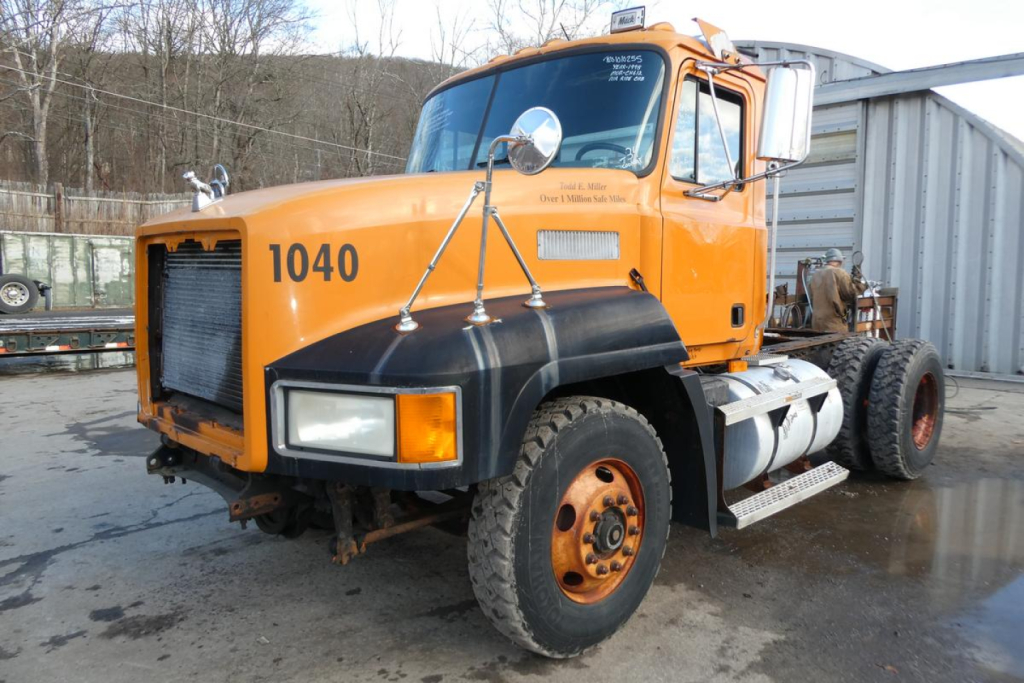
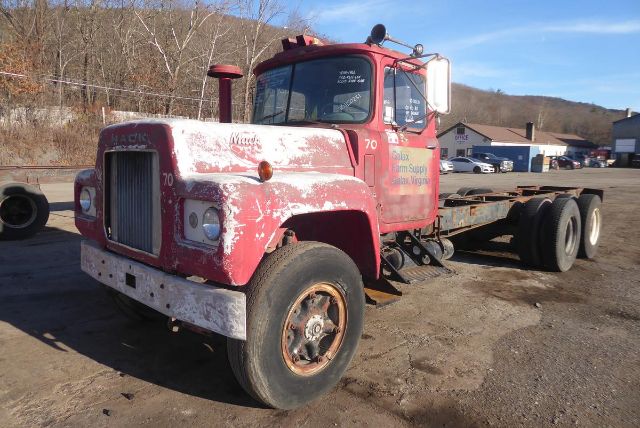
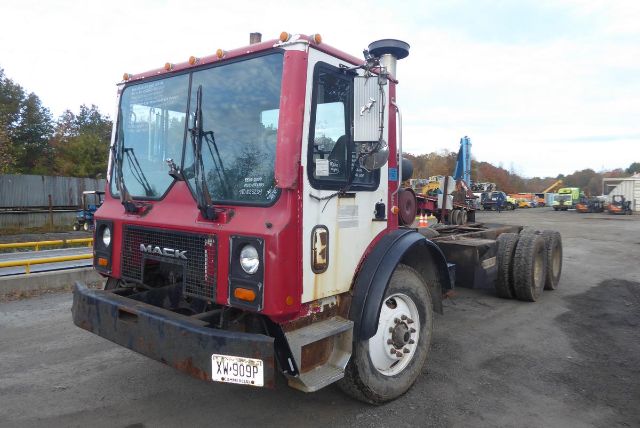
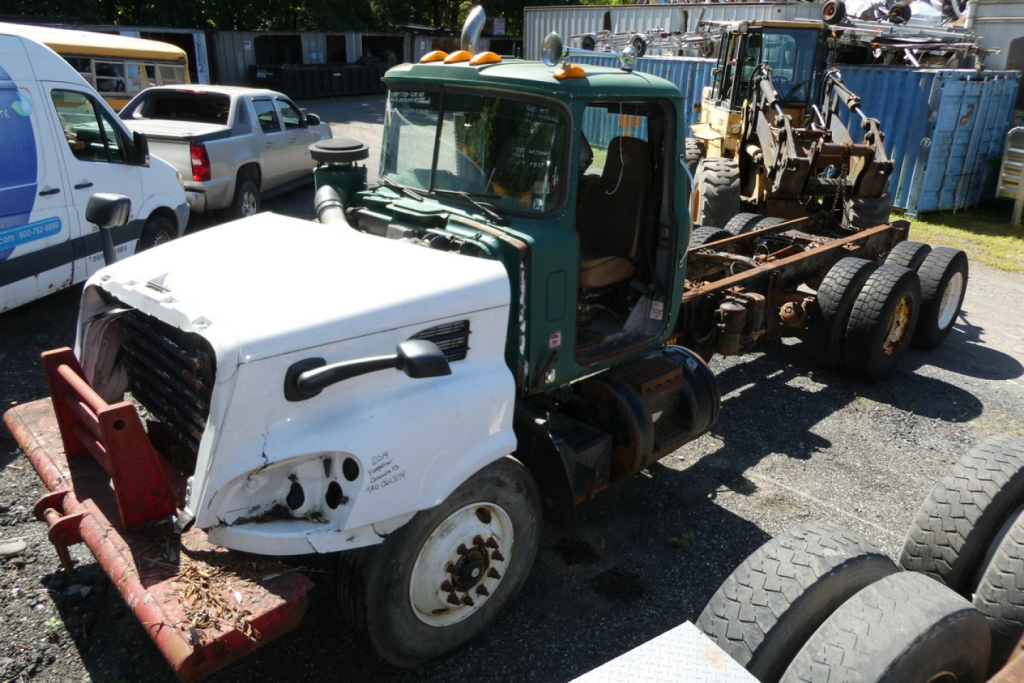

Selling a used mack cab and chassis truck? List your used mack cab and chassis truck for sale and reach thousands of commercial buyers.
Used Mack Cab and Chassis Trucks
For most buyers, the first decisions are wheelbase, cab-to-axle, and rear axle rating. Those dimensions determine what body can be installed and how the finished truck will balance weight across the axles. Many used Mack cab and chassis trucks in this class are tandem axle 6x4 configurations with 34,000 to 44,000 lb rear ratings and GVWRs that support Class 8 vocational work. Shorter cab-to-axle setups are common for dump bodies, while longer wheelbases can suit flatbed, crane, or utility applications. If the truck already has wetline or PTO provisions, that can reduce the cost and complexity of a hydraulic body installation.
Engine and transmission choices on used Mack chassis vary by year. Older trucks may have mechanical Mack diesels paired with Mack 2-stick transmissions, while later models often carry E7 or E-Tech engines with Fuller manual transmissions in 8LL, 9-speed, 10-speed, or 18-speed configurations. Rear axle ratios in the mid-4s are common on vocational Macks because they favor startability and low-speed pulling over highway fuel economy. Buyers comparing used trucks should pay close attention to suspension type, frame condition, crossmember integrity, steering component wear, and signs of prior body removal. On work trucks that spent time in construction, plow service, or municipal fleets, rust around the cab, air tanks, spring hangers, and body mounting areas deserves a close inspection.
A used Mack cab and chassis can be a strong value when the specifications match the body you plan to install. Mack’s vocational reputation comes from durable driveline components, straightforward layouts, and chassis designed for rough jobsite use. The best fit is usually determined by intended body length, target payload, axle spacing, PTO needs, and local bridge or registration limits. Buyers looking at older units should also factor in parts support, engine emissions era, brake type, and tire size so the truck fits both the job and the maintenance plan.
Frequently Asked Questions about Used Mack Cab and Chassis Trucks
What is a Mack cab and chassis truck used for?
A Mack cab and chassis truck is a bare chassis with a cab, frame, axles, and driveline, but without a permanent vocational body installed. It is commonly used as the foundation for dump bodies, hooklift systems, roll-off hoists, flatbeds, utility bodies, tank bodies, and municipal equipment. The main advantage is flexibility, since the buyer can match the chassis dimensions and weight ratings to the exact body and job requirement.
What specs matter most when buying a used Mack cab and chassis?
The most important specs are wheelbase, cab-to-axle measurement, front and rear axle ratings, frame type, suspension, and PTO or hydraulic provisions. Those items determine what body can be mounted and how well the truck will handle payload. Buyers should also verify engine model, transmission type, rear axle ratio, brake setup, tire size, and whether the truck has a single or double frame, especially for severe-duty applications like dump or heavy equipment hauling.
Are Mack RD and CH series good choices for vocational chassis work?
Yes. Mack RD and CH series trucks have long been popular in vocational service because they were commonly spec'd with heavy frame rails, durable rear suspensions such as Camelback, and driveline options suited for off-road or stop-and-go use. The RD series is especially well known in dump and construction work, while CH models can appear in both on-road and vocational configurations. Condition and prior use still matter more than nameplate alone, so frame condition and maintenance history should be reviewed carefully.
How do I know if a used Mack chassis will fit the body I want to install?
Start with the body manufacturer's required cab-to-axle, frame height, axle spread, and gross vehicle weight rating. Then compare those requirements to the truck's actual wheelbase, rear overhang, frame rail dimensions, and axle capacities. You also need to confirm PTO compatibility, hydraulic setup, and clearance for hoists, outriggers, or subframes. A chassis can look close on paper but still require expensive frame modifications if the dimensions are off.
What should I inspect closely on an older used Mack cab and chassis truck?
Pay special attention to frame rail cracks, rust at body mount locations, suspension wear, steering play, brake condition, and cab corrosion. On older vocational Macks, inspect Camelback spring components, crossmembers, spring hangers, air tanks, and the area above and around the tandem suspension for fatigue or repairs. It is also smart to check for PTO operation, hydraulic plumbing condition, driveline vibration, and evidence that the truck was overloaded or used in harsh municipal or construction environments.