
Used 2005 Cab and Chassis Trucks For Sale in New York
Browse used 2005 cab and chassis trucks in New York. Compare wheelbase, cab-to-axle, GVWR, drivetrain, and body-ready specs.
Selling a used 2005 cab and chassis truck? List your used 2005 cab and chassis truck for sale and reach thousands of commercial buyers.
Used 2005 Cab and Chassis Trucks in New York
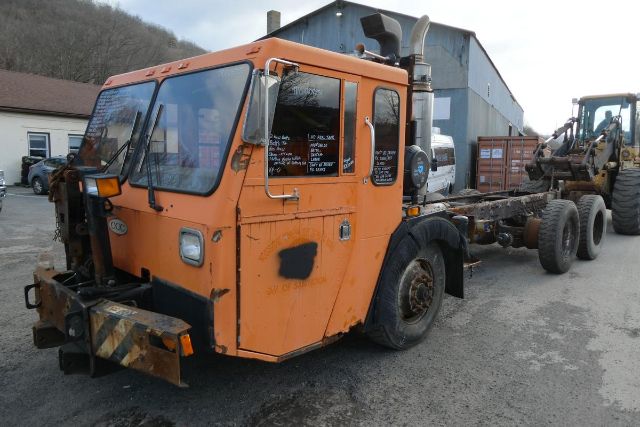
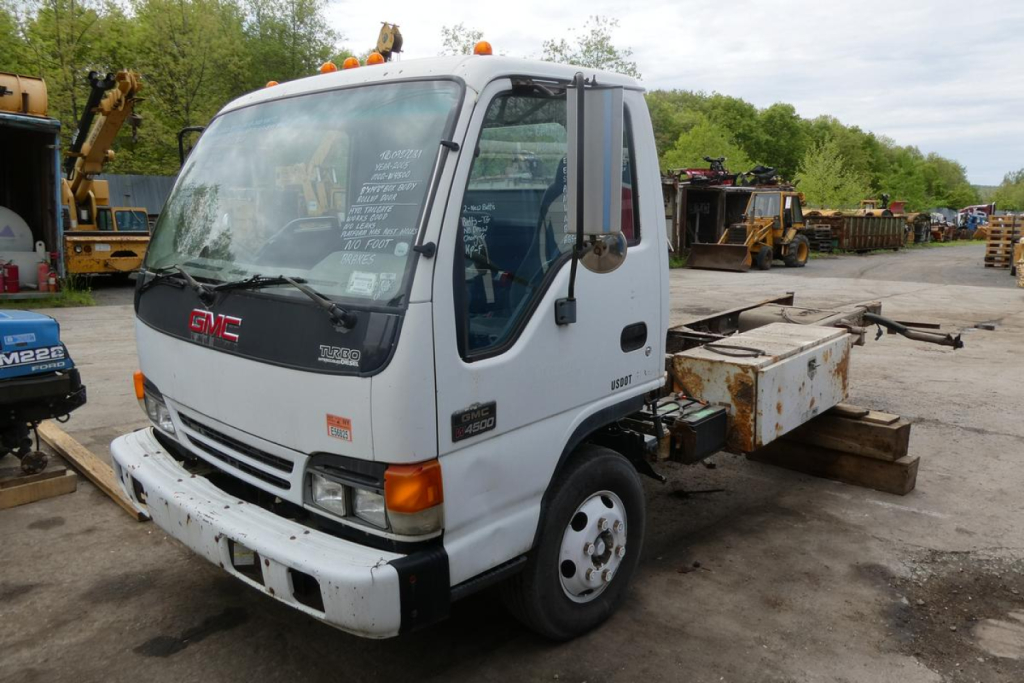
The 2005 market covers a wide range, from low-GVWR cabovers like a GMC W4500 to medium-duty conventionals such as a Freightliner FL70, all the way to severe-service chassis from makers like CCC. That means buyers should match the truck to the finished job, not just the price point. Typical diesel engines in this year range include Caterpillar 3126, Cummins ISC or ISL, and Isuzu 4HK1 series engines, often paired with Allison automatic transmissions like the MD3060, MD3560, or 4500RDS. Horsepower can range from around 190 hp in lighter delivery chassis to 330 hp or more in heavy municipal or tandem-spec platforms. Rear axle ratings, suspension type, and axle ratio make a major difference in launch performance, plow suitability, and highway speed.
Brake system and frame condition deserve close attention on any 2005 used chassis. Medium-duty trucks in this age group may have either hydraulic or air brakes, and that choice affects service cost, licensing, and intended use. Buyers should inspect rail condition, crossmembers, frame extensions, rust around spring hangers, brake lines, wiring, and PTO operation if the truck will power hydraulics. In New York, corrosion from salt use is a real factor, especially on trucks that previously handled plow or spreader duty. Cab condition also matters more than many buyers expect. Door hardware, cab mounts, HVAC operation, gauge function, and electrical condition can turn a low-mile chassis into a costly project if neglected.
A good used 2005 cab and chassis truck can still be a practical platform when the core specs line up with the body and route. Focus on GVWR, front and rear axle ratings, transmission type, suspension, and the exact cab-to-axle dimension before comparing cosmetic details. If the truck is being repurposed, confirm that the frame is suitable for drilling, body mounting, hoist placement, and driveline angle after installation. For vocational buyers, proven combinations like a medium-duty diesel with an Allison automatic, air-to-air cooling, and PTO capability remain desirable because they simplify upfitting and tend to be easier to place into municipal, landscape, construction, or delivery service.
Frequently Asked Questions about Used 2005 Cab and Chassis Trucks in New York
What is the most important measurement on a used cab and chassis truck?
The most important measurement is usually cab-to-axle, followed closely by wheelbase and usable frame length. Cab-to-axle determines what body length and body style can be installed correctly. A mismatch can require frame modifications, driveline changes, or relocation of components such as fuel tanks, battery boxes, and crossmembers. Buyers should always confirm body manufacturer fitment charts against the truck’s actual dimensions before purchase.
Are 2005 cab and chassis trucks good candidates for dump, plow, or utility body installation?
Yes, many 2005 cab and chassis trucks are still viable body-install platforms if the frame, drivetrain, and brake system are sound. Trucks with PTO openings, hydraulic setups, heavier front axle ratings, and vocational rear axle ratios are especially useful for dump or snow work. Utility and service body buyers should also check frame clearance, electrical condition, and GVWR to make sure the finished truck will carry the intended payload without exceeding axle limits.
What should I inspect on a used cab and chassis truck in New York?
Rust and corrosion should be high on the list, especially on chassis that may have seen winter road salt, plow duty, or spreader service. Pay close attention to frame rails, spring hangers, brake lines, fuel system components, cab mounts, wiring harnesses, and body-mount areas. It is also smart to inspect PTO operation, transmission engagement, suspension wear, and any frame extensions or reinforcements, because older vocational trucks often have been modified more than once.
Is an Allison automatic a good transmission choice on a 2005 cab and chassis truck?
An Allison automatic is often a strong choice for vocational and municipal use because it works well in stop-and-go driving, snow work, and body applications that rely on PTO or hydraulic systems. Models such as the MD3060, MD3560, and 4500RDS are common in this year range. Buyers should still verify service history, fluid condition, shift quality, and PTO compatibility, since repair costs can be significant on an older unit.
How do I choose between a lighter cabover chassis and a heavier conventional chassis?
The decision comes down to body type, payload, service environment, and axle requirements. A lighter cabover can be a good fit for urban delivery, tighter turning, and lower GVWR applications. A heavier conventional chassis usually offers better suitability for dump bodies, plows, larger utility bodies, and rougher vocational use because it can provide higher front axle capacity, stronger frame options, heavier suspension, and more robust driveline components.