
Used 2005 Cab and Chassis Trucks For Sale
Shop used 2005 cab and chassis trucks. Compare wheelbase, cab-to-axle, GVWR, axle ratings, engine and upfit readiness.
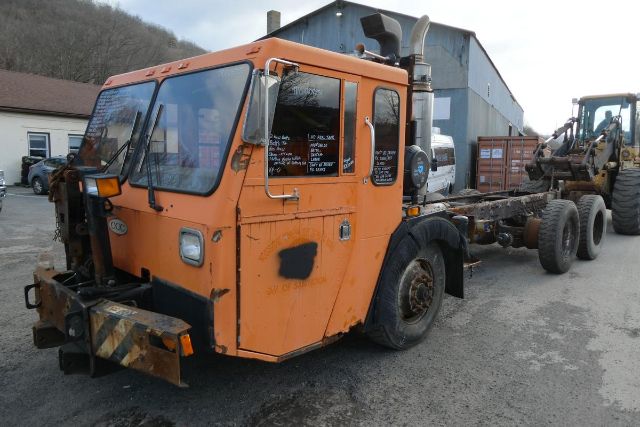
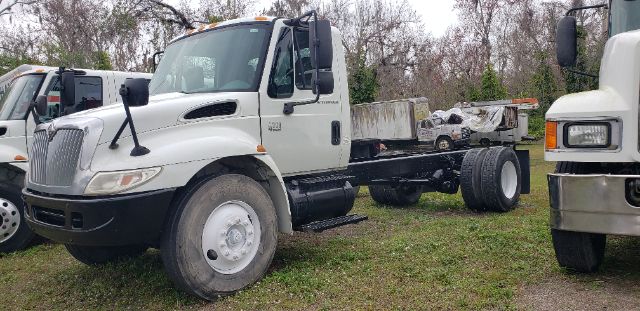
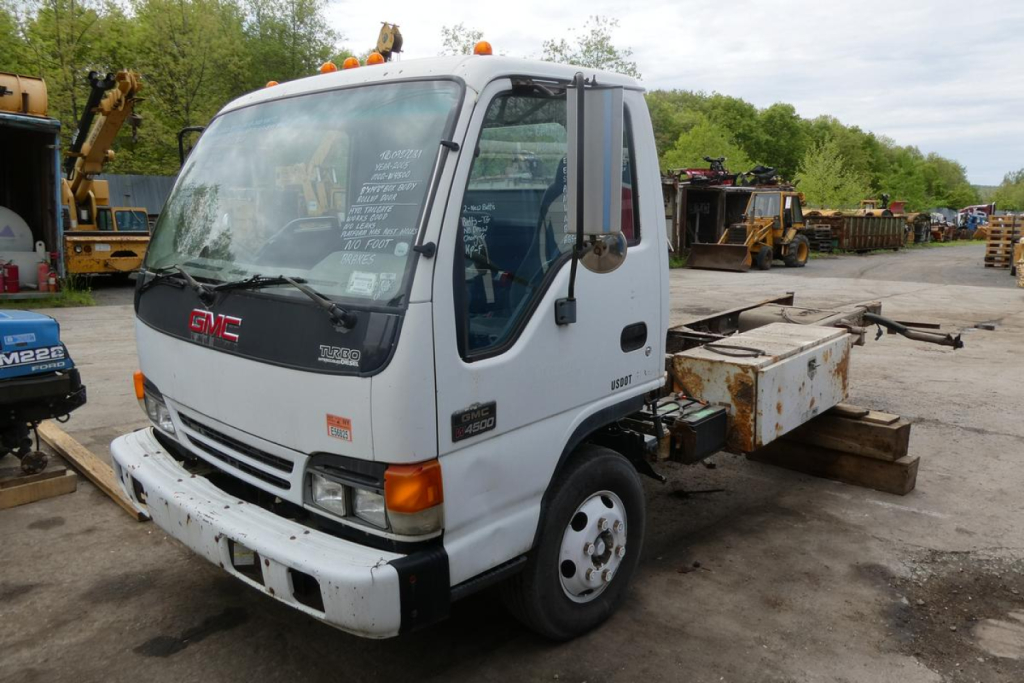
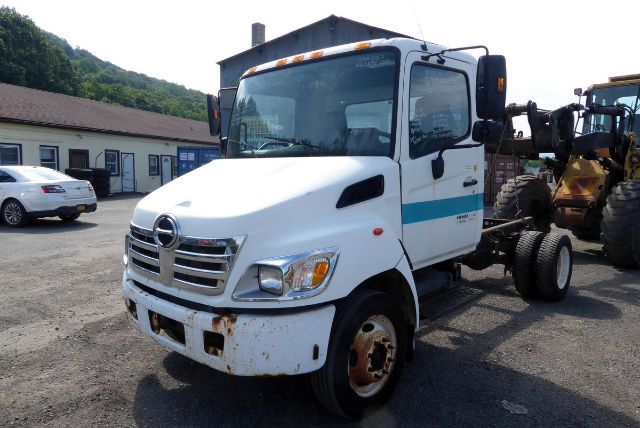
Selling a used 2005 cab and chassis truck? List your used 2005 cab and chassis truck for sale and reach thousands of commercial buyers.
Used 2005 Cab and Chassis Trucks
The 2005 model year covers a wide spread of truck classes, from lighter cab and chassis units around 16,000 lb GVWR up to severe-duty configurations above 60,000 lb GVWR. Typical engines in this segment include medium-duty diesel platforms from Hino, Cummins, Caterpillar, International, and Mack, often paired with Allison automatics or Fuller manual transmissions depending on application. Suspension type matters more than many buyers expect. Spring suspension is common on lighter and general vocational builds, while rubber block, air ride, or heavy vocational suspensions are more relevant on trucks carrying constant body weight or operating off pavement. Brake type, tire size, and axle ratio also affect how the truck will perform once the body and payload are added.
On a used 2005 cab and chassis, frame condition and upfit readiness are usually more important than cosmetics. Check for frame repairs, cracks near suspension hangers, corrosion around body mounting areas, and any drilling or welding that may limit a new installation. Cab-to-end measurement helps estimate remaining usable frame, while cab-to-axle is the key dimension body installers use for fitment. Buyers should also verify PTO provisions, hydraulic setup, fuel tank placement, exhaust routing, and electrical compatibility with the intended body. If the truck is being repurposed, look closely at steering, brake system condition, cooling system health, and transmission operation, especially on units that were previously in municipal, refuse, construction, or stop-and-go fleet service.
A 2005 used cab and chassis truck can still make sense when the spec matches the body and route. Lower-mile specialty chassis may offer value, but miles alone do not tell the whole story on vocational trucks. Engine hours, idle time, axle wear, front spring capacity, and service history often matter just as much. Buyers comparing listings should think in terms of finished application, not just truck price. A chassis with the right wheelbase, axle ratings, and frame layout is usually cheaper to put to work than a lower-priced unit that needs major modifications before it can carry the intended body.
Frequently Asked Questions about Used 2005 Cab and Chassis Trucks
What is the most important measurement on a cab and chassis truck?
Cab-to-axle is usually the first number to verify because it determines what body length and body style can be installed correctly. Wheelbase, cab-to-end, and rear overhang also matter, but body manufacturers and installers typically start with cab-to-axle to match the chassis to a service body, dump body, flatbed, van body, or other upfit.
Are 2005 cab and chassis trucks good for repowering or rebody applications?
They can be, provided the frame, axles, suspension, and drivetrain are still sound. A 2005 chassis is often considered for rebody work when the buyer needs a specific wheelbase or axle package and wants to control total acquisition cost. The key is making sure the frame rails are straight and structurally clean, the mounting surfaces are usable, and the engine and transmission do not require major repairs that erase the initial savings.
What should I inspect on a used vocational cab and chassis before buying?
Focus on frame integrity, suspension wear, steering play, brake system condition, driveline condition, cooling system performance, and transmission function. On heavier units, inspect for double-frame construction, cracks above or near tandem areas, prior repairs, rust scaling, and signs of severe off-road or overload use. Also confirm the truck has the PTO capability, electrical connections, and clear frame space needed for the body or equipment you plan to install.
How do GVWR and axle ratings affect body selection?
GVWR sets the legal operating weight limit of the complete truck, while front and rear axle ratings show how that weight can be carried. A body may physically fit a chassis and still be a poor match if the rear axle, front axle, or suspension capacity is too light for the payload. Buyers should consider body weight, mounted equipment, cargo, passengers, and fuel together when deciding whether a chassis is correctly rated.
Is an automatic or manual transmission better in a used 2005 cab and chassis truck?
That depends on the application. Allison automatics are common in municipal, delivery, utility, and stop-and-go vocational work because they reduce driver fatigue and work well with PTO-driven equipment. Manual transmissions can still be a strong choice in heavier vocational or regional applications where driver preference, maintenance familiarity, and gearing control matter more. The better option is usually the transmission that matches the body, route, and driver pool.