
Used 2004 Cab and Chassis Trucks For Sale in New York
Browse used 2004 cab and chassis trucks for sale in New York. Compare wheelbase, cab-to-axle, GVWR, powertrain, and upfit readiness.
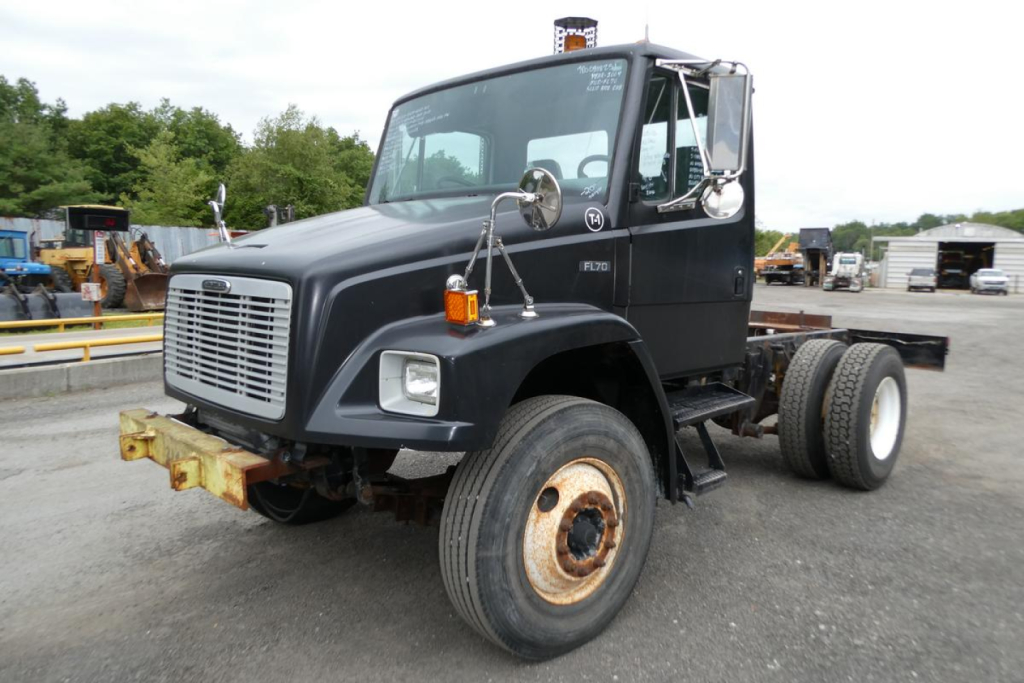
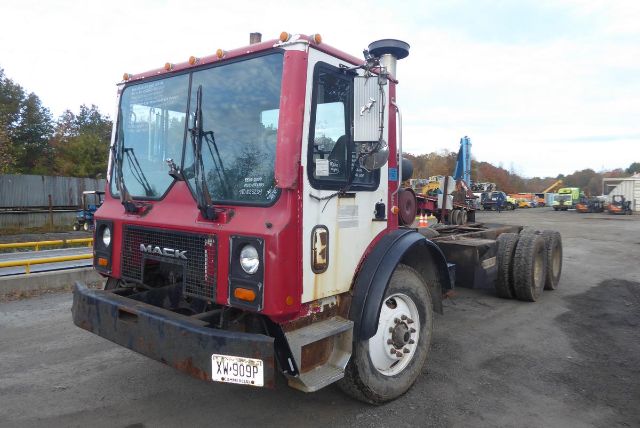
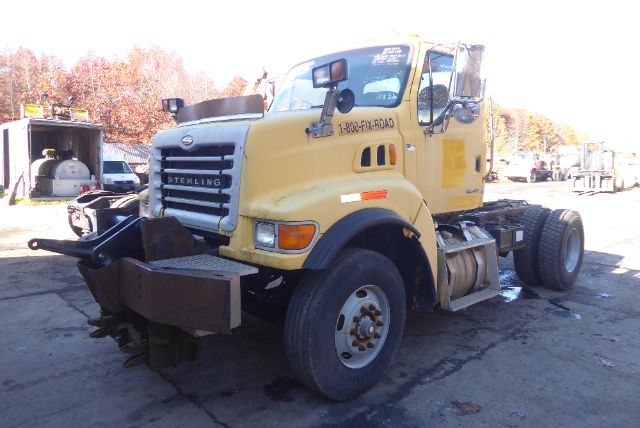
Selling a used 2004 cab and chassis truck? List your used 2004 cab and chassis truck for sale and reach thousands of commercial buyers.
Used 2004 Cab and Chassis Trucks in New York
The main buying decision is matching the chassis to the job. A shorter cab-to-axle is typical for dump, contractor, and municipal builds, while longer CA dimensions are common for van bodies, rollback applications, and service bodies with more compartment space. GVWR can vary from roughly 14,500 pounds on lighter cab and chassis trucks up into the 33,000 pound range and beyond on heavier spec units, so axle ratings, suspension type, and frame construction deserve close attention. Single-frame trucks are common in lighter delivery and service work. Double-frame chassis are more appropriate when the truck will carry concentrated loads, operate a hoist, or support severe-duty vocational use. In this age range, you will commonly see spring suspension, Chalmers or Hendrickson rubber block setups, rear axle ratios selected for low-speed work, and automatic transmissions such as the Allison MD or HD series, though some heavier trucks may have manual Fuller gearboxes.
Powertrain condition is critical on a 2004 used cab and chassis truck because many of these units have already lived one full body cycle and are now candidates for a second upfit. Caterpillar 3126, Cummins ISC or ISL, Mack E7, and Isuzu 4HK1 are all common engines from this era, each with different service considerations, parts support, and emissions simplicity compared with later model trucks. This pre-DPF age is attractive to many buyers because there is no diesel particulate filter or DEF system to manage, but age still brings its own issues: cooling systems, injector performance, wiring, PTO function, frame corrosion, brake system condition, and evidence of prior frame extensions or body removal. On New York trucks especially, rust at cab mounts, spring hangers, crossmembers, brake lines, and the top or inside of the frame rails should be checked carefully. If the truck is intended for a plow, spreader, or dump body, verify front axle capacity, PTO operation, hydraulic plumbing, and any wetline equipment already installed.
A strong used 2004 cab and chassis truck can still be a cost-effective path into a specialized work truck, but only if the measurements and mechanical spec match the planned body. Buyers should confirm the exact wheelbase, CA, axle spread if tandem, rear ratio, brake type, tire size, and available PTO openings before budgeting an upfit. It is also smart to inspect for frame drilling, reinforcements, prior weld repairs, and any mismatch between stated mileage and actual wear on pedals, seats, steering components, and hour meter. The best value in this category usually comes from a chassis that is already close to the intended application, because moving fuel tanks, battery boxes, exhaust, or crossmembers can add significant body-install cost.
Frequently Asked Questions about Used 2004 Cab and Chassis Trucks in New York
What is the most important measurement on a used cab and chassis truck?
Cab-to-axle is usually the key measurement because it determines what body length and body style the chassis can accept. Wheelbase and cab-to-end are also important, but body manufacturers and installers typically start with CA when matching a truck to a dump body, utility body, flatbed, van body, or rollback. A buyer should verify the actual measurement on the frame instead of relying only on a listing description, especially on older trucks that may have had frame extensions or previous body changes.
Are 2004 cab and chassis trucks desirable because they are pre-emissions?
Yes, many buyers target 2004 trucks because they predate later diesel emissions systems such as DPF and DEF. That can mean less emissions-related complexity and lower diagnostic costs compared with newer trucks. The tradeoff is age. A 2004 truck may still need attention to injectors, cooling components, wiring, brakes, hydraulics, and corrosion, so pre-emissions simplicity should not replace a full mechanical and frame inspection.
How do I know if a cab and chassis truck is suitable for a dump or plow setup?
Start with front axle rating, rear axle rating, frame strength, suspension, transmission compatibility, and PTO provisions. Dump and snow applications put extra stress on the chassis, so buyers should look for adequate axle capacity, suitable rear ratio, air brakes on heavier units, and a frame that shows no cracking or poor repair work. If the truck already has a wetline, central hydraulics, or plow and spreader controls, those components should be tested because PTO or hydraulic repairs can quickly affect the total cost of the truck.
What should buyers in New York inspect first on an older used cab and chassis truck?
Rust and prior upfit modifications should be at the top of the list. New York road salt can damage frame rails, crossmembers, spring hangers, brake lines, cab mounts, and electrical connectors. Buyers should also inspect for added holes in the frame, welded repairs, fishplates, and old body-mount patterns that may complicate a new installation. A chassis can run well and still become expensive if corrosion or prior body work makes the frame unsuitable for the next upfit.
Is a single-frame or double-frame cab and chassis better?
Neither is automatically better because the right choice depends on the job. A single-frame chassis is common in lighter service, delivery, and van body applications where payload and body weight are moderate. A double-frame chassis is preferred for severe-duty work such as dump, heavy municipal use, or applications with concentrated loads and hoist stress. The important point is that the frame spec should match the intended body and duty cycle, and the rails should be checked for cracks, corrosion, and proper reinforcement.