
Used 2004 Cab and Chassis Trucks For Sale
Shop used 2004 cab and chassis trucks with specs that matter, including wheelbase, GVWR, axle setup, engine options, and body upfit readiness.
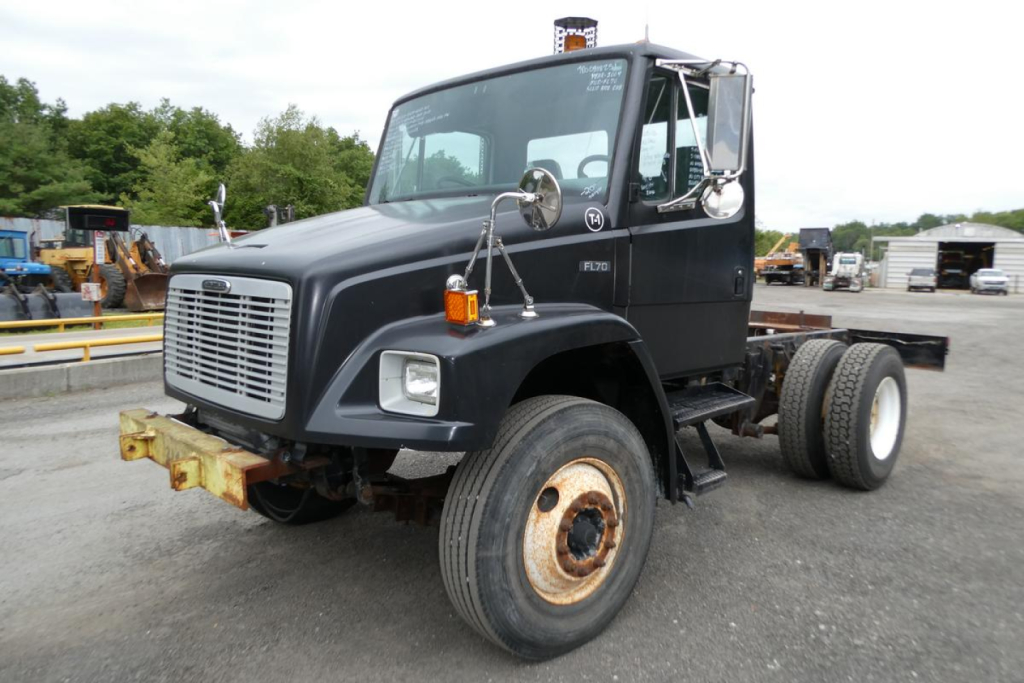
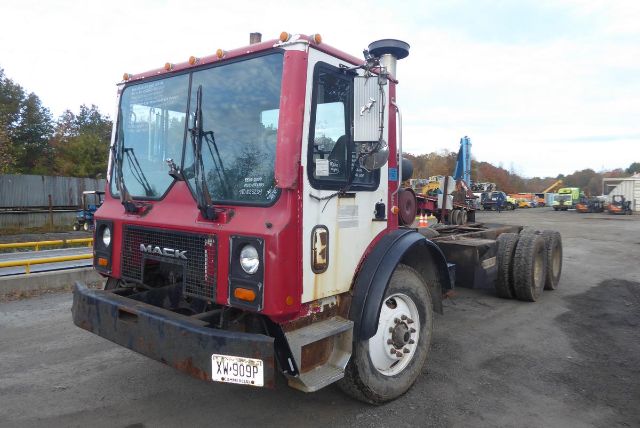
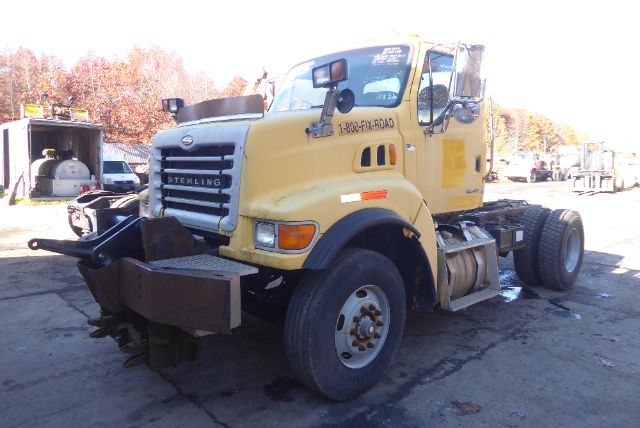
Selling a used 2004 cab and chassis truck? List your used 2004 cab and chassis truck for sale and reach thousands of commercial buyers.
Used 2004 Cab and Chassis Trucks
In the 2004 model year, this category commonly spans light, medium, and heavy-duty configurations from pickup-based chassis cabs up through Class 6, 7, and some Class 8 vocational platforms. You will see diesel and gasoline powertrains depending on size class, plus automatic and manual transmissions. Medium-duty 2004 cab and chassis trucks often came with engines from Caterpillar, Cummins, International, or Mercedes-Benz, while lighter units may use Ford, GM, or Dodge gas and diesel options. A buyer should pay close attention to emissions era and engine support. A 2004 truck predates today’s more complex aftertreatment systems, which can be attractive for simpler maintenance, but age, parts availability, injector condition, cooling system health, and transmission wear matter more than odometer alone.
Frame usability is what separates a good cab and chassis from a poor upfit candidate. Check for rust scale on the top and inside of the frame rails, crossmember repairs, PTO provisions, suspension type, and axle ratio. If the truck is intended for stop-and-go city work, turning radius, brake condition, and front axle capacity deserve extra attention. If it is being set up for towing, dump, or utility service, look at engine torque, transmission compatibility with PTO equipment, and spring or air ride configuration. Cab style also matters. Regular cab units maximize body length, while extended and crew cab layouts trade frame space for passenger capacity.
A used 2004 cab and chassis truck can still be a practical buy when the chassis matches the body plan and the mechanicals have been evaluated realistically. Body installation costs, wiring integration, hydraulic needs, and final payload should be calculated before purchase, not after. Buyers who approach this category by application first, then by axle ratings, frame dimensions, and drivetrain condition, usually make better decisions than those shopping by price alone.
Frequently Asked Questions about Used 2004 Cab and Chassis Trucks
What should I check first on a used 2004 cab and chassis truck?
Start with the dimensions and weight ratings that control the upfit. Wheelbase, cab-to-axle, cab-to-end-of-frame, GVWR, front and rear axle ratings, and frame condition are the key numbers. After that, inspect drivetrain health, brake system condition, suspension wear, and any evidence that a previous body installation altered the frame rails or wiring.
Is a 2004 cab and chassis truck good for a new body installation?
It can be, if the frame is straight, corrosion is manageable, and the chassis ratings match the intended body and payload. Many 2004 trucks are attractive because they are mechanically simpler than newer emissions-era trucks. The real question is whether the truck has the correct wheelbase, axle capacity, PTO capability, and remaining service life to justify the upfit cost.
What bodies are commonly installed on cab and chassis trucks?
Common upfits include flatbeds, stake beds, dump bodies, utility and service bodies, mechanics trucks, box bodies, tow bodies, tank bodies, and specialty municipal equipment. The right choice depends on frame length, rear axle capacity, suspension type, and how much payload the finished truck needs to carry. A mismatch between body weight and chassis rating is one of the most expensive mistakes in this category.
Are 2004 cab and chassis trucks easier to maintain than newer models?
In many cases, yes. A 2004 truck generally predates modern diesel aftertreatment systems such as DPF and SCR, so there are fewer emissions-related components to service. That said, age introduces its own maintenance risks, including cooling system deterioration, injector wear, corrosion, electrical issues, and older transmission or clutch components. Maintenance history is more important than model year by itself.
Does cab style matter when buying a cab and chassis truck?
Yes. Cab style directly affects usable frame length and how the truck fits the job. A regular cab leaves more room for the body, which is useful for flatbeds, dumps, and utility applications. An extended cab or crew cab adds passenger space but reduces available body length unless the wheelbase increases accordingly. Buyers should confirm that the cab configuration still leaves enough room for the planned upfit and weight distribution.