
Used Hino Trucks For Sale in New York
Browse used Hino trucks in New York, including box trucks, cab and chassis, flatbeds, and medium-duty diesel models for local delivery work.
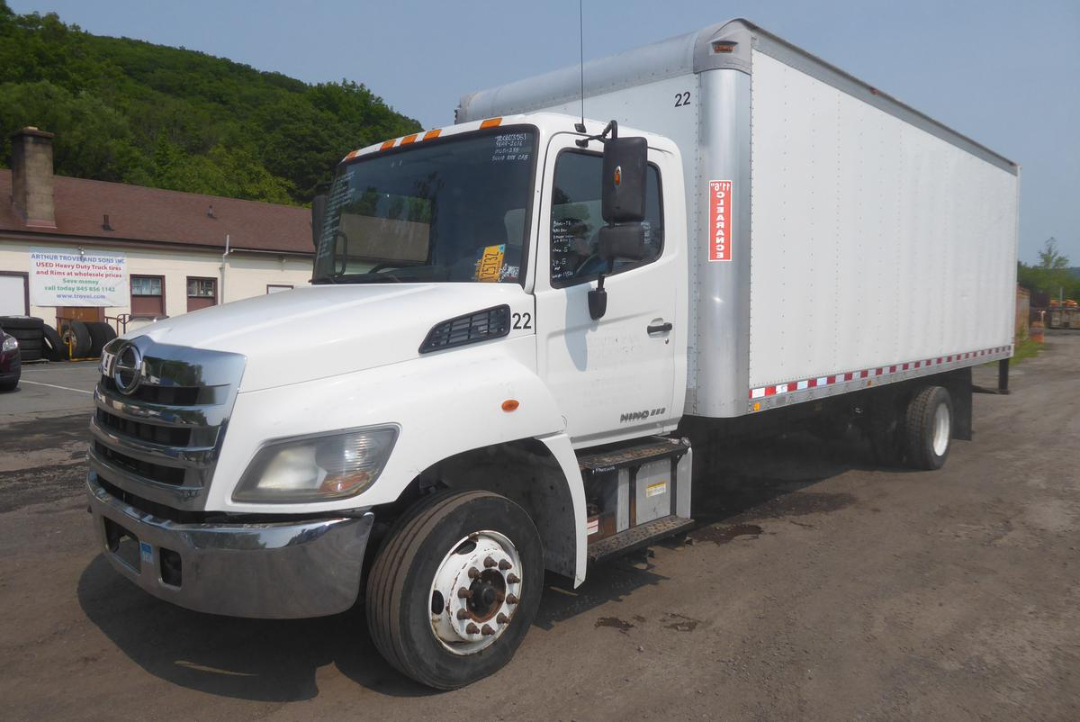
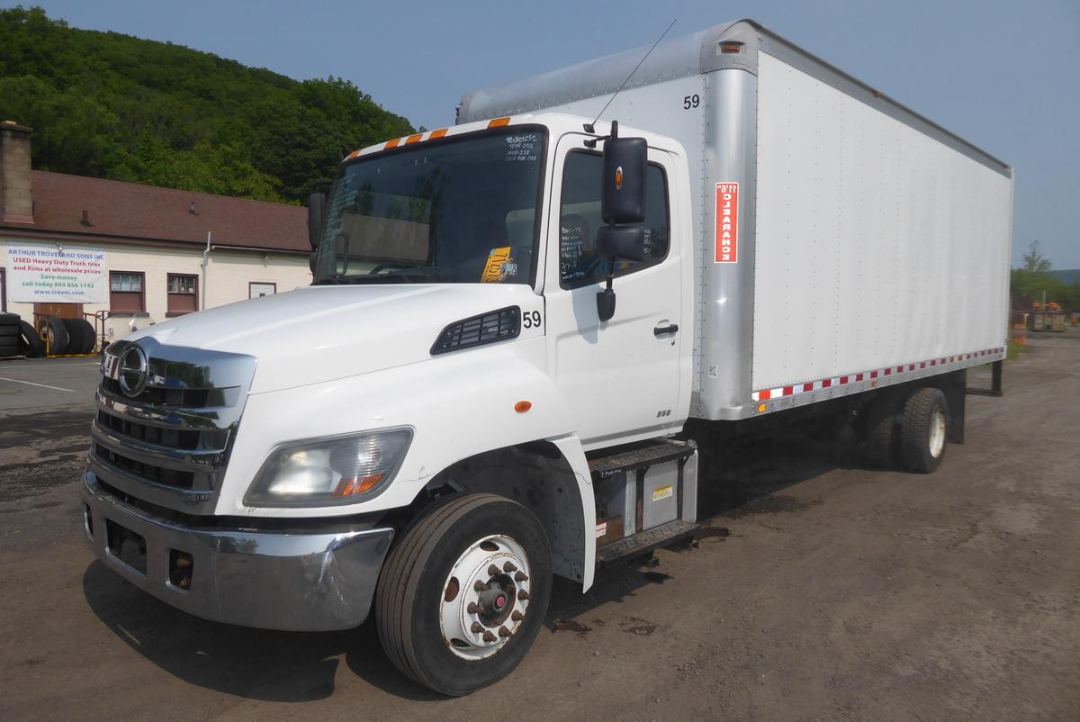
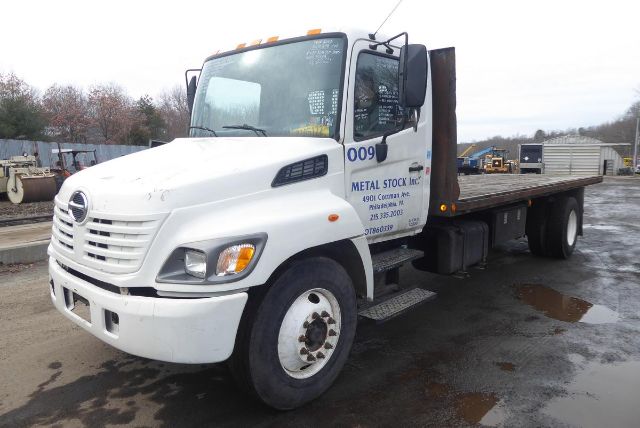
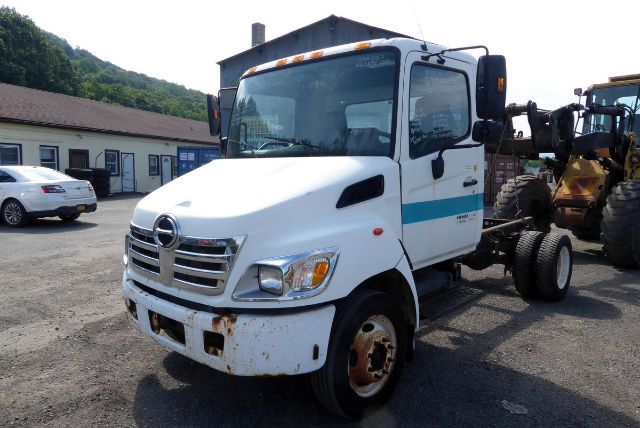
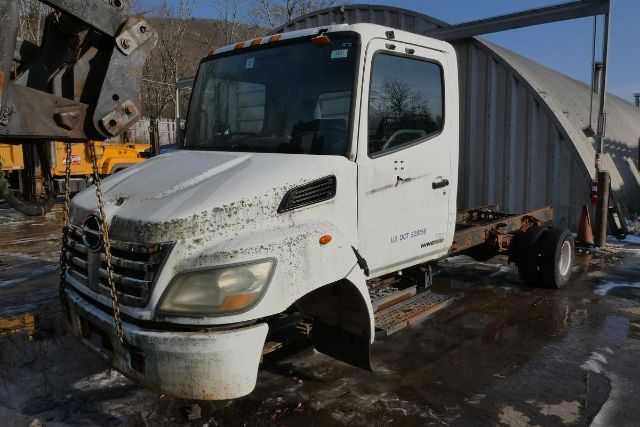
Selling a used hino truck? List your used hino truck for sale and reach thousands of commercial buyers.
Used Hino Trucks in New York
The first buying decision is usually GVWR and wheelbase. Lighter Hino models often fall in the 14,500 to 19,500 GVWR range and are commonly used for dry freight, parcel delivery, small reefer bodies, and contractor applications. Mid-range trucks like the 258 and similar platforms are often spec'd around 25,500 GVWR, which makes them useful for non-CDL body setups in many applications while still offering enough chassis capacity for a substantial box or equipment body. Heavier Hino models can move into Class 6 and Class 7 territory with higher axle ratings, longer wheelbases, and upfit flexibility for stake beds, rollback bodies, dump bodies, and service trucks. Cab-to-axle measurement matters as much as GVWR because it determines what body length the chassis can properly carry.
Powertrain specs on used Hino trucks typically center on Hino diesel engines such as the J05 and J08 series, usually paired with Allison automatic transmissions or medium-duty manual gearboxes. Horsepower commonly runs from around 175 hp in lighter models to roughly 220 to 260 hp in larger units, with rear axle ratios selected for city acceleration, PTO work, or moderate highway use. Buyers should pay close attention to brake type, especially when comparing lighter hydraulic brake trucks against air brake models in heavier specs. Suspension is often multileaf spring, which is durable and simple for vocational use, while tire size, front axle rating, rear axle rating, and frame condition help determine how well the truck matches the intended body and payload.
On used Hino trucks in New York, operating environment matters. Stop-and-go urban routes, bridge clearances, corrosion exposure, and body wear can all be more important than brand reputation alone. Check box dimensions, roll-up door opening, floor material, logistics track, flatbed deck condition, headache racks, wheel-lift or winch equipment, and any signs of frame modification if the truck has already been upfitted. On cab and chassis units, verify wheelbase, cab-to-axle, and cab-to-end dimensions before planning a body install. Service records, emissions system condition on DEF-equipped models, odometer reading, transmission operation, and evidence of hard cold-start use are all worth reviewing closely. A well-matched used Hino truck can be a practical, cost-effective medium-duty platform for dense regional work where maneuverability, payload balance, and uptime matter more than long-haul specifications.
Frequently Asked Questions about Used Hino Trucks in New York
What are used Hino trucks best suited for?
Used Hino trucks are commonly used for local and regional medium-duty work such as box delivery, flatbed hauling, towing, contractor service, and municipal applications. Their conventional cab design, diesel engines, and body-friendly chassis dimensions make them especially useful for businesses that need a truck that can be upfitted, maneuvered in tight urban areas, and serviced without the complexity of a heavy highway tractor.
Which Hino models are commonly found on the used market?
Common used Hino models include the 145, 155, 195, 238, 258, 268, and 338, along with older model designations such as NB-series trucks. Lighter models are often used as cab and chassis or small van body platforms, while larger models are frequently equipped with box bodies, flatbeds, rollback wreckers, dump bodies, or stake bodies. The right model depends on required GVWR, axle ratings, and body length.
Are Hino trucks available with automatic transmissions?
Yes. Many used Hino trucks are equipped with Allison automatic transmissions, especially in delivery and vocational applications where ease of operation and stop-and-go performance are important. Some older or heavier units may also have manual transmissions. Transmission choice affects driver preference, service costs, PTO compatibility, and how the truck performs under repeated urban starts and stops.
What should I check on a used Hino box truck or cab and chassis?
Focus on GVWR, wheelbase, cab-to-axle measurement, engine model, transmission type, brake system, axle ratings, and frame condition. On box trucks, inspect the floor, roof, door opening, body mounts, and signs of water intrusion or impact damage. On cab and chassis units, confirm the dimensions needed for the intended body install and inspect the frame rails for corrosion, drilling, stretching, or prior vocational modifications. On newer diesel models, emissions equipment condition is also important.
Is a used Hino truck a good choice for New York operation?
A used Hino truck can be a very practical choice for New York if the spec matches the route and payload. Many Hino models are well suited to dense city delivery, suburban service routes, and regional commercial work because they offer manageable size, solid visibility, and medium-duty diesel durability. Buyers in New York should pay extra attention to rust, brake condition, body damage, and overall maneuverability for tight streets, loading zones, and low-clearance areas.