
Used 2000 Commercial Trucks For Sale in New York
Used 2000 trucks in New York, pre-emissions power and proven drivetrains. Evaluate floor strength, tare weight, corrosion and thermal integrity.
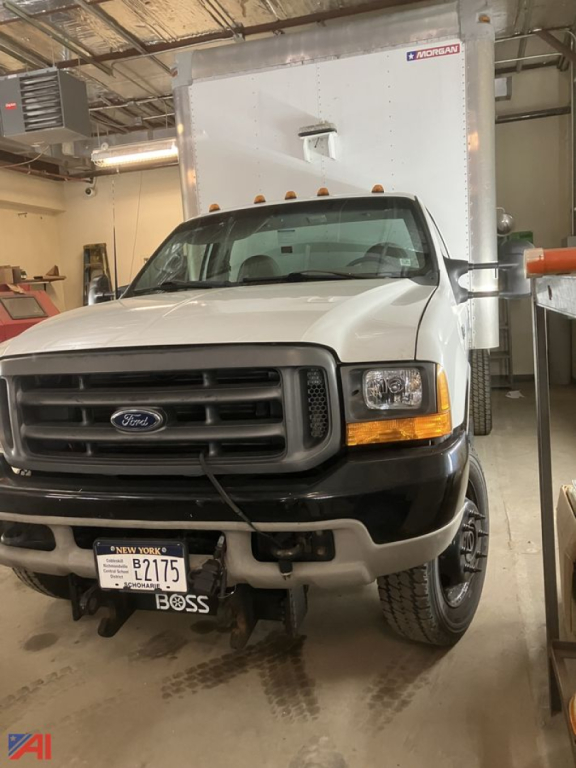
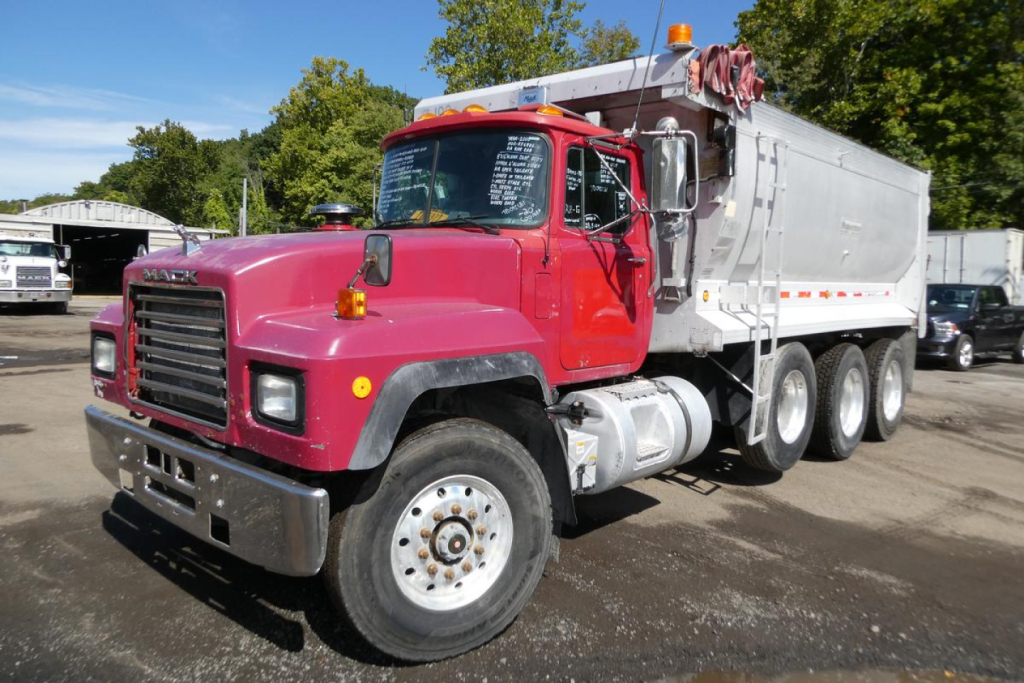
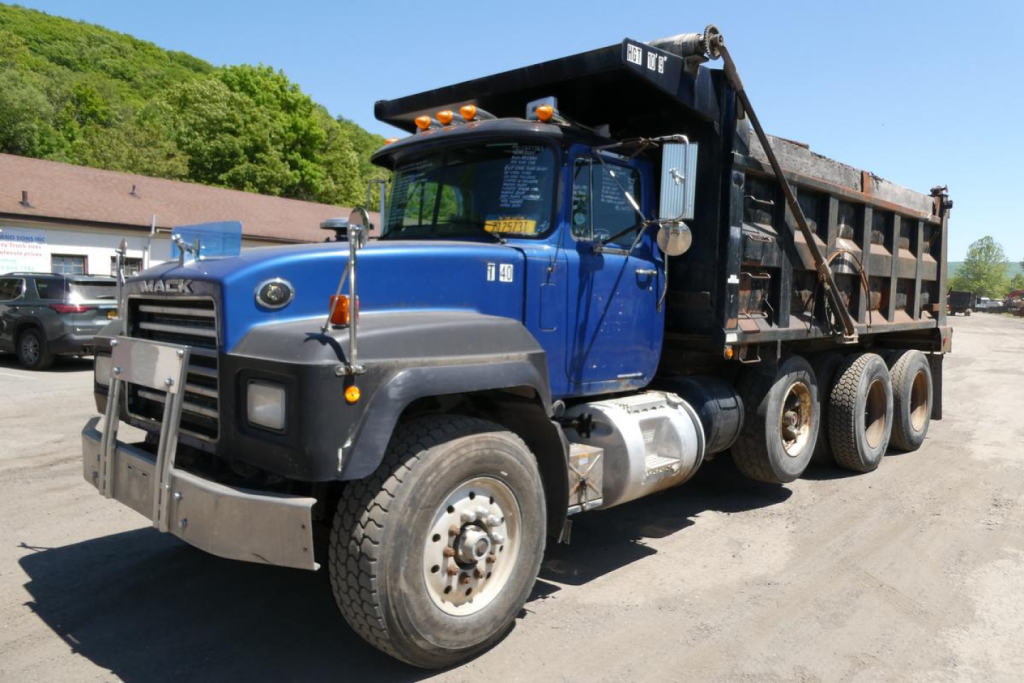
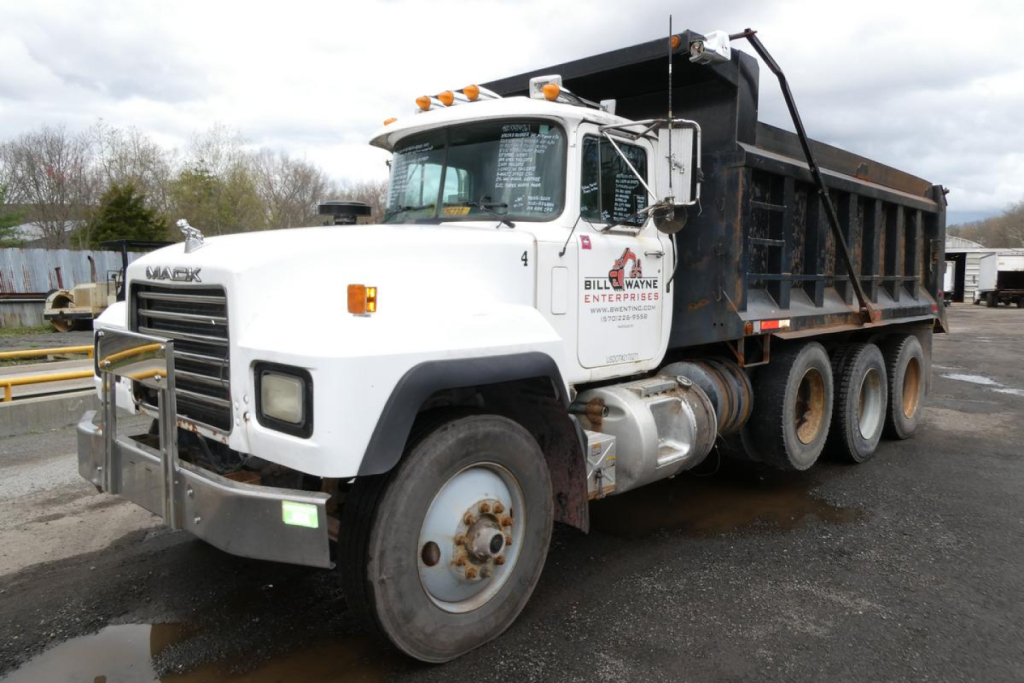
Selling a used 2000 commercial truck? List your used 2000 commercial truck for sale and reach thousands of commercial buyers.
Used 2000 Commercial Trucks in New York
Structural integrity drives resale value on day cabs, sleepers and straight trucks. Inspect frame rails for scale and pitting near steer axle spring hangers, rear suspension crossmembers and fifth wheel brackets, since New York road salt accelerates corrosion. On van and reefer straight trucks, floor strength matters more than cosmetics. Look for hardwood or laminated oak floors with adequate stringer spacing and forklift load ratings, scuff liners at 12 to 24 inches to protect walls, and aluminum threshold plates at rear doors. Flatbed bodies should show tight decking, solid sills and straight stake pockets. For dump and vocational chassis, check hoist mounts, doghouse welds and inner frame reinforcements, and measure frame RBM to ensure it meets your body and payload.
Tare weight is a quiet profit lever on 2000 model year trucks. Pre-aftertreatment engines and steel drum brakes usually weigh less than later equivalents, which can add a few hundred pounds of payload. Aluminum wheels, fuel tanks and battery boxes trim weight further, while heavier double frame sections or full lockers add mass. Balance gearing for duty cycle, tall gears reduce cruise rpm for fuel economy on highway work, shorter gears aid startability and PTO operations in vocational service. Corrosion resistance varies by build, aluminum cabs and galvanized components help, but focus on cab mounts, radiator core supports, battery trays and air tanks for rust. On box and reefer bodies, inspect roof seams, corner caps and rear frame for electrolysis and water intrusion.
Thermal integrity is critical on reefer straight trucks and sleepers. For insulated bodies, check foam density, wall thickness, skin adhesion and door seal compression, moisture in insulation degrades R value and raises fuel burn. Evaluate reefer unit hours, service records and refrigerant type, verify temperature pull down and hold time. For sleeper cabs, confirm HVAC performance, bunk heater operation and coolant flow through heater cores to avoid winter idle spikes. Tires and wheels on 2000 trucks rarely include central inflation from the factory, but tire pressure monitoring retrofits improve wear and fuel economy. Plan for routine upgrades like LED lighting, refreshed brake hardware, updated seats and modern telematics to extend service life and safety while keeping total cost of ownership predictable.
Frequently Asked Questions about Used 2000 Commercial Trucks in New York
What are the main advantages of a 2000 model year truck versus newer units?
Trucks from 2000 typically use pre-emissions diesels without EGR, DPF or DEF, which reduces complexity, parts cost and downtime. They often weigh less than later models, improving payload and sometimes fuel economy in steady service. Electronics are simpler and easier to troubleshoot. The trade off is fewer safety and comfort features, mostly drum brakes, and older cabs that may need refurbishment to meet current driver expectations.
How should I evaluate frame and body corrosion on a 2000 truck in the Northeast?
Start with the frame flanges and webs near steer axle hangers, rear suspension crossmembers and fifth wheel mounts. Probe cab mounts, battery trays, air tanks, brake lines and fuel tank straps for scale and pitting. On van and reefer bodies, check roof seams, corner caps, rear door frames and subframe sills for rust and electrolysis. Surface rust is manageable, deep pitting around high stress areas is a red flag. Look for evidence of prior repairs, quality of plating or undercoating, and confirm the truck passes a thorough DOT inspection.
What should I look for in floor strength on a 2000 box or reefer truck?
Verify the floor material and forklift rating. Hardwood or laminated oak boards with tight stringer spacing handle dock work well, aluminum plank floors save weight but can dent if unsupported. Inspect for broken crossmembers, loose fasteners, soft spots and gap at the rear threshold. Scuff liners at 12 to 24 inches protect walls from pallet abrasion, and aluminum threshold plates prevent rear edge damage. Make sure rear door seals are intact so water does not deteriorate the floor and insulation.
How do I assess thermal integrity on an older reefer straight truck?
Confirm the body’s insulation has not absorbed moisture by checking for delamination, staining and odors. Measure wall and roof thickness if documented, inspect door gaskets, hinge alignment and drain paths. Run the reefer unit to verify rapid pull down to setpoint and stable hold under load, and review maintenance records and total hours. Confirm refrigerant type and parts availability, and check the evaporator and condenser coils for corrosion that could reduce efficiency.
Are 2000 trucks compliant for operation in New York, including urban areas?
Most 2000 trucks can be registered and operated in New York if they pass state safety and emissions inspections, including diesel opacity testing where applicable. Certain municipalities or port areas may have additional requirements or incentives that favor newer or retrofitted equipment, so verify local rules for idling limits and access restrictions. Retrofit options like diesel oxidation catalysts, auxiliary heaters and telematics for idle management can help meet policy goals and reduce operating costs.