
Used 2000 Mack Trucks For Sale in New York
Browse used 2000 Mack trucks for sale in New York, including vocational and highway models with E7 power, Mack drivetrains, and durable chassis.
Selling a used 2000 mack truck? List your used 2000 mack truck for sale and reach thousands of commercial buyers.
Used 2000 Mack Trucks in New York
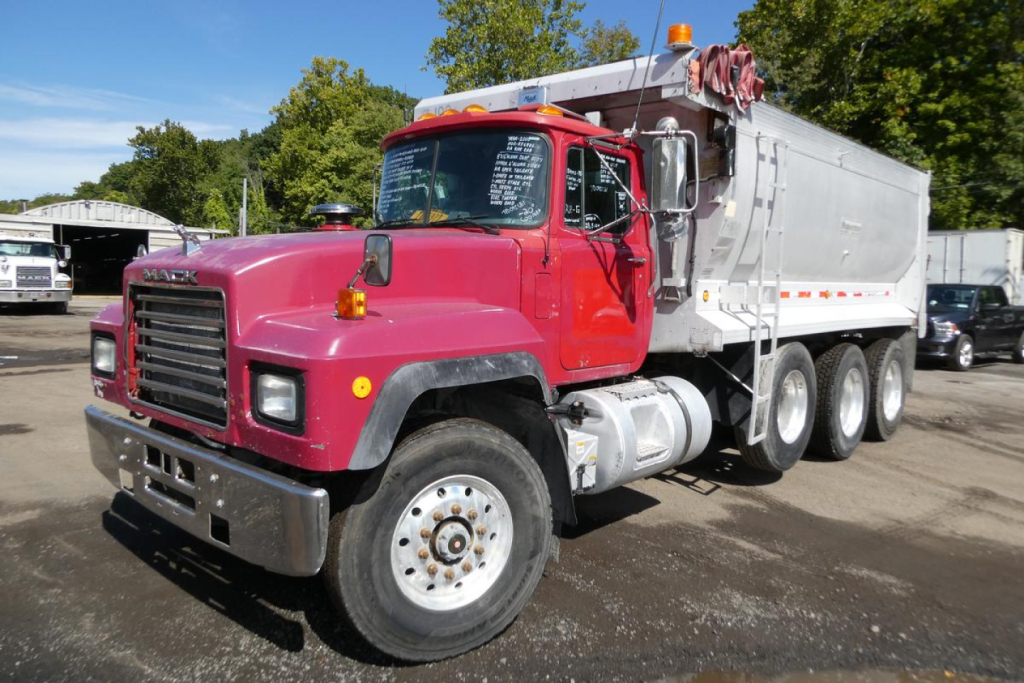
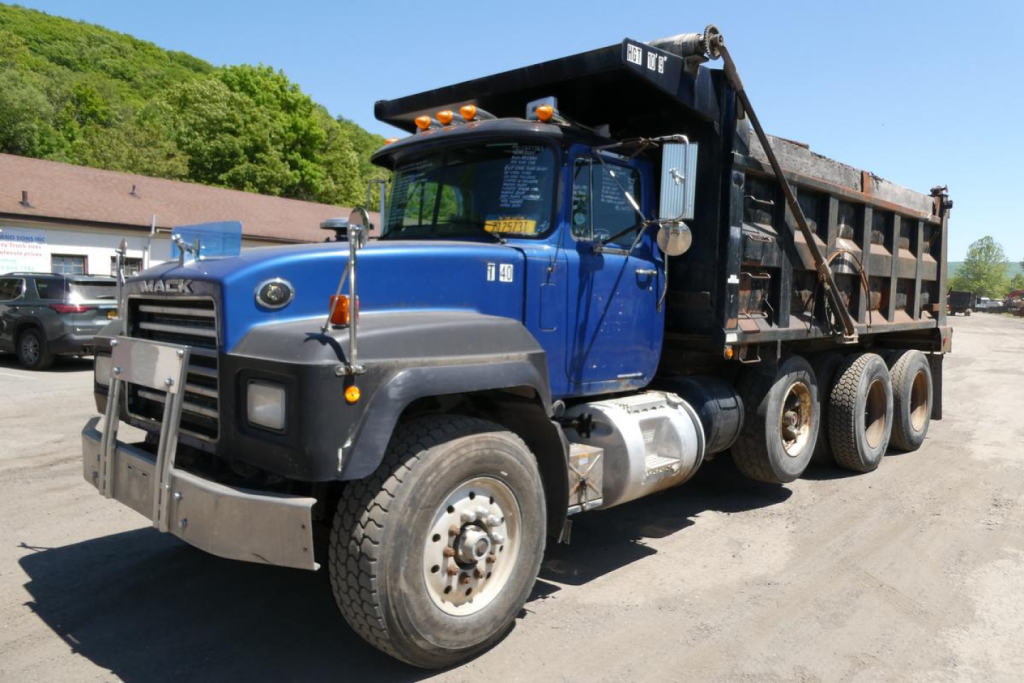
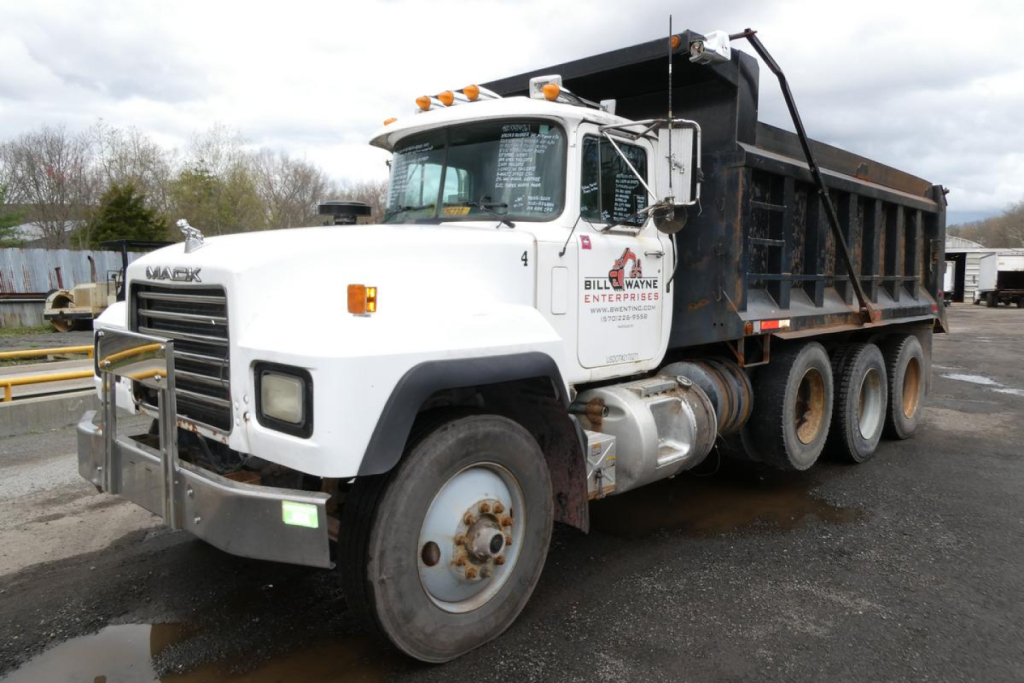
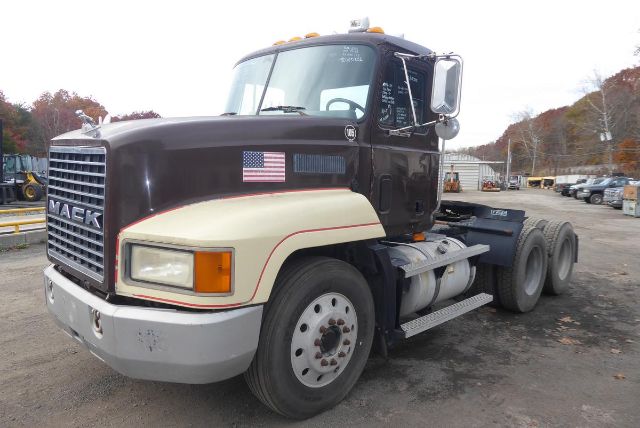
The biggest buying decision is usually application-specific chassis spec, not just horsepower. A 2000 Mack dump or severe-duty truck may carry Camelback suspension, heavy front axles, double frame rails, lift axles, PTO and wetline setup, and deep rear ratios for low-speed pulling power. A highway-oriented day cab from the same era may be built with Mack air ride, lighter axle ratings, taller gearing, and a sliding fifth wheel for van, flatbed, or regional freight work. Mack E7 and E-Tech engines were common around this period, often paired with Mack 7-speed or Fuller 9-speed and 10-speed transmissions. Buyers should pay close attention to rear axle rating, suspension type, ratio, wheelbase, and cab-to-axle measurement because those specs determine whether the truck fits a body, trailer, or route requirement.
Condition matters more than age on a 2000 model. Service history, frame condition, crossmember integrity, and evidence of hard vocational use are critical, especially in New York where corrosion exposure can be a factor. On dump, plow, and municipal trucks, inspect PTO operation, hydraulic pumps, hoists, body mounts, tailgate hardware, and any heated body or tarping equipment. On tractors, look at fifth wheel wear, suspension bushing condition, driveline play, brake components, and signs of previous frame modification. Mack-specific components can be a selling point when intact and maintained, but buyers should also confirm parts availability for the exact engine, transmission, and rear combination on the truck they are considering.
A used 2000 Mack truck is often a practical choice for buyers who value a rugged platform over late-model electronics. These trucks are commonly found in dump, cab and chassis, day cab, and specialty vocational configurations, and many remain desirable because they were built for high-GVW work with simple, repairable systems. The right truck comes down to matching axle capacity, gearing, suspension, and wheelbase to the job. If the spec is right and the chassis has been maintained, a 2000 Mack can still be a strong work truck for construction, municipal duty, equipment hauling, or local and regional commercial service.
Frequently Asked Questions about Used 2000 Mack Trucks in New York
What engines are common in a used 2000 Mack truck?
Many used 2000 Mack trucks are equipped with Mack E7 or E-Tech inline-six diesel engines. These engines are well known for strong low-end torque, straightforward diagnostics compared with later emissions-era trucks, and good suitability for dump, vocational, and regional hauling applications. The exact horsepower rating can vary by spec, so buyers should verify the engine family, advertised horsepower, and whether the truck has Mack electronic controls or a more basic configuration.
What should I check first on a 2000 Mack vocational truck?
Start with the frame, suspension, axle ratings, and PTO or hydraulic setup. A vocational Mack may have spent years in construction, municipal, or heavy haul work, so structural condition is more important than cosmetic appearance. Check for frame rust, cracks, plating, suspension wear, hoist or wetline function, and proper operation of any lift axle or body equipment. Confirm that the truck's wheelbase, cab-to-axle, and rear ratio match the work you need it to perform.
Are 2000 Mack trucks good for dump and construction work?
Yes, many 2000 Mack trucks are well suited for dump and construction service because they were commonly spec'd with heavy front axles, Camelback suspensions, double frames, deep rear ratios, and PTO-ready drivetrains. Mack's severe-duty reputation is strongest in this type of application. The key is verifying that the truck has the right body, hoist, axle capacity, and drivetrain for payload, terrain, and local road restrictions.
Is a used 2000 Mack truck easier to maintain than a newer truck?
For many owners, the answer is yes. A 2000 Mack truck typically has fewer emissions components and less electronic complexity than newer diesel trucks, which can make troubleshooting and repair more straightforward. That said, age-related issues become more important, including wiring condition, corrosion, seals, bushings, and obsolete or less common parts on certain specs. Ease of maintenance depends heavily on how original and how well maintained the truck has been.
What Mack specs matter most when comparing used 2000 trucks for sale?
The most important specs are engine model, transmission, suspension type, front and rear axle ratings, rear axle ratio, wheelbase, cab-to-axle dimension, and frame configuration. Those details determine whether the truck is better suited for a dump body, tractor setup, equipment hauling, municipal work, or a future body installation. Buyers should also confirm brake type, tire and wheel size, and whether the truck has features such as a power divider, lift axle, wetline, or air slide fifth wheel.