
Used 2000 Mack Trucks For Sale
Shop used 2000 Mack trucks with specs, model insights, engine details, axle ratings, and application guidance for vocational and highway use.
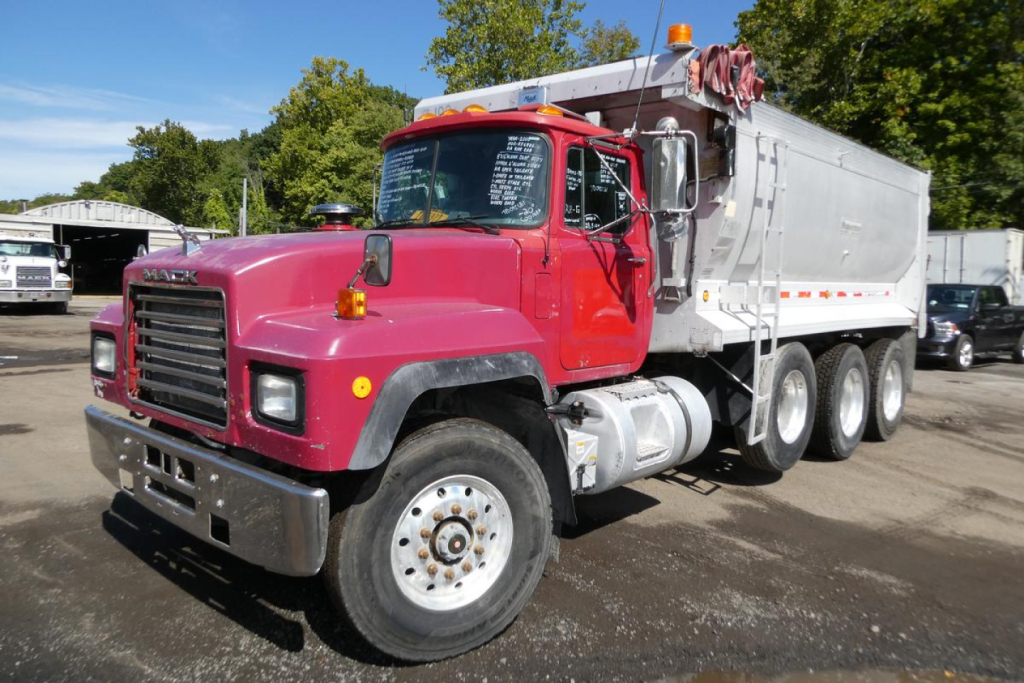
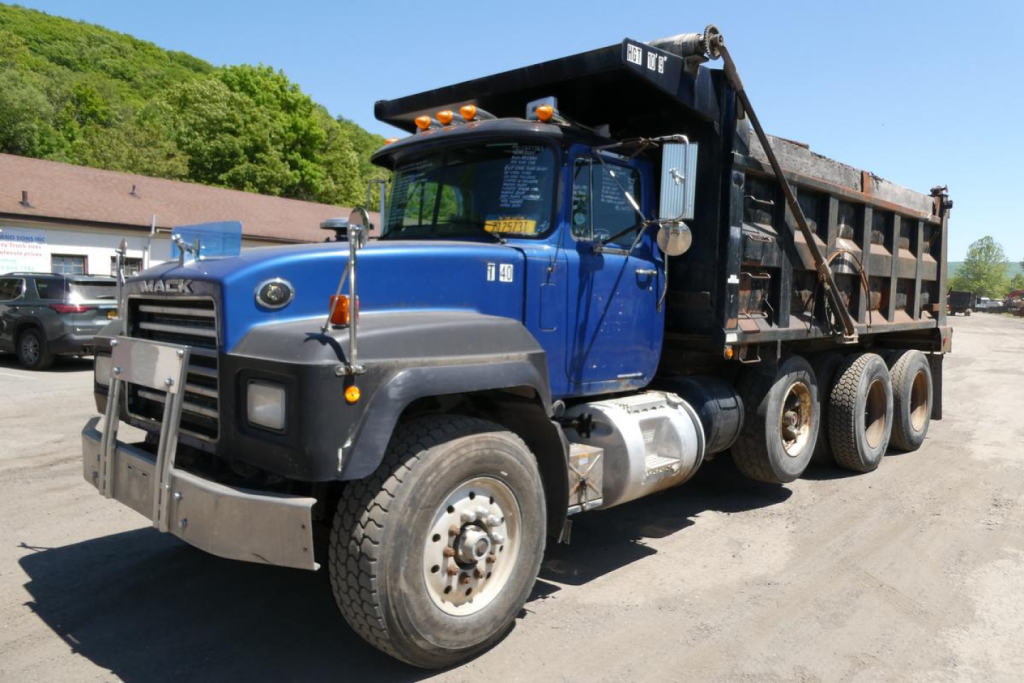
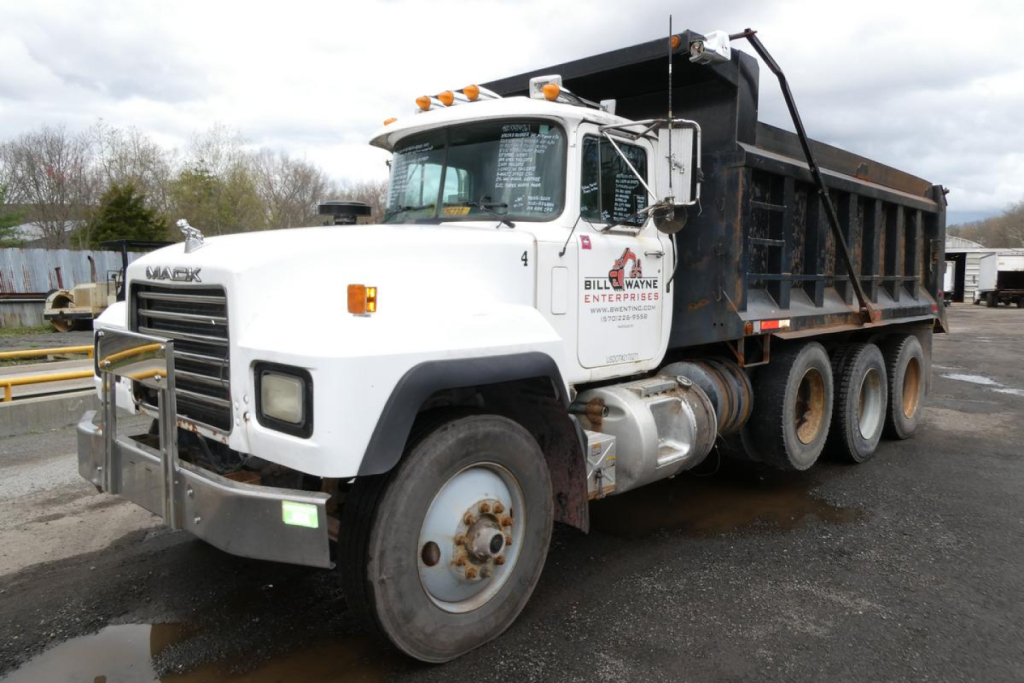
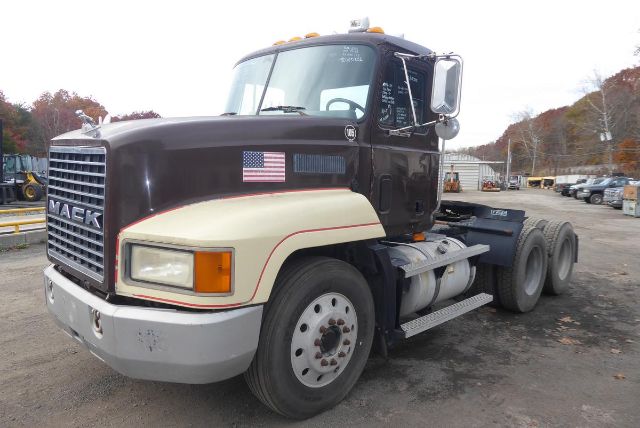
Selling a used 2000 mack truck? List your used 2000 mack truck for sale and reach thousands of commercial buyers.
Used 2000 Mack Trucks
For powertrain, many 2000 Mack trucks were equipped with Mack diesel engines such as the E7 series, often paired with Mack manual transmissions, Fuller manuals, or Allison automatics depending on application. Horsepower and torque can vary widely by spec, so it is important to match the truck to the work rather than chase a badge alone. A highway tractor may have taller rear ratios and a more fuel-conscious setup, while a vocational truck may use lower gearing, heavier rear axles, camelback or air ride suspension, and PTO provisions for bodies or hydraulics. If the truck is a tandem, check rear axle capacity, ratio, lock status, and suspension type. If it is a tractor, pay attention to wheelbase, fifth wheel position, and how the spec fits trailer length and payload targets.
Condition matters most on a truck from this era. Frame integrity, engine history, transmission operation, suspension wear, brake system condition, steering play, and electrical repairs should all be reviewed closely. On older Mack trucks, buyers often look for service records, overhead history, clutch or transmission work, injector and turbo history, and evidence of corrosion around cab mounts, crossmembers, and body attachment points. Mileage can help, but engine hours, idle time, and application history often tell the real story. Trucks that worked in construction, refuse, or snow regions may show more wear in suspension, cab structure, and undercarriage than a comparable on-road unit.
A used 2000 Mack truck appeals to buyers who value a proven platform and are comfortable evaluating older equipment on mechanical merit. Mack’s long-standing reputation in vocational trucking makes these units especially relevant for dump, roll-off, mixer, heavy hauling, and municipal use, though highway tractors from that period still have appeal in the right lane and route. The best buying decision comes from matching axle layout, GVWR, engine rating, transmission, and suspension to the intended workload, then confirming the truck has been maintained well enough to justify the remaining service life.
Frequently Asked Questions about Used 2000 Mack Trucks
What engines were commonly found in 2000 Mack trucks?
Many 2000 Mack trucks were equipped with Mack E7 diesel engines, especially in heavy-duty highway and vocational applications. Depending on the truck’s original use, buyers may also find different horsepower calibrations, torque ratings, and emissions-era mechanical differences. The key is to verify the exact engine model, rating, and service history, because two trucks from the same year can perform very differently based on spec and maintenance.
Is a used 2000 Mack truck still a good choice for vocational work?
It can be, especially if the truck has the right axle ratings, suspension, and PTO-friendly drivetrain for the job. Mack has a strong reputation in severe-service applications, and many older units were built with durable frames and vocational components. The deciding factors are structural condition, drivetrain health, brake and suspension wear, and whether the truck’s current configuration matches the intended body or workload.
What should I inspect first on a used 2000 Mack truck?
Start with the frame, engine, transmission, rear axles, suspension, and brake system. Check for corrosion, cracks, repairs, fluid leaks, excessive driveline play, steering looseness, and signs of hard vocational use. Service records are especially valuable on older trucks, and any evidence of major engine work, transmission replacement, or differential repairs should be reviewed in the context of current condition and test-drive performance.
Are 2000 Mack trucks better suited for highway or jobsite use?
That depends entirely on the original spec. Some 2000 Mack trucks were built as road tractors with sleeper or day cab configurations, highway gearing, and lighter vocational demands. Others were purpose-built for dump, refuse, mixer, roll-off, or municipal work with heavier suspensions, lower rear ratios, and more robust chassis components. The truck’s wheelbase, axle layout, engine rating, and suspension will usually show where it fits best.
How important are rear ratio and suspension type on a 2000 Mack truck?
They are critical because they directly affect launch performance, cruising speed, payload suitability, and ride quality. Lower rear ratios generally favor vocational and stop-and-go work, while taller ratios are more suitable for highway operation. Suspension choice also matters. Camelback or other heavy vocational setups are built for durability and load stability, while air ride may be preferred for ride quality, trailer compatibility, or certain regional hauling applications.