
Used 2022 Commercial Trucks For Sale in New York
Shop used 2022 trucks in New York. Compare sleeper, day cab, dump, and vocational truck specs, emissions systems, wheelbases, and axle setups.
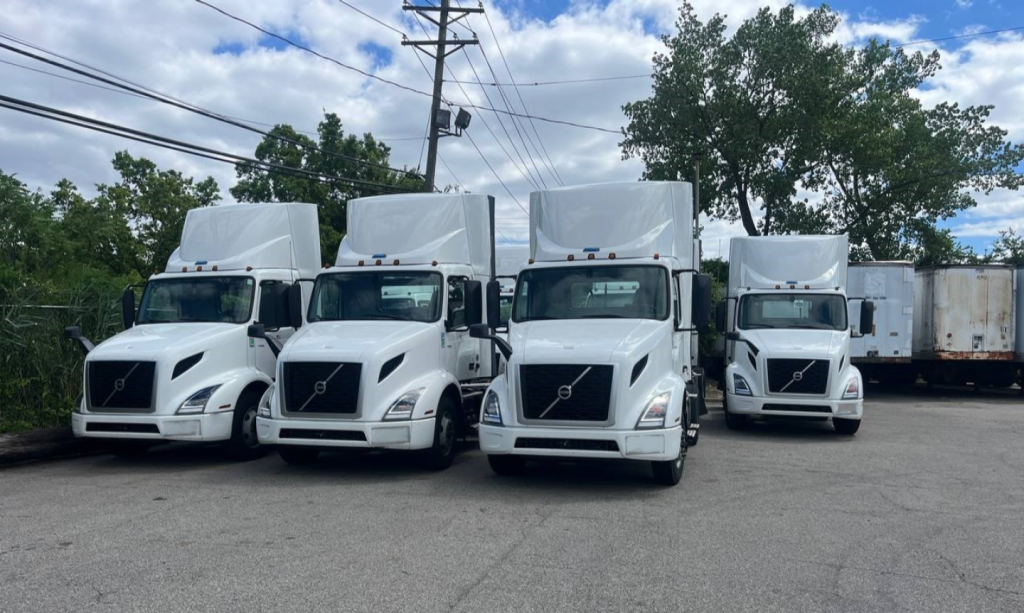
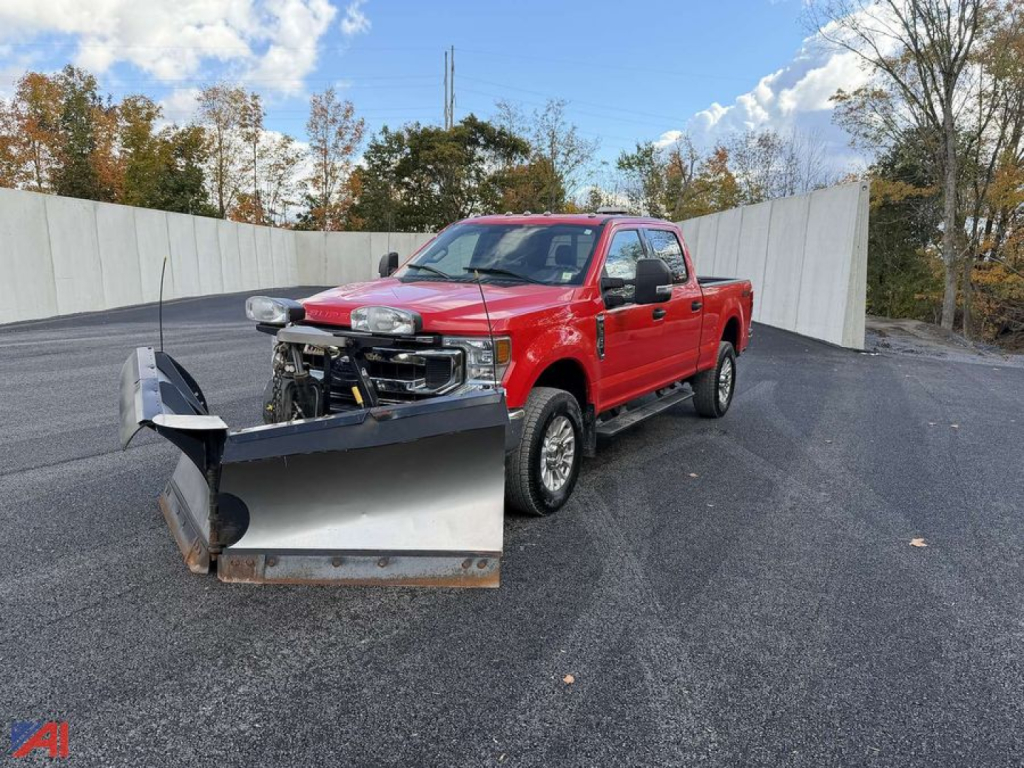
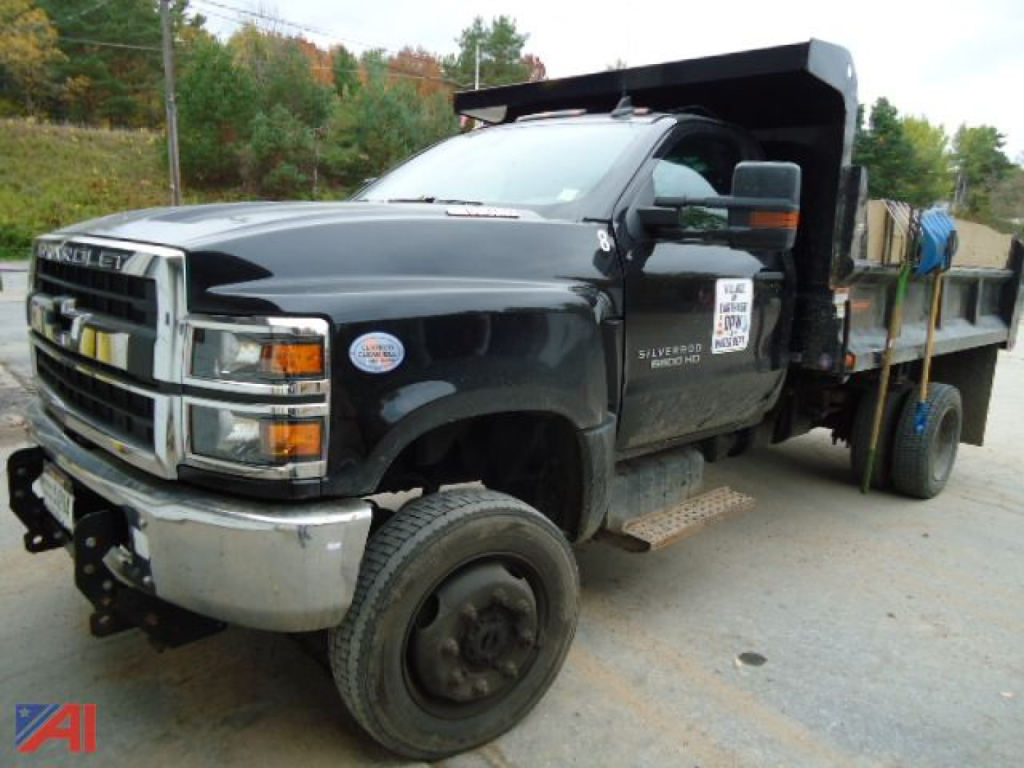
Selling a used 2022 commercial truck? List your used 2022 commercial truck for sale and reach thousands of commercial buyers.
Used 2022 Commercial Trucks in New York
For over-the-road and regional tractors, pay close attention to engine family, horsepower, torque rating, rear axle ratio, and transmission type. Common 2022 truck configurations include 4x2 and 6x4 setups, 10-speed and 12-speed automated manuals, and front axles in the 12,000-pound class with rear axle ratings from 23,000 to 46,000 pounds depending on application. In New York, buyers should also look closely at idle hours, corrosion on frame and cab mounts, brake type, and the condition of emissions components such as DEF systems, EGR hardware, DPF aftertreatment, and related sensors. A truck with the right ratio and wheelbase for Northeast lanes can outperform a higher-horsepower unit that is spec'd for a different region or duty cycle.
If the truck is vocational, body integration matters as much as the chassis. Dump trucks, plow trucks, and municipal-spec units need careful review of hydraulic systems, PTO operation, frame reinforcement, front axle capacity, suspension spec, and signs of hard seasonal use. Snow and salt exposure in New York can accelerate wear on wiring, airlines, battery boxes, crossmembers, and spreader or plow mounting points. Buyers comparing used 2022 trucks should also consider whether the truck has disc or drum brakes, air-ride or spring suspension, single-frame or double-frame construction, and enough cab-to-axle length for the intended body or trailer setup.
The strongest value in a used 2022 truck usually comes from matching the spec to the lane, payload, and compliance requirements. A local haul truck may benefit from a shorter wheelbase and lighter tare weight, while a highway tractor may need a sleeper, taller gearing, and an air-slide fifth wheel. In New York, registration class, bridge law, emissions compliance, and maneuverability in tighter urban markets can all influence the right purchase. Service history, fault code trends, tire and brake wear, and evidence of prior fleet maintenance should carry as much weight as make or badge on the hood.
Frequently Asked Questions about Used 2022 Commercial Trucks in New York
What should I check first when comparing used 2022 trucks in New York?
Start with the truck’s intended application and confirm that the axle configuration, wheelbase, GVWR or GCWR, engine rating, and transmission match the work. After that, review maintenance records, engine hours, idle time, fault codes, emissions system history, brake wear, tire condition, and any corrosion from year-round Northeast service. On New York trucks, rust and wiring condition can be just as important as mileage.
Are used 2022 trucks likely to have complex emissions systems?
Yes. A 2022 truck will typically use a modern aftertreatment package that includes DEF, DPF, SCR, EGR-related components, sensors, and electronic controls. These systems can run well when maintained properly, but deferred service can become expensive. Buyers should look for recent emissions repairs, regeneration history, active or inactive fault codes, and signs of tampering or repeated derate events.
Is an automated manual transmission a good choice in a used 2022 truck?
In many applications, yes. Automated manuals were common by 2022 and can improve driver consistency, fuel economy, and ease of operation in regional and highway work. The key is verifying shift quality, clutch wear data where available, calibration history, and whether the transmission software and actuator systems have been maintained correctly. In stop-and-go vocational use, service history becomes especially important.
What matters most on a used 2022 vocational or municipal truck?
On vocational and municipal trucks, the chassis alone does not tell the full story. Buyers should inspect PTO function, hydraulic performance, body mounts, hoist condition, front axle capacity, suspension wear, frame reinforcement, and any plow or spreader attachment points. In New York, salt exposure can damage electrical connections, hydraulic lines, crossmembers, and body hardware even when the cab and drivetrain appear sound.
How do I know if a used 2022 truck is spec'd correctly for my route and load?
Check the rear axle ratio, horsepower and torque rating, transmission gearing, wheelbase, axle ratings, and tare weight against your actual operating conditions. A truck used for urban delivery, construction, municipal work, or linehaul freight will require very different specs. The correct setup affects fuel economy, legal payload, bridge compliance, turning radius, and long-term driveline life more than model year alone.