
Used 2021 Commercial Trucks For Sale in New York
Shop used 2021 trucks in New York, including day cabs, box trucks, and work trucks with key specs, GVWR, engine, and body options.
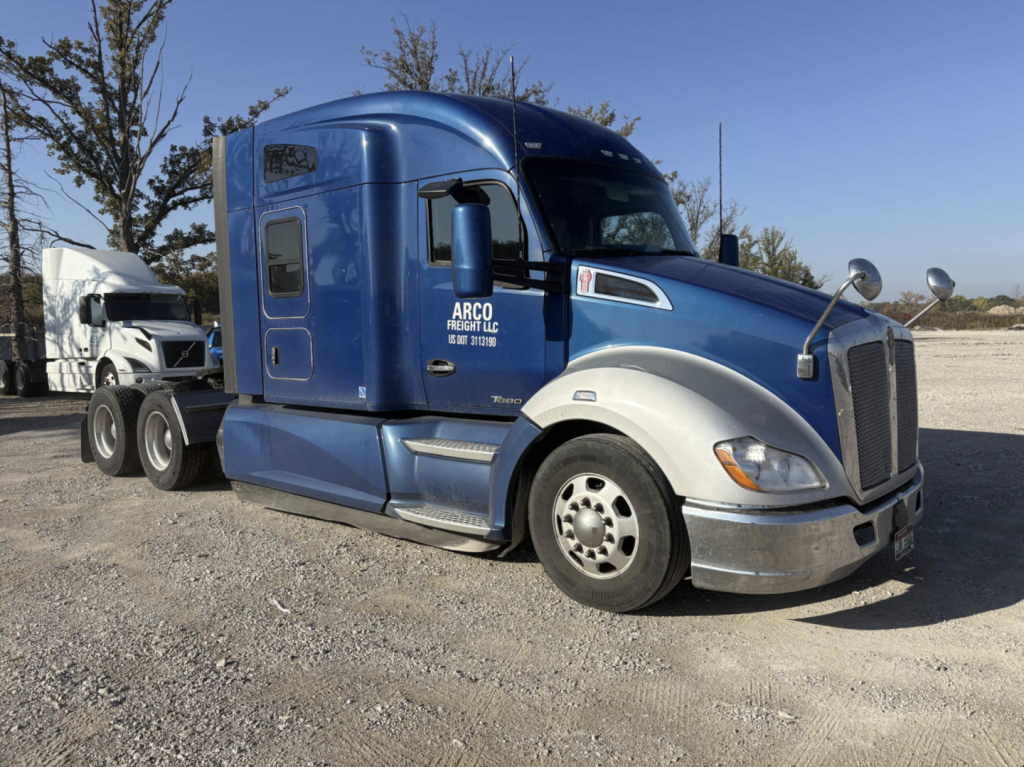
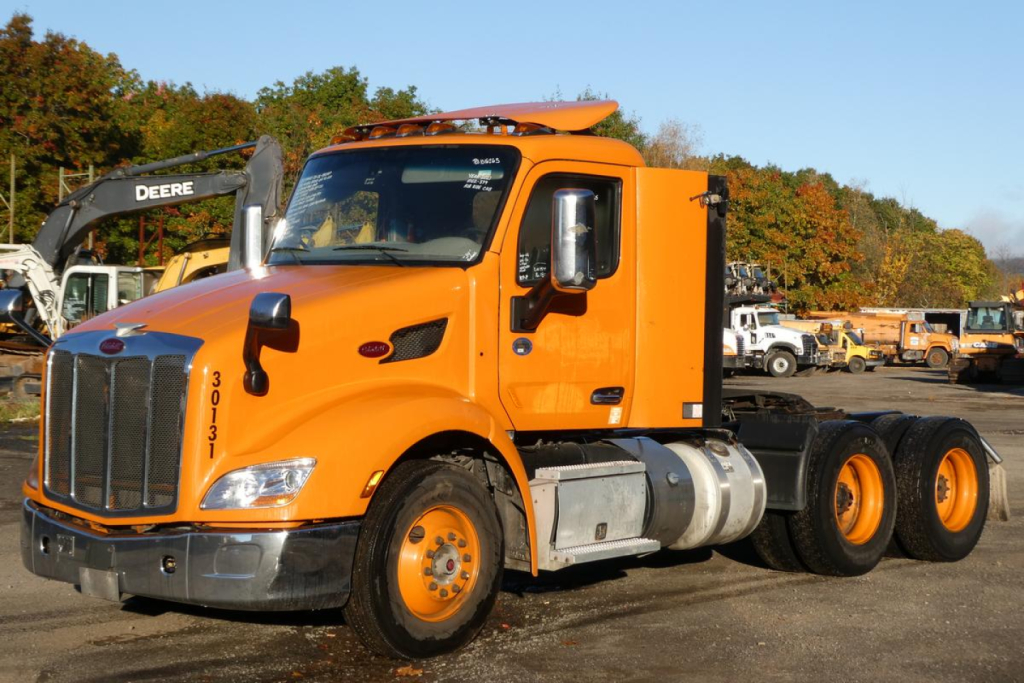
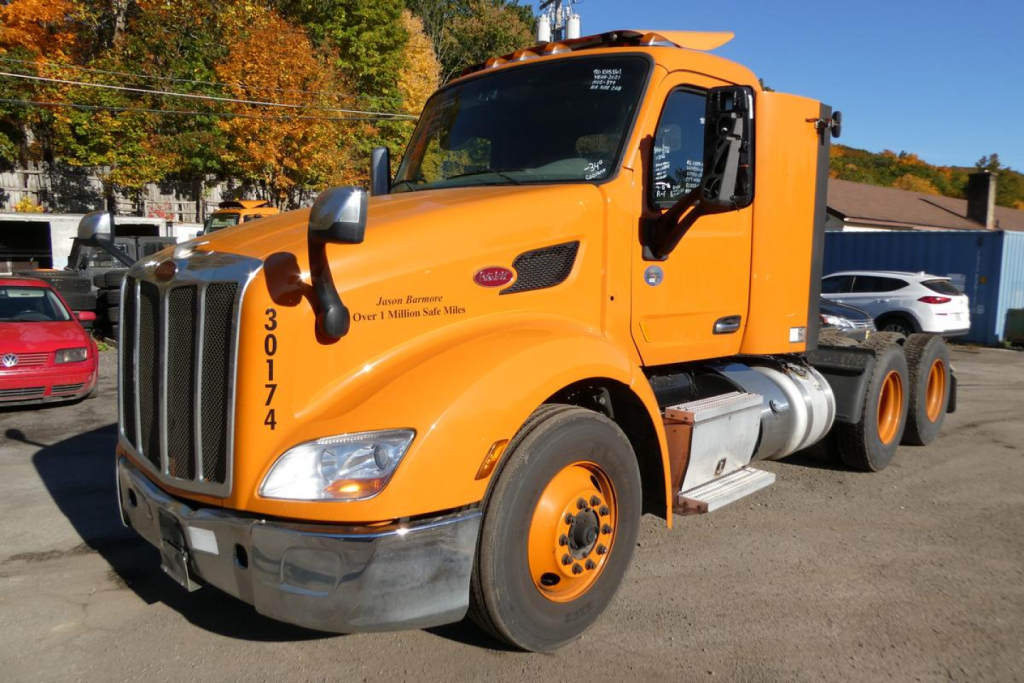
Selling a used 2021 commercial truck? List your used 2021 commercial truck for sale and reach thousands of commercial buyers.
Used 2021 Commercial Trucks in New York
In the 2021 model year, many trucks on the market feature late-generation emissions systems, automated manual or automatic transmissions, and more refined safety and telematics integration than older units. Common engines in this age range include Detroit DD13 and DD15, Cummins X15 and B6.7, Paccar MX series, Hino J08, and medium-duty diesel platforms from International, Isuzu, and others depending on the truck class. Buyers comparing used 2021 trucks should pay close attention to engine hours versus odometer miles, aftertreatment service history, DEF system condition, transmission type, rear axle ratio, and suspension layout. On tractors, a 6x4 tandem with air ride suspension and a sliding fifth wheel is common for regional freight. On straight trucks, 4x2 configurations, spring or air ride suspension, and body-specific details like roll-up doors, liftgates, bulkheads, and logistics track matter more than peak horsepower alone.
New York operating conditions can influence the right spec more than buyers expect. Urban and downstate routes often favor tighter wheelbases, better visibility, automatic or automated transmissions, and manageable overall length for dock access and street maneuvering. Upstate operations may put more value on axle capacity, traction, corrosion condition, and cold-weather starting performance. Rust, frame condition, crossmember integrity, brake line condition, and the state of cab mounts and suspension components deserve a close look on any used truck in the Northeast. If the truck will run in and out of the city, verify emissions compliance, body height, bridge law considerations, and turning radius. If it is headed for regional freight, focus on fuel economy specs, cruise gearing, and whether the powertrain matches your average load and terrain.
A good used 2021 truck should be judged as a total operating package, not just by model year. Service records, idle time, tire match, brake wear, PTO setup, body condition, and signs of prior abuse usually tell more than paint or trim. Buyers shopping this category typically compare day cabs, box trucks, flatbeds, dump trucks, and chassis cabs side by side, so it helps to line up each candidate by intended payload, route type, and upfit requirements. When the core specs are right, a 2021 truck can offer a strong balance of modern features, remaining service life, and lower acquisition cost than a new unit.
Frequently Asked Questions about Used 2021 Commercial Trucks in New York
What should I check first when buying a used 2021 truck in New York?
Start with the truck’s intended application, GVWR or GCWR, axle configuration, wheelbase, and body or fifth wheel setup. After that, review engine hours, odometer miles, maintenance records, emissions system history, and any signs of corrosion from Northeast use. In New York, rust on frames, cab mounts, brake components, wiring, and crossmembers can matter as much as the powertrain itself.
Are used 2021 trucks likely to have DEF and modern emissions systems?
Yes. Most 2021 diesel trucks use DEF and a full aftertreatment system that includes components such as SCR and DPF equipment. That makes service history important. Buyers should look for documentation on forced regens, sensor replacement, injector service, DPF cleaning intervals, and any recurring fault codes. A clean-running truck with verified emissions maintenance is usually a safer buy than one with missing records.
Is a 2021 day cab or a 2021 box truck better for local work?
It depends on the freight and how it is handled. A 2021 day cab is the right fit for pulling trailers in port, regional, drayage, or distribution service. A 2021 box truck is better for route delivery, furniture, appliances, parcel work, and other freight that stays on the truck body. The right choice comes down to trailer interchange needs, dock setup, cargo security, payload requirements, and whether you need a cargo body, liftgate, or logistics track.
What mileage is considered high on a used 2021 truck?
Mileage has to be read together with engine hours, application, and maintenance quality. A highway tractor can accumulate miles quickly but still be a sound truck if it was maintained properly and has reasonable engine hours for its use. A local truck may show lower miles but high idle time, heavier stop-and-go wear, and more PTO or body equipment usage. The better question is whether the truck’s wear matches its records, service intervals, and current mechanical condition.
What specs matter most on a used 2021 truck for city and regional routes?
For city work, prioritize wheelbase, turning radius, transmission type, visibility, brake condition, and body dimensions. For regional routes, focus more on horsepower, torque, rear axle ratio, suspension type, fuel capacity, and cruise-speed gearing. In both cases, buyers should confirm axle ratings, tire size, brake type, and any body or PTO provisions before comparing price alone.