
Trucks For Sale in New York
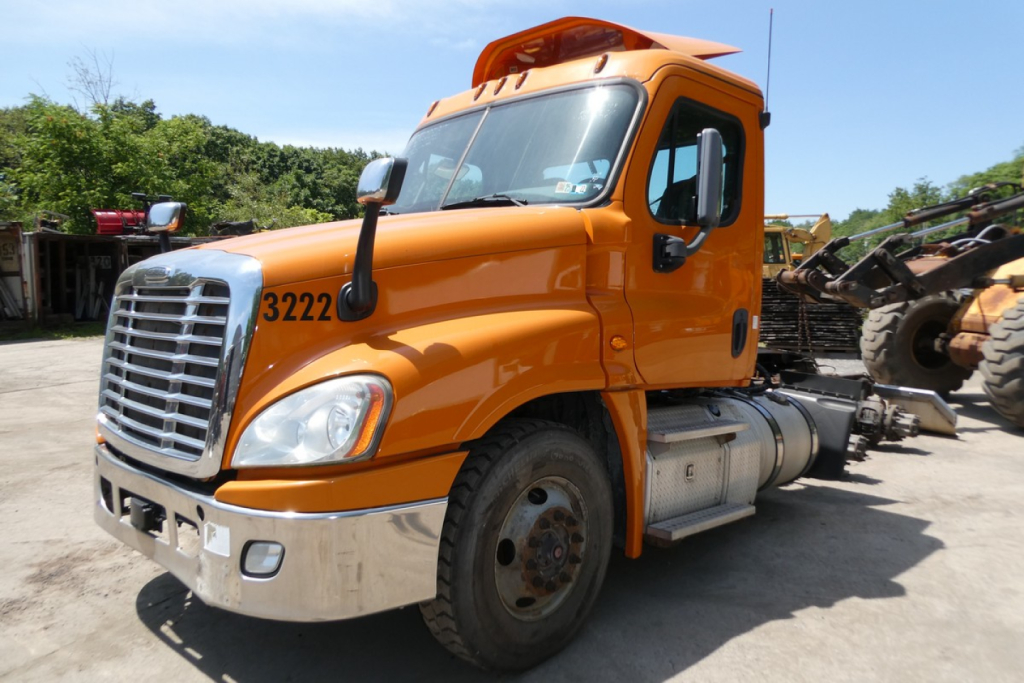
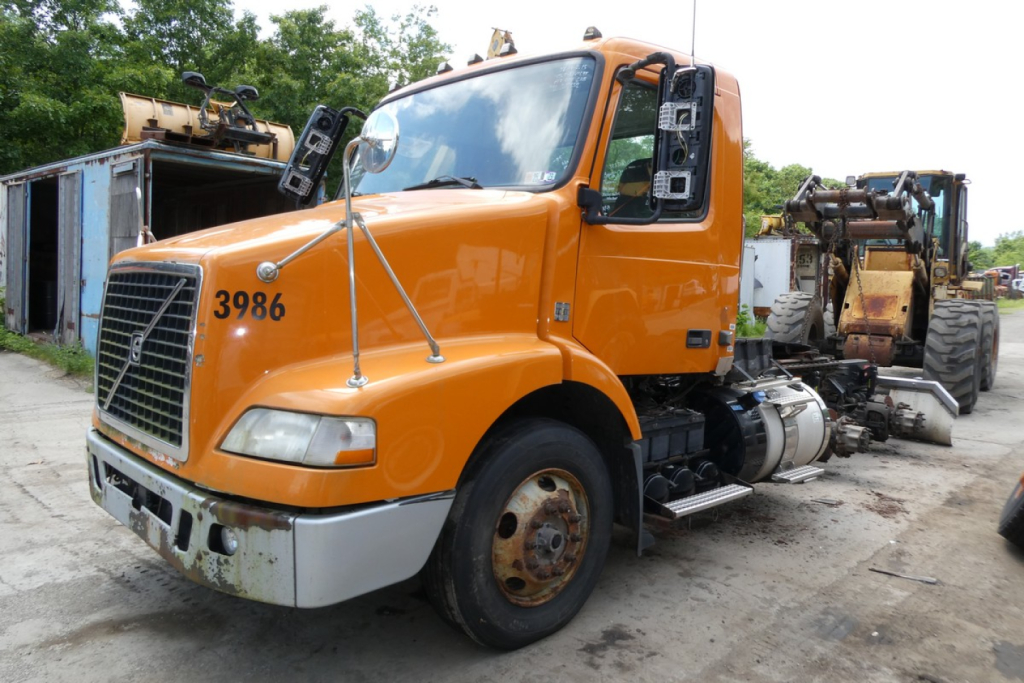
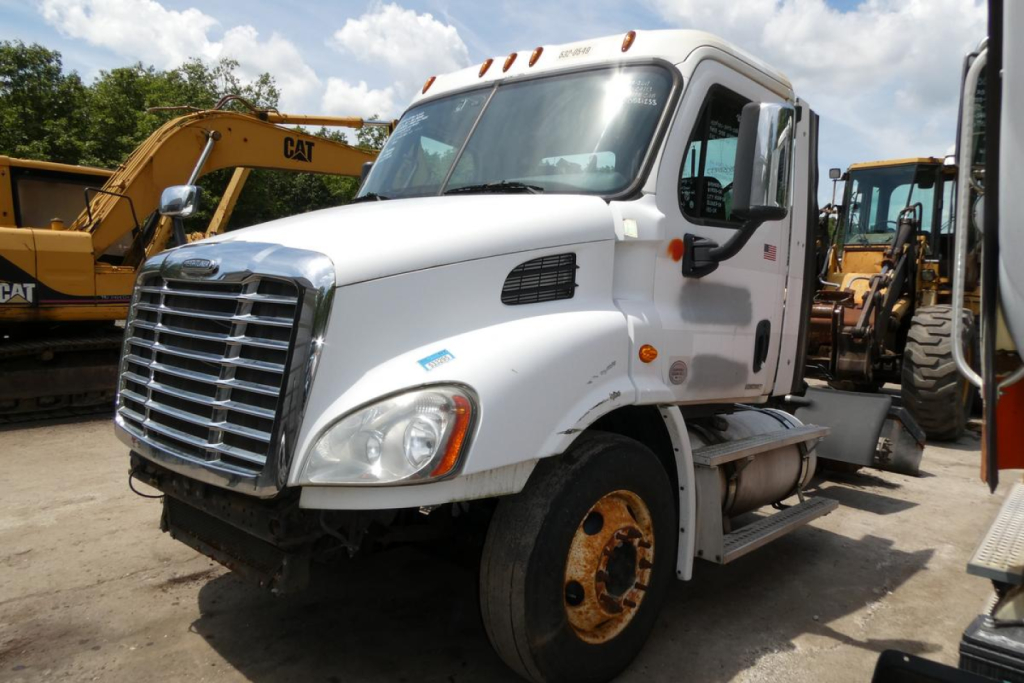
Showing 481 to 504 of 560 results
Have truck to sell? List it here to reach thousands of buyers.
Trucks in New York
Powertrain choices hinge on terrain and target cruise speed. Linehaul tractors typically pair 13 to 15 liter engines producing 1,550 to 1,850 lb ft with 12 speed automated manuals, direct drive top gears around 1.00 with 2.26 to 2.64 rears for low aero drag at 65 to 68 mph, or overdrive tops around 0.78 with 2.79 to 3.36 rears for mixed routes. Medium duty and regional builds often use 7 to 11 liter engines with 660 to 1,450 lb ft and ratios in the 3.21 to 5.57 range. Engine brakes or driveline retarders improve control on Catskills and Adirondack grades, and air disc brakes shorten stops in wet salt. Tire pressure monitoring or inflation systems reduce rolling resistance and irregular wear, and APUs or start stop systems cut idle fuel burn while protecting aftertreatment.
Cargo bodies separate good trucks from great ones. For dry box and reefer straight trucks, floor strength should match loading methods, look for hardwood or aluminum plank floors with point load ratings that handle pallet jacks or forklifts, tighter crossmember spacing at 12 inches on center adds stiffness with a modest weight penalty. Add scuff liners at 12 to 24 inches, wear strips, and stainless threshold plates to prevent edge crush. Thermal integrity in reefers depends on continuous foamed in place insulation, intact vapor barriers that tie into door frames, gasketed doors, ducted or flat floors with adequate airflow, and options like multi temp bulkheads and remote evaporators for mixed commodities. For dumps and mixers, AR400 or Hardox floors resist abrasion, aluminum bodies save hundreds of pounds but trade impact resistance, and liners improve release and cycle time.
Corrosion resistance is critical in New York brine. Look for e coated frames, hot dip galvanized or aluminum crossmembers, stainless hardware, sealed Deutsch connectors, molded harnesses with heat shrink, and fully sealed LED lighting. Aluminum wheels, composite hubs, and galvanized brake components slow rust creep, and undercoating helps when surfaces are clean and drain paths are open. Air disc brakes cut winter maintenance, automatic slack adjusters keep stroke in spec, and sealed hub caps and breather routing protect bearings. Verify DPF cleaning or replacement history, DEF pump and NOx sensor records, coolant test results, and transmission service intervals, they are strong predictors of uptime in Northeast service.
Frequently Asked Questions about Trucks in New York
How should I choose engine, transmission, and axle ratio for New York routes?
Match gearing to your dominant speed and terrain. For linehaul at 65 to 68 mph, a direct drive transmission with low numeric rear ratios often delivers the best fuel economy, provided gradeability stays above 1.5 mph per percent grade at gross. Mixed urban and highway work benefits from an overdrive top gear and slightly higher rear ratios to keep launch torque and minimize shift busyness. Medium duty routes with frequent stops favor torque rise and closer gear steps. Validate spec with GCWR, tire size, and desired cruise rpm, then confirm startability and gradeability with an OE performance calculator.
How does tare weight affect payload and compliance in New York?
Every pound of tare subtracts from legal payload under the 80,000 lb federal interstate limit and state axle group limits. Aluminum wheels, air tanks, fifth wheel, and fuel tanks can trim hundreds of pounds, but do not sacrifice frame RBM, suspension capacity, or brake performance to chase weight. Straight trucks are especially sensitive to curb weight because payload sits on a single chassis, and liftgates, reefer units, and and body options add quickly. Balance specifications to keep axle loads legal under the bridge formula, and consider lift axles or longer wheelbases on vocational builds when bridge spacing is tight.
What should I look for to evaluate floor strength in a box or reefer truck?
Confirm the floor material and its rating against your loading method. Heavier pallet jack or forklift traffic calls for hardwood or thick aluminum planks, close crossmember spacing at 12 inches on center, wear strips in high contact lanes, and stainless thresholds. Check that scuff liners are intact, fasteners are tight, and there is no delamination or corrosion at rear sills. On reefers, verify the floor design supports airflow and washdown without trapping moisture, and inspect for crushed insulation at the door frame and wheel wells, which can compromise thermal integrity.
What specifications improve corrosion resistance for Northeast winters?
Prioritize e coated frames, galvanized or aluminum crossmembers and battery boxes, stainless fasteners, sealed Deutsch electrical connectors, and molded harnesses with heat shrink. Choose sealed LED lamps, composite hubs, and aluminum wheels. Add fendering and flaps that control spray without trapping brine, and ensure drain paths in frame rails remain open. Establish a wash routine with warm water and neutral detergent after brine exposure, apply dielectric grease to critical connectors at service intervals, and inspect brake chambers, slack adjusters, and spring pins for rust creep before winter sets in.
Are disc brakes, TPMS, and tire inflation systems worth it for New York operations?
In stop and go traffic and wet salt, air disc brakes provide shorter, more consistent stops and reduce fade, and they cut drum service time. Tire pressure monitoring or inflation systems stabilize casing temperatures, improve fuel economy, and protect against roadside flats caused by punctures in winter debris. While initial cost is higher, fleets usually recover it through lower tire spend, improved uptime, and safer braking performance, especially on routes that mix city streets with turnpike speeds.