
1992 Commercial Trucks For Sale in New York
Browse 1992 trucks for sale in New York, including vocational and highway truck options with varied GVWRs, axle setups, engines, and body styles.
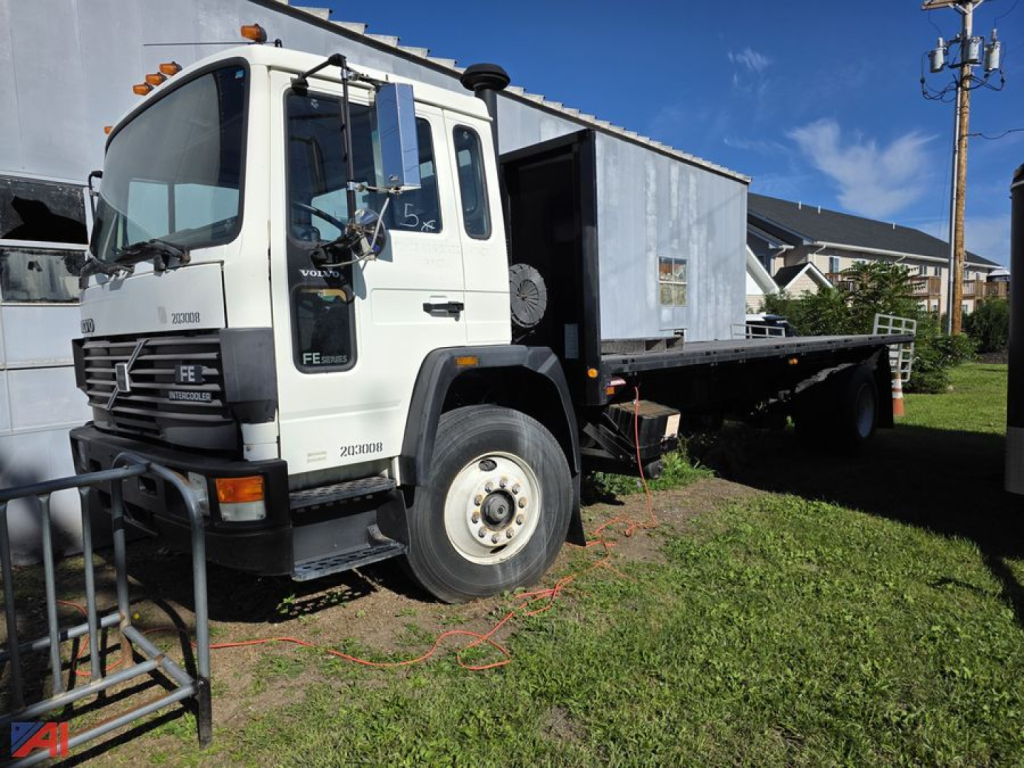
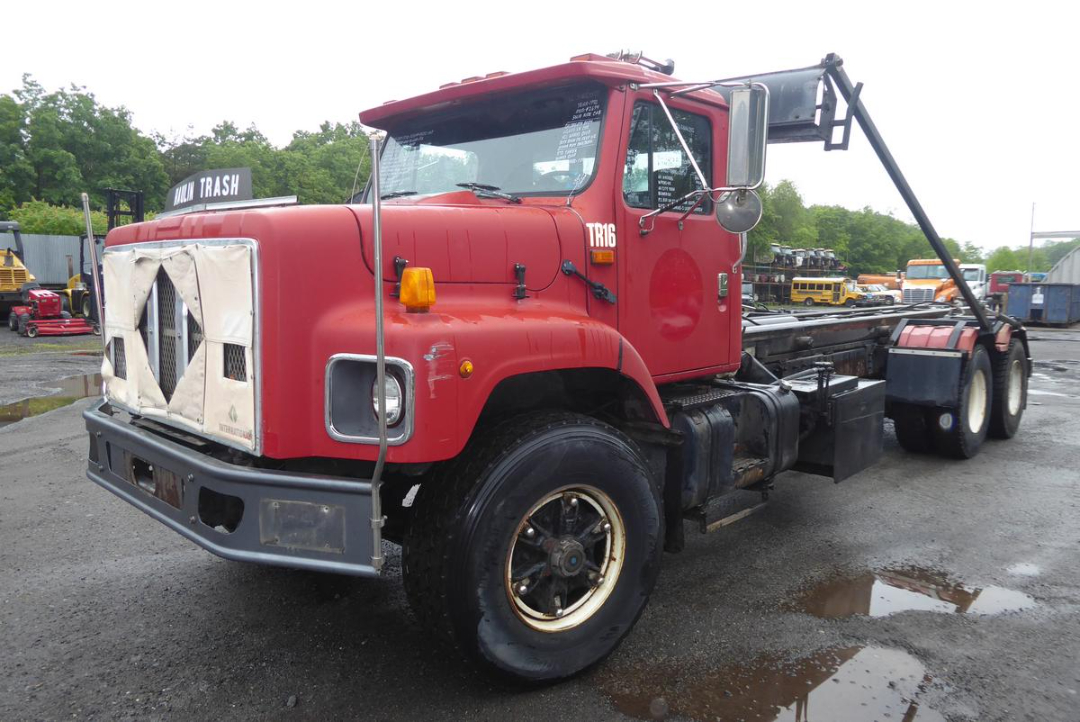
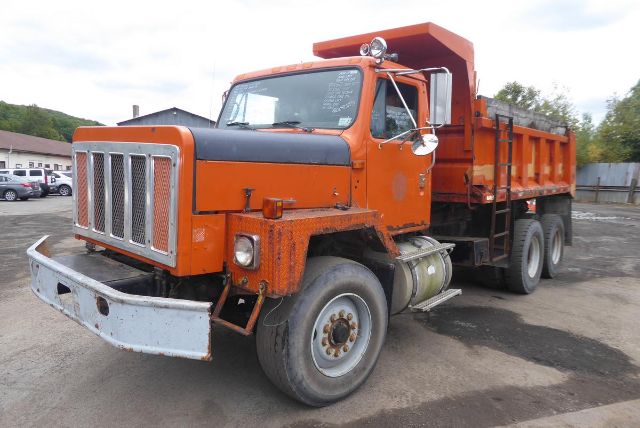
Selling a 1992 commercial truck? List your 1992 commercial truck for sale and reach thousands of commercial buyers.
1992 Commercial Trucks in New York
The biggest decision is application. In this year range, the market can include dump trucks, day cabs, utility trucks, flatbeds, service bodies, stake bodies, and chassis set up for plows or hydraulics. Common specs vary widely, from light and medium-duty single-axle trucks up to heavier tandem-axle vocational units. Expect to compare GVWR, wheelbase, axle ratings, spring versus air-ride suspension, and transmission type closely because older trucks were often ordered for a very specific job. If the truck will run local routes, yard moves, landscaping, snow work, or equipment hauling, gearing, PTO provisions, and body upfit condition matter more than appearance.
For New York buyers, corrosion and seasonal use history are major inspection points. Frame rails, cab corners, floors, spring hangers, crossmembers, brake lines, wiring repairs, dump hoists, and plow mounts deserve a careful look. On older trucks, mileage alone tells only part of the story. Hour meter readings, maintenance records, engine blow-by, clutch feel, steering play, kingpin wear, and differential noise often give a clearer picture of remaining service life. If the truck has hydraulic equipment, confirm wet kit function, cylinder condition, pump engagement, and any leaks at hoses or control valves. If it is a road tractor or straight truck, verify wheelbase and cab-to-axle dimensions against the body or trailer work you plan to do.
A well-chosen 1992 truck is usually purchased on durability, simplicity, and acquisition cost, not on modern driver amenities. That makes component condition and fit for the job the real value drivers. Buyers should pay close attention to title status, registration class, brake inspection needs, tire date codes, and local compliance issues tied to weight, body type, and intended operation. When the spec matches the work, a 1992 truck can still serve as a dependable low-overhead unit for limited-mileage commercial use, farm use, municipal support, or private fleet backup duty.
Frequently Asked Questions about 1992 Commercial Trucks in New York
What should I inspect first on a 1992 used truck?
Start with structural and mechanical condition before cosmetics. Check the frame for rust scaling, cracks, patches, and previous repairs, especially around suspension mounts, steering components, hoist mounts, and crossmembers. Then inspect engine condition, transmission operation, clutch wear, brake system type and performance, tire age, wiring integrity, and any PTO or hydraulic functions. On older trucks, service history and evidence of consistent upkeep usually matter more than odometer readings alone.
Are 1992 trucks easier to maintain than newer trucks?
In many cases, yes. A 1992 truck often has fewer electronic controls and no modern aftertreatment systems, which can reduce diagnostic complexity and lower repair costs. The tradeoff is age-related wear, possible parts sourcing delays for certain components, and more frequent attention to seals, hoses, wiring, brake hardware, and suspension parts. Ease of maintenance depends heavily on the engine, transmission, and axle brands used in the truck, along with local parts availability.
What types of jobs are 1992 trucks still good for?
These trucks are often well suited for lower-mileage and specialized work such as farm hauling, snow and ice support, local dump service, municipal work, landscaping, equipment transport, service body use, and backup fleet duty. The best fit is usually work that values durability and low acquisition cost over high daily highway miles and modern cab features. Proper gearing, axle ratings, body condition, and PTO setup are critical to matching the truck to the job.
Is mileage important on a 1992 truck, or should I focus on hours and condition?
Condition is usually the better guide. A low-mile truck can still need major work if it sat for long periods or had poor maintenance, while a higher-mile truck with consistent service can remain productive. Engine hours, maintenance records, start-up behavior, smoke, blow-by, driveline noise, brake function, and rust condition often reveal more than the odometer. For vocational trucks, body and hydraulic condition can be just as important as engine mileage.
What matters most when buying a 1992 truck in New York?
Rust, underbody condition, and prior winter service history should be near the top of the list. New York trucks often see road salt, plow duty, stop-and-go service, and seasonal storage, all of which affect frames, cabs, brake lines, electrical systems, and hydraulic components. Buyers should also confirm the truck’s registration and weight class fit their intended use and review any state inspection or local compliance requirements before purchase.