
1992 Commercial Trucks For Sale
Buyer-focused guide to 1992 trucks for sale. Engines, transmissions, pros and cons, emissions and ELD rules, and key inspection tips before purchase.
Selling a 1992 commercial truck? List your 1992 commercial truck for sale and reach thousands of commercial buyers.
1992 Commercial Trucks
Powertrain options from that year are well known and still supported. In Class 8, common engines include the Cummins N14 and M11, Caterpillar 3406B or 3406C and early 3176, and Detroit Series 60 11.1L or 12.7L, with horsepower typically in the 350 to 475 range and higher on select specs. Medium-duty trucks often carry Cummins 5.9 or 8.3, International DT466, or CAT 3116. Transmissions trend manual with Eaton Fuller 9-, 10-, 13- or 15-speed boxes, while Allison automatics are common in vocational and Class 6-7 straight trucks. Early ECMs on some engines provide limited but useful data compared to modern systems, while purely mechanical variants rely on paper service records and physical inspection.
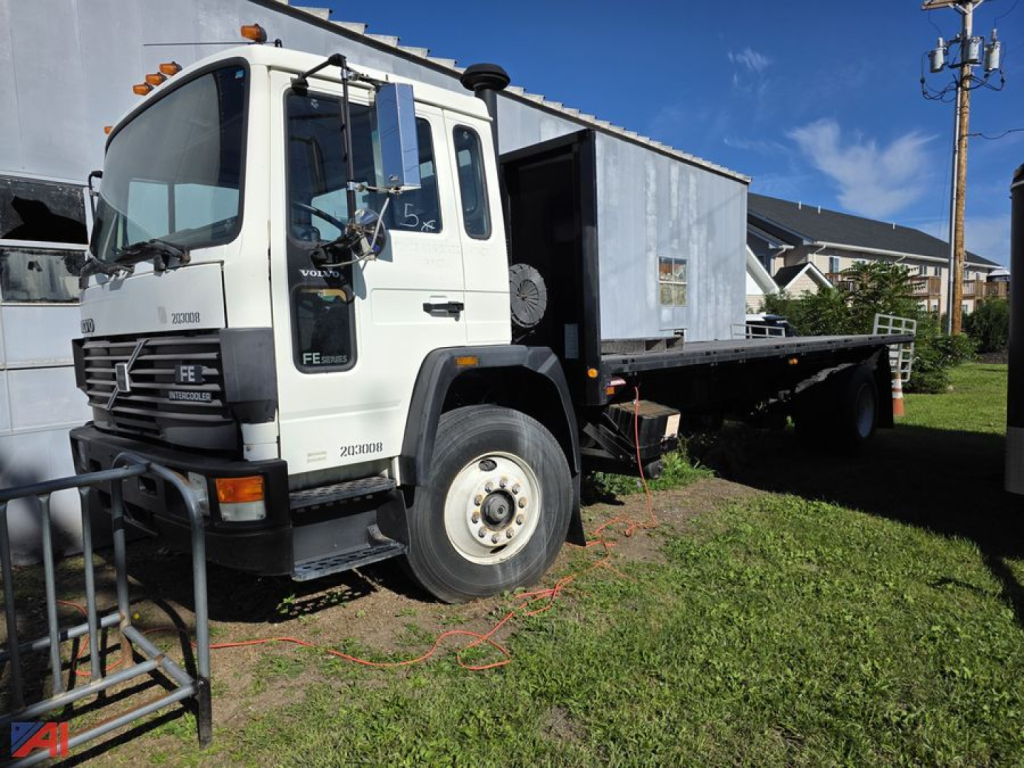
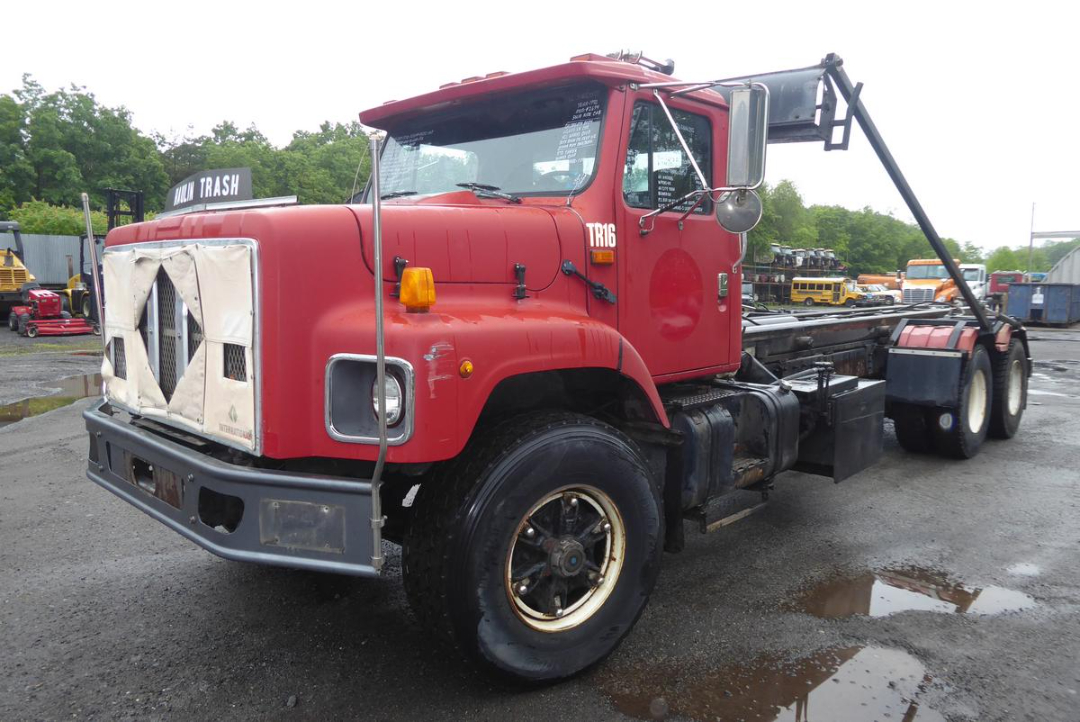
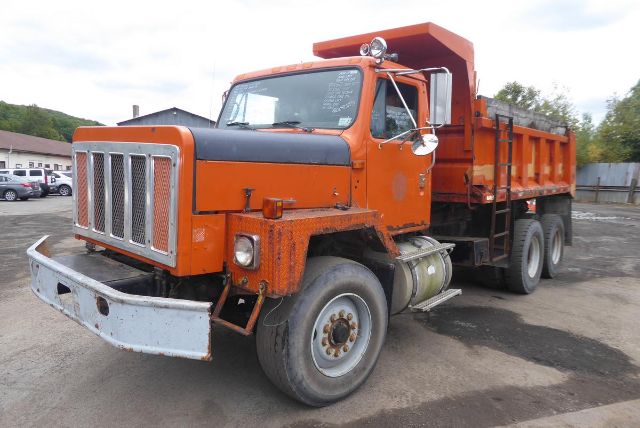
Chassis and brake technology is straightforward. Most heavy-duty units run S-cam drum brakes and many 1992 builds do not have ABS, though it was optional on some models. Air-ride suspensions were available and desirable for linehaul sleepers and sensitive cargo, while vocational trucks may use Hendrickson walking beam or multi-leaf spring packs for durability. Expect steel frames with possible double-frame reinforcements on dumps or mixers, tandem axles for heavy haul, and a mix of 22.5 and 24.5 rubber. In this vintage you will see day cabs and 36 to 72 inch sleepers, with basic aerodynamic fairings on some conventionals and a few remaining cabovers. Straight trucks from 1992 include dry van box trucks, also known as van bodies, reefers with older mechanical refrigeration packages, and vocational builds like dumps and service trucks with PTO-driven hydraulics.
Evaluation matters more than model year alone. Prioritize documentation of in-frame or out-of-frame overhauls, oil sample history, compression or blow-by tests, and differential or transmission service. Inspect for frame scaling, crossmember cracking, air system leaks, tired wiring looms, heater core and HVAC performance, hub and pin wear, and slack adjuster condition. Verify axle ratios against your route profile, check fifth wheel or body mounting integrity, and look for a working engine brake on highway tractors. Factor compliance into the business case because some states restrict 1992 diesel engines, and budget for refurbishment items like tires, brake drums and chambers, hoses, radiators, and interior electrical repairs that are common at this age. For the right lane or jobsite, a well-kept 1992 semi truck, dump truck, or box truck can deliver low acquisition cost and simple, proven mechanics.
Frequently Asked Questions about 1992 Commercial Trucks
Are 1992 trucks ELD-exempt and how does that affect operations?
If the truck’s engine model year is 1999 or older, it qualifies for the federal ELD exemption. Many 1992 trucks meet this because they retain their original pre-2000 engine. You must still follow hours-of-service rules and keep paper logs where required. Always confirm the engine year on the data plate because the chassis year alone does not determine ELD status, especially on repowered units.
Can a 1992 diesel truck operate in California and other emissions-restricted regions?
California’s Truck and Bus Regulation generally requires 2010 or newer diesel engines for unrestricted operation. A 1992 engine is typically not compliant except under narrow exemptions like low-use permits, certain agricultural operations, or specialty vehicles, and port drayage is not allowed. Other states and metro areas may have opacity testing or local restrictions. Verify current rules before purchase, or consider repower or retrofit options if you must run in regulated regions.
What engines and transmissions were common in 1992, and is parts support still available?
Popular heavy-duty engines include Cummins N14 and M11, Detroit Series 60 11.1L and 12.7L, and Caterpillar 3406B or 3406C, with medium-duty choices like Cummins 5.9 and 8.3, International DT466, and CAT 3116. Eaton Fuller 9-, 10-, 13- and 15-speed manuals dominate, with Allison automatics in many straight and vocational trucks. Parts availability remains strong for these mainstream families, including overhaul kits, injectors, fuel system components, and drivetrain parts, though some model-specific body and trim items can be harder to source.
What should I inspect on a 1992 semi truck or dump truck before buying?
Look for documented engine rebuilds and recent service on the cooling, air, and brake systems. Check for frame rust and cracks, suspension bushing wear, driveline vibration, and differential leaks. Test the engine brake, verify clutch condition and synchronizer behavior on manual transmissions, and review gear ratios for your routes. On straight trucks, evaluate PTO and hydraulic function, reefer hour meter and condition if applicable, and box or body integrity including floor, crossmembers, and door seals.
Is it practical to retrofit features like ABS, air-ride, or a newer engine into a 1992 chassis?
Selective retrofits are possible but should be cost-justified. Air-ride seat or suspension upgrades and modern lighting are straightforward. ABS retrofits are complex and often not economical compared to buying a truck that already has it. Engine repowers can solve emissions compliance or boost performance but require careful matching of mounts, cooling, electronics, and gearing, along with certification where required. A pre-purchase estimate from a qualified shop helps avoid surprises.