
1992 International Trucks For Sale
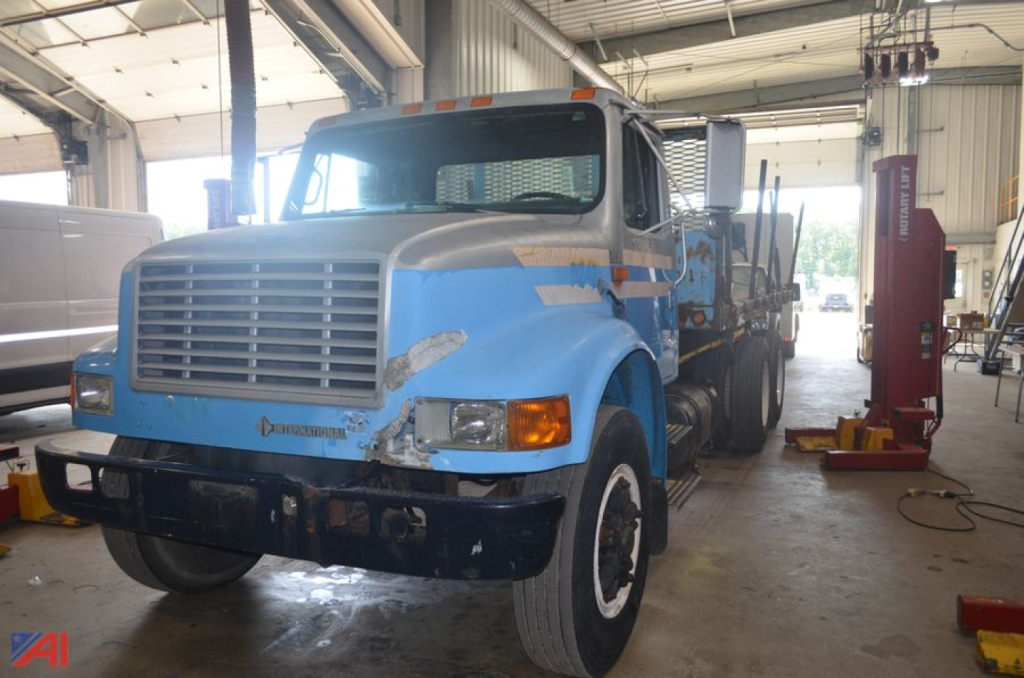
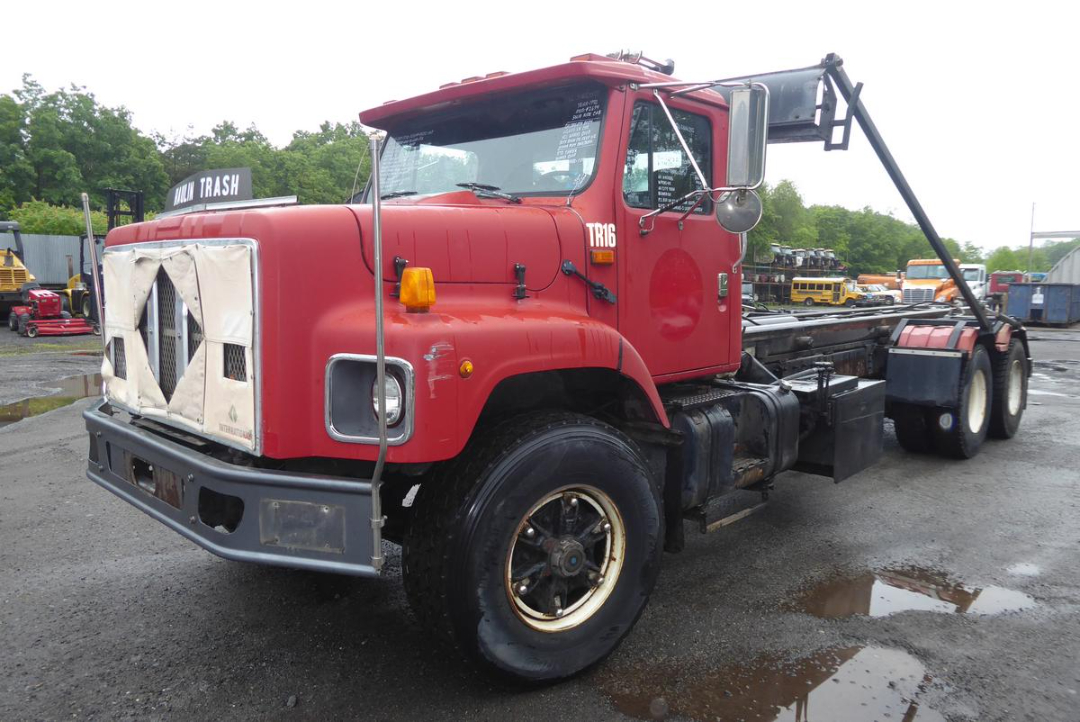
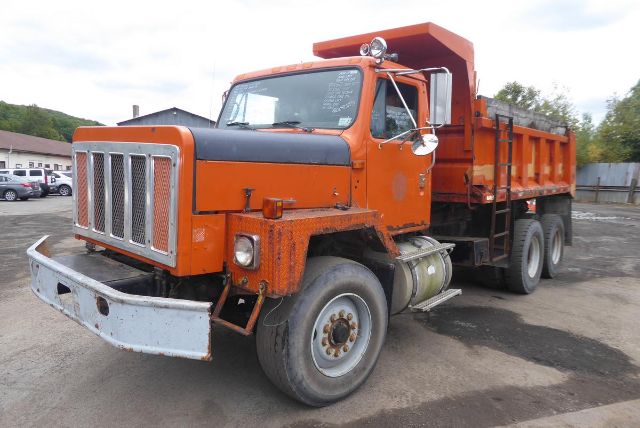
Have 1992 international truck to sell? List it here to reach thousands of buyers.
1992 International Trucks
The biggest buying decision is usually not the badge on the hood but the exact chassis spec and how it matches the job. On a 1992 International, buyers should pay close attention to GVWR, front axle rating, rear axle capacity, wheelbase, suspension type, brake system, and PTO provisions. A truck originally ordered for dump or municipal work will often have a very different frame, axle set, and gearing than one built for regional hauling or local delivery. Rear axle ratios matter if the truck will spend time at highway speed, while wheelbase and cab-to-axle dimensions matter if you plan to mount a flatbed, hooklift, van body, wrecker body, or other vocational equipment. If the truck is a road tractor, check fifth wheel style, frame condition, and whether the drivetrain is geared for short haul, farm use, or true over-the-road service.
Condition matters more than age in this category. A well-kept 1992 International can still be a practical work truck if the frame rails are solid, the wiring has been repaired correctly, and the drivetrain shows consistent maintenance. Buyers should inspect for corrosion around cab mounts, spring hangers, crossmembers, battery boxes, floors, and lower cab corners. On older International trucks, look carefully at steering components, brake lines, air systems, suspension wear points, hydraulic systems if equipped, and evidence of prior body or plow-duty stress. Engine history, cold-start behavior, blow-by, transmission operation, differential noise, and PTO function tell you more than cosmetic appearance. For trucks being repurposed, it is also smart to confirm title class, registration fit, tire size availability, and parts support for the specific model and axle combination.
These trucks remain relevant because they can fill niche jobs economically. A 1992 International can make sense for farm hauling, property maintenance, landscape supply, snow and ice support, equipment transport, municipal backup duty, or as a platform for a specialized body where purchase price matters more than the latest cab features. The strongest candidates are usually trucks with documented maintenance, a clean frame, and a drivetrain spec that does not need major reworking to fit the intended application. Buyers comparing listings should focus on original vocation, engine and transmission pairing, axle ratings, brake type, and body compatibility first. Those factors determine whether an older International will be a useful asset or an expensive retrofit project.
Frequently Asked Questions about 1992 International Trucks
What should I look for first when buying a 1992 International truck?
Start with the frame, drivetrain, and original chassis application. On a truck from this model year, structural condition and mechanical integrity matter more than appearance. Check frame rails and crossmembers for rust, cracks, repairs, or signs of overloading. Verify engine condition through cold starts, idle quality, oil leaks, blow-by, and service records if available. Confirm the transmission, axle ratio, suspension, and brake setup fit the work you intend to do, because changing those components later can be expensive.
Are 1992 International trucks good for vocational use?
Yes, many 1992 International trucks are still useful in vocational roles because they were built on durable, body-friendly chassis and are comparatively simple to service. They are commonly suited for dump bodies, flatbeds, farm trucks, municipal work, rollback conversions, hooklift applications, and equipment hauling, depending on the exact axle ratings and wheelbase. The key is making sure the truck was originally spec'd close to your intended job so you are not forced into major frame or drivetrain modifications.
Do older 1992 International trucks have easier maintenance than newer trucks?
In many cases, yes. A 1992 International truck usually has fewer electronic systems and no modern emissions aftertreatment, which can reduce diagnostic complexity and make field repairs more manageable. That said, easier design does not automatically mean lower total repair cost. Age-related wear, wiring deterioration, hydraulic leaks, corrosion, and parts availability for certain components can still create downtime, so inspection quality is critical.
What engines and transmissions are common in a 1992 International truck?
The exact engine and transmission vary by model and original use, but buyers will often encounter International diesel engines, Cummins diesel options, and manual transmissions such as 5-speed, 6-speed, 9-speed, 10-speed, or fuller vocational gearboxes. Some applications may also have automatic transmissions, especially in municipal or specialized body setups. The best choice depends on duty cycle. Lower-speed vocational work often benefits from deeper gearing, while regional road use demands axle ratios and transmission spacing that keep engine rpm reasonable at highway speed.
Is a 1992 International truck a good value for farm or local business use?
It can be, especially if the truck will see seasonal, local, or moderate annual mileage rather than daily long-haul use. Many buyers choose this age range because acquisition cost can be lower and the truck may still provide solid utility for hauling materials, moving equipment, towing, or supporting municipal and agricultural operations. The value comes from buying the right spec with a sound frame and proven drivetrain, not simply buying the lowest-priced truck.