
2003 Commercial Trucks For Sale in New York
Browse 2003 trucks for sale, including day cabs, box trucks, cab and chassis, and vocational models with specs that fit regional and local work.
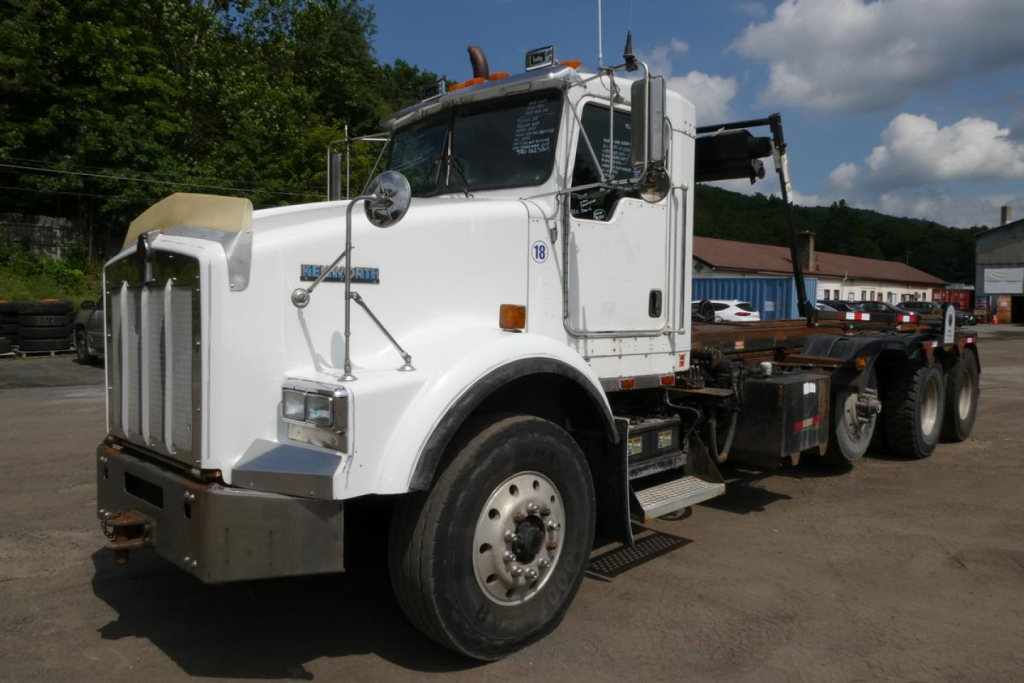
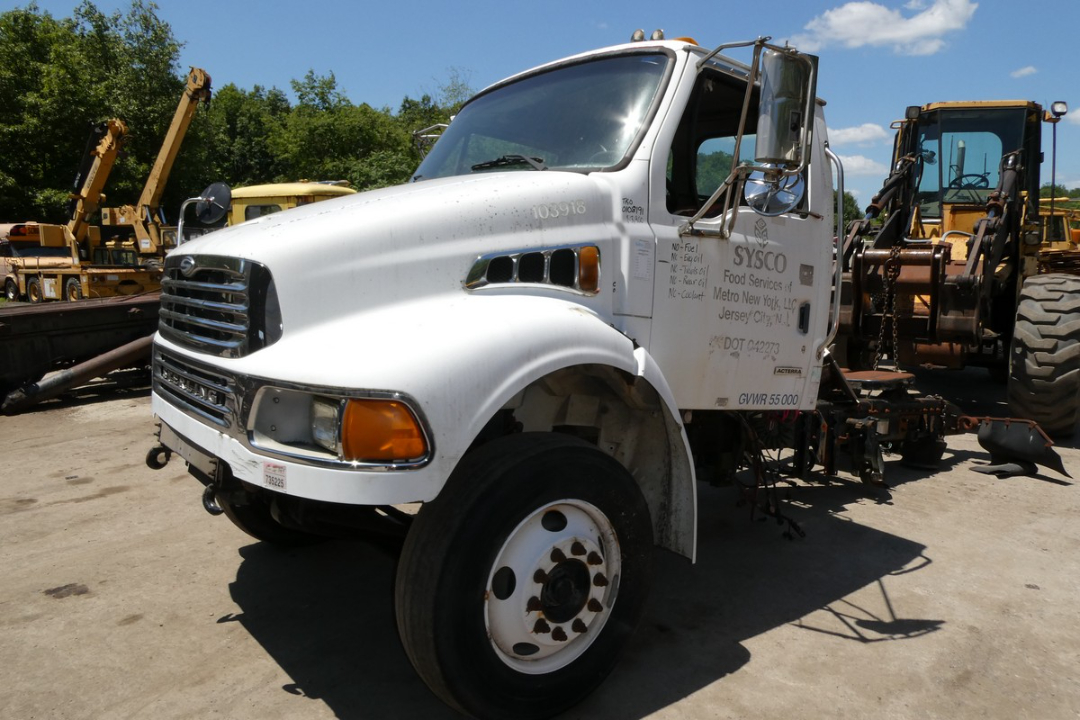
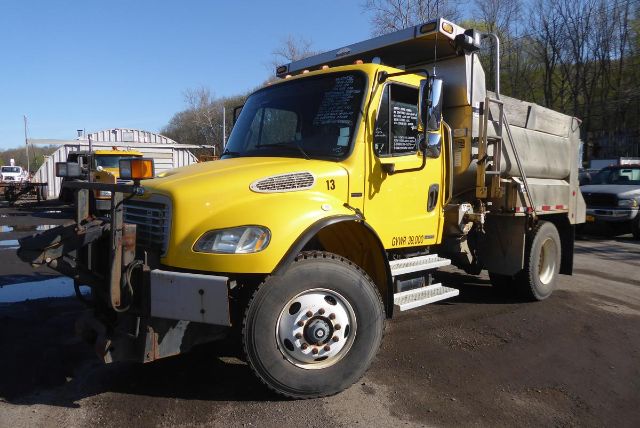
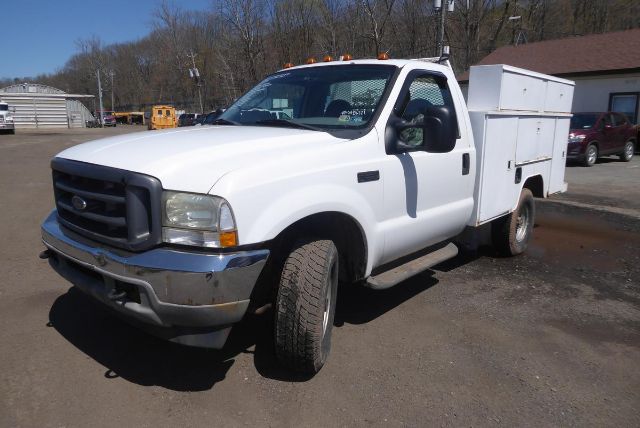
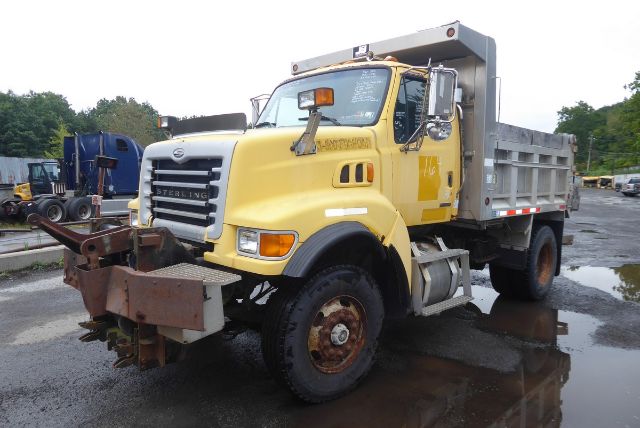
Selling a 2003 commercial truck? List your 2003 commercial truck for sale and reach thousands of commercial buyers.
2003 Commercial Trucks in New York
The first decision is usually truck class and intended body. In this year range, buyers will commonly find Class 6 and 7 box trucks with GVWRs around 19,500 to 26,000 pounds, along with Class 8 day cabs and vocational chassis rated well above that. A box truck buyer should pay close attention to wheelbase, cab-to-axle, body length, door opening dimensions, floor material, and whether the truck has spring or air suspension. A cab and chassis buyer should verify frame condition, PTO provisions, wet kit or hydraulic setup, front axle rating, rear axle capacity, and whether the frame rails are single or double. On heavier tandem-axle trucks, axle ratios, suspension type, and transmission model tell you a lot about whether the truck was built for highway use, construction work, or stop-and-go local service.
Powertrain choices on 2003 trucks often appeal to buyers who prefer pre-DPF equipment and familiar mechanical layouts. Depending on make and class, common engines from this era include Caterpillar, Detroit Diesel, Cummins, Mack, Mercedes-Benz, International, and medium-duty diesels from Isuzu or Mitsubishi Fuso. Manual transmissions such as 6-speed, 8LL, 9-speed, 10-speed, and Fuller road boxes are common, while automatic options show up more often in delivery applications. For a day cab or tractor-style chassis, rear axle ratio and suspension spec matter as much as horsepower. A 3.42 or similar fast ratio points toward regional road use, while a deeper ratio paired with a heavy rear and vocational suspension is better suited to dump or severe-service work. On a medium-duty truck, check brake type, tire size, and parts availability, especially if the truck will be working in urban routes with frequent stops.
Condition matters more than age alone on a 2003 truck. Buyers should look closely at frame rust, cab corrosion, crossmembers, spring hangers, air tanks, wiring repairs, and any signs of injector, EGR, cooling system, or aftertreatment retrofits depending on the engine. In New York, corrosion exposure is a real factor, so undercarriage inspection is critical. Odometer readings are only part of the picture. Hour meter readings, maintenance records, clutch history, brake wear, suspension bushing condition, and body integrity often tell more about remaining service life than mileage by itself. The best 2003 truck for sale is usually the one with a chassis and driveline that match the job, a body or frame setup that does not require major rework, and a service history that supports predictable operating costs.
Frequently Asked Questions about 2003 Commercial Trucks in New York
What should I check first when buying a 2003 truck?
Start with the frame, cab structure, engine condition, transmission operation, and axle ratings. On a 2003 truck, rust, prior repairs, and application mismatch can affect value more than model year alone. Verify wheelbase, cab-to-axle, GVWR, suspension type, and drivetrain specs against the work you need the truck to do. If the truck is a box truck, inspect the body floor, roof, door frame, and substructure. If it is a cab and chassis, confirm the frame rails, PTO setup, and body-mount compatibility.
Is a 2003 truck a good choice for local or regional work?
A 2003 truck can be a strong fit for local and regional work if the chassis is sound and the specifications match the route and payload. Many buyers choose this year range because it can offer lower purchase cost and less emissions complexity than newer trucks. That said, reliability depends heavily on maintenance history, cooling system health, brake condition, suspension wear, and corrosion level. A well-kept 2003 truck can still serve effectively in delivery, construction support, farm, municipal, or short-haul applications.
Are 2003 trucks easier to maintain than newer trucks?
In many cases, yes. A 2003 truck may have fewer emissions-related components than later equipment, which can simplify diagnostics and reduce some repair costs. Parts availability is still good for many common engines, transmissions, axles, and brake systems from this era, especially on popular makes. The tradeoff is that age-related wear becomes a bigger issue. Hoses, wiring, seals, air system components, and cab hardware may need attention even when the core engine and transmission are solid.
What specs matter most on a 2003 box truck?
The key specs are GVWR, wheelbase, cab-to-axle, box length, door opening size, floor construction, and rear axle rating. Buyers should also confirm whether the truck has air brakes or hydraulic brakes, automatic or manual transmission, and a powertrain suited to city or regional work. On older box trucks, body condition is critical. Water intrusion, rotten floors, damaged roof skins, rusted rear frames, and worn roll-up doors can turn a usable truck into an expensive repair project.
What specs matter most on a 2003 day cab or vocational chassis?
Focus on axle configuration, front and rear axle ratings, suspension type, transmission model, rear axle ratio, frame setup, and PTO or hydraulic capability. A tandem-axle vocational truck with a double frame, deeper gearing, and heavy rear suspension is a very different machine than a single-axle day cab set up for regional freight. If the truck is intended for a dump body, roll-off, hooklift, or equipment hauling role, the wheelbase, cab-to-axle dimension, and hydraulic provisions need to be right from the start.