
Flatbed Dump Trucks For Sale in New York
Browse flatbed dump trucks for sale, including stake and dump-body setups built for hauling palletized material, debris, equipment, and bulk loads.
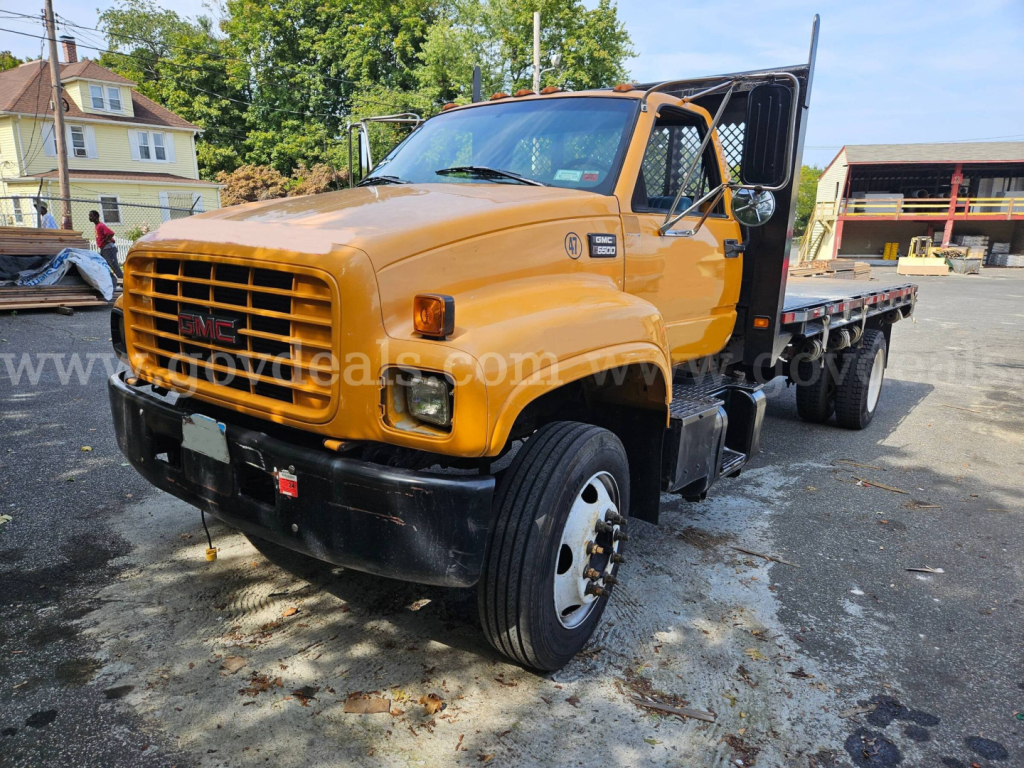
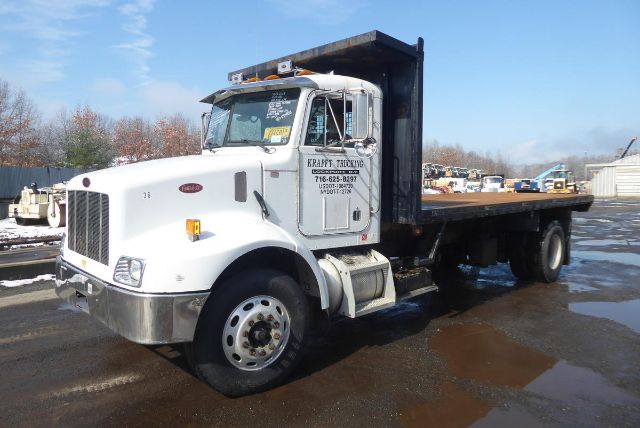
Have flatbed dump truck to sell? List it here to reach thousands of buyers.
Flatbed Dump Trucks in New York
The main buying decision is usually body configuration and hoist style. A flatbed dump with fixed or removable sides can handle mulch, stone, brush, scrap, and palletized jobsite material without giving up the ability to strap down loads. Scissor hoists are common on medium-duty applications and are valued for stable lifting and straightforward maintenance, while telescopic cylinder setups may offer different dump geometry depending on body length and use. Deck length, side height, floor material, and deck height all affect how the truck performs. A longer bed increases versatility, but it also changes wheelbase, turning radius, bridge compliance, and load distribution. Buyers should also verify PTO operation, hydraulic pump condition, control valve function, and whether the truck has a wetline or dedicated dump hydraulics.
On the chassis side, many flatbed dump trucks fall into medium-duty and heavy single-axle classes, often around 33,000-pound GVWR, though heavier tandem configurations exist. Engine horsepower, rear axle ratio, and transmission choice matter more than many buyers expect because these trucks spend time both on-road and on uneven jobsites. A 9-speed or similar manual transmission, lower rear ratio, and strong rear axle rating are common in vocational service. Suspension choice also affects performance. Air ride can improve ride quality and reduce shock to fragile loads, while vocational spring setups may be preferred for repeated off-road loading. Double-frame construction, brake type, tire size, and wheelbase are all worth comparing because they directly affect payload, durability, and body upfit compatibility.
A good flatbed dump truck should be evaluated as both a hauling platform and a hydraulic working truck. Check the floor and crossmembers for buckling, inspect side rails and tie-down hardware, and look for signs of twisting near hoist mounts and rear hinge points. On used trucks, body rust, leaking cylinders, sloppy PTO engagement, and uneven lift action are more important than cosmetic issues. If the truck will carry aggregates one day and bundled materials the next, details like strap storage, stake pockets, tarp options, and deck accessibility can make a measurable difference in daily productivity. This category appeals to fleets and owner-operators who need one truck to cover multiple revenue streams without stepping up to a dedicated dump truck and a separate flatbed.
Frequently Asked Questions about Flatbed Dump Trucks in New York
What is a flatbed dump truck used for?
A flatbed dump truck is used to haul both loose material and secured freight on the same truck. It can carry mulch, dirt, stone, demolition debris, pallets, bundled materials, equipment, and jobsite supplies, then unload bulk material by raising the bed. This makes it a practical choice for contractors, landscape suppliers, municipalities, and crews that need more flexibility than a standard dump body provides.
What should I inspect first on a used flatbed dump truck?
Start with the hydraulic system, hoist, frame, and body structure. Check for leaking cylinders, slow or uneven lift operation, PTO engagement problems, worn pump components, cracked hoist mounts, and rust around the rear hinges and crossmembers. Then inspect the bed floor, tie-down points, removable sides, and headache rack. On trucks used in northern climates, corrosion under the body and along the frame rails is a major factor in long-term value.
Is a scissor hoist better than other dump hoist designs on a flatbed dump truck?
A scissor hoist is a common and dependable choice for many flatbed dump applications because it offers stable lifting and a relatively simple design. It works well on medium-duty trucks carrying general construction and landscape material. The right hoist still depends on bed length, payload type, and dump angle requirements. Buyers should focus on lift capacity, cylinder condition, mount integrity, and how well the hoist matches the body rather than assuming one design is always better.
How do GVWR and wheelbase affect a flatbed dump truck?
GVWR determines the truck's legal operating class and sets the upper limit for chassis, axle, and brake capacity, while wheelbase affects turning radius, load distribution, and body length options. A longer wheelbase can support a longer bed and more versatile cargo space, but it may reduce maneuverability on tight jobsites and can affect bridge and axle loading. Matching GVWR, axle ratings, and wheelbase to the intended material is one of the most important parts of buying this category.
Can a flatbed dump truck replace a standard flatbed or a regular dump truck?
It can replace either one in some operations, but not every operation. A flatbed dump truck is best for businesses that need to switch between bulk material hauling and strapped freight without dedicating separate trucks. It usually gives up some specialized capacity compared with a purpose-built dump truck and may not have the same loading convenience as a low-deck straight flatbed. Its value comes from versatility, not from being the maximum-capacity solution for one single task.