
Flatbed Dump Trucks For Sale
Expert guidance on hoists, body materials, bed length, GVWR, and options to choose the right flatbed dump truck for construction and landscape work.
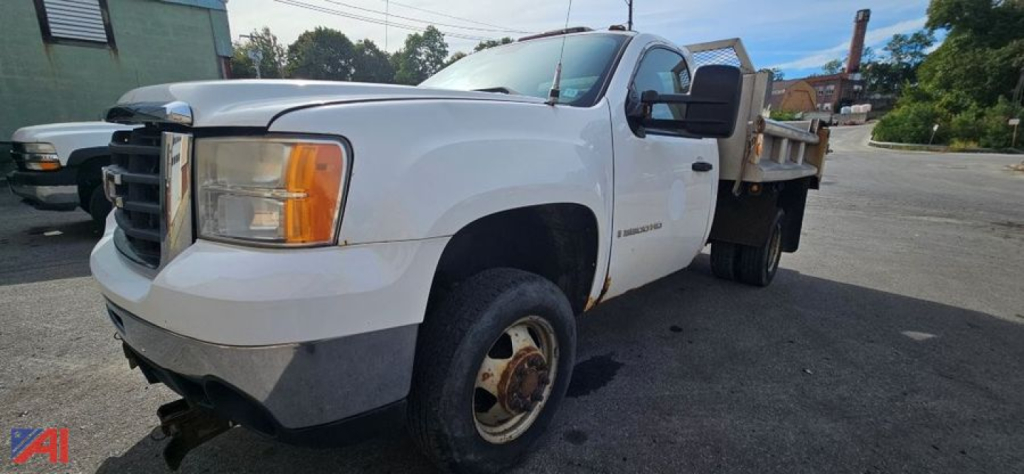
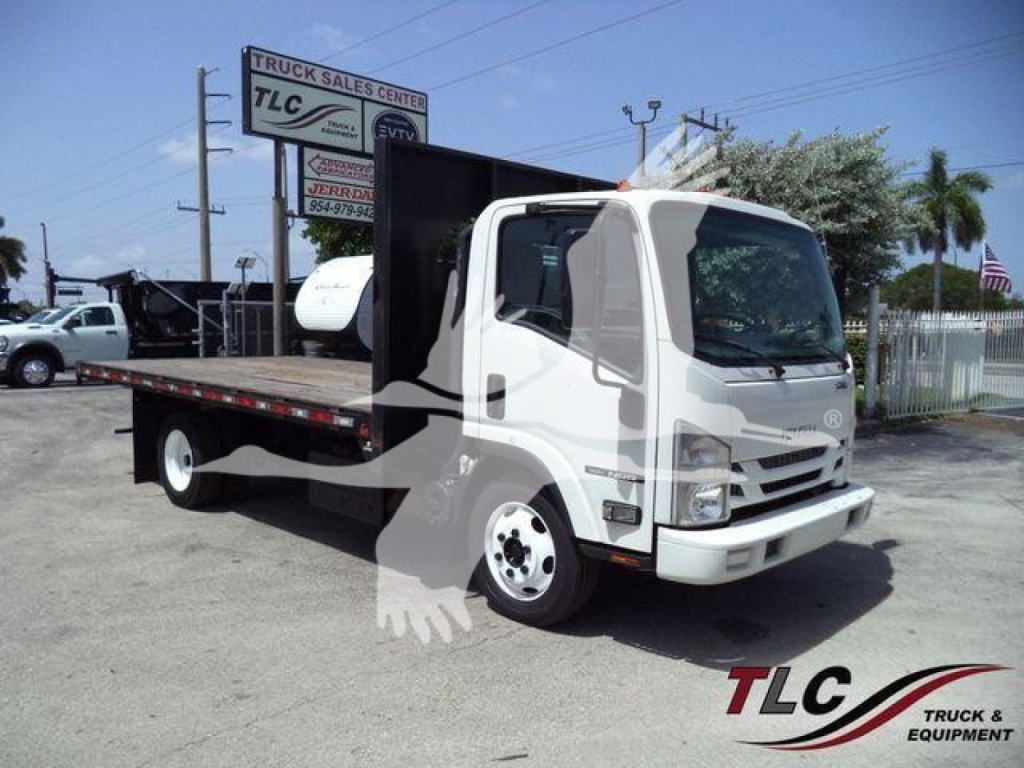
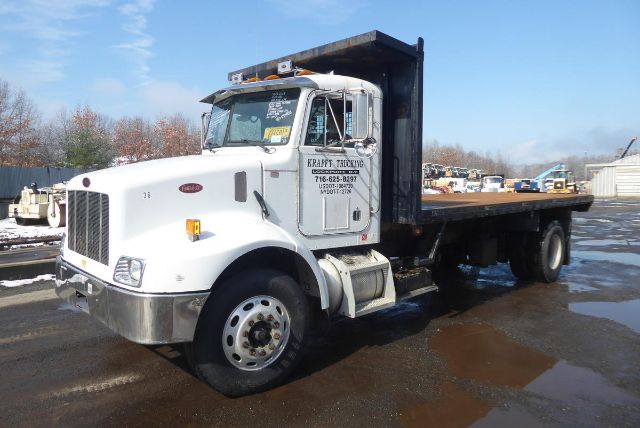
Selling a flatbed dump truck? List your flatbed dump truck for sale and reach thousands of commercial buyers.
Flatbed Dump Trucks
Body construction drives payload and durability. Steel beds with 3-16 to 1-4 inch floors and close crossmember spacing handle skid steers, masonry, and scrap without oil canning. Aluminum beds cut tare weight for more legal payload and corrosion resistance, but are less forgiving with point loads and forklift abuse. Many flatbed dump trucks, also known as stake bed dumps or platform dumps, use removable stake sides at 12 to 24 inches high to keep loose material contained, then convert to a true flat deck for pallets and equipment. Look for full-height headboards, rub rails with stake pockets and pipe spools, recessed D-rings, and scuff liners where pallets rub. Tarp systems, load lights, ladder racks, and toolboxes improve daily efficiency, and a 40 to 50 degree dump angle helps cleanly shed aggregates and brush.
Match the chassis to payload and route. Common builds range from Class 3 to Class 7 with GVWRs from 12,000 to 33,000 pounds, bed lengths roughly 10 to 22 feet, and single rear axle 4x2 drivetrains. Tandem axles and Class 8 platforms exist when you need bridge law friendly payloads or heavy equipment on deck. Air brakes and 22.5 inch rubber suit regional work and trailer towing, while hydraulic brakes with 19.5 inch tires keep operating costs down for local service. Confirm cab to axle length against body builder charts so the axle carries its share under dump loads. If you plan to tow, spec a pintle or receiver hitch with ICC bumper, trailer brake controller, 7 pin wiring, and verify GCWR and rear frame ratings align with your trailer weight.
Powertrain and regional details matter. Gas engines dominate light duty stake dumps with lower upfront cost and simpler emissions systems, while diesels deliver torque, engine braking, and PTO friendliness for heavier bodies. Automatics with PTO provisions simplify stop and go routes, and 4x4 helps on jobsites or winter maintenance. Rust belt fleets benefit from undercoating, sealed harnesses, and stainless or aluminum hardware. Operations in emissions restricted areas should confirm engine model year compliance and aftertreatment condition. For total cost of ownership, inspect hinge pins and bushings, hoist mounting, subframe straightness, and hydraulic hose routing, and look for onboard scales or telematics if you manage payload and idle time across multiple crews.
Also known as: Dumping Flatbed Truck
Frequently Asked Questions about Flatbed Dump Trucks
What is a flatbed dump truck and how is it different from a standard dump?
A flatbed dump truck combines a platform style body with a hydraulic hoist so the entire deck tilts to unload. It often includes removable stake sides for loose material, then converts back to a flat deck for pallets, equipment, and lumber. A standard dump truck has fixed steel walls and a tailgate, which is better for aggregates but less flexible for forklift side loading and wide or irregular freight.
How much can a flatbed dump truck haul?
Usable payload depends on GVWR, the curb weight of the chassis, and the body and hoist weight. A typical Class 5 stake dump might carry 6,000 to 9,000 pounds, while Class 6 to 7 builds can exceed 12,000 pounds. Calculate payload as GVWR minus curb weight minus body and hoist, then account for fuel, tools, and crew. Also confirm rear axle, tire ratings, and hoist capacity, since the system is only as strong as its lowest rated component.
Which hoist style is best for a flatbed dump truck?
Scissor hoists provide strong leverage and stable lifting across the deck, making them a solid choice for mixed cargo and off level ground. Underbody hoists are lighter and can be more economical for lighter loads and shorter bodies. For frequent cycles or heavier work, a PTO driven hydraulic pump offers faster, cooler operation compared to electric hydraulic packs used on lighter chassis.
Should I choose a steel or aluminum body for a flatbed dump?
Choose steel if you expect point loads, equipment tracks, or demolition debris. Steel floors in the 3-16 to 1-4 inch range and close crossmember spacing resist denting and twisting. Aluminum reduces tare weight for more legal payload and resists corrosion in snow and coastal regions. Many buyers run aluminum with wood or UHMW wear strips to protect the deck when loading with forklifts.
Can a flatbed dump truck tow a trailer?
Yes, many are set up with a pintle or receiver hitch, ICC bumper, 7 pin wiring, and an electric or air brake controller. Verify the chassis GCWR, rear frame rating, and hitch capacity, and make sure the wheelbase and suspension can handle combined tongue weight and payload. If you tow equipment, consider air brakes, 22.5 inch tires, and axle ratios that balance low speed pulling with highway fuel economy.