
2014 Commercial Trucks For Sale in New York
Browse 2014 trucks for sale in New York, including day cabs, dumps, and vocational units with specs buyers compare most.
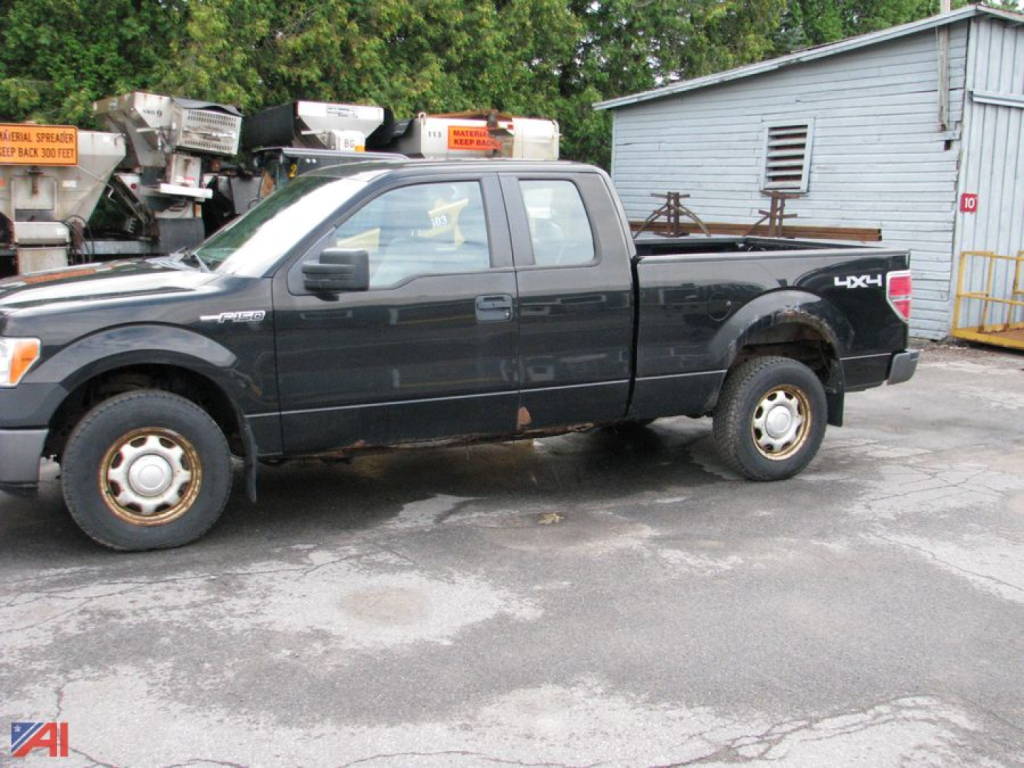
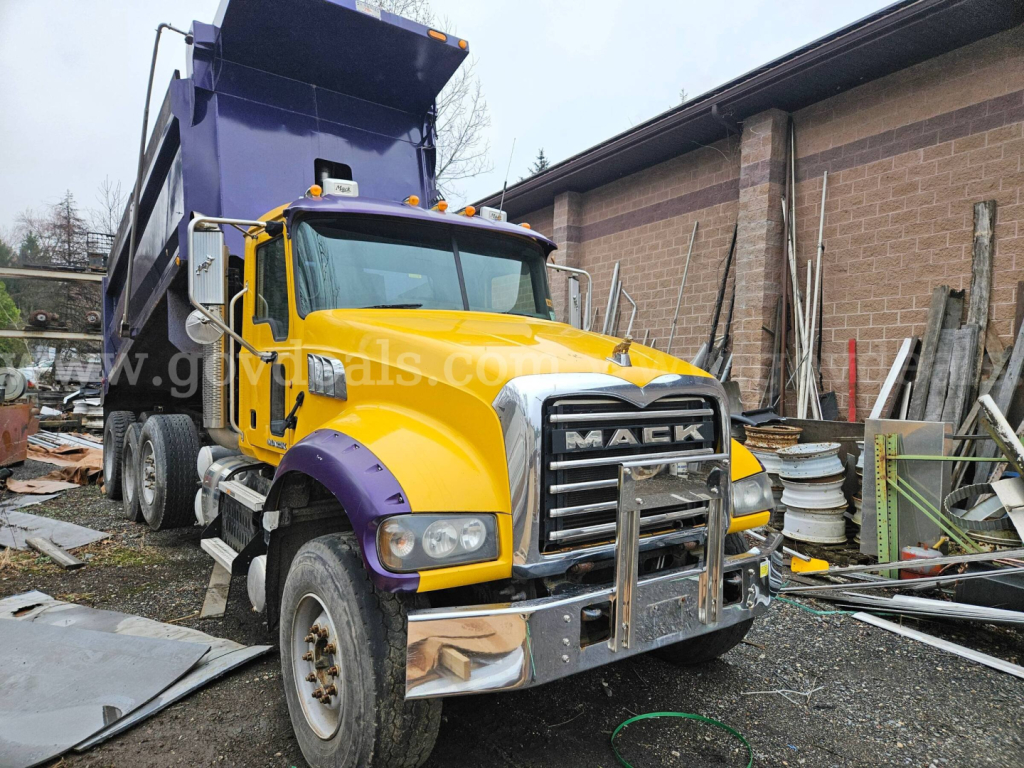
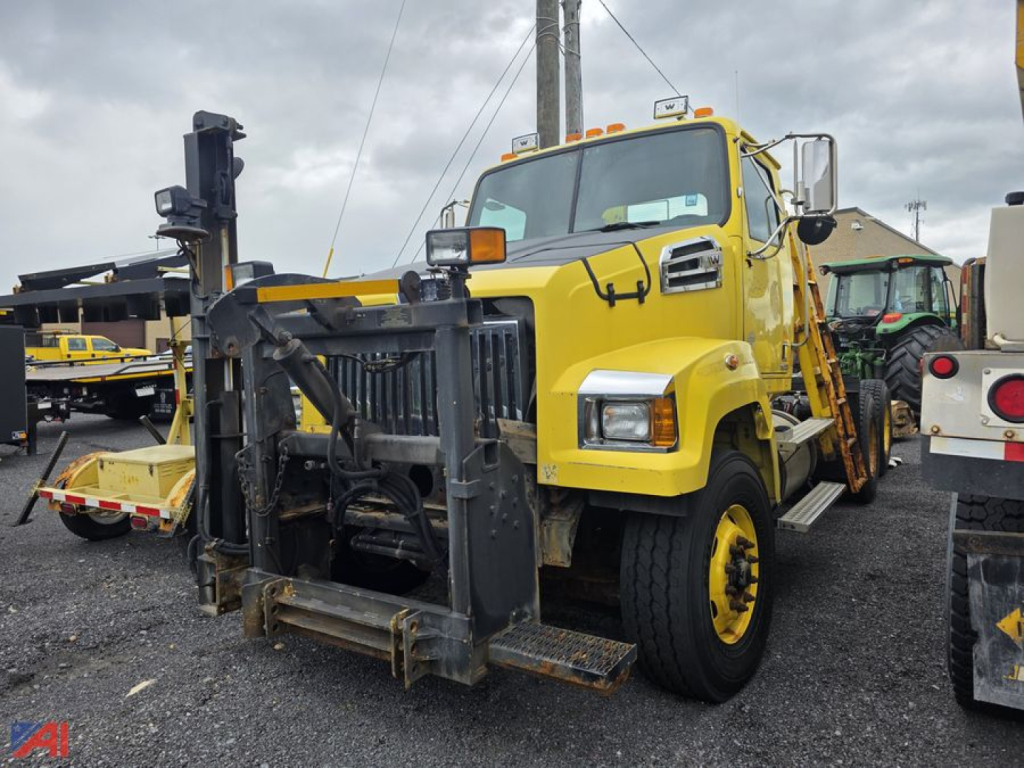
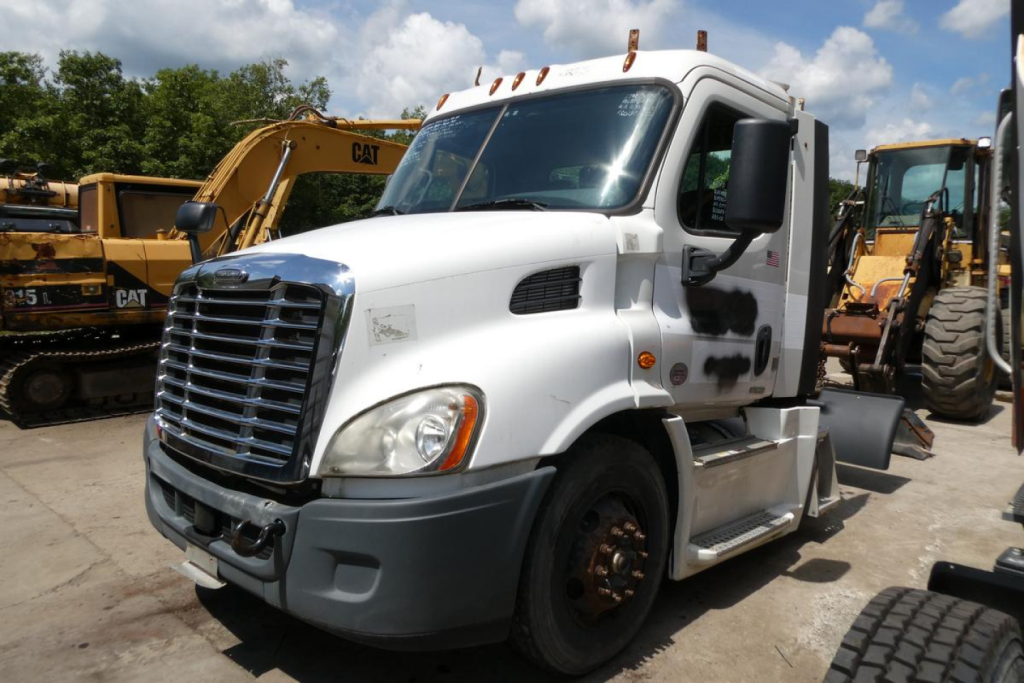
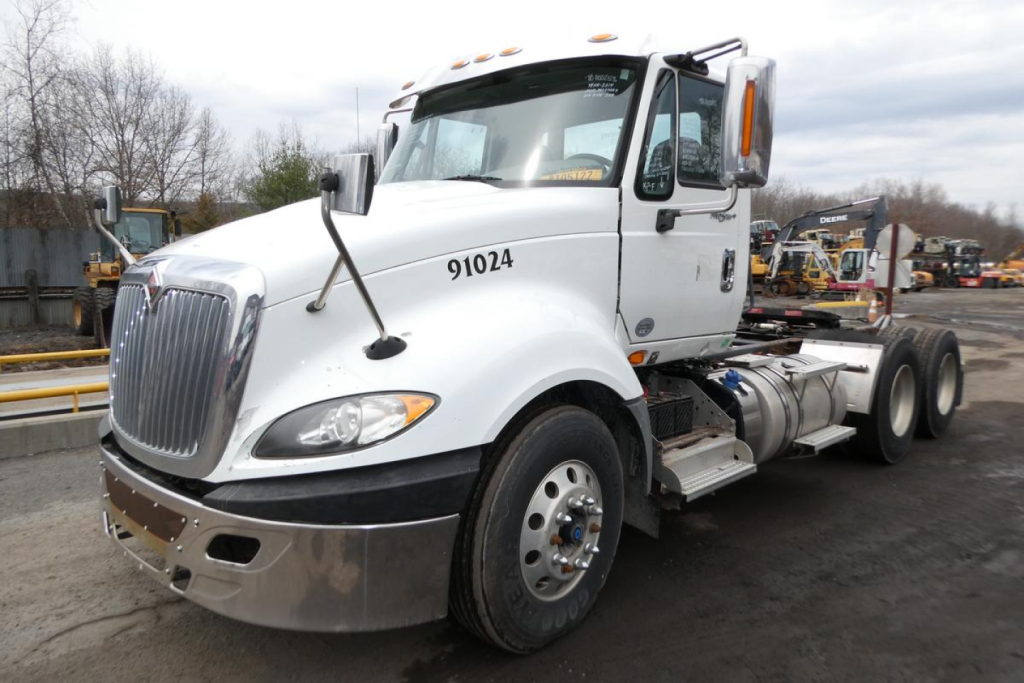
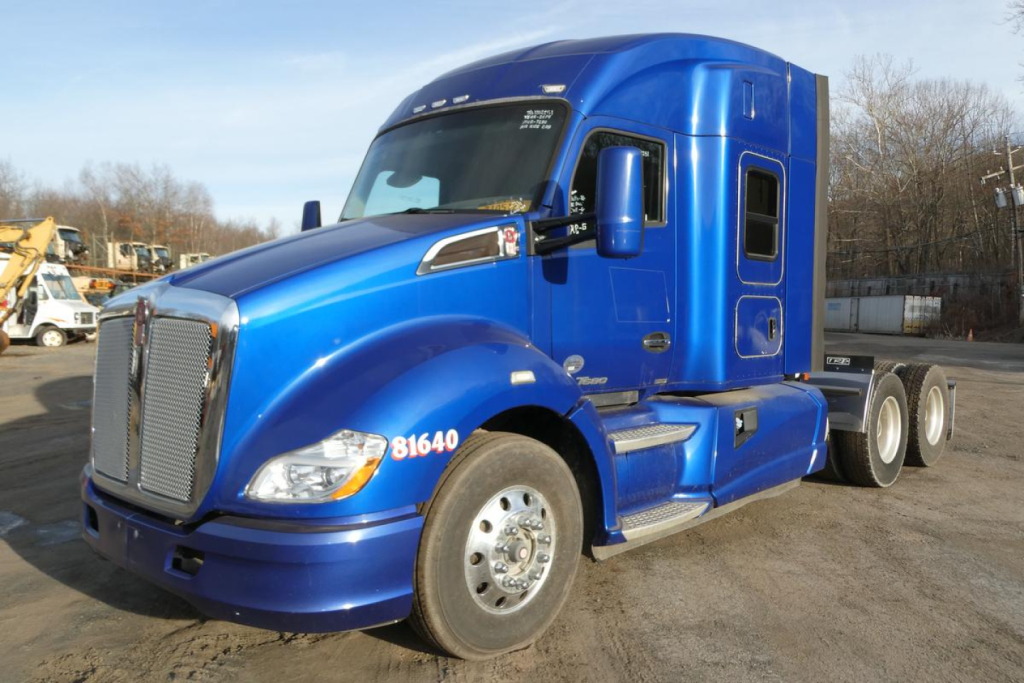
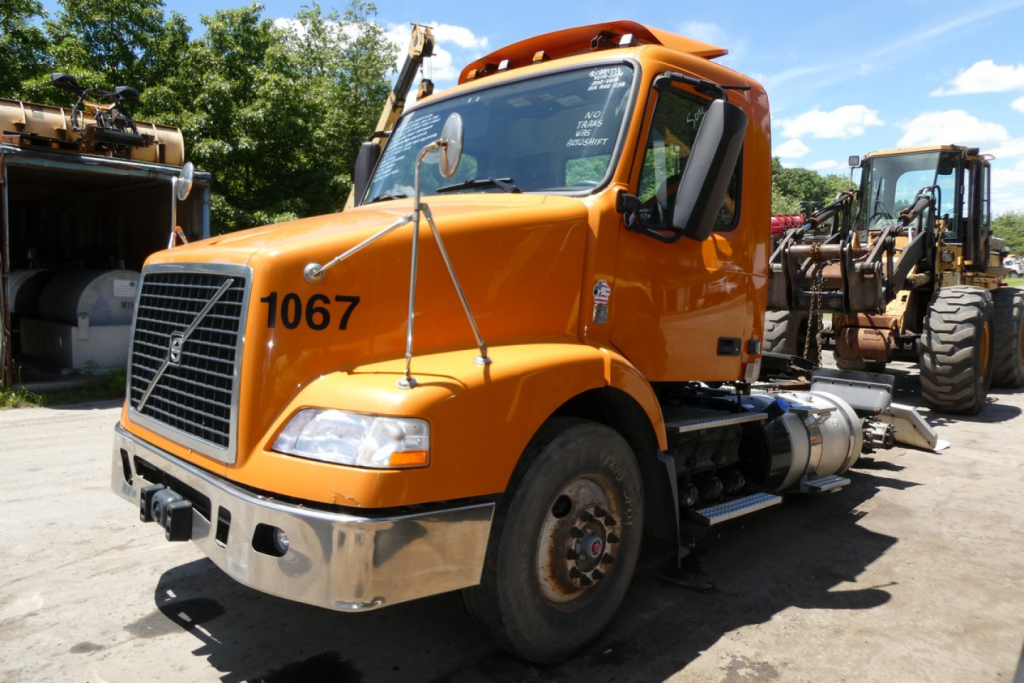
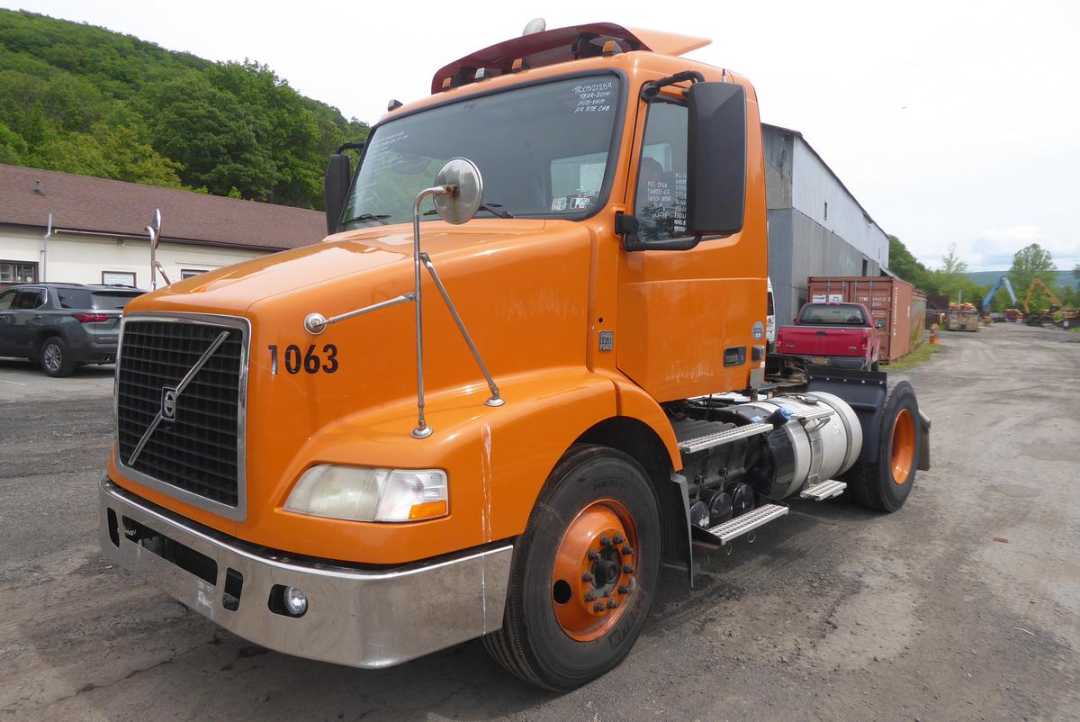
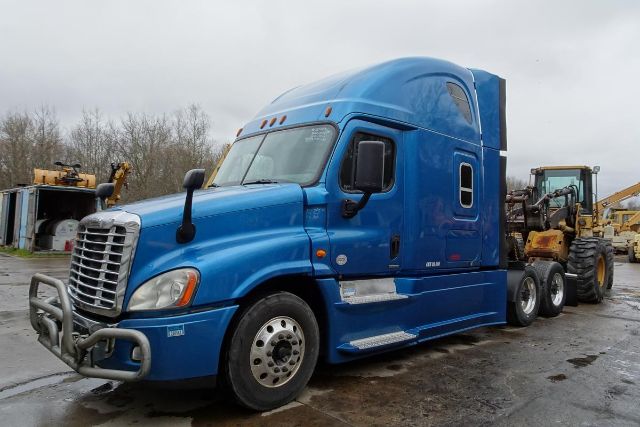
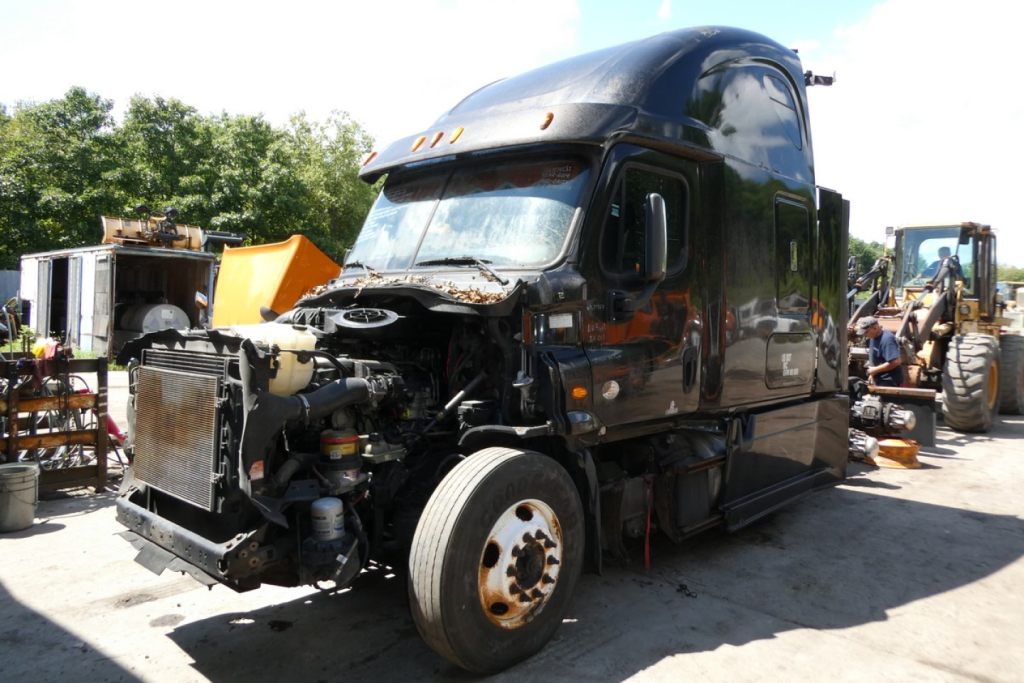
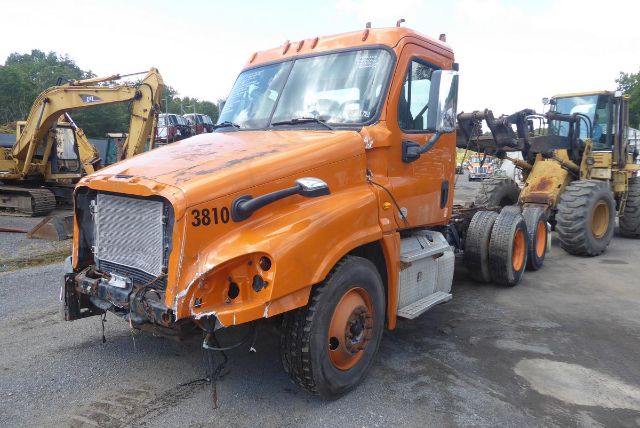
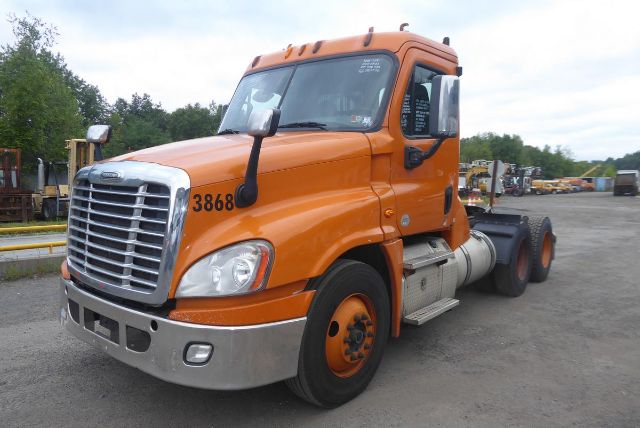
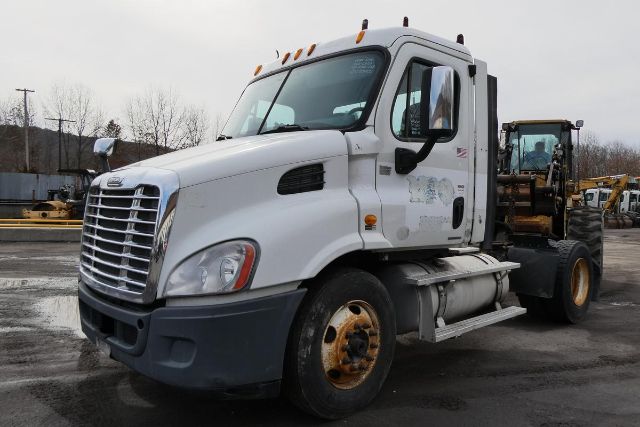
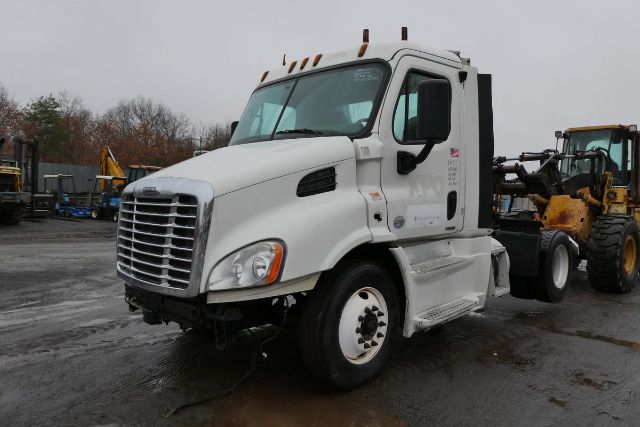
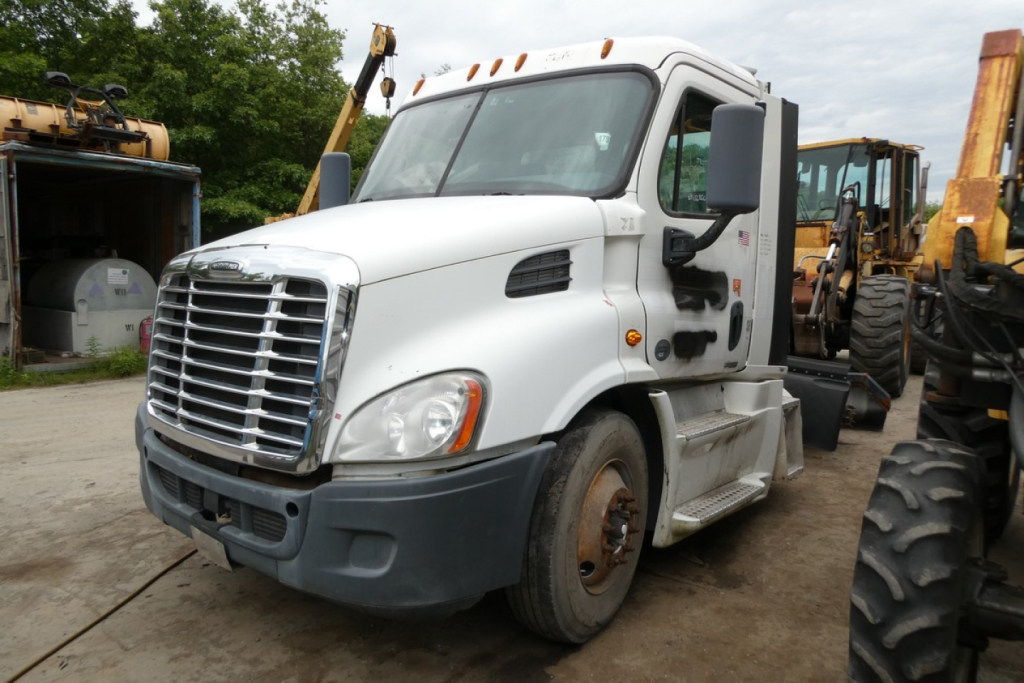
Selling a 2014 commercial truck? List your 2014 commercial truck for sale and reach thousands of commercial buyers.
2014 Commercial Trucks in New York
For highway and local freight work, many 2014 trucks were built with proven driveline combinations like 10-speed or automated manual transmissions, 3.36 to 3.94 rear ratios, 12,000 lb front axles, and rear axle ratings from 20,000 to 40,000 lbs. Engines in this class often fall in the 350 to 500 hp range, with common makes including Volvo, Mack, International, Cummins, Detroit, and Paccar depending on the chassis. Buyers should pay close attention to emissions system history on any 2014 model, especially DEF and aftertreatment service records, fault codes, idle hours, and signs of repeated downtime. On day cabs, wheelbase, cab-to-axle, fifth wheel type, and suspension spec tell you a lot about whether the truck is suited for city P&D, terminal work, or short regional runs.
Vocational 2014 trucks deserve a closer look at the working hardware, not just the engine and transmission. Dump trucks and plow-equipped units in New York often carry PTO systems, hydraulic setups, heavier frame sections, double frames, pintle plates, or snow and ice package components. If the truck will haul aggregate, pull a tag trailer, run a wet kit, or carry winter equipment, inspect the frame condition, crossmembers, spring or air suspension design, brake type, and steering component wear. Corrosion is a real buying factor in the Northeast, so frame scaling, cab mounts, electrical connections, body hoist condition, and plow or wing attachment points should be evaluated carefully.
A good 2014 truck purchase usually comes down to matching axle configuration, wheelbase, horsepower, transmission, and suspension to the route and payload. A single-axle day cab can be lighter and easier to maintain for local freight, while a tandem vocational truck may justify its extra weight through durability and legal payload capacity. Buyers comparing listings should also weigh odometer miles against engine hours, maintenance records, prior municipal or fleet use, and evidence of major repairs such as clutch, injector, turbo, DPF, or transmission work. In this model year, condition and spec matter more than badge alone.
Frequently Asked Questions about 2014 Commercial Trucks in New York
What should I look for first when buying a 2014 used truck?
Start with the truck's intended job, then verify the axle configuration, wheelbase, GVWR, and driveline match that application. After that, review engine hours, maintenance records, emissions system history, and any recent major repairs. On a 2014 truck, aftertreatment condition, rust exposure, and transmission performance are usually more important than cosmetic appearance.
Are 2014 trucks a good choice for local or regional work in New York?
Yes, many 2014 trucks are well suited for local and regional service if the spec is correct and the truck has been maintained properly. Day cabs from this model year are common in terminal, delivery, and short-haul operations, while tandem vocational trucks remain useful for construction, municipal, and seasonal work. In New York, buyers should give extra attention to corrosion, brake and suspension wear, and cold-weather operating history.
What engine and transmission specs are common in 2014 trucks?
A 2014 truck often falls in the 350 to 500 horsepower range, depending on whether it was ordered for freight or vocational use. Common transmission choices include 10-speed manuals, heavier multi-speed manuals, and some automated manual units. Rear axle ratios often vary from economy-oriented highway gearing to shorter vocational ratios that improve startability and low-speed performance under load.
Why do engine hours matter on a 2014 truck?
Engine hours help show how the truck was used. A truck with moderate miles but very high hours may have spent a lot of time idling, operating PTO equipment, or working in stop-and-go duty cycles. That matters because idle-heavy use can affect aftertreatment systems, engine wear patterns, and maintenance intervals differently than steady highway miles.
Is a single-axle or tandem-axle 2014 truck the better buy?
It depends on payload, route, and body or trailer requirements. A single-axle 4x2 truck is typically lighter, more maneuverable, and less expensive to operate, which makes it attractive for local freight and some delivery work. A tandem-axle 6x4 truck is the better choice when traction, legal payload, PTO use, or heavier frame and suspension capacity are required.