
2014 Dump Trucks For Sale in New York
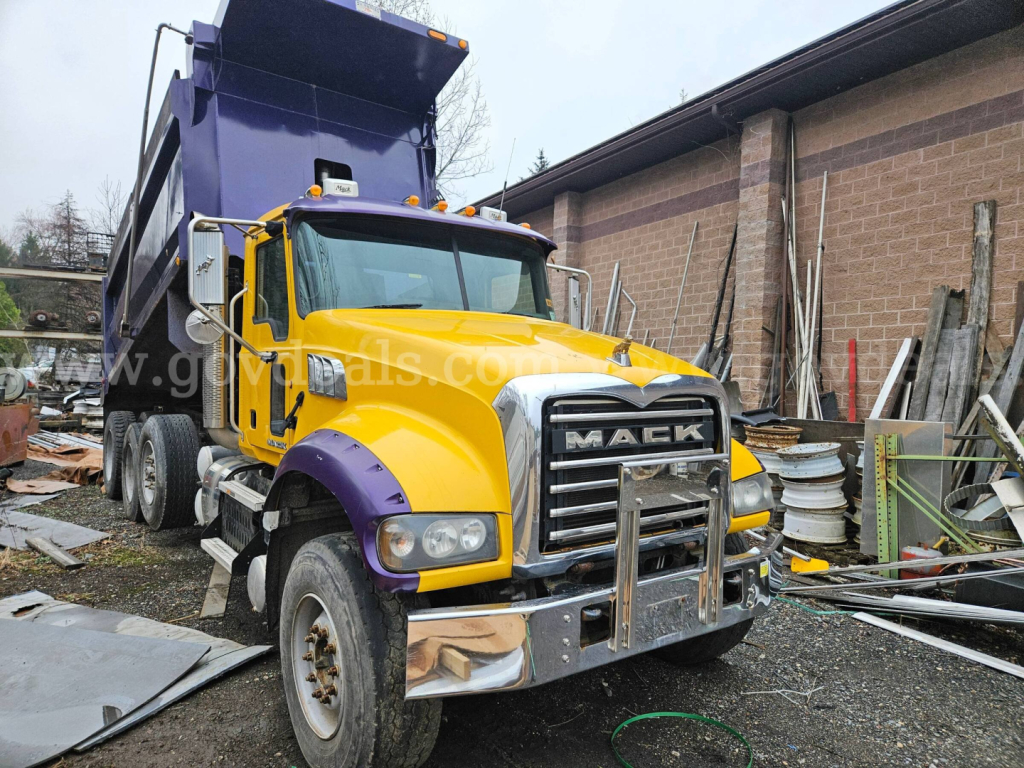
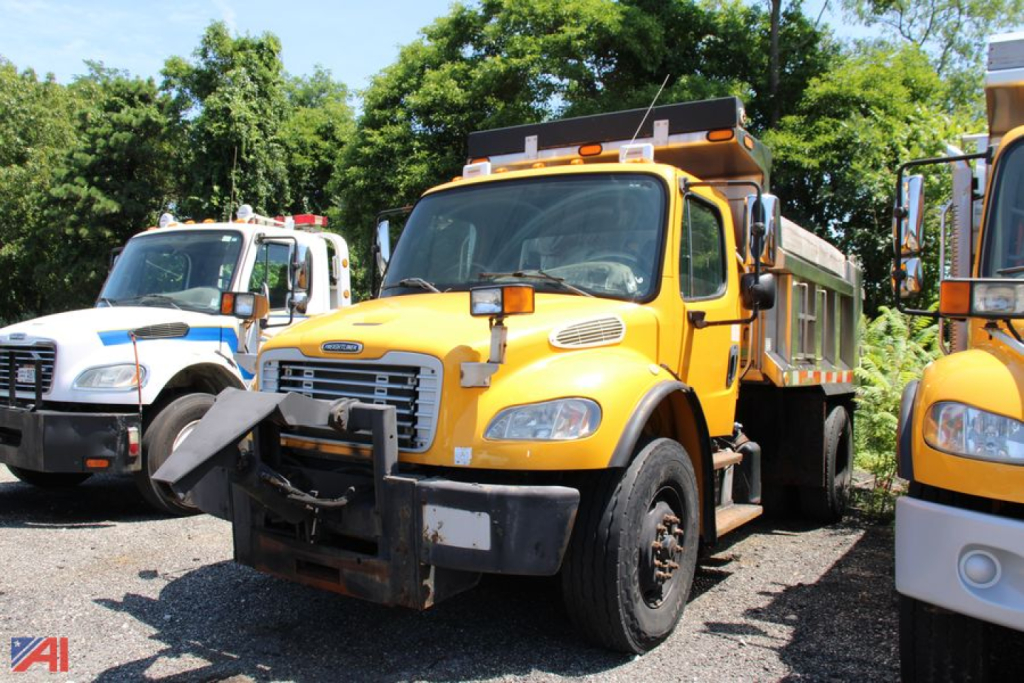
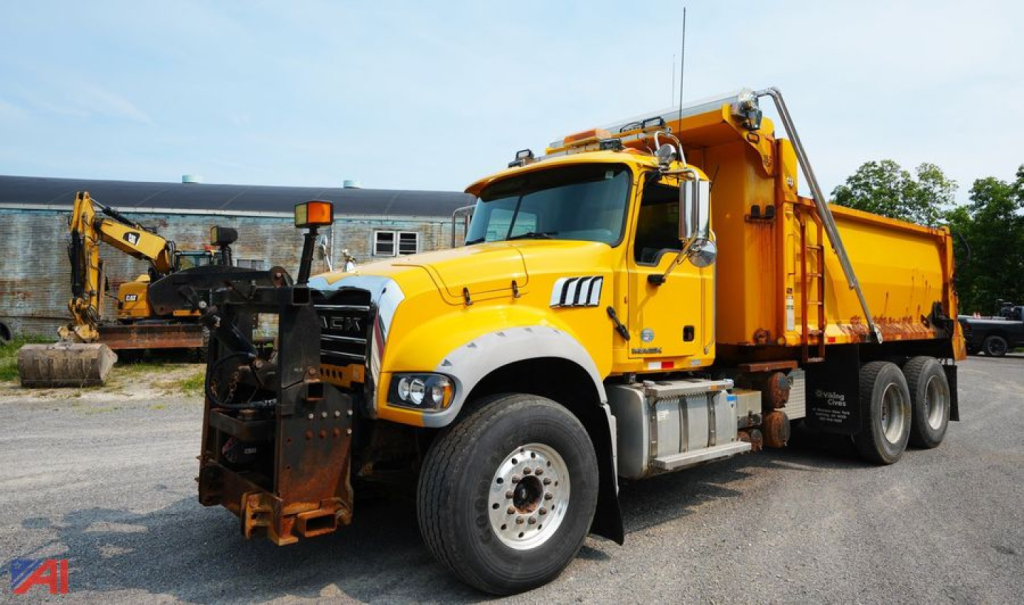

Have 2014 dump truck to sell? List it here to reach thousands of buyers.
2014 Dump Trucks in New York
The first buying decision is usually chassis class and axle layout. A lighter dump truck based on a Class 5 or Class 6 chassis can be a good fit for tight residential work, small material deliveries, and local landscaping. A heavier Class 7 or Class 8 truck is better suited for aggregate, asphalt, municipal road work, and higher payload demands. Buyers should look closely at GVWR, front axle rating, rear axle rating, suspension type, wheelbase, and body length because those specs determine how well the truck matches the job. Typical dump bodies in this category may range from compact contractor bodies to larger municipal or construction bodies, with common features including barn doors, air-operated tailgates, coal chutes, tarp systems, hitch plates, and pintle hooks.
On a used 2014 dump truck, body and hydraulic condition matter as much as the engine and transmission. Check the hoist, PTO operation, hydraulic lines, pins, hinge points, floor thickness, crossmember condition, and any signs of corrosion around the body, subframe, and tailgate. For New York use, buyers should pay extra attention to frame condition, cab corners, brake and fuel lines, and underbody corrosion from road salt. If the truck has plow gear, wing prep, or a sander or spreader setup, inspect the front frame extensions, hydraulic controls, electrical connections, and evidence of seasonal municipal use. Mileage is only part of the story on a dump truck. Engine hours, idle time, PTO hours, and service history often tell more about wear than the odometer.
Powertrain choices in 2014 vocational trucks often include medium-duty and heavy-duty diesel engines paired with manual, automatic, or automated transmissions, depending on application. A buyer comparing listings should consider rear-end ratio, locking differentials, and suspension spec along with horsepower because low-speed jobsite performance and legal payload matter more than highway cruise speed in this category. A well-matched 2014 dump truck can serve construction fleets, municipalities, excavators, paving contractors, and landscape material operators for years if the frame, body, hydraulics, and axle ratings are right for the work.
Frequently Asked Questions about 2014 Dump Trucks in New York
What should I inspect first on a used 2014 dump truck?
Start with the frame, dump body, and hydraulic system. A dump truck can have an acceptable engine and transmission but still become expensive if the hoist, body floor, tailgate, hinge areas, or subframe are badly worn or corroded. In New York, rust exposure from road salt makes underbody inspection especially important. Check PTO engagement, cylinder operation, hydraulic leaks, frame scale, spring hangers, brake components, and any cracks or repairs around body mounts and hoist points.
Is a single-axle or tandem-axle 2014 dump truck better for New York work?
It depends on payload, jobsite access, and the type of material being hauled. Single-axle dump trucks are easier to maneuver in tighter urban or residential areas and often work well for landscape supply, small paving jobs, and municipal patch work. Tandem-axle dump trucks are better for heavier aggregate, demolition material, and larger site work where higher legal payload is critical. Buyers should compare axle ratings, wheelbase, body size, and local bridge and road restrictions before choosing.
Are municipal-spec 2014 dump trucks a good buy?
They can be, especially when maintenance records are available and the truck was serviced on schedule. Municipal trucks often include useful equipment such as plow mounts, central hydraulics, spreader controls, and stainless bodies or accessories suited to snow and ice operations. The tradeoff is that municipal use can mean high idle time, frequent seasonal operation, and corrosion exposure. A buyer should verify engine hours, PTO use, frame condition, and the working condition of all snow equipment interfaces.
What body material is common on a 2014 dump truck?
Steel and stainless steel are both common. Steel dump bodies are widely used in construction and aggregate applications because they are durable and familiar to repair, but they can show more corrosion over time if not maintained well. Stainless bodies are often preferred in municipal and snow service because they resist corrosion better, especially in salt-heavy regions like New York. The right choice depends on the truck's intended use, expected material type, and how important long-term rust resistance is to your operation.
How important are PTO hours and idle hours on a dump truck?
They are very important because dump trucks spend a lot of time operating equipment while stationary or at low speed. PTO hours help indicate how much work the hydraulic system and dump body have actually done, while idle hours can show how much engine time was accumulated outside of road use. A 2014 dump truck with moderate mileage can still have significant vocational wear if it spent years plowing, spreading, or cycling the dump body daily. That is why service history and component condition should carry as much weight as mileage.