
2014 Dump Trucks For Sale
Shop 2014 dump trucks for hauling aggregate, debris, asphalt, and snow work. Compare axle setups, body specs, engines, and vocational features.
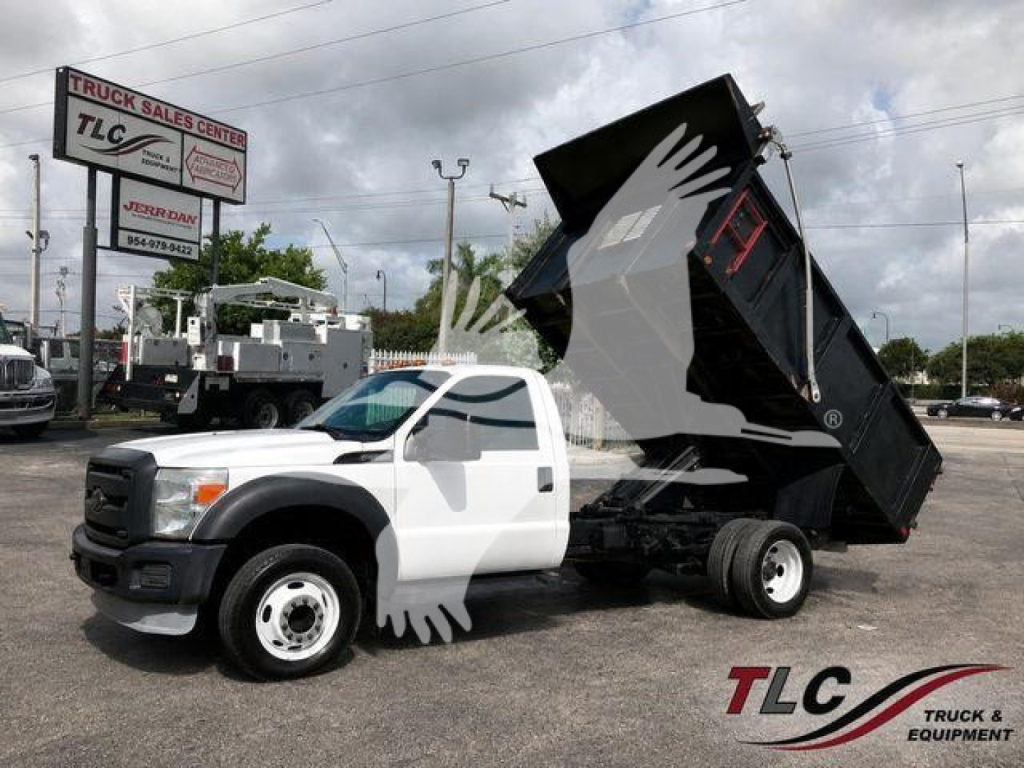
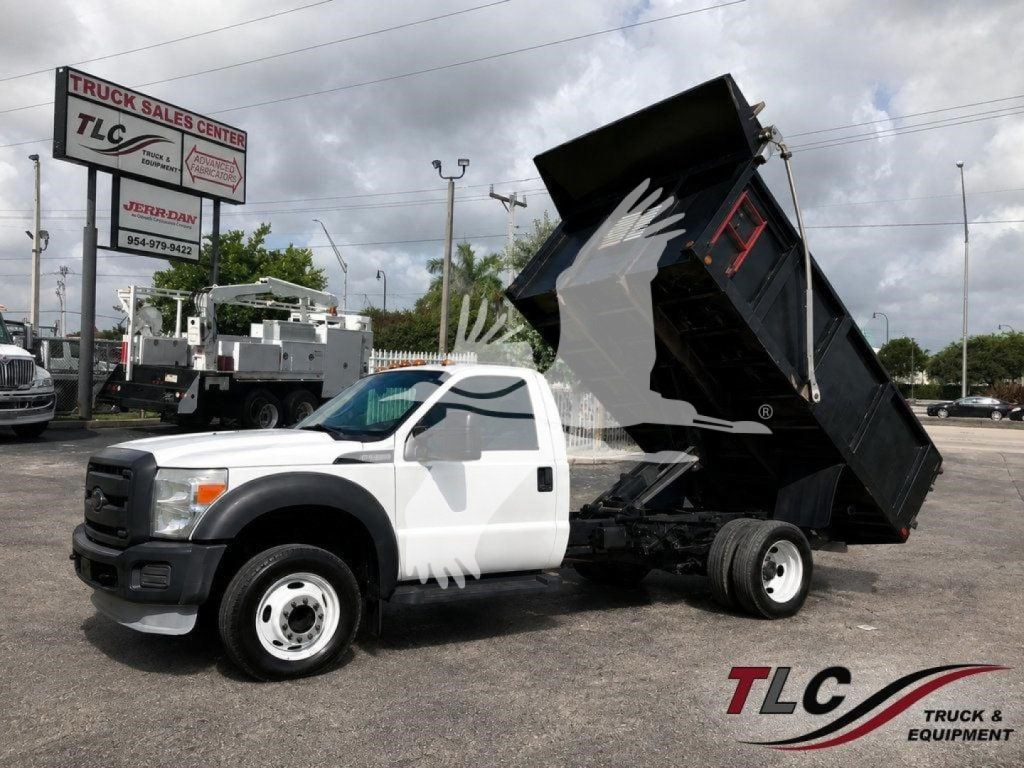
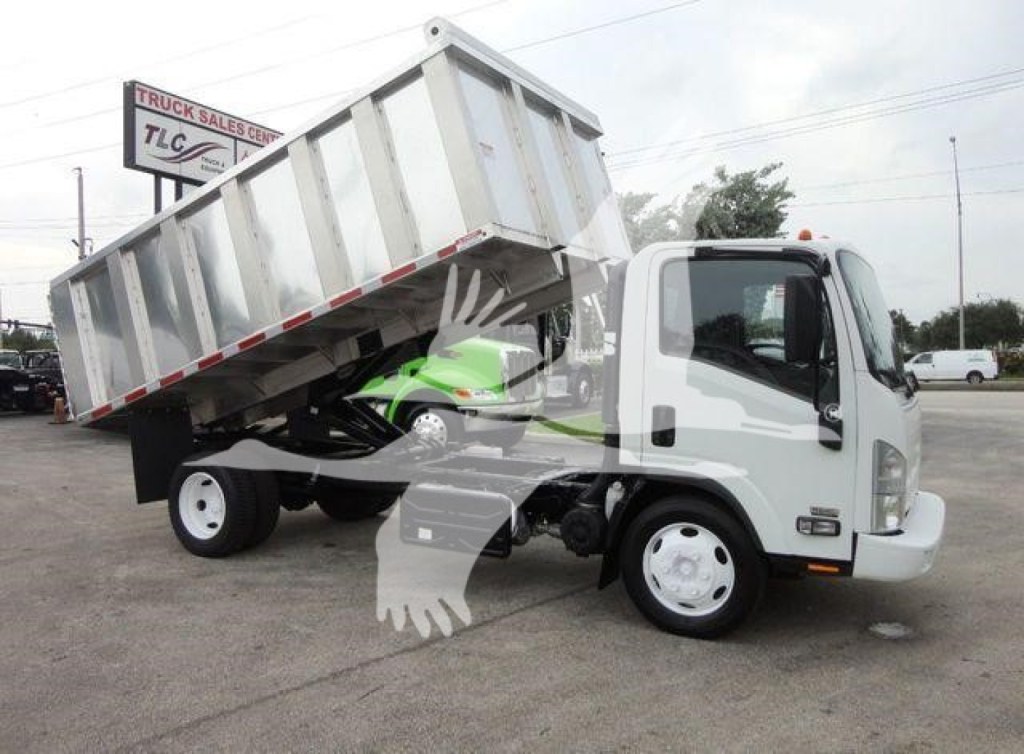

Selling a 2014 dump truck? List your 2014 dump truck for sale and reach thousands of commercial buyers.
2014 Dump Trucks
Most 2014 dump trucks on the market fall into tandem axle, tri-axle, quad axle, or single axle setups, and that choice drives everything from legal payload to turning radius and maintenance cost. Body specs matter just as much as the chassis. Common body lengths run from about 10 to 18 feet, with steel bodies favored for demolition, rock, and abrasive material, while some lighter-duty applications may use aluminum bodies to save weight. Look closely at side height, floor thickness, hoist type, tailgate style, and liner condition. Features such as air-operated high-lift tailgates, electric or mesh tarps, pintle hitches, PTO-driven hydraulics, and underbody or telescopic hoists can make a big difference in day-to-day productivity. For municipal and winter service work, a 2014 dump truck may also be equipped with plow gear, wing plow mounts, hydraulic controls, central hydraulics, or a combination dump and sander body.
Powertrain and suspension specs deserve close attention because dump trucks live harder lives than many on-highway trucks. A 2014 unit may be powered by engines from Cummins, Mack, PACCAR, Caterpillar in older carryover applications, or Navistar, paired with manual, automated manual, or Allison automatic transmissions depending on the intended work. Buyers should verify horsepower and torque against terrain and payload, but also check rear axle ratio, locking differentials, suspension type, frame reinforcement, and brake setup. Heavy vocational suspensions, double-frame rails, camelback or air ride configurations, and lift axles are all common in this category. If the truck will be backing into pavers, feeding crushers, or working uneven job sites, steering axle rating, ground clearance, and body stability under load matter as much as engine spec.
Condition evaluation on a used 2014 dump truck should focus on the items that are expensive and vocational-specific. Inspect the hoist for leaks and cycle speed, check PTO engagement, look for cracks around body mounts and hinge points, and examine the frame for rust scaling, previous repairs, or signs of overload stress. Uneven tire wear, walking beam wear, suspension bushing play, and brake condition can reveal how the truck was used. Inside the body, look for bowing, corrosion, patch panels, and tailgate seal wear if the truck handled asphalt, wet material, or winter salt. A well-matched 2014 dump truck can still deliver solid service life, but the right buy usually comes down to axle spec, body condition, and maintenance history more than badge alone.
Frequently Asked Questions about 2014 Dump Trucks
What should I look for first when buying a 2014 dump truck?
Start with axle configuration, body size, and legal payload for the work you expect to do. A single axle may suit lighter municipal or landscape work, while tandem, tri-axle, and quad-axle trucks are more common for aggregate and excavation. After that, inspect the dump body, hoist, frame, suspension, and PTO system closely because those vocational components often determine true value more than engine hours or odometer reading alone.
Are 2014 dump trucks good for construction and municipal work?
Yes, many 2014 dump trucks are well suited for both construction and municipal use, especially if they were spec'd as vocational chassis from the factory. Construction buyers often want heavier suspensions, steel bodies, locking rears, and higher axle ratings. Municipal buyers may prioritize automatic transmissions, plow prep, spreader controls, central hydraulics, and corrosion condition from winter service exposure. The best fit depends on how the truck was originally configured and maintained.
What body features matter most on a used dump truck?
Body material, floor thickness, hoist design, and tailgate setup are key points. Steel bodies usually hold up better in severe service like rock, demolition, and scrap, while lighter bodies can improve payload in less abrasive applications. Buyers should inspect hinge points, crossmembers, body mounts, tarp system operation, and signs of patching or cracking. A body in poor condition can turn an otherwise sound chassis into a costly repair project.
Which transmission is better in a 2014 dump truck, manual or automatic?
That depends on the route and job cycle. Manual and automated manual transmissions are common in heavier vocational specs and can work well for higher-GCW applications and experienced operators. Allison automatics are popular for stop-and-go work, snow operations, and crews with multiple drivers because they are easy to run and perform well in tight jobsite conditions. Transmission choice should match terrain, load cycle, and driver familiarity.
How important is rust and frame condition on a 2014 dump truck?
It is critical. Dump trucks often work in mud, salt, and abrasive environments, so rust can affect the frame, body, hoist mounts, wiring, hydraulic lines, and cab structure. Surface corrosion is common, but scaling, flaking, cracked repairs, or rust around suspension hangers and body hinges can signal expensive structural issues. On older vocational trucks, frame and body condition are often more important than brand reputation or cosmetic appearance.