
2014 Freightliner Trucks For Sale in New York
Shop 2014 Freightliner trucks in New York. Compare Cascadia and vocational specs, engines, wheelbases, axles, transmissions, and condition.
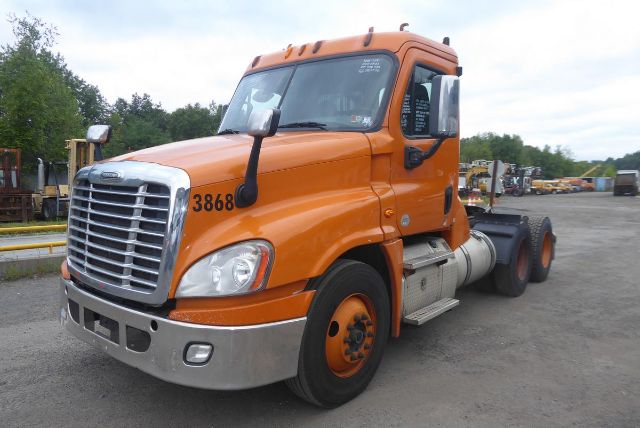
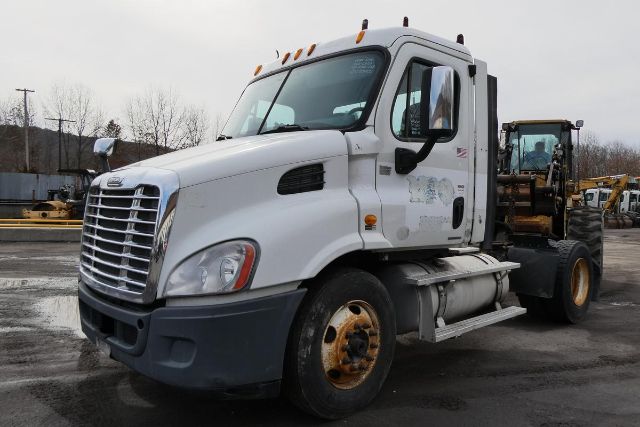
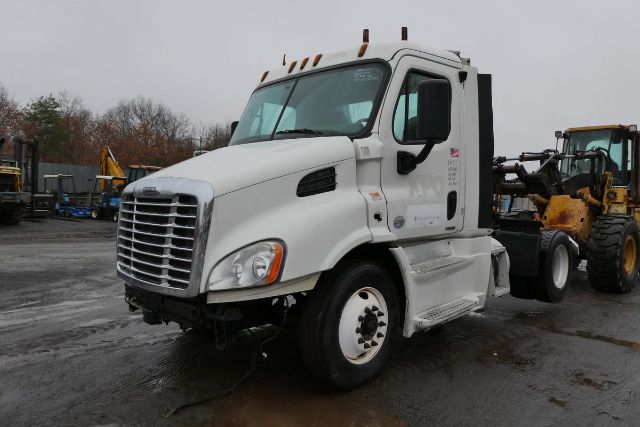
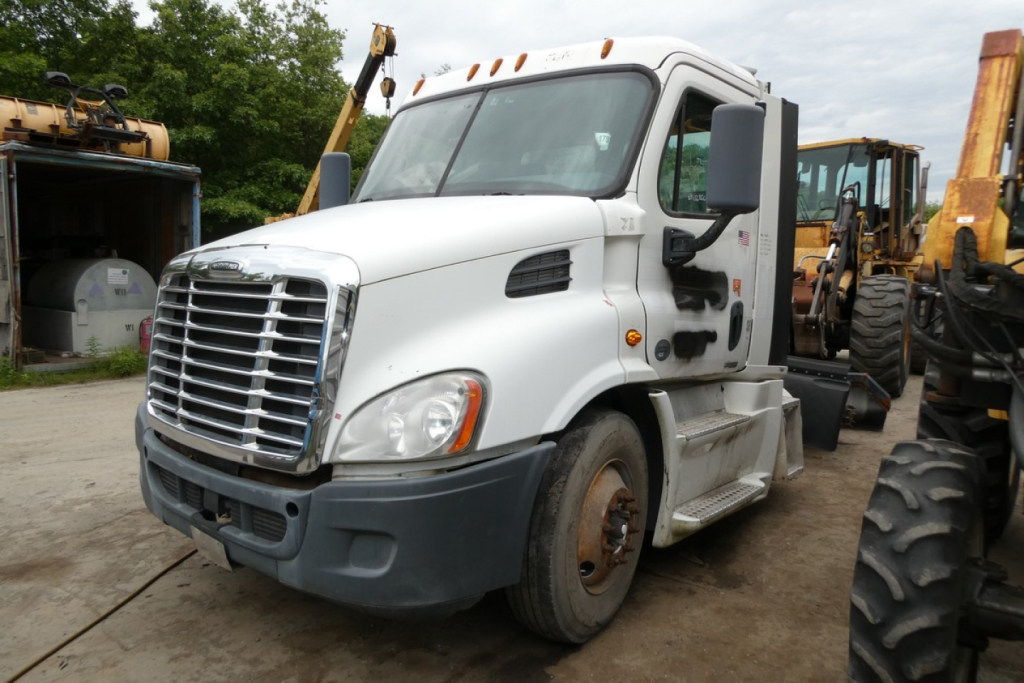
Selling a 2014 freightliner truck? List your 2014 freightliner truck for sale and reach thousands of commercial buyers.
2014 Freightliner Trucks in New York
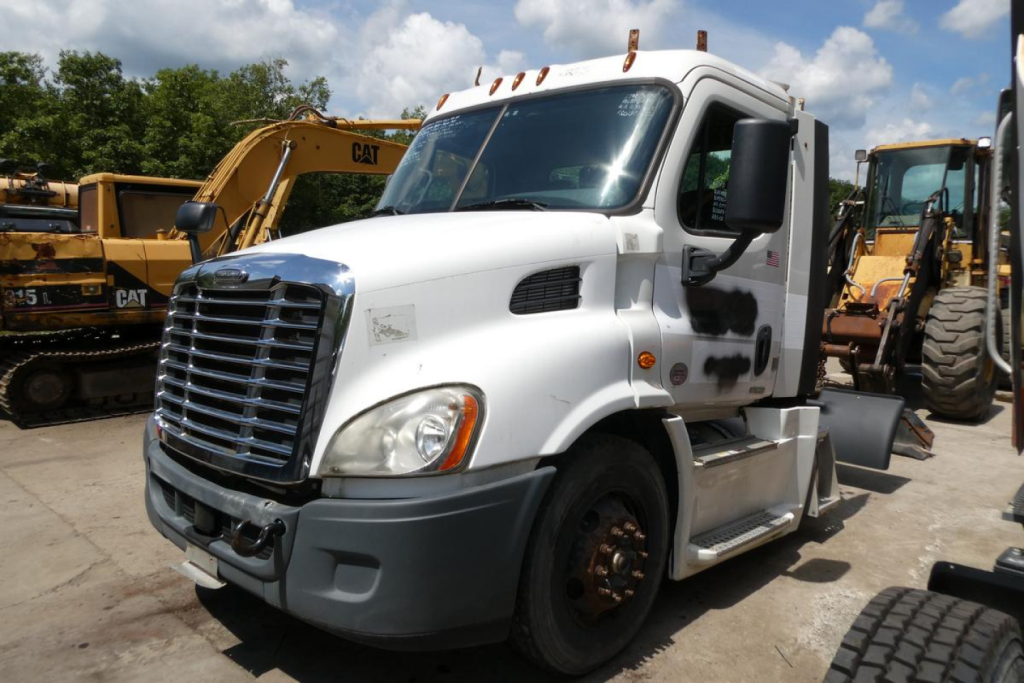
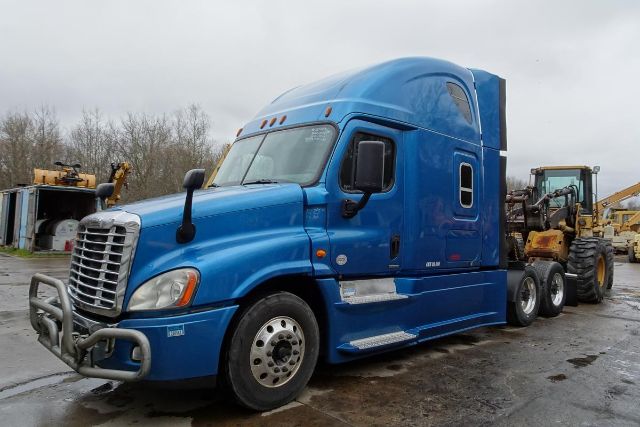
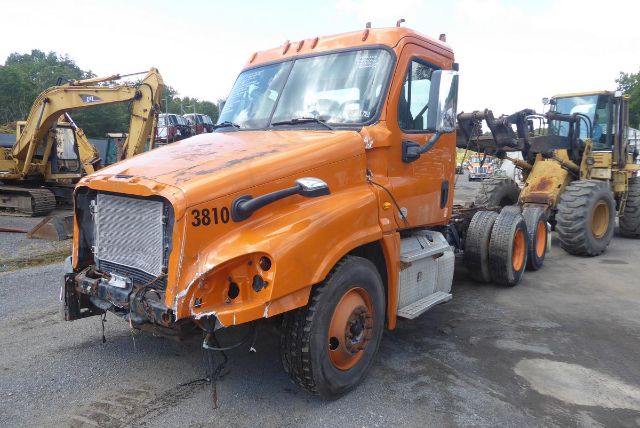
The first buying decision is usually application and chassis layout. A 2014 Freightliner day cab is commonly used for short-haul freight, intermodal, dedicated route work, and yard-to-road operations. Wheelbase, cab-to-axle, and fifth wheel setup matter if the truck will pull different trailer lengths or work tight urban docks. Buyers in New York should pay attention to bridge law considerations, axle ratings, and turning radius, especially for city and Northeast corridor use. Typical specs in this class can include Detroit DD13 engines, 10-speed manuals, DT12 automated manuals, 12,000 lb front axles, and rear axle ratings from about 23,000 lb on lighter single-axle tractors up to 40,000 lb on tandem setups. Airliner suspension, air slide fifth wheels, engine brakes, and air disc brakes are also common features in this era.
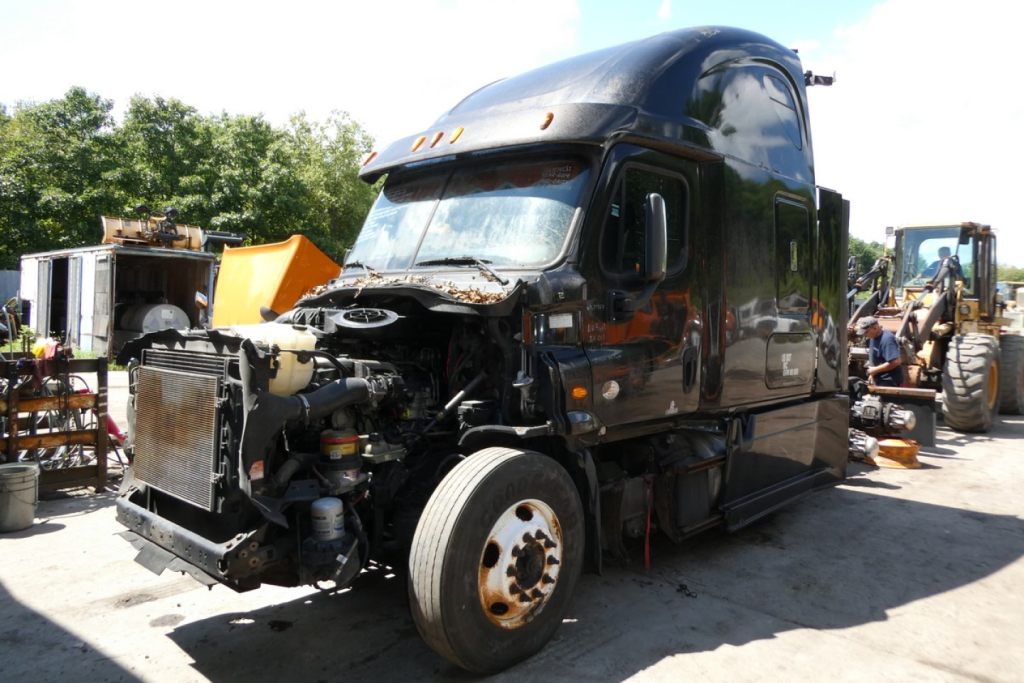
Emissions and driveline condition deserve close inspection on any used 2014 Freightliner truck. This model year sits firmly in the modern emissions era, so buyers should review the DEF system, aftertreatment history, fault codes, idle hours, and ECM mileage against the dash reading. On higher-mileage trucks, transmission behavior, clutch wear on manual units, and calibration or electrical issues on automated manuals can be just as important as engine condition. It is also smart to inspect kingpin-to-rear-axle placement, frame drilling, suspension wear, and tire spec, since many Freightliner trucks were ordered for very specific fleet applications. A truck with the right rear ratio, suspension, and fifth wheel travel can be much more productive than a similar unit with a less suitable spec.
Freightliner remains popular because the trucks are widely understood by independent shops, dealership networks, and fleet technicians. That matters when uptime, donor parts availability, and lower repair friction are part of the buying equation. A well-matched 2014 Freightliner truck can still be a strong value in regional service, vocational support, or as a fleet replacement unit, provided the buyer verifies emissions compliance, driveline health, and axle configuration against the intended workload.
Frequently Asked Questions about 2014 Freightliner Trucks in New York
What are the most common 2014 Freightliner truck configurations buyers look for?
The most common 2014 Freightliner trucks on the used market are conventional road tractors and day cab configurations, especially Cascadia models. Buyers typically sort them by axle count, wheelbase, engine, transmission type, and intended use. Single-axle versions are often chosen for lighter regional work, while tandem-axle trucks are more common for heavier freight, highway use, and applications that require higher GVW and better traction.
Which engine and transmission combinations are common in 2014 Freightliner trucks?
A frequent setup in 2014 Freightliner trucks is the Detroit DD13 paired with either a 10-speed manual or a Detroit DT12 automated manual transmission. That combination is popular because it balances fuel economy, parts availability, and drivability for regional and highway service. Buyers should still confirm horsepower rating, rear axle ratio, and maintenance history because the same engine family can perform very differently depending on how the truck was originally spec'd.
What should I inspect first on a used 2014 Freightliner truck?
Start with the engine, emissions system, and transmission diagnostics. Check for fault codes, DEF and aftertreatment service history, ECM mileage, idle hours, and any signs of injector, turbo, or EGR-related problems. After that, inspect the frame, suspension, axle housings, brake type, tires, and fifth wheel arrangement. On day cabs and regional tractors, wheelbase and cab-to-axle dimensions are important because they directly affect trailer compatibility and maneuverability.
Is a 2014 Freightliner truck a good fit for New York operations?
A 2014 Freightliner truck can be a very good fit for New York operations if the axle ratings, wheelbase, and gearing match the route structure. Regional freight, borough deliveries, warehouse transfers, and port-related work often benefit from day cab layouts with tight turning capability and practical cab-to-axle dimensions. Buyers should also consider bridge law, local weight distribution, and emissions compliance requirements before choosing between a lighter single-axle truck and a tandem-axle tractor.
Why do many buyers choose Freightliner over other used truck brands in this model year?
Many buyers choose Freightliner because the brand has strong market penetration, widespread dealer support, and broad familiarity among technicians and parts suppliers. That usually translates to easier service access and less downtime compared with lower-volume brands. In the 2014 model year, Freightliner also offered a wide range of configurations, so buyers can often find a truck with the right suspension, axle package, and drivetrain for a specific freight lane or vocational role.