
2014 Freightliner Conventional Daycab Trucks For Sale in New York
Shop 2014 Freightliner conventional daycab trucks for regional hauling, local delivery, port work, and fleet tractor applications.
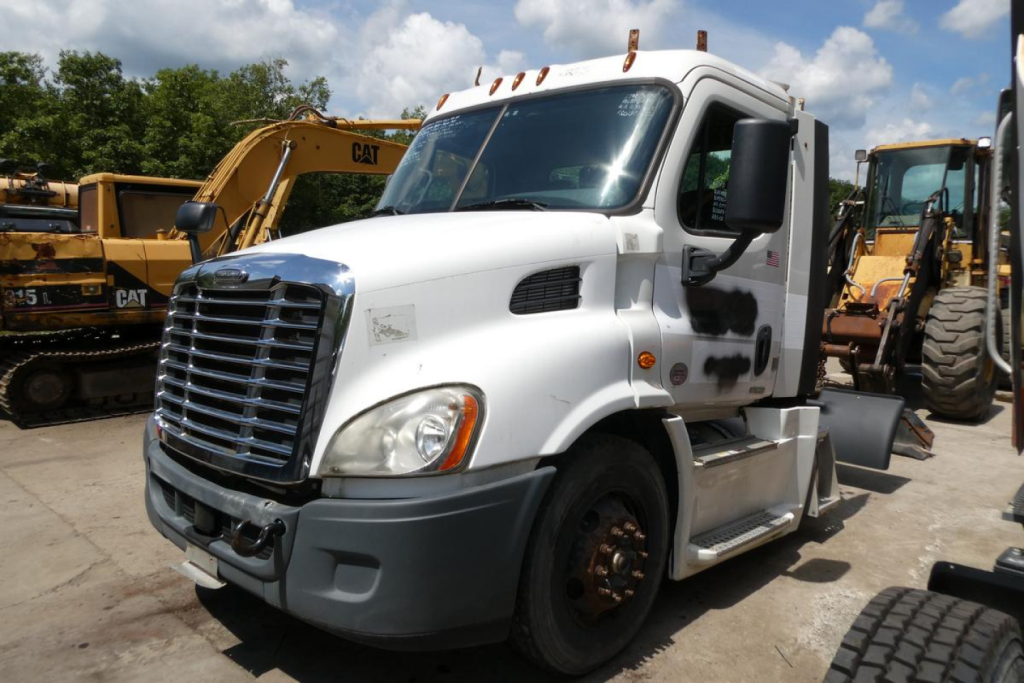
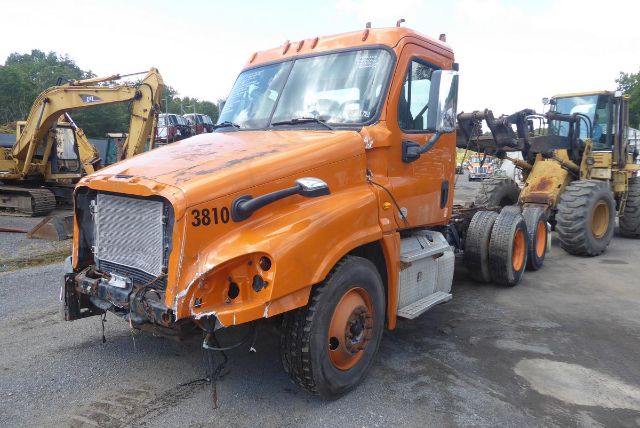
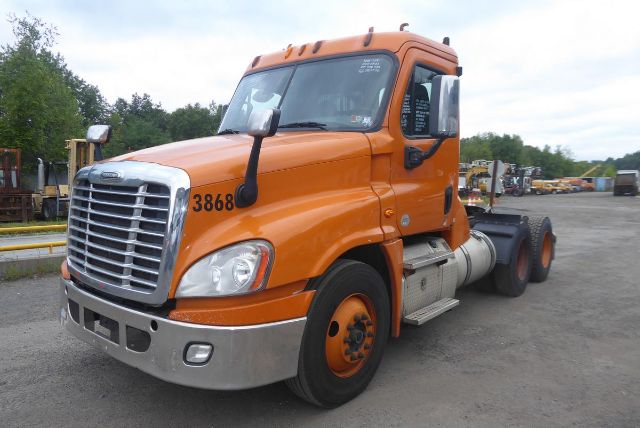
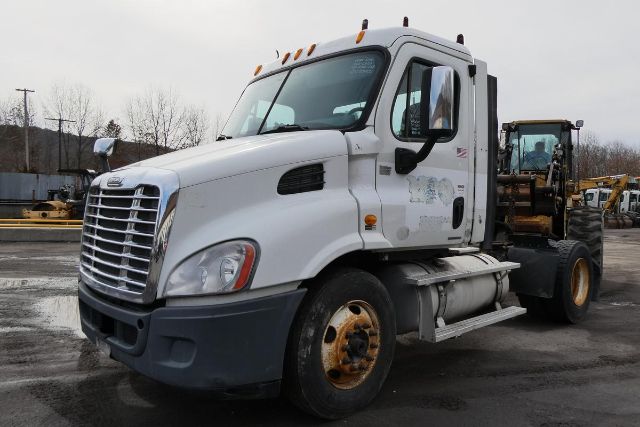
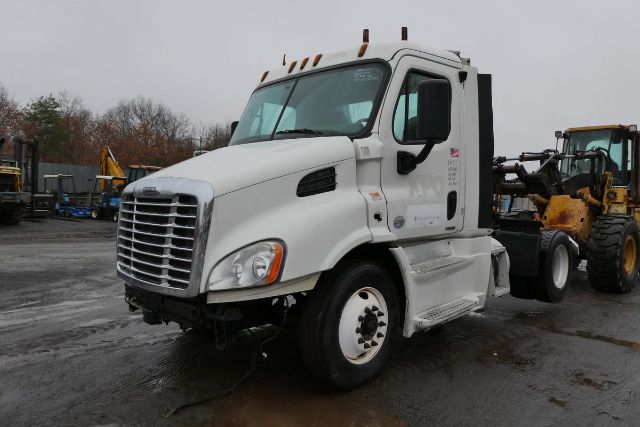
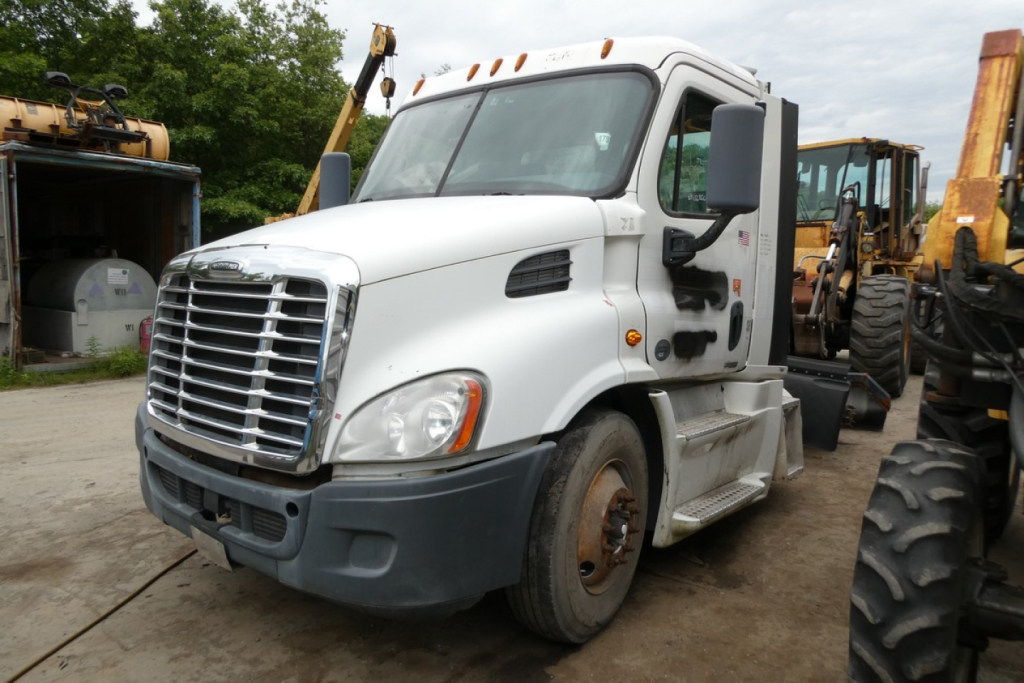
Selling a 2014 freightliner conventional daycab truck? List your 2014 freightliner conventional daycab truck for sale and reach thousands of commercial buyers.
2014 Freightliner Conventional Daycab Trucks in New York
Powertrain choices on a 2014 Freightliner daycab often center on the Detroit DD13, with horsepower commonly in the 410 to 450 range and torque calibrated for fuel economy or heavier start-stop work. Ten-speed manual and automated manual transmissions are both seen in this class, and rear axle ratios such as 3.08, 3.42, or even taller highway-friendly gearing can significantly change performance. A lighter single-axle daycab may be ideal for metro freight and tighter yards, while tandem-axle specs with 40,000-pound rears, power divider, and AirLiner suspension are better suited for heavier trailer weights and more demanding route profiles. Front axle capacity, suspension type, and brake spec matter too, especially for fleets standardizing maintenance or running high-cycle urban routes.
For New York operations, buyers tend to pay close attention to emissions condition, corrosion, and maneuverability. A 2014 truck falls squarely into the DEF era, so the condition of the SCR system, DPF history, and any engine or aftertreatment fault activity should be reviewed closely. Wheelbase in the mid-150s to low-170s is common on Freightliner daycabs, and that range can make a real difference when working city streets, distribution centers, and port facilities. Air slide fifth wheels, stationary fifth wheels, frame layout, and cab-to-axle dimensions also matter if the truck will be repurposed for a wet kit, a PTO application, or a dedicated trailer length.
The main advantage of a Freightliner conventional daycab from this period is parts availability, service familiarity, and broad fleet acceptance. Cascadia daycabs are well known for straightforward spec matching and a driver environment that is more comfortable than many older local tractors. Before buying, it is smart to compare engine hours against odometer miles, confirm rear axle and suspension ratings, inspect the frame for prior vocational use, and verify brake, tire, and steering condition. A well-matched 2014 Freightliner daycab can still be a cost-effective truck for short regional lanes, yard-to-road work, and dense urban freight where low operating cost and easy service access matter most.
Frequently Asked Questions about 2014 Freightliner Conventional Daycab Trucks in New York
What is a 2014 Freightliner conventional daycab best used for?
A 2014 Freightliner conventional daycab is best suited for regional hauling, local and metro delivery, drayage, port work, short shuttle runs, and terminal operations where a sleeper is unnecessary. The daycab layout reduces weight and overall length compared with a sleeper tractor, which helps with maneuverability in tighter yards, city streets, and distribution centers. Buyers often choose this category when they need a road-capable tractor that can still handle frequent stops and trailer changes.
What engines and transmissions are common in a 2014 Freightliner daycab?
The most common engine in this category is the Detroit DD13, typically rated around 410 to 450 horsepower depending on the original fleet spec. Many trucks from this period were ordered with 10-speed manual transmissions, while others may have automated manual setups depending on application and fleet preference. The right combination depends on route profile, gross weight, driver preference, and maintenance strategy. Rear axle ratio is just as important as horsepower because it affects launch, cruising rpm, and fuel economy.
What should I inspect on a used 2014 Freightliner daycab before buying?
Pay close attention to aftertreatment health, fault codes, engine hours, service records, and any signs of downtime related to the DEF or SCR system. Inspect the frame rails, fifth wheel, suspension, steering gear, airbags, brake components, and driveline for wear consistent with the truck's prior use. It is also important to verify wheelbase, cab-to-axle measurement, axle ratings, and whether the truck has a stationary or air slide fifth wheel. Those details directly affect trailer compatibility and resale flexibility.
Is a tandem-axle or single-axle Freightliner daycab better?
That depends on the work. A single-axle daycab is often lighter, simpler, and easier to maneuver, making it a strong fit for local freight, city operation, and lighter trailer weights. A tandem-axle truck is better for heavier loads, more traction-demanding conditions, and applications that require higher rear axle capacity or a power divider. Tandem trucks also offer broader versatility if the tractor will pull a wider mix of trailers and freight weights.
Why do wheelbase and fifth wheel position matter on a daycab?
Wheelbase and fifth wheel position affect turning radius, bridge law compliance, trailer swing clearance, weight distribution, and compatibility with specific trailer types. A shorter wheelbase generally works better in tight urban settings, while a longer wheelbase may improve ride quality and allow more flexibility with trailer placement or PTO-related equipment. An air slide fifth wheel adds adjustability for different loads and trailer setups, while a stationary fifth wheel can be simpler and lighter for dedicated use.