
2014 Conventional Daycab Trucks For Sale in New York
Shop 2014 conventional daycab trucks for regional hauling, local delivery, port work, and fleet use with practical spec guidance for buyers.
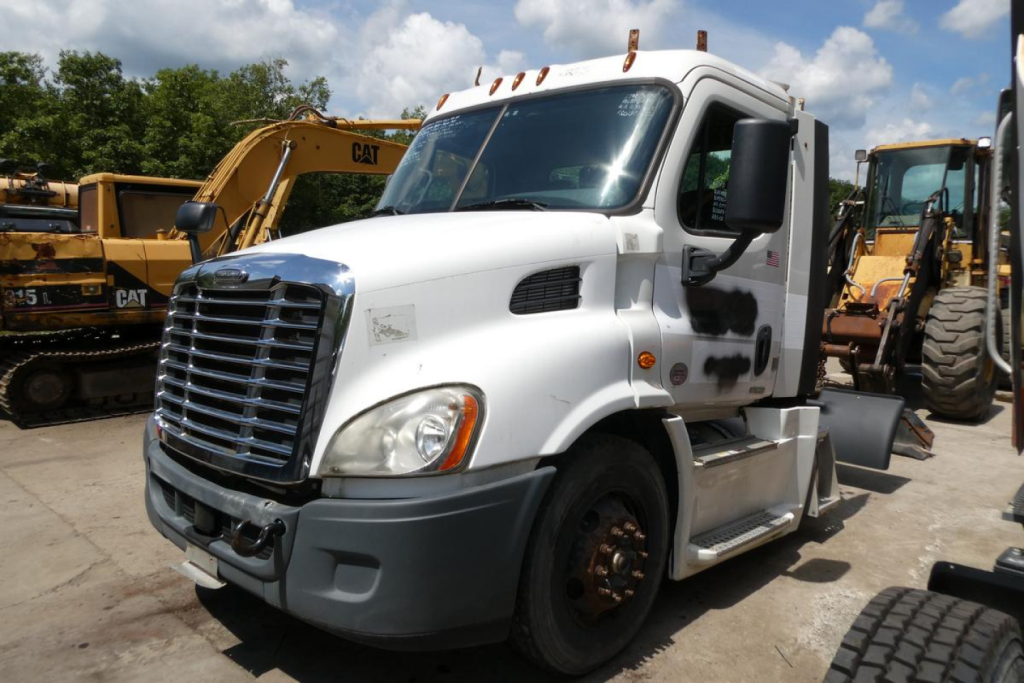
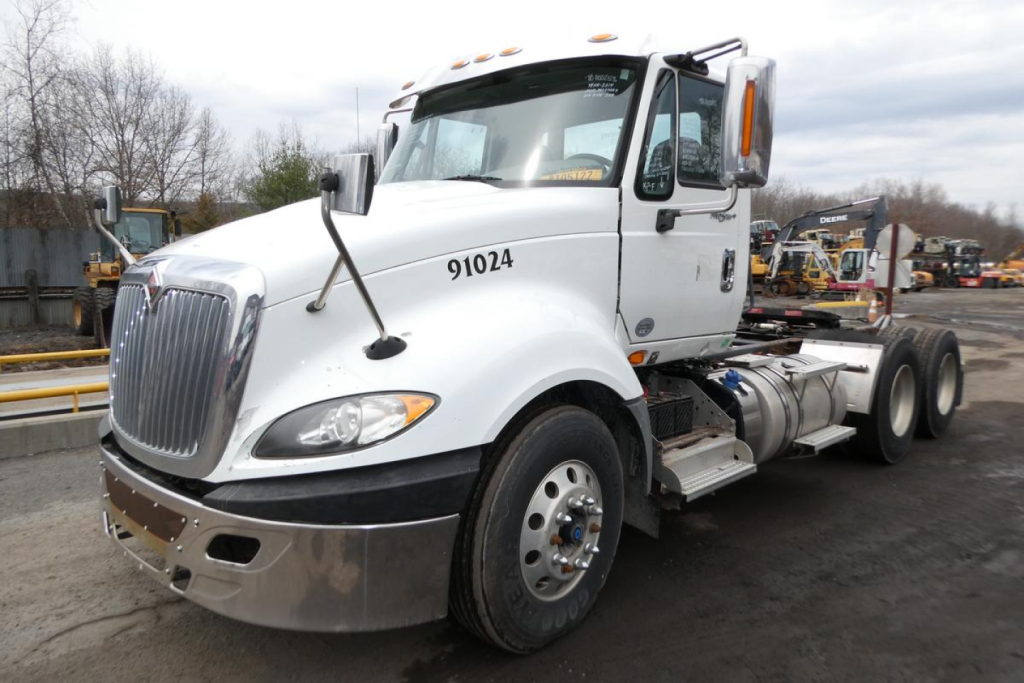
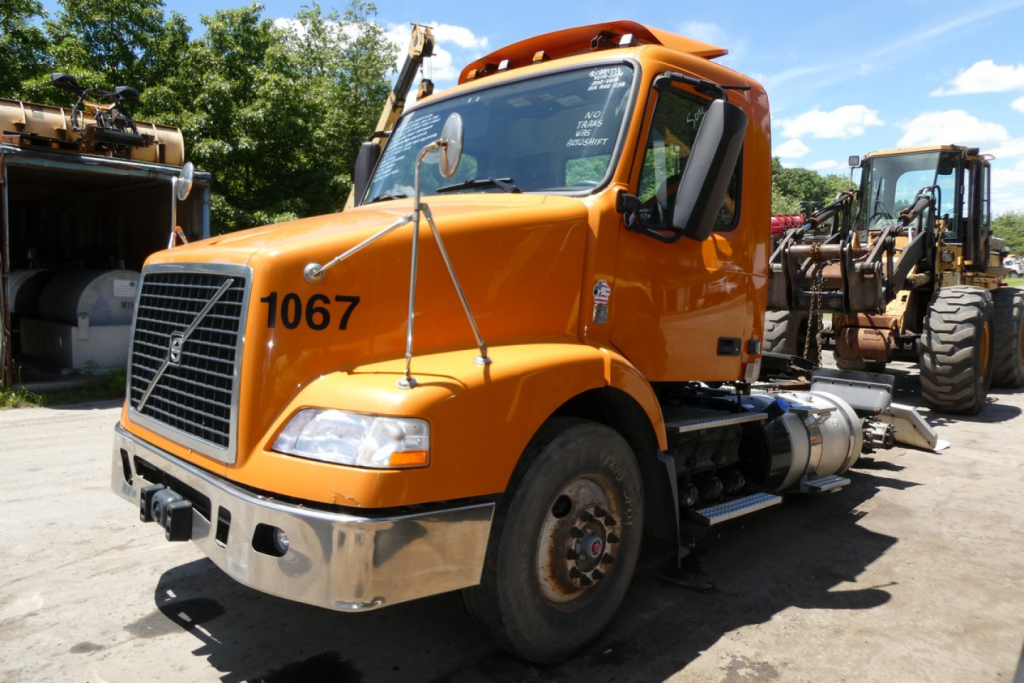
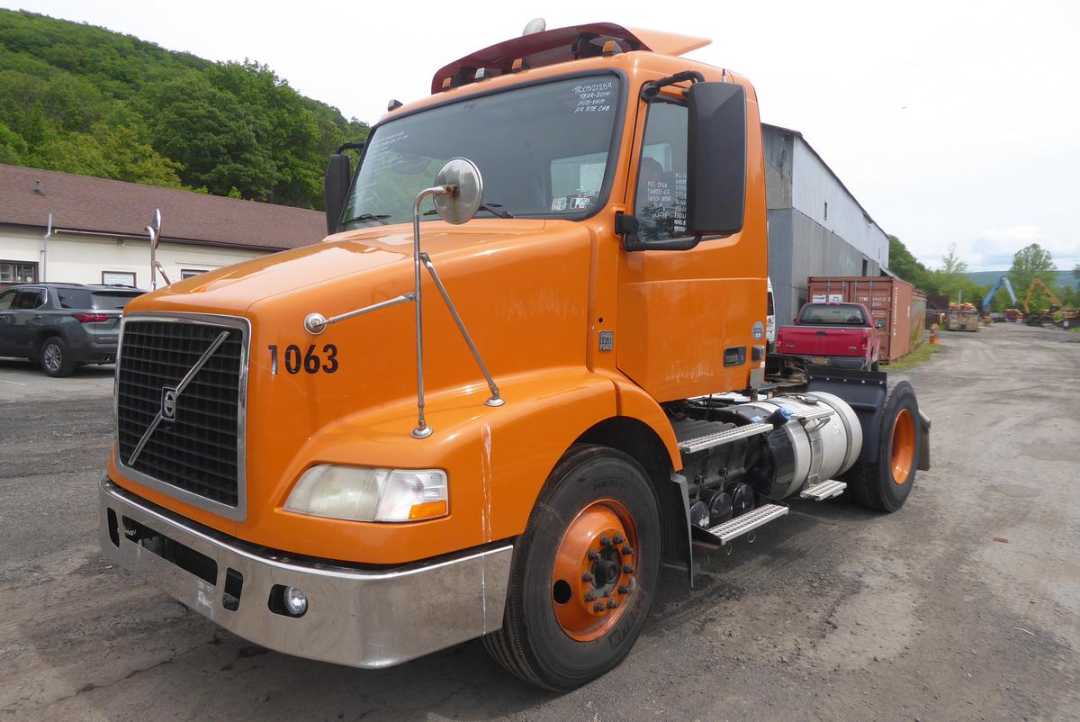
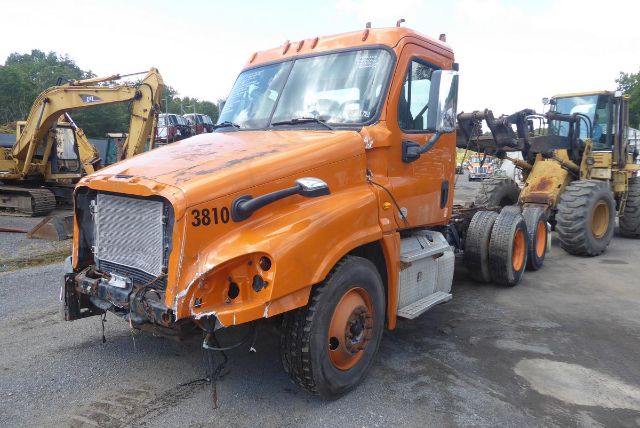
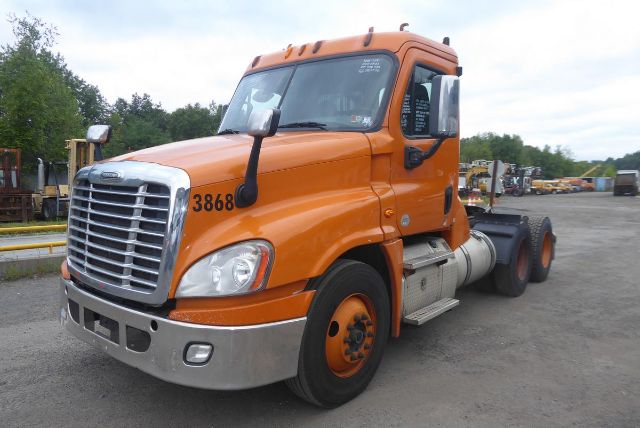
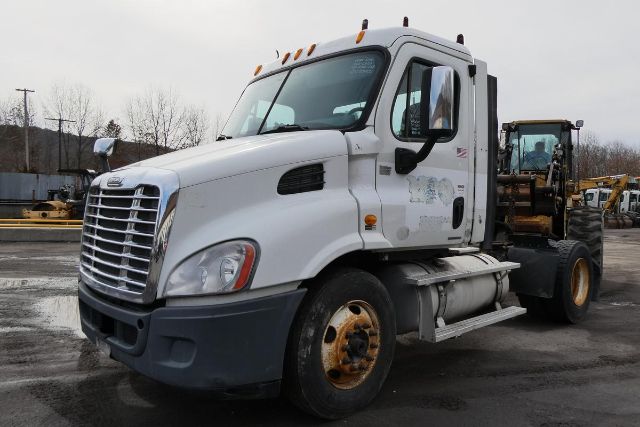
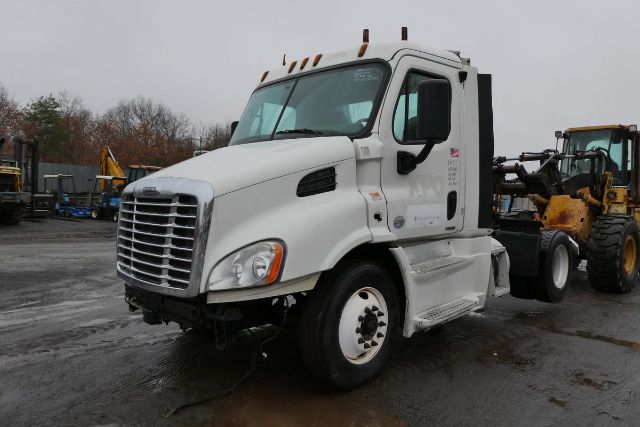
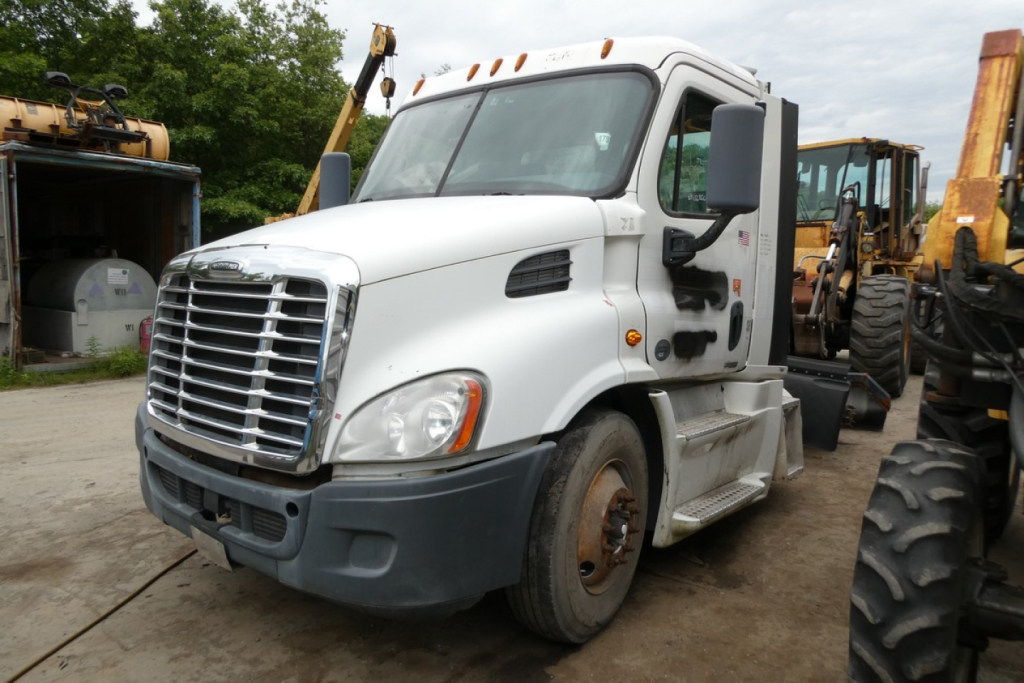
Selling a 2014 conventional daycab truck? List your 2014 conventional daycab truck for sale and reach thousands of commercial buyers.
2014 Conventional Daycab Trucks in New York
Common specs in this category include tandem axle setups rated around 40,000 pounds on the rear, front axles in the 12,000-pound range, wheelbases often between the mid-150s and 200 inches, and GVWRs that can range from about 32,000 pounds on lighter regional units to more than 50,000 pounds on heavier tractors. Engines you will commonly see from this period include the Cummins ISX, Detroit DD13, Volvo D11, and Volvo D13, usually paired with 10-speed manual, 12-speed automated manual, or similar fleet-oriented transmissions. Rear axle ratios such as 2.64, 3.08, 3.42, or 3.55 tell you a lot about the truck's intended use. Lower numerical ratios generally favor fuel economy and highway speed, while deeper ratios are often better for heavier starts, urban work, or vocational service.
For New York buyers, application matters more than badge. A daycab spec that works in long regional lanes upstate may not be ideal for tight metro routes, port work, or frequent dock maneuvering around the five boroughs. Wheelbase, cab-to-axle length, and fifth wheel setup affect trailer swing clearance, bridge law flexibility, and how easily the truck can be assigned across different trailer types. Air ride suspensions, air slide fifth wheels, engine brakes, air disc brakes, and PTO provisions can all add value depending on the route and body or trailer combination. If the truck will spend time in stop-and-go traffic, look closely at cooling system condition, clutch or automated manual calibration, and front axle wear from constant steering input.
On a 2014 conventional daycab, the best buying decision usually comes from matching the truck's remaining service life to the job. Odometer and ECM miles should make sense together, engine hours can reveal idle-heavy use, and maintenance records on DEF, DPF, SCR, turbo, and EGR components are especially important on trucks from this emissions generation. Buyers should also inspect suspension bushings, kingpins, frame condition, fifth wheel wear, brake type, tire size, and any signs of electrical issues in dash and body control systems. A well-matched 2014 daycab can still be a cost-effective tractor for regional and local work, but the right spec is the one that fits the route, the trailer, and the maintenance budget.
Frequently Asked Questions about 2014 Conventional Daycab Trucks in New York
What is a conventional daycab truck used for?
A conventional daycab truck is used for local and regional hauling where the driver returns home without needing sleeper space. Common applications include dry van, reefer, flatbed, tanker, dump, container drayage, and dedicated shuttle routes. Compared with a sleeper tractor, a daycab usually offers lower weight, a shorter overall length, and better maneuverability in traffic, terminals, and urban loading areas.
What should I check first on a 2014 daycab truck?
Start with the engine and emissions system history. On a 2014 model, buyers should pay close attention to DEF system repairs, DPF service intervals, EGR condition, turbo performance, fault codes, and any signs of derate history. After that, verify whether ECM miles align with the odometer, review engine hours for excessive idle time, and inspect the transmission, driveline, suspension, brakes, and fifth wheel for wear that matches the truck's stated use.
Is a 10-speed manual or automated manual better in a 2014 conventional daycab?
That depends on the route and driver pool. A 10-speed manual can be easier to service and is still preferred in some vocational and heavy-start applications, especially where drivers want direct control. An automated manual can improve consistency, reduce clutch wear, and help with fuel economy in fleet use, but it needs proper calibration and electrical health. On a used 2014 truck, condition matters more than transmission type alone.
What wheelbase is best for a daycab tractor?
The best wheelbase depends on the trailer and operating environment. Shorter wheelbases are easier to maneuver in cities, ports, and crowded yards, while longer wheelbases may ride better and offer better weight distribution for certain trailer combinations. Buyers should compare wheelbase, cab-to-axle, and fifth wheel position to the trailers they plan to pull, especially if bridge law compliance or axle spread flexibility is important.
Are 2014 conventional daycab trucks good for New York operations?
They can be a strong fit for New York operations if the spec matches the route. Shorter and lighter daycabs work well in tight metro environments, food distribution, and port-related freight, while heavier tandem axle specs are better suited for upstate regional lanes and higher gross loads. Buyers in New York should pay special attention to turning radius, corrosion, brake condition, cooling system performance, and emissions reliability because of stop-and-go traffic, seasonal weather, and dense operating conditions.