
1995 Commercial Trucks For Sale in New York
Shop 1995 trucks in New York. Pre emissions power, durable frames, focus on floor strength, thermal integrity, tare weight, and corrosion resistance.
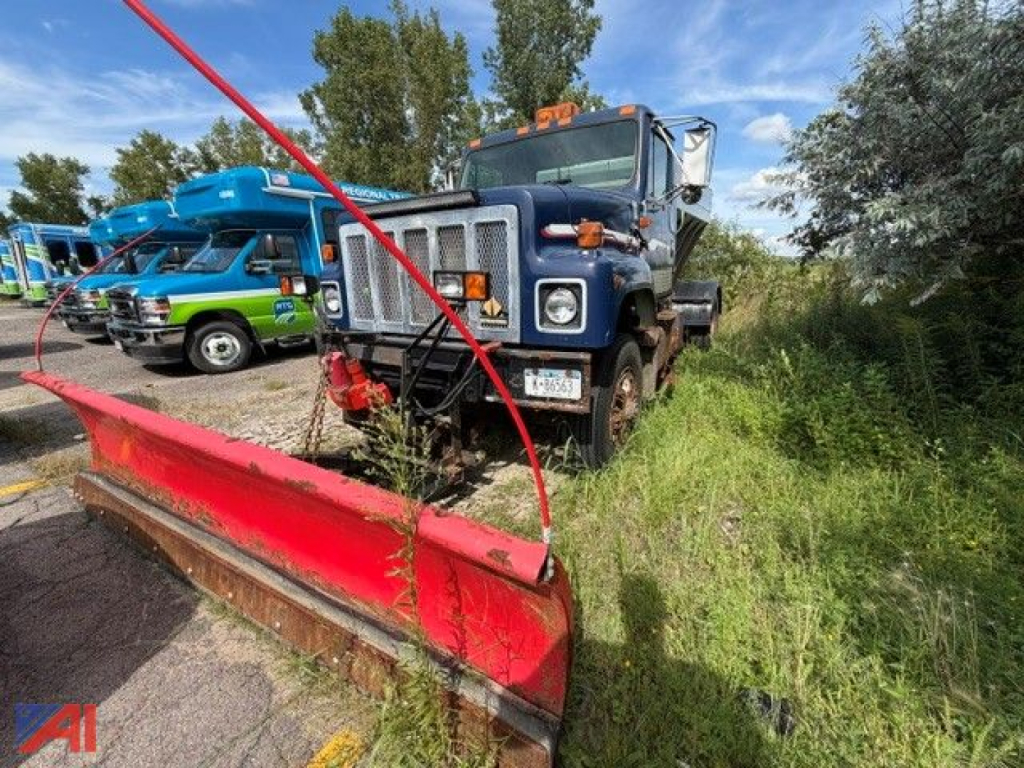
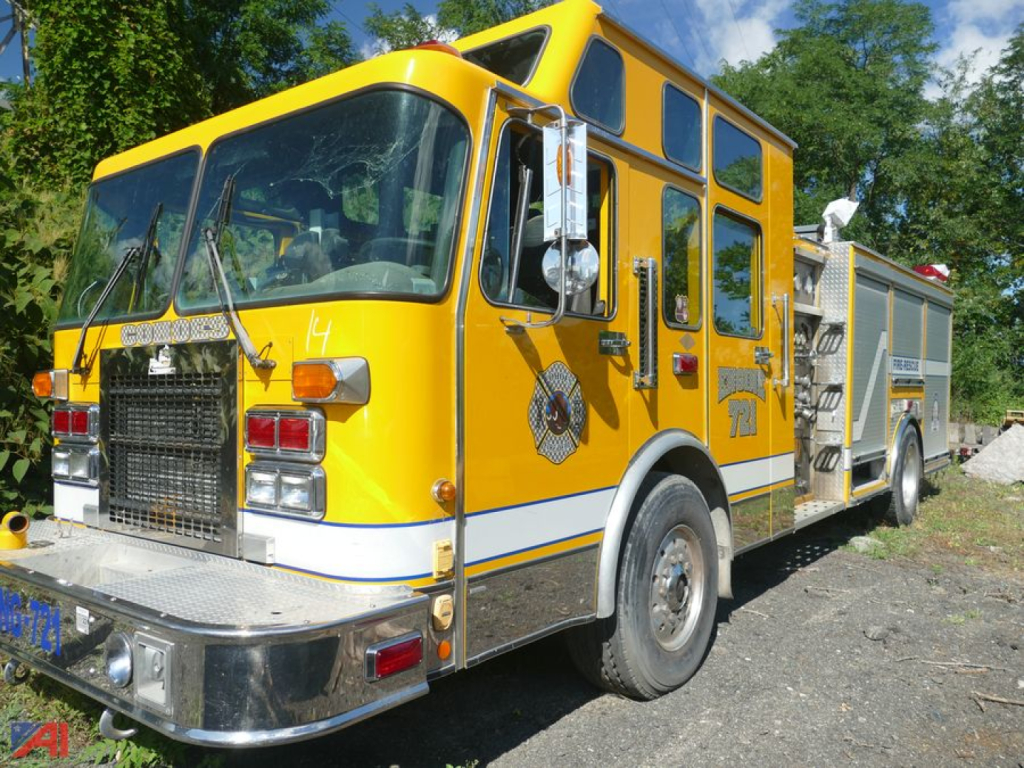
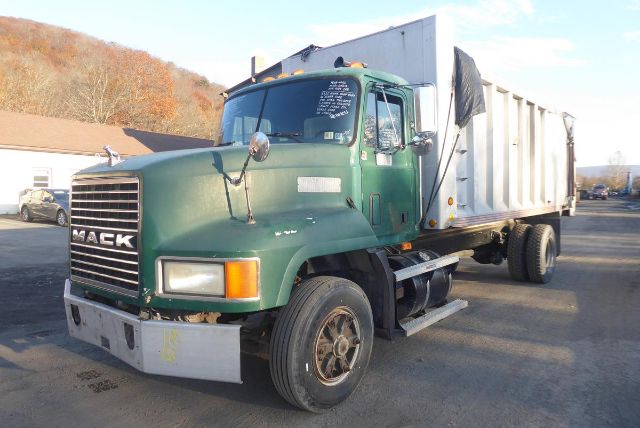
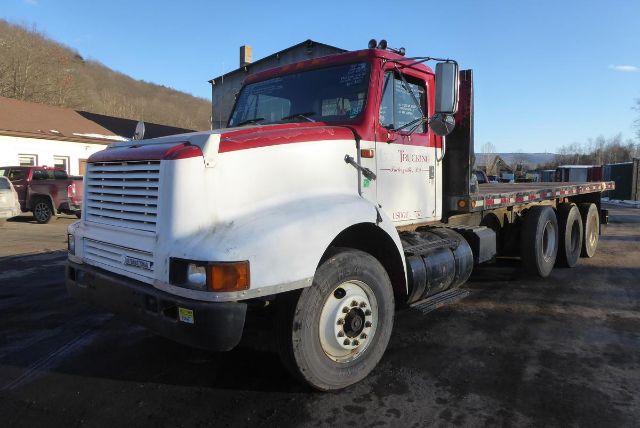
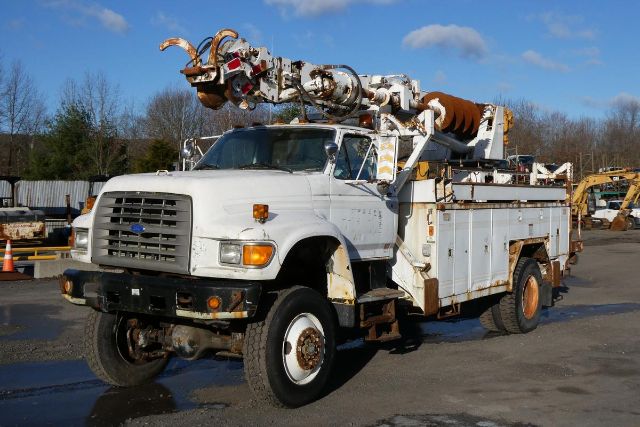
Selling a 1995 commercial truck? List your 1995 commercial truck for sale and reach thousands of commercial buyers.
1995 Commercial Trucks in New York
Structural condition is the make or break on a 1995 unit in New York. Road salt accelerates corrosion in frame flanges, crossmembers, spring hangers, fifth wheel brackets, cab mounts, battery boxes, brake chambers, and fuel tank straps. Aluminum cabs and wheels resist red rust, but watch for pitting and galvanic corrosion where aluminum meets steel. Verify frame rail straightness and hardware condition, look for scaling between double frame liners, clean fishplates, and tight fasteners. Floor strength is critical on straight trucks and vocational bodies, on dry vans and box trucks check hardwood plank floors 1.25 to 1.5 inches thick with crossmembers on 12 inch centers or tighter and full height scuff liners, on flatbeds review deck thickness, stake pockets, and rub rail integrity, on dumps confirm AR400 or AR450 floors in the 3/16 to 1/4 inch range with solid cross sills and sidewall bracing. Reefer straight trucks of this vintage rely on foam in place insulation, inspect for crushed panels, failed door seals, and delamination that degrade thermal integrity, and confirm the refrigeration unit’s service history and regional compliance.
Tare weight varies widely across 1995 tractors and vocational trucks. A day cab with aluminum wheels and air ride often scales between 16,500 and 18,000 pounds, while a sleeper, heavy spec, or double frame vocational build can exceed 20,000 pounds. Manage unladen weight by selecting aluminum wheels, right sizing fuel capacity, avoiding unnecessary bolt ons, and matching suspension and tire spec to the job. Balance tare against payload and bridge law by confirming axle ratings, wheelbase, and kingpin to rear axle dimensions on straight trucks, and verify that fifth wheel placement and slider travel allow legal axle splits on tractors. For reefers, thermal integrity depends on thick, undamaged sidewalls and well sealed seams, scuff plates protect insulation from pallet impact and help the box hold temperature with less run time.
Expect trade offs in safety tech and age related maintenance. Many 1995 trucks run drum brakes, early or no ABS, and manual slack adjusters, stopping distances are longer and inspection diligence is essential. Electrical harnesses, connectors, and air systems are decades old, clean repairs, mapped grounds, and dry air tanks indicate good stewardship. The upside is strong parts support for N14, 3406E, and Series 60, with broad availability of reman components and in frame kits. Cold weather operation in New York favors block heaters, robust batteries, and winterized fuel, and pre 2000 engines qualify for the federal ELD engine year exemption, though buyers should confirm local opacity testing and CARB rules if operating across state lines.
Frequently Asked Questions about 1995 Commercial Trucks in New York
Which engines and transmissions are most common on 1995 trucks and what are the trade offs?
Typical powerplants include the Cummins N14, Caterpillar 3406E, and Detroit Diesel Series 60 12.7L, generally 350 to 500 horsepower with 1,350 to 1,650 lb ft of torque. They pair well with Eaton Fuller 9, 10, and 13 speed manuals. Advantages include no EGR, DPF, or SCR, simpler troubleshooting, and strong parts availability. Trade offs include older fuel system technology, less factory engine braking on some specs, and fewer electronic safeguards, so condition and maintenance history carry more weight than year alone.
How do I evaluate corrosion on a 1995 truck in New York?
Inspect frame flanges inside and out, crossmembers near suspension hangers, fifth wheel plates, cab mounts, and any double frame sections for scaling between liners. Look closely at battery boxes, fuel tank straps, air tanks, brake chambers, and wheel ends for pitting. On aluminum cabs, check door bottoms, cab corners, and steel interface points for galvanic corrosion. Fresh paint over heavy scale, elongated bolt holes, or soft metal around rivets are red flags. Acceptable repairs include properly prepped plating with full bolt patterns and documented frame straightening, avoid torch cut or welded heat affected zones on heat treated frame rails.
What should I check for floor strength and thermal integrity on 1995 straight trucks?
On dry vans and box trucks, verify hardwood plank floors at least 1.25 inches thick, tight crossmember spacing around dock impact zones, full height scuff liners, and solid sill attachments. On reefers, inspect panel integrity, foam insulation continuity, door seal compression, hinge alignment, and drain paths, weak thermal integrity forces the unit to run longer and burns more fuel. On dumps, measure floor and tailgate plate thickness, look for AR400 or AR450 material, check cross sills for distortion, and inspect hoist towers and doghouse welds. Any soft spots, delamination, or crushed insulation will reduce service life and payload efficiency.
How does tare weight compare across 1995 tractors and vocational trucks, and how can I manage it?
A light 1995 day cab tractor with aluminum wheels and single 120 to 150 gallon fuel capacity may scale around 17,000 pounds, while sleepers, heavy suspensions, double frames, and pusher axles add thousands of pounds. To manage tare weight, select aluminum wheels, right size tanks, avoid heavy bumpers and headache racks unless needed, and choose air ride over heavier walking beam where ride and application allow. Always verify axle ratings, wheelbase, and bridge measurements so weight savings do not compromise legal axle splits or stability.
Are 1995 trucks compliant with current ELD and emissions rules, and are there regional restrictions to consider?
Federal ELD applicability is based on engine model year, engines prior to 2000 are exempt from the ELD mandate, so most 1995 trucks qualify, confirm the engine tag. These units do not have DPF or SCR, which reduces maintenance, but they must still meet any local opacity or safety inspections, including programs in parts of New York. California has separate rules that can limit operation of older engines and older reefer units, and some ports and metro areas have additional restrictions. Verify intended routes and registration state requirements before purchase.