
1995 Commercial Trucks For Sale
Explore used 1995 trucks for sale, from semi tractors to box and dump, with tips on engines, floors, tare weight, corrosion, and reefer integrity.
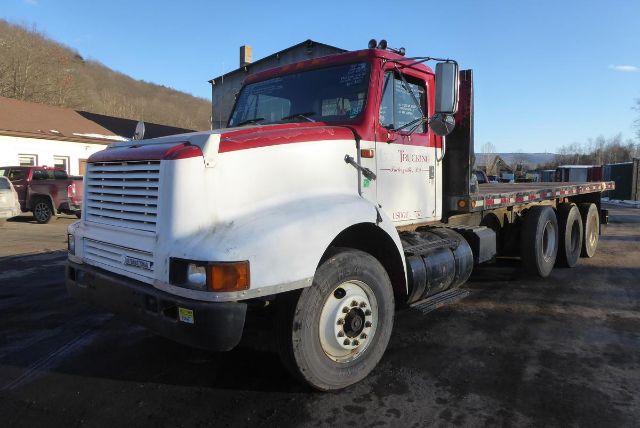

Selling a 1995 commercial truck? List your 1995 commercial truck for sale and reach thousands of commercial buyers.
1995 Commercial Trucks
Chassis condition drives long term cost. Inspect frame rails for scaling and delamination, focus on crossmembers, spring hangers, steer axle perches, and fifth wheel mounting plates. Aluminum wheels, tanks, and battery boxes reduce tare weight and resist corrosion better than painted steel, but fastener galvanic corrosion can still occur. Air ride suspensions improve ride and protect cargo, spring suspensions are lighter and simpler; evaluate bushings, torque rods, and air bags for age related cracking.
For 1995 box trucks and reefers, floor strength and thermal integrity are key. Look for hardwood or laminated oak floors with tight screw patterns, rear threshold plates without cupping, and crossmember spacing closer to 12 inches for frequent forklift use, 16 inches is lighter but deflects more. Check scuff liners and logistics posts for impact fatigue that can telegraph into the floor sills. Reefer bodies lose R value over time if foam insulation takes on moisture, inspect door seals, drain tubes, nose and sidewall seams, and verify unit pull‑down times in ambient heat if the refrigeration system is still in service or has been updated.
Expect higher tare weight than late model aluminum intensive builds, older steel frames and larger sleepers add pounds, but you can claw some back with aluminum wheels, single fuel tank setups, and low profile tires. Brakes are typically drum, verify lining thickness, drum condition, and that the air system dries and holds pressure without leak down. Many 1995 units predate mandated ABS and stability systems, so confirm local and state compliance before purchase. Gear ratios around 3.55 to 3.90 are common, match engine torque curves and intended cruise speed to avoid lugging and protect fuel economy.
Frequently Asked Questions about 1995 Commercial Trucks
Which engines and transmissions are common in 1995 trucks, and what are the trade offs?
You will often see Cummins N14, Detroit Series 60, and Caterpillar 3406E in heavy duty tractors, and DT466, CAT 3116, or Cummins 8.3 in medium duty chassis. These engines avoid EGR, DPF, and SCR, which lowers maintenance complexity and improves serviceability. Transmissions are typically Eaton Fuller 9, 10, or 13 speed manuals that are durable and rebuildable. The trade offs are fewer factory safety features, less refined electronics, and sometimes lower fuel efficiency compared to optimized modern powertrains.
How do I evaluate frame condition and corrosion resistance on a 1995 truck?
Clean the rails and inspect for pitting, scaling, and flaking, then probe crossmembers, suspension hangers, and fifth wheel brackets for soft spots or elongation at bolt holes. Look under battery boxes and behind fuel tanks where road spray accumulates. Surface rust is manageable, deep scale that changes metal thickness is costly. Aluminum components resist corrosion well, but check for cracks at welds and galvanic corrosion where aluminum meets steel with dissimilar fasteners.
What should I check for floor strength and thermal integrity on a 1995 box or reefer body?
Confirm the floor is rated for forklift point loads, tight fastener patterns and 12 inch crossmember spacing indicate higher capacity. Inspect sills, rear thresholds, and wheel boxes for deflection or rot, and verify scuff liners are intact so pallet impacts do not migrate into the wall structure. For reefers, examine door seals, drain paths, and panel seams for moisture intrusion that erodes R value, then test pull down to target temperature and watch for rapid temperature recovery after door cycles. A dry, tight box maintains thermal integrity and protects product quality.
Are 1995 trucks emissions compliant everywhere?
Many 1995 engines are pre emissions and may face restrictions in states with strict rules, such as CARB Truck and Bus requirements. Some fleets operate these units outside regulated corridors or use them in limited duty cycles where exemptions apply. Retrofits and repowers exist, but costs can exceed the value of the chassis. Verify local and state regulations by VIN and engine family number before purchase.
How does tare weight compare to newer trucks, and how can I reduce it?
Tare weight is typically higher due to heavier steel frames, larger sleepers, and legacy components. Weight can be reduced with aluminum wheels and tanks, low profile tires, removing unused brackets, and running a single fuel tank when range allows. Matching suspension spec to duty cycle also helps, spring suspensions are generally lighter than some air ride designs. Lower tare weight increases payload, which directly improves revenue per trip.